
Embarking on a new career path often involves navigating a complex landscape of certifications and permits. For those aspiring to operate large commercial vehicles, open doors to lucrative opportunities in transportation, or embrace a distinctive professional lifestyle on the open road, obtaining a Class A Commercial Driver’s License (CDL) in California is a pivotal step. This isn’t just about gaining a license; it’s about unlocking a significant professional transformation, offering freedom, responsibility, and the potential for a fulfilling career that literally keeps you moving.
A Class A permit, the foundational step toward a full Class A CDL, is your gateway to piloting some of the largest and most complex vehicles on the road. From long-haul trucking across the vast American landscape to specialized hauling within the Golden State, the possibilities are extensive. This comprehensive guide will walk you through the entire process, demystifying the requirements, tests, and training needed to secure your Class A permit and ultimately your Class A CDL in California, setting you on the path to a dynamic and rewarding lifestyle.
Understanding the California Class A CDL: More Than Just a License
Before diving into the application process, it’s crucial to understand what a Class A CDL entails and why it’s a game-changer for many seeking a specific professional lifestyle. This license signifies a high level of skill, knowledge, and responsibility, essential for operating commercial vehicles safely and efficiently.
What is a Class A CDL?
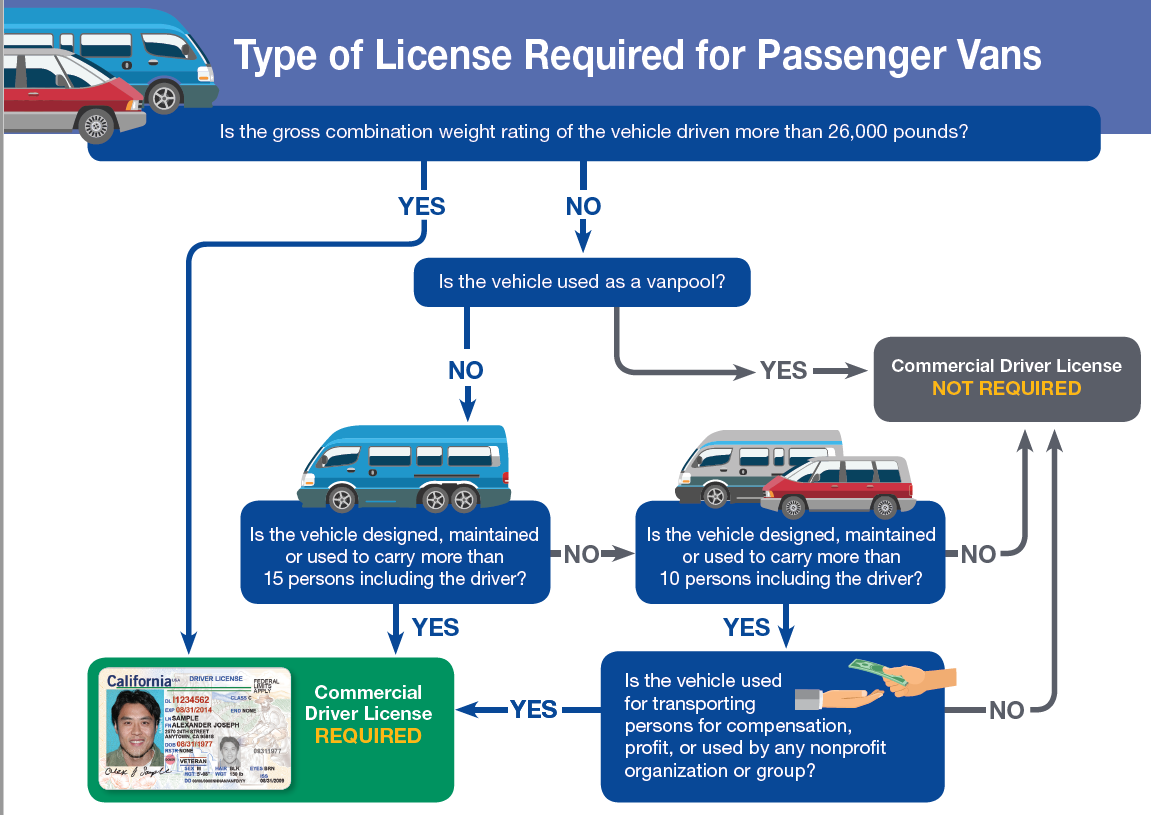
A Class A Commercial Driver’s License permits the holder to operate any combination of vehicles with a Gross Combination Weight Rating (GCWR) of 26,001 pounds or more, provided the Gross Vehicle Weight Rating (GVWR) of the vehicle(s) being towed is in excess of 10,000 pounds. This is the highest class of non-military commercial license and covers a broad spectrum of heavy vehicles. Think tractor-trailers, truck and trailer combinations, tank trucks, livestock carriers, and flatbeds. Essentially, if you want to drive a “big rig” or a large commercial vehicle that tows heavy loads, a Class A CDL is what you need. This contrasts with a Class B CDL, which typically covers single vehicles weighing over 26,001 pounds, and a Class C CDL, for vehicles designed to transport 16 or more passengers (including the driver) or those carrying hazardous materials. The Class A opens up the widest array of driving opportunities, making it a highly sought-after qualification for a career in logistics and transportation.
Who Needs a Class A CDL?
The demand for Class A CDL holders spans various industries, reflecting the diverse professional lifestyles this license supports. Primarily, individuals aspiring to become long-haul truck drivers or local delivery drivers operating large trucks will need this license. These roles are foundational to the nation’s supply chain, requiring dedication and an ability to adapt to a life on the road or a consistent local route. Beyond traditional trucking, a Class A CDL is essential for:
- Construction and Heavy Equipment Hauling: Transporting oversized machinery to job sites.
- Specialized Freight: Moving goods like cars, chemicals (with a Hazmat endorsement), or refrigerated cargo.
- Bus Drivers: Operating articulated buses or buses with trailers (though often a Class B with passenger endorsement suffices for standard buses, Class A allows for more complex configurations).
- Tow Truck Operators: Especially those towing heavy-duty vehicles.
For many, obtaining a Class A CDL is a strategic career move, offering competitive wages, job security, and the unique lifestyle of a professional driver. It’s a commitment to a role that keeps the economy moving and provides a tangible service, often appealing to those who enjoy independence and a dynamic work environment.
The Road to Your Permit: Eligibility and Prerequisites
Before you can even think about taking your skills test, you must first qualify for and obtain a Commercial Learner’s Permit (CLP). This permit allows you to practice driving a commercial vehicle on public roads with a qualified CDL holder seated beside you. The journey to your CLP begins with meeting specific eligibility criteria and gathering the necessary documents.
Basic Requirements
To be eligible for a Class A CLP in California, you must meet several fundamental requirements set by both state and federal regulations:
- Age: You must be at least 18 years old to drive a commercial vehicle intrastate (within California only). To drive interstate (across state lines), you must be at least 21 years old.
- Existing Driver’s License: You must possess a valid non-commercial California Class C driver’s license. This demonstrates your basic driving competency.
- Residency: You must be a legal resident of California.
- English Proficiency: You must be able to read and speak English sufficiently to understand traffic signs and signals, respond to official inquiries, and converse with the public.
- Medical Certification: Commercial drivers are subject to stringent medical standards to ensure they are physically capable of operating large vehicles safely. You will need to obtain a medical examiner’s certificate (DOT medical card) from a certified medical examiner listed on the Federal Motor Carrier Safety Administration (FMCSA) National Registry. This involves a physical examination to check your vision, hearing, blood pressure, and overall health.
Meeting these foundational requirements is your first hurdle. They ensure that all prospective commercial drivers possess the basic capabilities and health necessary for such a demanding profession, underpinning the safety and reliability that defines this lifestyle.
Essential Documentation
When you visit the California DMV (Department of Motor Vehicles) to apply for your CLP, you’ll need to bring a specific set of documents to verify your identity, residency, and medical fitness. Being prepared with these documents will streamline your application process:
- Proof of Identity: Your current California driver’s license, along with other acceptable identity documents (e.g., birth certificate, U.S. passport). The DMV website provides a comprehensive list of acceptable documents.
- Proof of Residency: Two different documents proving your California residency (e.g., utility bills, rental agreements, bank statements).
- Social Security Number (SSN): Your SSN card or another document with your SSN.
- Medical Examiner’s Certificate (DOT Medical Card): The original or a copy of your valid medical certificate from a certified medical examiner. The information from this certificate will be transmitted electronically to the DMV by the examiner, but it’s always wise to have your copy.
- Completed California CDL Application (DL 44C): This form can often be started online or obtained at the DMV.
Double-checking the latest requirements on the official California DMV website before your visit is highly recommended, as regulations can occasionally be updated.
Navigating the Application Process: Step-by-Step
With your documents in order and eligibility confirmed, you’re ready to tackle the core stages of obtaining your Class A permit and CDL. This involves knowledge tests, specialized training, and a comprehensive skills assessment.
Obtaining Your Commercial Learner’s Permit (CLP)
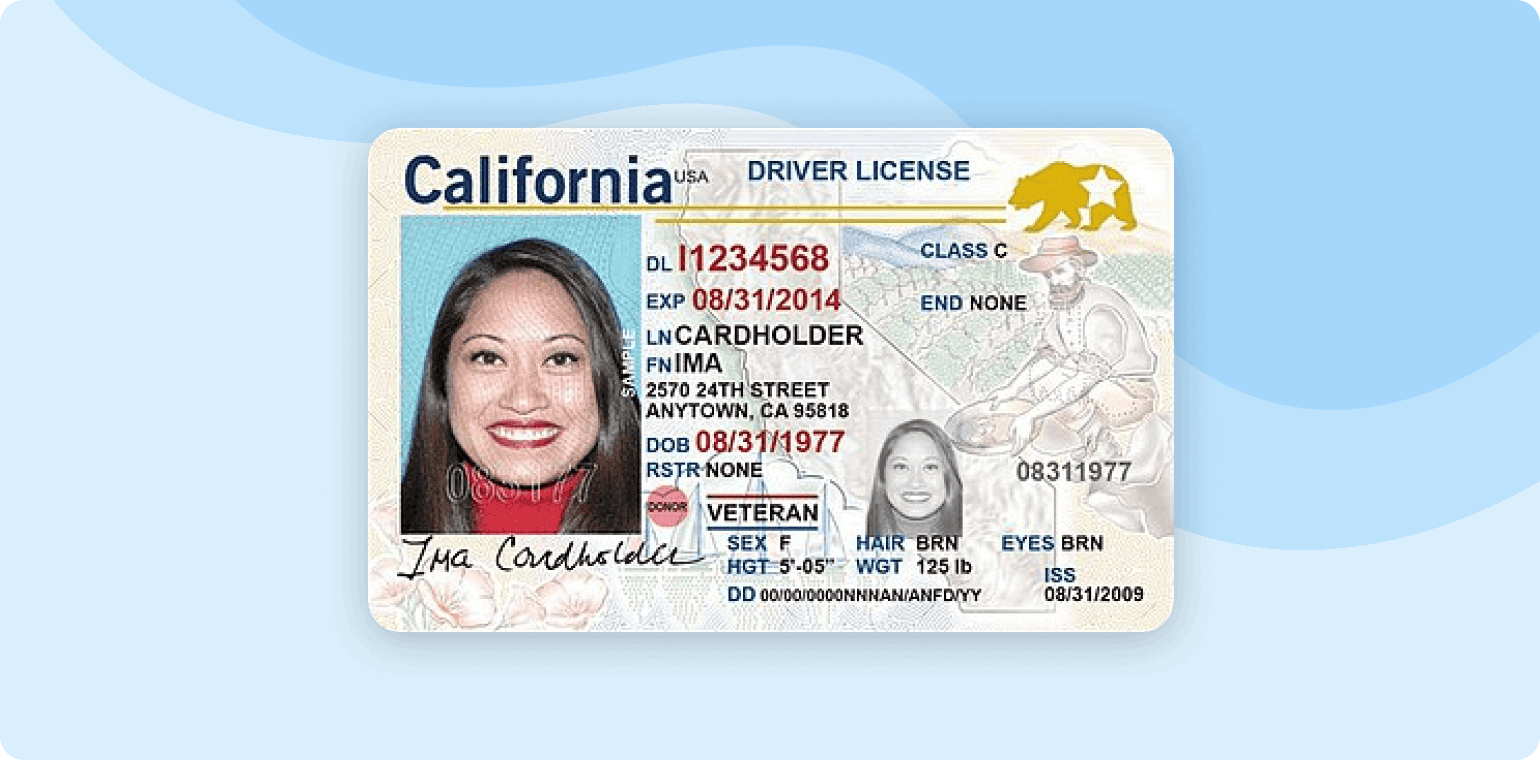
The CLP is the first physical credential you’ll receive on your path to a full CDL. To get it, you must pass a series of written knowledge tests at the DMV. These tests assess your understanding of commercial driving regulations, safety procedures, and vehicle mechanics.
The required knowledge tests for a Class A CLP typically include:
- General Knowledge Test: Covers basic rules of commercial driving, traffic laws, and safety.
- Air Brakes Test: Specific knowledge related to air brake systems common in large commercial vehicles.
- Combination Vehicles Test: Focuses on the unique dynamics and safety considerations of operating combination vehicles (trucks pulling trailers).
It’s highly advisable to study the official California Commercial Driver Handbook thoroughly. Many driving schools also offer preparatory courses and practice tests to help you succeed. Once you pass these written exams, pay the application fee, and have your documents verified, the DMV will issue your CLP. Remember, with a CLP, you are only authorized to operate a commercial vehicle with a fully licensed CDL holder present in the passenger seat. This period is crucial for gaining practical experience and becoming comfortable with the vehicle’s operation, preparing you for the demands of a professional driving lifestyle.
Entry-Level Driver Training (ELDT) Mandate
A significant federal regulation introduced in February 2022 mandates Entry-Level Driver Training (ELDT) for all individuals seeking a Class A CDL for the first time. This means that merely passing the knowledge tests and practicing with a friend is no longer sufficient. You must complete a specific curriculum provided by a training provider listed on the FMCSA’s Training Provider Registry (TPR).
ELDT consists of two main components:
- Theory Instruction: Classroom or online training covering a wide range of topics, including basic operation, safe operating procedures, advanced operating practices, vehicle systems, and non-driving activities (e.g., cargo handling, logbooks).
- Behind-the-Wheel (BTW) Training: Practical instruction on a driving range and public roads, covering vehicle inspection, basic controls, shifting, backing, coupling/uncoupling, and various on-road maneuvers.
The ELDT requirement ensures that all new commercial drivers receive standardized, high-quality training, enhancing safety and preparing them more thoroughly for the responsibilities of a Class A CDL holder. After completing both the theory and BTW portions, your training provider will electronically submit your completion information to the FMCSA TPR. Only then will you be eligible to schedule your CDL skills test.
Scheduling and Taking Your Skills Test
After holding your CLP for at least 14 days and completing your ELDT, you can schedule your comprehensive CDL skills test. This practical examination evaluates your ability to safely operate a commercial vehicle and typically consists of three parts:
- Pre-Trip Vehicle Inspection: You must demonstrate your knowledge of the vehicle’s components and your ability to perform a thorough inspection, identifying any defects that could compromise safety. This tests your attention to detail and your commitment to vehicle integrity, crucial aspects of a responsible driving lifestyle.
- Basic Vehicle Control Skills Test: This segment typically includes maneuvers like straight-line backing, offset backing, and parallel parking (or similar exercises) within a designated area. It assesses your precision and control in confined spaces.
- On-Road Driving Test: Conducted on public roads, this is a real-world assessment of your driving ability. An examiner will evaluate your handling of various traffic situations, turns, lane changes, railway crossings, and overall adherence to traffic laws.
Passing all three parts of the skills test is the final hurdle. Once you succeed, you’ll return to the DMV with your test results, pay any remaining fees, and receive your highly anticipated California Class A CDL. This moment marks a significant achievement, signaling your readiness to embrace the professional lifestyle of a commercial driver.
Beyond the Permit: Endorsements and Maintaining Your CDL
Obtaining your basic Class A CDL is a fantastic accomplishment, but for many commercial drivers, it’s just the beginning. The world of commercial driving offers specialized opportunities through various endorsements, and maintaining your license requires ongoing attention to regulations.
Popular CDL Endorsements
Endorsements are special authorizations added to a CDL that allow you to operate specific types of commercial vehicles or haul certain kinds of cargo. Each endorsement typically requires additional knowledge tests and, in some cases, skills tests. Popular Class A CDL endorsements include:
- Hazardous Materials (H endorsement): Required for transporting placarded amounts of hazardous materials. This involves a written test and a Transportation Security Administration (TSA) background check.
- Tanker (N endorsement): Necessary for transporting liquids or liquefied gases in a tank vehicle with a permanent or temporary tank capacity of 1,000 gallons or more. This also requires a written test.
- Doubles/Triples (T endorsement): Allows you to pull double or triple trailers. This requires an additional knowledge test.
- Passenger (P endorsement): While often associated with Class B CDLs for buses, a Class A CDL holder with a P endorsement can operate a combination vehicle designed to transport 16 or more passengers (including the driver). This requires a knowledge test and a skills test in a passenger vehicle.
Adding endorsements broadens your job prospects and can significantly enhance your earning potential, allowing you to tailor your driving lifestyle to specialized niches within the transportation industry.
Staying Compliant and Renewing Your License
Maintaining your Class A CDL is an ongoing responsibility that reflects the professional nature of this lifestyle. The most critical aspects include:
- Medical Certification: Your DOT medical card is typically valid for two years (or less, depending on your health status). You must undergo regular medical examinations and ensure your medical certificate remains current with the DMV. Failure to do so will result in your CDL being downgraded or suspended.
- Self-Certification: You must periodically self-certify with the DMV regarding the type of commercial driving you do (e.g., interstate non-excepted, intrastate excepted).
- License Renewal: Your California CDL must be renewed periodically, similar to a regular driver’s license, though there may be additional requirements for CDL holders.
Staying informed about DMV regulations and keeping all your certifications up to date is crucial for a continuous and successful career as a commercial driver.
Obtaining a Class A permit in California is a challenging yet highly rewarding endeavor. It requires dedication, thorough preparation, and a commitment to safety and professionalism. By understanding the requirements, diligently preparing for your tests, and completing the necessary training, you will not only gain a license but also unlock a gateway to a dynamic career and a unique lifestyle that contributes significantly to the backbone of our economy. The open road awaits those ready to take on the challenge.
LifeOutOfTheBox is a participant in the Amazon Services LLC Associates Program, an affiliate advertising program designed to provide a means for sites to earn advertising fees by advertising and linking to Amazon.com. Amazon, the Amazon logo, AmazonSupply, and the AmazonSupply logo are trademarks of Amazon.com, Inc. or its affiliates. As an Amazon Associate we earn affiliate commissions from qualifying purchases.