
California, often hailed as the Golden State, conjures images of sun-kissed beaches, towering redwood forests, glamorous Hollywood nights, and innovative tech hubs. It’s a land of dreams and unparalleled natural beauty, attracting millions of visitors annually seeking everything from luxury travel experiences to budget-friendly family adventures. However, amidst its vibrant allure, a persistent and often misrepresented question lingers: Does California pay people to be homeless? This question, fueled by social media narratives and anecdotal observations, can create confusion and even concern for prospective travelers and those interested in the state’s unique lifestyle.
For anyone planning a trip, seeking accommodation, or simply curious about the nuances of this iconic state, understanding the truth behind such claims is vital. This article aims to dismantle the myths surrounding California’s approach to homelessness, clarify the realities of its social programs, and provide a balanced perspective for those exploring its diverse destinations and cultural experiences. We’ll delve into the state’s efforts to address its housing crisis, the impact on its bustling urban centers like Los Angeles and San Francisco, and how travelers can appreciate the enduring magic of California while being informed about its societal challenges.

The Golden State’s Generosity: Separating Fact from Fiction
The idea that California actively pays individuals to be homeless is a widespread misconception that often originates from a misunderstanding of social welfare programs. California, like many progressive states, has implemented various initiatives designed to support its most vulnerable residents. These programs aim to provide a safety net, prevent homelessness, and assist individuals in transitioning out of homelessness, rather than incentivizing it.
Understanding California’s Social Safety Nets
California offers a range of social assistance programs, primarily targeting low-income families and individuals, people with disabilities, and seniors. These programs are cornerstones of the state’s commitment to public welfare. For instance, CalWORKs (California Work Opportunity and Responsibility to Kids) provides cash aid and services to eligible families with children, helping them achieve self-sufficiency. CalFresh (known federally as the Supplemental Nutrition Assistance Program, or SNAP) offers food assistance to low-income individuals and families. Additionally, programs like Medi-Cal provide healthcare services. There are also various housing support initiatives, including rental assistance, emergency shelters, and transitional housing, often managed at the county or city level. The intent behind all these programs is to provide basic necessities, healthcare, and pathways to stable living, reducing the risk of homelessness or helping individuals escape it. None of these programs are designed to provide direct, unconditional cash payments simply for being homeless.
Dispelling the “Pay-to-Be-Homeless” Myth
The crux of the misconception often lies in confusing general social welfare benefits with a specific payment for homelessness. While an individual who is homeless might be eligible for CalFresh to buy food or Medi-Cal for healthcare, these benefits are not contingent on their homeless status and are not designed to perpetuate it. In fact, most programs require beneficiaries to be actively seeking housing or employment, or to be engaging with services aimed at improving their living situation. The perception might also stem from targeted programs that offer stipends or gift cards for participation in specific surveys or pilot programs aimed at studying or alleviating homelessness. However, these are typically small, one-off incentives for data collection or engagement, not ongoing payments to remain unhoused. The reality is far more complex: the state invests heavily in programs designed to combat homelessness, providing resources for housing, mental health, and substance abuse treatment, all with the ultimate goal of reintegrating individuals into stable living situations. These efforts underscore a proactive stance on addressing a pressing social issue, not enabling it.
The Complex Landscape of Homelessness in California
Understanding the truth about social programs is just one piece of the puzzle. The prevalence of homelessness in California is a complex issue driven by a confluence of economic, social, and systemic factors. For travelers, encountering visible homelessness, particularly in major urban centers, can be a sobering aspect of their visit, prompting questions about the state’s policies and challenges.
Factors Contributing to Homelessness
California’s staggering cost of living is arguably the most significant driver of its homelessness crisis. The median home price in many areas, including Los Angeles and San Francisco, vastly outpaces the national average, making it incredibly difficult for low-income individuals and even many working-class families to afford rent or homeownership. A scarcity of affordable housing units, coupled with slow development due to regulatory hurdles and community opposition, exacerbates this problem. Beyond economic factors, mental health issues and substance abuse disorders are frequently intertwined with homelessness, creating a cycle that is difficult to break without comprehensive support. Other contributing factors include job loss, domestic violence, medical debt, and the challenges faced by veterans and former foster youth. It’s a multi-faceted problem that requires multifaceted solutions.
Major Cities and Their Challenges
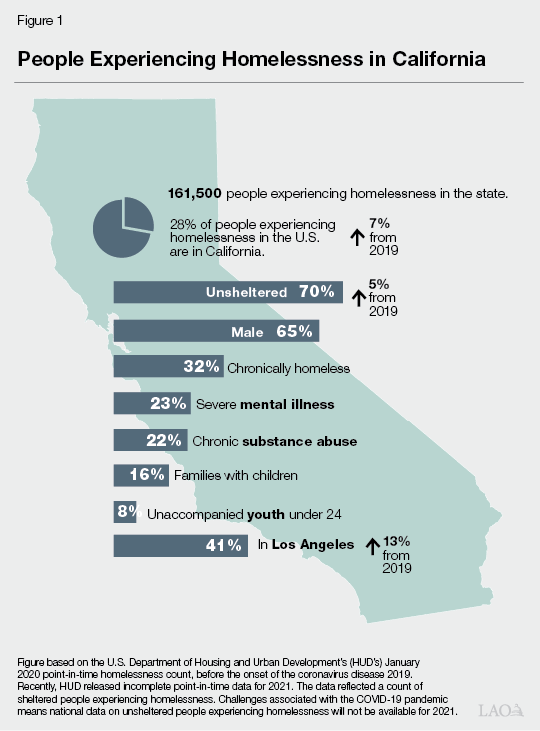
Cities like Los Angeles, San Francisco, and San Diego consistently report some of the highest homeless populations in the United States. Each city grapples with unique challenges. Los Angeles, with its vast urban sprawl, faces logistical hurdles in coordinating services and providing widespread outreach. Its warmer climate, while a draw for tourists, also means less immediate threat from harsh weather, which can paradoxically make outdoor living seem more tolerable, thus reducing the urgency for some individuals to seek shelter. San Francisco’s extremely high housing costs and limited space intensify its crisis, despite extensive local efforts. Oakland and Sacramento also contend with growing populations of unsheltered individuals, reflecting the statewide nature of the problem. These cities are hubs for tourism, business, and culture, and they are actively seeking innovative solutions to ensure a better quality of life for all residents and visitors.

Initiatives to Address the Crisis
California and its municipalities have implemented numerous initiatives to tackle homelessness. These range from emergency shelters and navigation centers that provide immediate refuge and access to services, to permanent supportive housing programs that offer long-term stability with integrated support for mental health and substance abuse. Significant state funding, such as the Homeless Housing, Assistance and Prevention (HHAP) program, has been allocated to local jurisdictions to develop tailored strategies. Non-profit organizations play a crucial role, working alongside government agencies to provide outreach, food, clothing, medical care, and legal assistance. Efforts also include prevention programs aimed at keeping individuals and families from losing their homes in the first place, and rehousing initiatives that help people move quickly from the streets or shelters into stable accommodation. While the scale of the challenge is immense, the commitment to finding sustainable solutions remains strong across the Golden State.
Impact on Travel and Tourism in California
For many, California is synonymous with iconic landmarks, unparalleled natural beauty, and a vibrant cultural scene. The presence of homelessness, particularly in urban areas, is a visible reality that can sometimes shape a traveler’s perception. However, it’s important to understand this within the broader context of the state’s offerings and to approach visits with an informed and empathetic perspective.
Navigating Urban Areas: What Travelers Should Know
When visiting major California cities like Los Angeles, San Francisco, or San Diego, travelers may encounter homeless individuals. While public safety is always a concern for any traveler, it’s generally important to remember that most homeless individuals are not a threat. The vast majority are simply struggling to survive. It’s advisable to remain aware of your surroundings, especially in densely populated areas or at night, as you would in any major city worldwide. Stick to well-trafficked tourist zones, and if approached, a polite but firm “no, thank you” is usually sufficient. Understanding the context – that these individuals are often victims of systemic issues and personal crises, not recipients of “pay-to-be-homeless” schemes – can help foster a more empathetic travel experience. Destinations such as Santa Monica Pier, the Hollywood Walk of Fame, and the areas around the Golden Gate Bridge are popular and generally well-managed, allowing visitors to enjoy their experiences safely.
Preserving the California Experience for All
Despite the challenges, California’s tourism industry remains robust, offering an incredible array of experiences. From the thrilling rides at Disneyland and Universal Studios Hollywood to the serene beauty of Yosemite National Park and the world-renowned wineries of Napa Valley, the state’s appeal is vast and diverse. The tourism sector, including hotels, resorts, and local businesses, plays a vital role in California’s economy and is committed to ensuring a positive experience for all visitors. Many tourism-related businesses and organizations also contribute to local community efforts to address homelessness, understanding that a thriving community benefits everyone, including visitors. They work to maintain clean, safe, and welcoming environments, ensuring that the allure of California as a premier travel destination remains undiminished.
How Travelers Can Engage Responsibly
For travelers who wish to engage with the issue responsibly, there are several avenues. Rather than giving money directly, consider donating to reputable local charities and non-profits that specialize in homelessness services in cities like Los Angeles or San Francisco. Organizations like the Los Angeles Homeless Services Authority (LAHSA) or the Coalition on Homelessness in San Francisco are good starting points. Many hotels and resorts might also have partnerships with local community programs. Learning about the issue and sharing accurate information can also be a powerful way to combat misinformation. By staying informed and supporting ethical tourism practices, visitors can contribute positively to the communities they visit, experiencing California not just as a tourist, but as a temporary, conscientious participant in its ongoing story.
Beyond the Headlines: Experiencing California’s Rich Culture and Attractions
The challenges California faces, including homelessness, are real and significant. However, they do not define the entirety of this vast and vibrant state. For anyone planning a trip, booking accommodation, or simply dreaming of a Californian adventure, the true essence of the Golden State lies in its incredible diversity, innovation, and unwavering spirit. From luxurious stays in Beverly Hills to budget-friendly road trips along the Pacific Coast Highway, California offers an unmatched range of travel experiences.
Iconic Destinations and Vibrant Lifestyles
California boasts an unparalleled collection of world-famous landmarks and attractions. Imagine gazing at the majestic granite cliffs of Yosemite National Park, feeling the desert heat in Death Valley National Park, or cruising the scenic coastline of Big Sur. The state is home to bustling metropolitan areas like Los Angeles, a global center for entertainment, where you can explore Hollywood’s legacy, visit world-class museums, or indulge in diverse culinary experiences. San Francisco captivates with its iconic Golden Gate Bridge, historic cable cars, and dynamic culinary scene. Further north, the serene vineyards of Napa Valley invite wine enthusiasts, while the pristine waters of Lake Tahoe offer year-round outdoor adventures. Each region offers a distinct lifestyle, from the relaxed beach vibes of San Diego to the innovative spirit of Silicon Valley. Travelers can find accommodations ranging from boutique hotels and luxury resorts to charming bed and breakfasts and long-term stay apartments, catering to every preference and budget.
The Enduring Appeal of Californian Adventures
The allure of California extends beyond its famous sites; it’s about the spirit of adventure, innovation, and cultural richness that permeates every corner. Whether you’re seeking a luxury escape with pampering spa treatments, a family-friendly vacation filled with theme park thrills, or a rugged outdoor expedition, California delivers. The state’s commitment to sustainability, its pioneering culinary scene, and its vibrant arts and music culture all contribute to a unique and unforgettable travel experience. The very challenges it faces often spur innovative solutions and community engagement that can also be inspiring to witness.
In conclusion, the claim that California pays people to be homeless is a myth. The state, like many others, provides vital social safety nets designed to prevent and alleviate homelessness, not to encourage it. While homelessness remains a significant issue, driven by complex socio-economic factors, it does not diminish the incredible opportunities and experiences California offers to travelers. By understanding the realities, engaging responsibly, and looking beyond sensational headlines, visitors can truly appreciate the depth, beauty, and enduring appeal of the Golden State, making their journey both enjoyable and enriching. California awaits, ready to offer unforgettable memories, from its majestic landscapes to its vibrant urban centers.
LifeOutOfTheBox is a participant in the Amazon Services LLC Associates Program, an affiliate advertising program designed to provide a means for sites to earn advertising fees by advertising and linking to Amazon.com. Amazon, the Amazon logo, AmazonSupply, and the AmazonSupply logo are trademarks of Amazon.com, Inc. or its affiliates. As an Amazon Associate we earn affiliate commissions from qualifying purchases.