
Facing an unemployment appeal in California can be a daunting experience. It’s a process fraught with legal complexities, emotional stress, and significant financial implications that profoundly impact one’s lifestyle. For many, unemployment benefits are a crucial safety net, providing temporary financial relief while navigating job loss and seeking new employment. When these benefits are denied, or an employer challenges their continuation, the stakes are incredibly high. Winning an appeal isn’t just about money; it’s about reclaiming financial stability, reducing stress, and reaffirming your right to support during a challenging transition. This comprehensive guide aims to demystify the unemployment appeal process in California, offering insights and actionable strategies to significantly improve your chances of a successful outcome, thereby allowing you to regain control over your life and future lifestyle choices.
The process demands meticulous preparation, a clear understanding of state regulations, and the ability to present your case effectively. Ignoring an appeal or approaching it unprepared can lead to prolonged financial hardship and emotional strain. By understanding each step, from the initial denial to the hearing itself, you can transform a seemingly overwhelming challenge into a navigable path towards resolution and renewed peace of mind.
Understanding the California Unemployment System: A Crucial Lifestyle Challenge
When you lose your job, especially unexpectedly, the immediate priority is often financial survival. California’s unemployment insurance program, administered by the Employment Development Department (EDD), is designed to provide temporary income to eligible workers. However, initial applications can be denied for various reasons, ranging from eligibility issues to employer disputes. This denial can be a significant blow to one’s lifestyle, disrupting financial planning and adding immense stress. Understanding why benefits are denied and how the appeal system works is the first critical step toward a successful appeal and regaining control of your financial narrative.
Initial Steps After Denial: Don’t Lose Hope
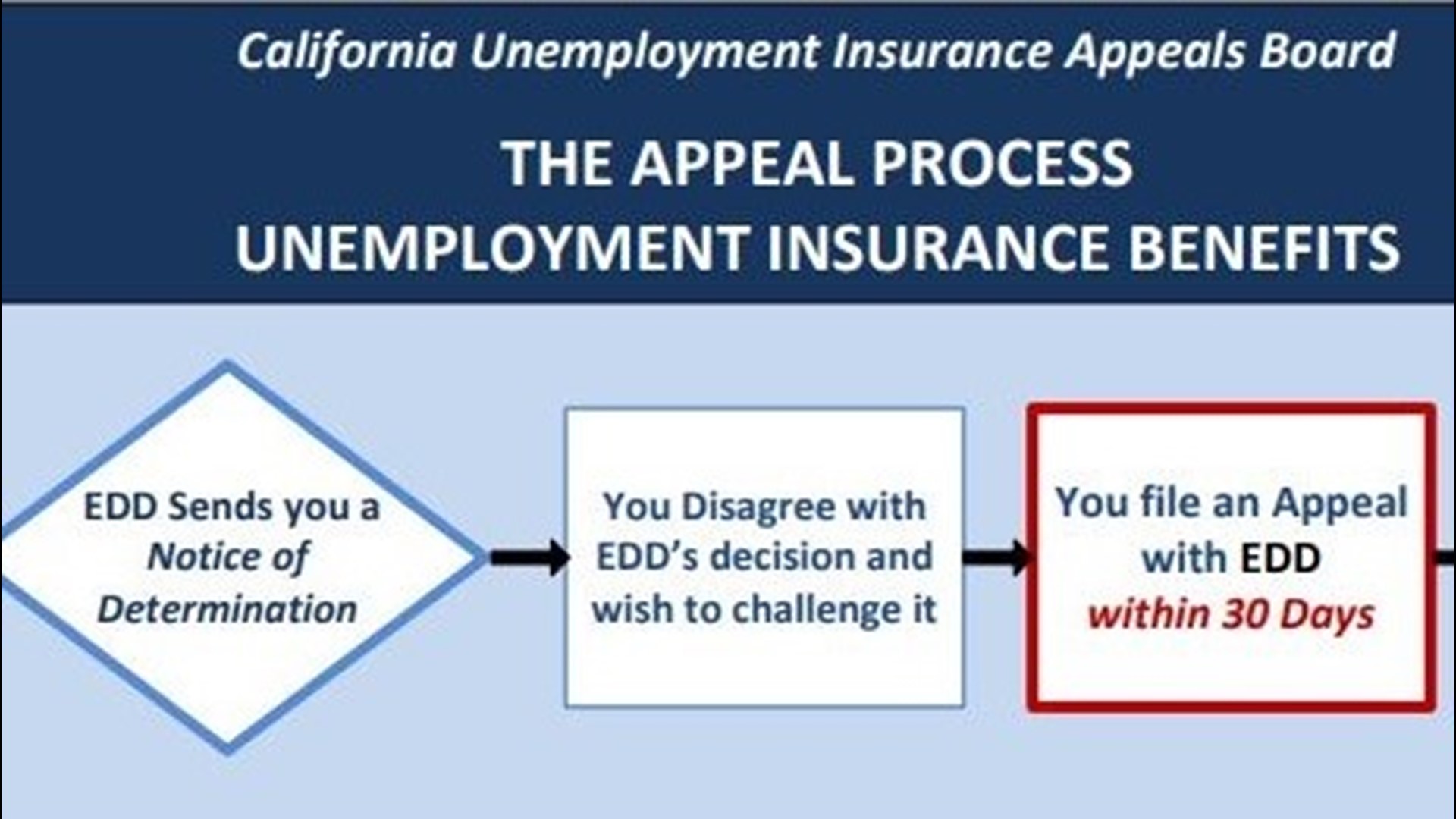
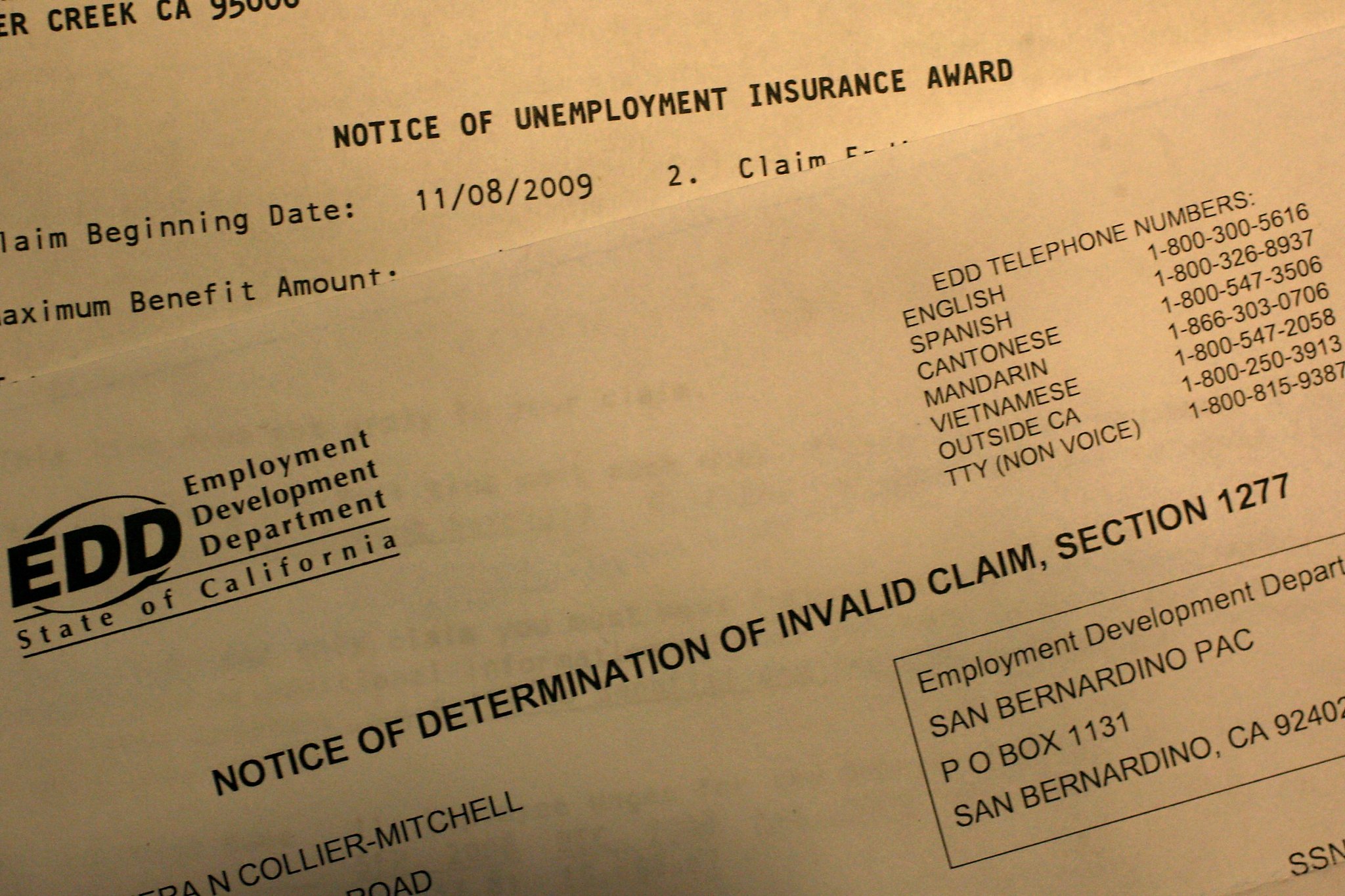
Receiving a Notice of Determination that denies your unemployment benefits is disheartening, but it is not the final word. This notice will clearly state the reason for denial and, crucially, inform you of your right to appeal. The clock starts ticking immediately, usually giving you only 30 days to file a written appeal. Missing this deadline is often fatal to your case, so prompt action is paramount.
Upon denial, thoroughly review the “Notice of Determination” for the specific reason cited by the EDD. Common reasons for denial include:
- Voluntary Quit: The EDD might determine you quit your job without “good cause.”
- Misconduct: Your employer might allege you were fired for “misconduct.”
- Able and Available: The EDD might question your ability or availability to work.
- Not Actively Seeking Work: Failure to meet job search requirements.
Your appeal letter doesn’t need to be extensive; a simple statement expressing disagreement with the EDD’s decision and requesting an appeal hearing is sufficient. However, it’s wise to include your full name, EDD account number, and the determination date. This formal request initiates the next phase: an appeal hearing before an Administrative Law Judge (ALJ) from the California Unemployment Insurance Appeals Board (CUIAB).
Key Players in Your Appeal
Understanding who is involved in the appeal process can help you anticipate the dynamics of the hearing:
- You (The Claimant): Your role is to present your case clearly and persuasively, demonstrating your eligibility for benefits.
- Your Former Employer: They will present their reasons for challenging your benefits or your eligibility. They might argue you quit without good cause or were terminated for misconduct.
- The EDD Representative: Sometimes, an EDD representative may participate, primarily to clarify agency procedures or policies, though they are not an adversarial party in the same way your employer might be.
- The Administrative Law Judge (ALJ): The ALJ is an impartial arbiter who presides over the hearing, listens to testimony, reviews evidence, and makes a decision based on California unemployment law. They are not there to help either side but to ensure a fair process and render a just decision.
Recognizing these roles helps you understand the expectations and potential arguments you will encounter, allowing for more focused preparation and a more confident approach to securing your financial lifestyle.
Preparing Your Case: Building a Robust Defense for Your Future
The success of your appeal hinges almost entirely on the thoroughness of your preparation. This isn’t just about compiling documents; it’s about constructing a compelling narrative that supports your claim under California law. A well-prepared case minimizes surprises and maximizes your ability to present a clear, consistent argument, directly influencing the ALJ’s decision and ultimately, your financial well-being.
Gathering Essential Documents and Evidence
Start by compiling every document related to your employment and termination. This includes:
- Employment Records: Pay stubs, job offers, contracts, performance reviews, warnings, attendance records.
- Correspondence: Emails, letters, text messages between you and your employer regarding your employment, performance, or termination. These can be critical, especially if they contradict your employer’s claims.
- EDD Communications: All notices, letters, and forms you received from the EDD.
- Personal Notes/Diaries: Any contemporaneous notes you kept about incidents, conversations, or dates related to your job loss. These can jog your memory and add credibility.
- Witness Information: Names and contact details of anyone who can corroborate your story. While witnesses are helpful, their testimony should directly support specific points of your case.
Organize these documents chronologically and logically. You will need to submit copies of relevant evidence to the CUIAB and the opposing party (your employer) prior to the hearing. The ALJ will consider only the evidence submitted, so ensure anything you intend to rely on is properly presented.
Understanding the Legal Framework: Your Rights and Responsibilities
California unemployment law is nuanced, and your appeal will be decided based on specific legal definitions.
- Voluntary Quit: To win if you “quit,” you generally must prove you had “good cause” for leaving. This means the reason for quitting was compelling, substantial, and truly left you with no reasonable alternative. Examples include intolerable working conditions, reasonable fear for safety, or a medical necessity.
- Misconduct: If your employer claims you were fired for “misconduct,” they must prove it. “Misconduct” in this context is usually defined as a deliberate disregard of the employer’s interests, a willful breach of duty, or an intentional violation of company policy. Simple incompetence, poor judgment, or isolated instances of negligence typically do not qualify as misconduct.
- Able and Available/Actively Seeking Work: You must be physically and mentally able to work, available for work, and genuinely seeking new employment. Maintain a detailed log of your job search efforts, including dates, companies contacted, positions applied for, and interview outcomes.
Familiarize yourself with the specific section of California Unemployment Insurance Code relevant to your denial. This knowledge empowers you to frame your arguments within the legal definitions the ALJ will use.
Crafting Your Narrative: A Clear and Concise Statement
Before the hearing, prepare a concise written statement outlining your case. This helps you organize your thoughts, ensures you cover all key points, and provides a useful reference during the hearing. Your narrative should:
- State your position clearly: Why do you believe you are eligible for benefits?
- Address the employer’s claims directly: If they claim misconduct, explain why their claim is inaccurate or does not meet the legal definition of misconduct.
- Support your claims with evidence: Refer to specific documents or potential witness testimony.
- Maintain a professional tone: Avoid emotional outbursts or personal attacks. Stick to facts and legal arguments.
Practice explaining your story out loud. The goal is clarity, credibility, and consistency. This structured approach to preparation not only strengthens your case but also helps manage the inherent stress, preparing you for a more confident presentation that protects your current and future lifestyle.
Navigating the Appeal Hearing: Your Moment to Shine
The unemployment appeal hearing is your opportunity to present your side of the story directly to an impartial judge. It’s a semi-formal legal proceeding, but unlike a courtroom drama, it’s designed to be accessible to individuals without legal representation. However, treating it with the seriousness it deserves—understanding the procedures and presenting yourself effectively—is crucial for winning. This moment can profoundly impact your financial recovery and ability to resume a stable lifestyle.
The Role of the Administrative Law Judge (ALJ)
The ALJ is central to the appeal hearing. Their primary responsibilities include:
- Ensuring Fairness: They will ensure both you and your employer have an opportunity to present your cases, ask questions, and introduce evidence.
- Guiding the Hearing: The ALJ will typically begin by explaining the process, identifying the issue at hand (e.g., whether you quit with good cause or were fired for misconduct), and then taking testimony.
- Asking Questions: The ALJ will ask questions of both parties to gather all necessary facts relevant to the legal issue. Be prepared for direct and probing questions.
- Making a Decision: After hearing all testimony and reviewing the evidence, the ALJ will make a decision based on California unemployment law.
It’s important to remember that the ALJ is not your advocate or your employer’s. They are looking for facts and how those facts align with the law. Address the ALJ respectfully, directly, and concisely.
Presenting Your Case Effectively
Your presentation is critical. Here’s how to maximize your impact:
- Be Punctual and Prepared: Arrive on time (or log in early for a phone/video hearing) with all your organized documents.
- Dress Appropriately: Even for phone or video hearings, dressing professionally helps set a serious tone and can boost your own confidence.
- Speak Clearly and Concisely: Answer questions directly. Avoid rambling or introducing irrelevant details. Stick to the facts.
- Listen Carefully: Pay close attention to questions from the ALJ and your employer. If you don’t understand a question, politely ask for clarification.
- Refer to Your Evidence: When making a point, mention specific documents or testimony that support it. For example, “As shown in Exhibit A, my employer’s email from [date] confirms…”
- Stay Calm and Professional: The appeal process can be stressful, but emotional outbursts or personal attacks undermine your credibility. Focus on the facts and legal arguments. If your employer makes statements you disagree with, make a note and calmly address them when it’s your turn.
Cross-Examination: What to Expect and How to Respond
Both you and your employer will have the opportunity to ask each other questions. This is called cross-examination.
- Employer’s Questions to You: Your employer will likely try to poke holes in your story or highlight inconsistencies. Stay calm. Answer truthfully and stick to the facts you’ve prepared. If you don’t know an answer, it’s okay to say so. Avoid guessing.
- Your Questions to Your Employer: This is your chance to challenge their claims, expose weaknesses in their evidence, or elicit information favorable to your case. Before the hearing, jot down questions you want to ask based on their initial statements or the EDD’s denial letter. Focus on questions that are factual and can be supported by evidence. For example: “Can you show me where in my personnel file there is a written warning about the incident you’re describing?” or “Can you provide documentation of this policy violation?”
A successful appeal hearing often boils down to preparation, clear communication, and the ability to present your case factually and credibly. By mastering these elements, you significantly increase your chances of securing the benefits you need to stabilize your financial situation and manage your lifestyle during a transitional period.
Post-Hearing Procedures and What Comes Next
After your appeal hearing concludes, the process isn’t immediately over. There are crucial steps and potential further actions that can affect the final outcome and your ability to finally reclaim financial stability. Understanding these post-hearing procedures is vital for managing your expectations and preparing for any additional necessary actions, ensuring your efforts to secure your lifestyle are fully realized.
Awaiting the Decision
The ALJ typically issues a written decision within a few days to a few weeks after the hearing. This decision will be mailed to both you and your former employer. The notice will clearly state whether your appeal was granted or denied and will include the findings of fact and the legal reasoning for the decision.
- If You Win: Congratulations! The decision will outline when your benefits will begin (or resume) and often includes payment for any backlogged weeks you were eligible for but not paid.
- If You Lose: Don’t despair immediately. The notice will also inform you of your right to a further appeal to the CUIAB itself. This is a critical next step if you believe the ALJ made a legal or factual error.
It’s important to carefully review the decision regardless of the outcome. If you win, ensure the terms are correct. If you lose, understanding the ALJ’s reasoning is key to formulating your next appeal.
Further Appeal Options: The Board and Beyond
If the ALJ denies your appeal, you have the right to appeal that decision to the California Unemployment Insurance Appeals Board (CUIAB). This is typically a paper review, meaning there isn’t another in-person hearing. The CUIAB will review the record of your previous hearing, including all testimony and evidence, and the ALJ’s decision.
- Filing a CUIAB Appeal: You will again have a strict deadline (usually 30 days) to file a written appeal with the CUIAB. Your appeal should clearly state why you believe the ALJ’s decision was incorrect – perhaps they misinterpreted a fact, misapplied the law, or overlooked crucial evidence.
- CUIAB Decision: The Board can affirm the ALJ’s decision, reverse it, or send the case back for another hearing. This process can take several weeks or even months.
Should the CUIAB also deny your appeal, your final recourse within the administrative system is to file a petition for judicial review in the California Superior Court. This is a more complex legal proceeding and usually requires the assistance of an attorney. While possible, most appeals are resolved at the ALJ or CUIAB level.

Reclaiming Your Financial Stability and Peace of Mind
Winning an unemployment appeal is more than just receiving benefit payments; it’s about validating your claim and providing the essential financial bridge needed to maintain your lifestyle and focus on future employment. During the appeal process and afterward, continue to:
- Actively Seek Work: Regardless of the appeal’s status, you must continue to meet work search requirements to remain eligible for benefits.
- Manage Your Finances: Even with benefits, budgeting is crucial. Explore resources for financial planning during unemployment to stretch your funds.
- Prioritize Your Well-being: Job loss and appeals are stressful. Seek support from friends, family, or professional networks. Maintaining your mental and physical health is paramount for a successful job search and overall lifestyle management.
Successfully navigating an unemployment appeal in California is a testament to perseverance and meticulous preparation. By understanding the process, building a strong case, and effectively presenting your position, you empower yourself to overcome a significant challenge and secure the financial stability necessary to transition confidently into your next chapter and desired lifestyle.
LifeOutOfTheBox is a participant in the Amazon Services LLC Associates Program, an affiliate advertising program designed to provide a means for sites to earn advertising fees by advertising and linking to Amazon.com. Amazon, the Amazon logo, AmazonSupply, and the AmazonSupply logo are trademarks of Amazon.com, Inc. or its affiliates. As an Amazon Associate we earn affiliate commissions from qualifying purchases.