
The question of whether 32 hours constitutes full-time employment in California is more than just a legal technicality; it’s a profound discussion about the future of work, individual well-being, and the very fabric of our modern lifestyle. In a state known for its progressive policies and innovative spirit, the idea of redefining the standard work week from 40 hours to 32 has gained significant traction, reflecting a global movement towards greater work-life balance and enhanced productivity. For residents, businesses, and those considering business stays or relocation to the Golden State, understanding this evolving landscape is crucial for navigating personal and professional choices.
Historically, the 40-hour work week has been the bedrock of full-time employment in the United States since the mid-20th century. This standard has dictated everything from benefits eligibility to overtime calculations and has profoundly shaped the daily rhythm of millions. However, advancements in technology, a heightened focus on mental health, and the lessons learned from remote work during the pandemic have accelerated conversations about whether this long-standing model remains optimal. California, often a bellwether for national trends, finds itself at the forefront of this reevaluation, exploring legislative changes that could fundamentally alter what it means to be a full-time employee.
The Evolving Definition of Full-Time Work in the Golden State
The traditional definition of full-time work, typically 40 hours per week, has long been the gold standard, deeply embedded in employment contracts, benefit structures, and societal expectations. This model emerged from the industrial era, designed to maximize output and standardize labor practices across various sectors. For decades, it provided a clear framework for both employers and employees, delineating the responsibilities and rewards associated with consistent, dedicated work. However, the world of work is anything but static. The advent of the knowledge economy, the rise of automation, and an increasing awareness of employee well-being have prompted a critical re-examination of this entrenched norm.
Traditional Full-Time vs. Modern Adaptations
The 40-hour week, spread across five days, defines the traditional full-time model. It’s the benchmark against which part-time employment is measured, and it often serves as a prerequisite for accessing comprehensive benefits such as health insurance, retirement plans, and paid time off. This structure has dictated the pace of life for generations, influencing everything from family schedules to leisure pursuits.
Yet, modern workplaces are increasingly experimenting with alternative models. Compressed workweeks, flexible schedules, and indeed, shorter overall workweeks, are gaining traction globally. Companies in various countries have piloted four-day, 32-hour workweeks with promising results, reporting increased employee satisfaction, reduced burnout, and, critically, maintained or even improved productivity. These adaptations challenge the long-held assumption that more hours directly equate to more output, suggesting that focus, efficiency, and well-rested employees might contribute more to an organization’s success. This shift reflects a broader societal desire for a healthier balance between professional obligations and personal life, recognizing that an individual’s lifestyle extends far beyond their workplace.
California’s Unique Labor Landscape
California has a well-deserved reputation for its progressive labor laws and its proactive stance on worker protections. From robust minimum wage standards to comprehensive workplace safety regulations and strong employee rights, the state frequently leads the nation in advocating for the workforce. This progressive ethos naturally extends to discussions around work hours and employee well-being. The culture of innovation that defines California, particularly in tech hubs like Silicon Valley, also fosters an environment where new ideas about work structures are not just entertained but actively explored. The state’s diverse economy, spanning agriculture, manufacturing, entertainment, and technology, means that any legislative changes to the work week would have far-reaching implications across a multitude of industries and for millions of Californians.
The Legislative Push for a 32-Hour Work Week
The discussions surrounding a 32-hour work week in California are not merely academic; they are actively shaping legislative proposals that could fundamentally redefine the employment landscape. These initiatives reflect a growing consensus that current work models may not be sustainable or optimal for modern society.
Assembly Bill 2932 and Its Implications
A notable example of this legislative ambition was Assembly Bill 2932, introduced in the California State Assembly in 2022. This bill proposed to establish a 32-hour work week for companies with more than 500 employees, mandating that any hours worked beyond 32 in a week be compensated as overtime. Crucially, the bill stipulated that employees’ pay and benefits could not be reduced as a result of the shorter work week. While Assembly Bill 2932 ultimately did not advance, its introduction signaled a serious legislative intent to explore and potentially implement a reduced work week. The bill sparked widespread debate, highlighting the complex interplay between worker welfare, business viability, and economic competitiveness. It brought to the forefront questions about productivity, the cost of labor, and the state’s role in shaping the future of employment. Even in its non-passage, it set a precedent for future legislative efforts and demonstrated the political will to consider such a significant change.
The Rationale: Productivity, Well-being, and Lifestyle
The rationale behind advocating for a shorter work week is multifaceted, focusing on improving individual well-being and, paradoxically, boosting overall productivity. Proponents argue that a 32-hour work week can lead to:
- Improved Work-Life Balance: More personal time allows individuals to better manage family responsibilities, pursue hobbies, engage in community activities, and dedicate time to self-care, leading to reduced stress and enhanced overall life satisfaction. This directly impacts one’s lifestyle, offering more opportunities for activities like family trips or personal development.
- Reduced Burnout and Enhanced Mental Health: The relentless pace of a 40-hour week, often coupled with long commutes, can contribute to chronic stress and burnout. A shorter week can provide much-needed respite, leading to better mental and physical health outcomes for employees.
- Increased Productivity and Focus: Studies from companies that have adopted shorter work weeks often report that employees become more efficient and focused during their working hours. Knowing they have less time to complete tasks can incentivize better time management and reduce procrastination, leading to the same, if not greater, output in fewer hours.
- Environmental Benefits: A shorter work week could potentially reduce daily commutes, leading to a decrease in carbon emissions and traffic congestion, particularly in sprawling urban areas like Los Angeles and San Francisco.
These benefits paint a compelling picture for a healthier, more engaged workforce, contributing to a higher quality of life for Californians and potentially making the state an even more attractive place to live and work.
Lifestyle Impact: What a 32-Hour Week Means for Californians
Should a 32-hour work week become the norm in California, the ripple effects on individual lifestyles would be profound and far-reaching. It’s not just about spending less time at the office; it’s about a fundamental restructuring of personal time, economic planning, and the very attractiveness of the state as a place to live and work.
Enhanced Work-Life Balance and Personal Time
The most immediate and tangible benefit for individuals would be a significant increase in discretionary time. An extra eight hours per week, especially if it translates to a three-day weekend, opens up a world of possibilities. Imagine more time for hobbies, educational pursuits, volunteer work, or simply relaxing and recharging. Parents could spend more quality time with their children, participating more actively in their education and extracurriculars. Individuals could dedicate more effort to health and wellness, engaging in fitness activities, preparing healthier meals, or prioritizing sleep. This shift would foster a more balanced lifestyle, reducing stress and improving overall well-being. For those considering luxury travel or more frequent family trips within or outside California, a shorter work week provides both the time and potential mental space to plan and enjoy such experiences without the pressure of a looming five-day work grind. It fundamentally redefines how one experiences life outside of work.
Economic Considerations and Business Stays

While the lifestyle benefits for employees are clear, the economic implications for businesses and the broader economy in California are complex. For companies, a mandatory 32-hour week without a reduction in pay would represent a significant increase in labor costs per hour. This could lead to businesses needing to hire more staff to maintain output, or investing more heavily in automation to enhance efficiency. Start-ups and small businesses might face particular challenges in adapting to such a change.
For individuals, especially those contemplating business stays in California or considering long-term relocation, these economic shifts are crucial. If wages remain competitive and benefit packages are maintained, the prospect of a shorter work week could be a powerful incentive. However, if businesses react by slowing hiring or relocating, it could impact job availability and economic growth. The legislation would need to carefully balance worker protection with economic feasibility to ensure California remains a vibrant and attractive place for both talent and enterprise. The policy would also need to consider how it impacts employees paid hourly versus salaried, and how overtime rules would apply consistently.
Attracting Talent and Shaping the Future Workforce
A 32-hour full-time work week could position California as a trailblazer in modern labor practices, potentially attracting a new wave of talent seeking improved work-life integration. In a competitive global job market, offering a superior work-life balance could be a significant differentiator, drawing skilled professionals and innovative thinkers to the state. This could particularly appeal to younger generations who prioritize flexibility and well-being over traditional career ladders. California could become a magnet for individuals who value a lifestyle that allows for robust professional engagement alongside rich personal experiences. This leadership could also inspire other states and even nations to consider similar changes, further solidifying California’s role as a progressive leader in shaping the future workforce and the way people live and work globally.
Navigating the Current Legal Framework and Future Outlook
Understanding the current legal landscape surrounding full-time employment in California is essential for appreciating the magnitude of a potential shift to a 32-hour standard. While legislative proposals hint at a future change, the present reality operates under established definitions.
Current Full-Time Definitions in California Law
Currently, there is no single, universally codified legal definition of “full-time” employment under California state law for all purposes. However, for most practical applications, 40 hours per week is the prevailing standard.
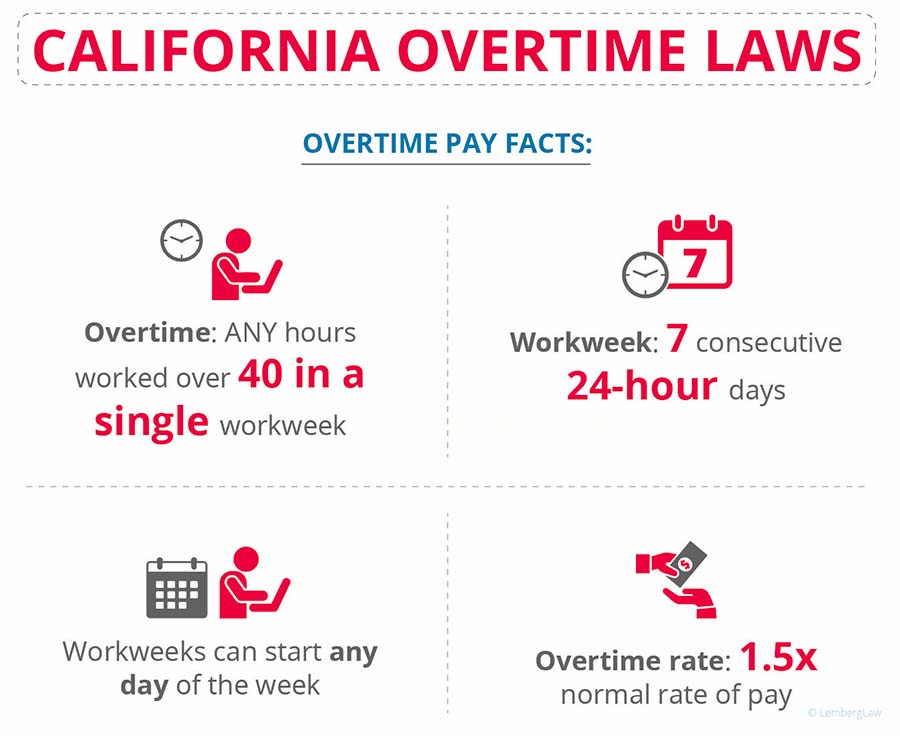
- Overtime: Under California law, non-exempt employees are generally entitled to overtime pay (1.5 times their regular rate of pay) for all hours worked over 8 hours in a workday or 40 hours in a workweek, and double their regular rate for hours over 12 in a workday or 8 hours on the seventh consecutive day of work in a workweek. This implicitly sets 40 hours as the baseline for a standard workweek.
- Benefits Eligibility: For the purpose of benefits like health insurance, employer policies often define full-time status as 30 or 40 hours per week. The Affordable Care Act (ACA), for instance, defines full-time employment as working an average of at least 30 hours per week, or 130 hours per month, for purposes of employer shared responsibility provisions. This means many employers already consider 30 hours a threshold for offering health benefits, even if 40 hours remains the common operational definition of a standard work week.
- Paid Sick Leave and Other State Mandates: Many of California’s progressive labor laws, such as paid sick leave accrual, apply to most employees regardless of their full-time or part-time status, though the rate of accrual might be proportional to hours worked.
Therefore, while 32 hours could qualify an employee for certain benefits under current ACA rules, it is generally not considered the standard “full-time” workweek for overtime purposes or most employer-defined benefits without specific company policy or legislative change. Any move to redefine full-time as 32 hours would necessitate a comprehensive overhaul of these existing frameworks.
Challenges and Opportunities for Implementation
Implementing a 32-hour full-time work week across California would present both significant challenges and unparalleled opportunities.
Challenges:
- Increased Labor Costs: For many businesses, maintaining current pay levels for fewer hours would directly increase labor costs, potentially impacting profitability and competitiveness.
- Operational Adjustments: Industries that rely on continuous operations (e.g., manufacturing, healthcare, retail) would need complex scheduling adjustments, potentially requiring more staff or significant operational rehauls.
- Wage Equity: Ensuring that hourly workers do not see a reduction in pay would be a critical concern, particularly in lower-wage sectors where every hour counts.
- Global Competitiveness: Concerns might arise that California businesses could be at a disadvantage compared to those in states or countries with longer standard work weeks.
Opportunities:
- Innovation and Efficiency: Businesses might be compelled to innovate, adopting new technologies and optimizing processes to achieve the same output in less time, leading to long-term efficiency gains.
- Employee Engagement: Enhanced work-life balance could lead to more engaged, loyal, and productive employees, reducing turnover and attracting top talent.
- Economic Stimulus: Increased leisure time could stimulate local economies, particularly in sectors like hospitality, entertainment, and personal services, as individuals have more time to spend their earnings.
- Pioneering a New Standard: California has the opportunity to lead the nation, and perhaps the world, in establishing a new, more humane and sustainable standard for work, demonstrating that economic prosperity and worker well-being are not mutually exclusive.
The success of such a transition would hinge on thoughtful legislative design, robust support programs for businesses, and a willingness from all stakeholders to adapt to a new paradigm.
Broader Lifestyle Implications for Residents and Visitors
Beyond the immediate impact on work schedules and economic models, a move to a 32-hour full-time work week in California would ripple through the broader lifestyle of its residents and even influence the experience of visitors. This shift represents a potential cultural evolution, reshaping how people interact with their communities, manage their personal lives, and perceive their leisure time.
The Ripple Effect on Local Economies and Tourism
An increase in free time for millions of Californians could significantly boost local economies, particularly in sectors geared towards leisure and services. With more time available for personal pursuits, individuals might engage more frequently in activities such as dining out, attending cultural events, exploring local parks and attractions, or taking short regional trips. This could translate into increased revenue for restaurants, entertainment venues, small businesses, and local tourism operators across the state, from the bustling streets of San Diego to the vineyards of Napa Valley and the serene coasts of Big Sur. A more vibrant local economy, fueled by increased discretionary time and spending, could enhance the quality of life for residents and create new opportunities for entrepreneurs.
For visitors, a state where residents enjoy a better work-life balance might project an image of a more relaxed and desirable destination. While not directly affecting tourists’ work schedules, it could contribute to a more positive and energetic atmosphere in local communities, making for a more enjoyable travel experience. It might also lead to a greater array of services and activities available during what are traditionally off-peak hours, catering to the newly expanded leisure time of Californians.

A Precedent for Other States and Global Trends
California’s decision on the 32-hour work week would undoubtedly serve as a significant precedent, not just for other states in the U.S. but also on the global stage. Given California’s economic size and cultural influence, any successful implementation of a reduced work week could accelerate similar movements elsewhere. Other regions facing similar challenges of worker burnout, declining well-being, and the desire for enhanced productivity might look to California’s experience as a model.
This leadership could position California as a pioneer in shaping a more sustainable and human-centric future of work, where the definition of full-time evolves to better suit the needs of modern society. It would underscore a shift in lifestyle priorities, moving away from a purely work-centric existence towards one that values holistic well-being, personal growth, and community engagement. The question of “Is 32 hours full-time in California?” is therefore much more than a policy debate; it’s a window into a potential future where work is integrated into a richer, more balanced lifestyle for everyone.
LifeOutOfTheBox is a participant in the Amazon Services LLC Associates Program, an affiliate advertising program designed to provide a means for sites to earn advertising fees by advertising and linking to Amazon.com. Amazon, the Amazon logo, AmazonSupply, and the AmazonSupply logo are trademarks of Amazon.com, Inc. or its affiliates. As an Amazon Associate we earn affiliate commissions from qualifying purchases.