
The question of whether honeysuckle, with its intoxicating fragrance and delicate blooms, graces the landscape of California in November is a nuanced one, reflecting the Golden State’s remarkable botanical diversity and varied climatic zones. While many varieties of honeysuckle are typically associated with spring and summer blossoms, California’s unique Mediterranean climate, coupled with the specific characteristics of certain species, means that glimpses of honeysuckle can indeed be found, even as autumn deepens and winter approaches. This extends beyond a simple botanical query; it touches upon the captivating allure of California as a travel destination, where the natural world offers unexpected beauty for those seeking unique experiences. Understanding the intricate relationship between honeysuckle species, regional climates, and visitor expectations can unlock a deeper appreciation for the state’s natural charm, influencing travel itineraries and fostering a connection with local flora. For travelers exploring destinations from the sun-drenched coast to the snow-capped mountains, a keen eye for nature’s subtle shifts reveals why California remains a captivating locale year-round.
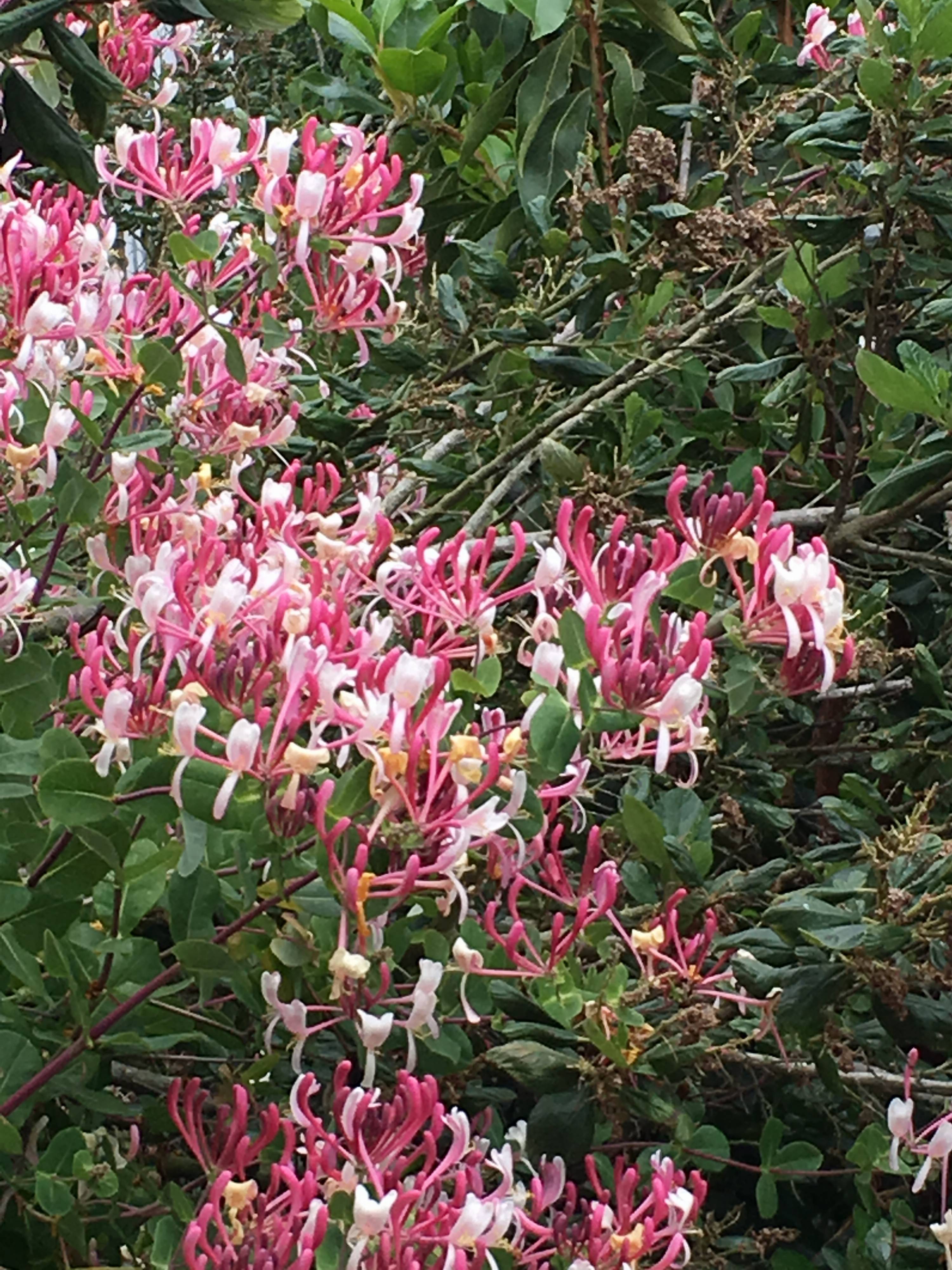
The Diverse World of Honeysuckle in California
California’s vast geographical spread, encompassing everything from arid deserts to temperate rainforests, creates a kaleidoscope of microclimates that dictates which plants thrive where and when. Honeysuckle, a genus (Lonicera) renowned for its fragrant flowers and often vigorous growth, manifests in numerous forms across the state, each with its own preferred growing conditions and blooming calendar. This botanical richness is a significant draw for tourism and lifestyle enthusiasts who appreciate the intricate details of local ecosystems.
Native vs. Non-Native Species
To truly answer the question about November blooms, it’s essential to distinguish between the native honeysuckle species indigenous to California and those that have been introduced, some of which have become naturalized or even invasive. Each plays a distinct role in the landscape and offers varied blooming periods.
Native California honeysuckles are often well-adapted to the state’s dry summers and wet winters, making them resilient and ecologically valuable. One prominent example is the California honeysuckle (Lonicera hispidula). This graceful vine, particularly its variety, Pink-flowered honeysuckle (Lonicera hispidula var. vacillans), typically blooms from spring into early summer, showcasing delicate pink to yellowish flowers. While its primary bloom period is not November, in exceptionally mild autumns or specific sheltered locations, some lingering flowers might persist or even re-emerge in a sparse, off-season display.
Another native gem is the [Chaparral honeysuckle](https://lifeoutofthebox.com/lonicera-subspicata* (Lonicera subspicata), found predominantly in Southern California‘s chaparral and coastal sage scrub habitats. Its bloom season is generally late spring to early summer. The Giant honeysuckle (Lonicera ciliosa), a more vigorous climber found in northern parts of the state, offers showy orange-red flowers typically in spring. Similarly, the Trumpet honeysuckle (Lonicera sempervirens), though native to the eastern United States, is widely cultivated and can sometimes offer a sporadic rebloom in fall if conditions are favorable. In contrast, the Desert honeysuckle (Anisacanthus thurberi), found in California’s desert regions, produces vibrant orange-red flowers over a long season, sometimes extending well into fall, particularly in areas with milder autumns. Its adaptation to arid conditions means it operates on a slightly different schedule than its more temperate relatives.
On the other hand, introduced species present a different story. Japanese honeysuckle (Lonicera japonica), for instance, is an aggressive, invasive species across much of the United States, including parts of California. While its invasiveness is a concern, it is known for its extended blooming period, often flowering from spring through fall and occasionally into mild winters. Its persistent nature means it might still be found with blooms in November, particularly in the warmer, less frost-prone regions of Southern California or the protected microclimates of the San Francisco Bay Area. Another non-native but less invasive option, the Winter honeysuckle (Lonicera fragrantissima), is specifically named for its winter bloom, though it’s more common in colder climates. In California, it might start to show blooms in late November if temperatures drop sufficiently and consistently, signaling its late-season appeal. The observation of these various species provides unique opportunities for travelers to engage with the botanical wonders of California, whether they are seeking out native flora in natural preserves or simply enjoying garden displays.
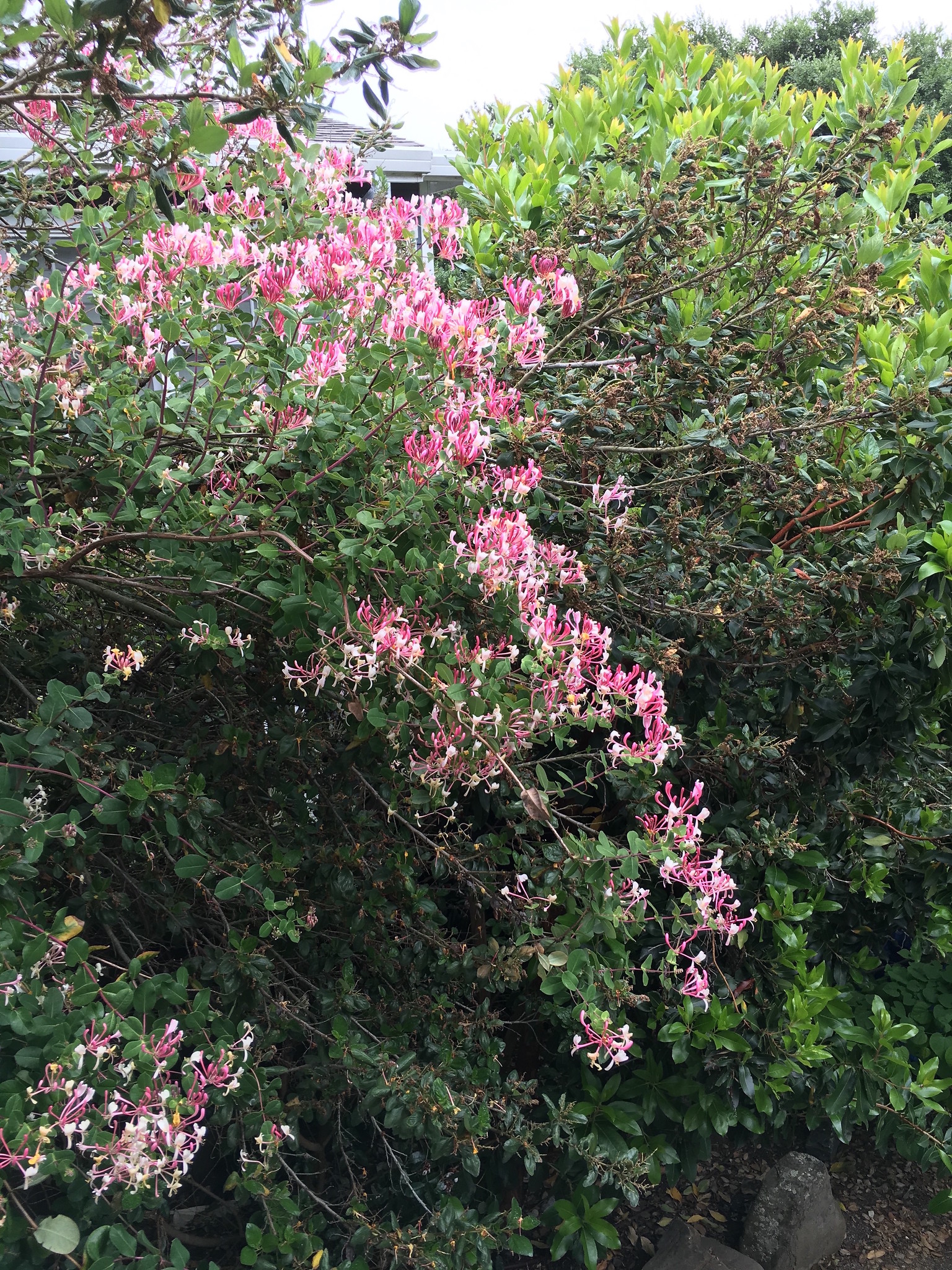
Understanding California’s Climate Zones
California is a land of climatic extremes and subtle variations, a crucial factor when discussing plant growth in November. The state is broadly categorized into several distinct climate zones, each influencing the local flora’s behavior:
- Southern California: Characterized by a warm Mediterranean climate, with mild, wet winters and hot, dry summers. Cities like Los Angeles and San Diego experience generally frost-free winters, meaning many plants, including some honeysuckles, can extend their blooming or foliage retention well into late autumn and early winter.
- Northern California: While still largely Mediterranean climate along the coast (e.g., San Francisco Bay Area), it experiences cooler, wetter winters and often milder summers than the south. Inland areas like the Central Valley can have significant winter frosts.
- Sierra Nevada: This mountainous region has distinct alpine climates, with cold, snowy winters, making November a period of dormancy for most honeysuckle species. Yosemite and Lake Tahoe are prime examples of this colder climate.
- Pacific Coast: The immediate coastal strip, from Big Sur to the Redwood Empire, benefits from ocean moderation, resulting in very mild temperatures year-round. Fog often plays a significant role in plant hydration here.
- Desert Regions: Areas like the Mojave and Colorado deserts experience extreme temperature fluctuations but can have specific plant species adapted to bloom following infrequent rains, potentially in late fall.
These regional differences are also reflected in the USDA Plant Hardiness Zones, which vary significantly across California, ranging from zone 5a in high elevations to 11a along the warmest coasts. A November bloom of honeysuckle is far more probable in zones 9-11 than in zones 5-7. This zonal knowledge is crucial for accommodation providers, particularly those offering garden views or promoting local flora, as it informs their landscaping choices and the tourism experiences they can offer. A hotel in Santa Barbara, for instance, might proudly feature blooming honeysuckle in its gardens in November, while a resort in Lake Tahoe would focus on coniferous evergreens.
November’s Bloom: A Seasonal Exploration
For many, November signals the end of the vibrant growing season, yet in California, this assumption doesn’t always hold true. The state’s unique geographical and climatic profile creates conditions where autumn can sometimes feel like a second spring for certain flora, including specific honeysuckle varieties. This phenomenon adds an unexpected layer to the travel experience, inviting visitors to observe nature’s resilience.
When November Brings Surprises
While the peak blooming season for most honeysuckles is undoubtedly spring and summer, several factors contribute to the possibility of encountering honeysuckle flowers in November. Mild, extended autumns, particularly in Southern California and along the Pacific Coast, can trick plants into producing a secondary flush of blooms. If early frosts are delayed, or if temperatures remain consistently above freezing, species known for their long blooming periods, such as the persistent Japanese honeysuckle (an invasive but widespread variety) or even the cultivated Trumpet honeysuckle, might continue to display their fragrant flowers.
Furthermore, some non-native varieties are explicitly bred or known for their late-season interest. The aforementioned Winter honeysuckle is a prime example; while more common in colder climates where it heralds the end of winter, in California, it might begin to unfurl its intensely fragrant, creamy-white flowers as early as late November, lasting through December and January. These unexpected blooms offer a unique sensory experience for travelers, adding an element of surprise to nature walks or garden tours. Imagine the delight of encountering the sweet scent of honeysuckle against the backdrop of changing autumn leaves, a truly distinct California moment. This late-season beauty can be a draw for tourism, especially for those seeking tranquil botanical exploration away from peak summer crowds.
Regional Nuances in Late-Season Growth
The likelihood of discovering honeysuckle in bloom during November is highly dependent on specific regional conditions across California.
In Southern California, particularly in coastal areas around Los Angeles, San Diego, and Santa Barbara, the mild winters and often warm Novembers make late-season blooms more probable. Gardens, parks, and even wilder spaces might feature lingering honeysuckle blossoms, especially if they are in sheltered locations or microclimates. The persistent nature of some cultivated varieties, benefiting from consistent irrigation, also contributes to this extended show.
Moving north, the San Francisco Bay Area also enjoys a relatively mild Mediterranean climate. Here, cultivated honeysuckles in urban gardens or botanical collections might still be found in flower in November, particularly if autumn has been exceptionally temperate. The famed microclimates of the Bay Area mean that a plant blooming in one neighborhood might be dormant just a few miles away.
The wine regions of Napa Valley and Sonoma County, while known for their vineyards, also feature diverse landscapes. While colder inland valleys might see honeysuckles enter dormancy sooner, warmer, protected slopes could surprise with late blooms. Wineries and boutique hotels in these areas often meticulously landscape their grounds, and some might incorporate late-blooming honeysuckle varieties to extend seasonal interest, offering a pleasant backdrop for wine tourism.
In stark contrast, regions like the Sierra Nevada, encompassing natural wonders such as Yosemite and recreational hubs like Lake Tahoe, experience much colder conditions in November. Here, honeysuckle species, if present, would have long since completed their blooming cycle and entered dormancy, their leaves likely dropped or withered. The focus shifts from blooms to the grandeur of evergreen conifers and the advent of snow.

Along the dramatic Big Sur coastline, the moderating influence of the Pacific Ocean can prolong the growing season. Native honeysuckles in this region might hold onto their foliage longer, and in particularly mild years, an occasional bloom might appear. This rugged, scenic stretch offers a profound connection to nature, where even a single honeysuckle flower can be a notable discovery amidst the sweeping ocean views and ancient redwoods. For those interested in lifestyle travel focusing on natural beauty and tranquility, observing these subtle botanical shifts is part of the allure.
Honeysuckle and California’s Ecosystem: More Than Just a Pretty Plant
Beyond their aesthetic appeal and delightful fragrance, honeysuckles play a vital ecological role in California’s diverse habitats. Their presence, whether native or naturalized, contributes significantly to the local ecosystem, impacting wildlife and influencing plant communities. For travelers interested in sustainable tourism and the natural heritage of the destinations they visit, understanding these connections enhances the overall experience.
A Haven for Wildlife
Honeysuckle plants are essential nectar sources for various pollinators. Their tubular flowers are perfectly adapted for long-tongued insects and birds. In California, hummingbirds are particularly attracted to the vibrant colors and sweet nectar of honeysuckle blooms. Species like the native California honeysuckle and the cultivated Trumpet honeysuckle are magnets for these energetic birds, providing crucial sustenance during their active seasons. Even a late November bloom can offer a vital energy boost for overwintering or migrating hummingbirds.
Beyond nectar, honeysuckle plants also produce berries, which, while not always palatable to humans (some can be mildly toxic), are a significant food source for many bird species. Thrushes, robins, and waxwings feast on the berries, helping to disperse the seeds and contributing to the plant’s spread. The dense foliage of honeysuckle vines also provides excellent cover and nesting sites for small birds and mammals, offering refuge from predators and the elements. This intricate web of life, supported by plants like honeysuckle, forms a fundamental aspect of California’s natural attractions, making areas rich in flora prime destinations for birdwatching and wildlife photography, a popular travel niche. Observing these interactions adds a layer of depth to any nature-focused trip, enriching the lifestyle of those who prioritize ecological awareness.
Integrating Honeysuckle into Sustainable Landscapes
In the context of modern landscaping and conservation efforts, honeysuckle’s role is viewed with a careful eye. Native honeysuckle species are increasingly valued for their drought tolerance, adaptability to local conditions, and support for native wildlife, aligning with principles of sustainable gardening. Promoting and planting native varieties like California honeysuckle helps preserve local biodiversity and reduce the need for excessive water or chemical inputs. Many public gardens and private residences across California are embracing native plant landscaping, turning their spaces into showcases of local flora.
Conversely, the invasive nature of species like Japanese honeysuckle poses a challenge. Its rapid growth can smother native vegetation, reducing biodiversity and altering habitats. Conservation efforts often focus on managing and removing such invasive species to restore ecological balance. For tourism operators and accommodation providers, particularly those operating ecotours or promoting responsible travel, highlighting the distinction between native and non-native species and supporting native plant initiatives can enhance their brand image and contribute to local conservation. Many hotels in areas like Napa Valley or Santa Barbara are now incorporating native plant gardens not just for aesthetics but also to demonstrate their commitment to environmental stewardship, offering guests a glimpse into California’s authentic natural beauty. This mindful approach to landscaping becomes an educational attraction in itself, reflecting a sustainable lifestyle choice.
Experiencing California’s Flora: A Traveler’s Guide
For visitors to California, the possibility of encountering honeysuckle in November, even sporadically, adds a fascinating dimension to exploring the state’s natural beauty. It transforms a simple scenic drive into a botanical treasure hunt and encourages a deeper engagement with the environment. This perspective aligns perfectly with travel trends favoring authentic and immersive experiences, where discovering local flora is as rewarding as visiting a major landmark.
Best Times and Places to Observe Honeysuckle
While peak honeysuckle season is generally spring and early summer, a late November search for blooms would be most fruitful in the warmer, less frost-prone regions of California.
- Southern California Coastal Areas: Areas around Los Angeles, San Diego, and Santa Barbara offer the highest probability. Explore botanical gardens like the Huntington Library, Art Museum, and Botanical Gardens in San Marino, or Balboa Park in San Diego. Public parks and nature preserves with established trails, especially those near the coast, may still host lingering blooms of various honeysuckle species. Even roadside vegetation can offer surprises.
- San Francisco Bay Area: While cooler than the south, the Bay Area’s mild climate can support late-season blooms. Visit the UC Botanical Garden at Berkeley or the San Francisco Botanical Garden in Golden Gate Park. These curated collections often feature a wide array of plants, increasing the chance of spotting an out-of-season bloomer.
- Private Gardens and Estate Tours: Many private estates, particularly in wine country like Napa Valley and Sonoma County, or along the Santa Barbara coast, feature meticulously maintained gardens that might include late-blooming honeysuckles. Some of these are accessible through tours or by staying at boutique hotels that embrace lush landscaping.
For those interested in native species, national and state parks in Southern California might reveal persistent foliage or the occasional bloom of Chaparral honeysuckle if the autumn has been unusually mild. Always remember to observe plants without disturbing them, especially in protected areas. This mindful approach enhances the tourism experience, making it both enriching and responsible.
Planning Your Botanical Adventure
Incorporating a botanical element into your California trip requires a bit of planning, transforming a casual visit into a fulfilling travel experience.
- Check Local Conditions: Before your trip, consult local botanical gardens, horticultural societies, or park ranger websites for current bloom reports, especially if you’re targeting specific species. Weather patterns in the weeks leading up to November will heavily influence what you might see.
- Guided Tours: Consider joining guided nature walks offered by parks or botanical gardens. Local experts can point out subtle late-season blooms and provide fascinating insights into the ecosystem. This adds depth to the tourism experience, moving beyond superficial sightseeing.
- **Appropriate *Accommodation***: Choose *hotels* or villas that are either located near natural areas or boast impressive gardens themselves. Many luxury resorts in Santa Barbara or Napa Valley emphasize their landscaped grounds, which can be mini-botanical excursions. Reading reviews and comparing amenities focused on garden access can be beneficial when booking.
- Photography Gear: For aspiring nature photographers, November can offer unique lighting and the challenge of capturing subtle beauty. A good macro lens for close-ups of flowers and a zoom lens for birds attracted to the plants can enhance your visual journey.
- Respect the Environment: Always stay on marked trails, do not pick flowers or disturb plants, and practice Leave No Trace principles. This not only protects the environment but also ensures that the beauty of California’s flora can be enjoyed by future travelers. Embracing this responsible lifestyle makes for more meaningful and sustainable trips.
In conclusion, while November is not the peak season for most honeysuckles in California, the answer to whether they grow – and even bloom – during this month is a resounding “yes” for certain species and in specific regions. California’s diverse Mediterranean climate, particularly in its milder southern and coastal zones, allows for the persistence of some native honeysuckles and the early emergence of specific winter-blooming varieties. For travelers seeking an off-peak botanical adventure, a November visit can reveal surprising floral delights. This quest for late-season blooms adds a layer of discovery to any trip, transforming a general visit into a unique lifestyle experience focused on the subtle wonders of nature. Whether in urban gardens, coastal trails, or the fringes of natural preserves, the resilient and fragrant honeysuckle can indeed offer a sweet, unexpected moment of beauty in the Golden State’s late autumn landscape.
LifeOutOfTheBox is a participant in the Amazon Services LLC Associates Program, an affiliate advertising program designed to provide a means for sites to earn advertising fees by advertising and linking to Amazon.com. Amazon, the Amazon logo, AmazonSupply, and the AmazonSupply logo are trademarks of Amazon.com, Inc. or its affiliates. As an Amazon Associate we earn affiliate commissions from qualifying purchases.