
For anyone planning a trip to the Golden State, a fundamental question often arises, whether explicitly asked or subconsciously pondered: “Is California Eastern Standard Time?” The short and unequivocal answer is no, California is not on Eastern Standard Time. This might seem like a straightforward piece of information, but understanding California’s actual time zone and how it relates to other parts of the United States is critically important for travelers. From managing jet lag and scheduling flights to coordinating business meetings or simply calling loved ones back home, a solid grasp of time zones can significantly enhance your travel experience and prevent unnecessary stress.
Travelers often find themselves navigating a complex web of time differences, especially when crossing vast distances within a single country like the United States. This article will demystify California’s time zone, explore the broader landscape of American time, and provide invaluable insights and practical tips for anyone venturing to the Pacific coast. Prepare to become a time zone expert, ensuring your next California adventure is as seamless and enjoyable as possible.
The Truth About California’s Time Zone
California operates predominantly under the Pacific Time Zone, which observes both Pacific Standard Time (PST) and Pacific Daylight Time (PDT) during different parts of the year. This distinction is vital for accurate timekeeping and planning.
Pacific Standard Time (PST) and Pacific Daylight Time (PDT)
During the fall and winter months, specifically from the first Sunday in November until the second Sunday in March, California adheres to Pacific Standard Time (PST). This time zone is UTC-8, meaning it is eight hours behind Coordinated Universal Time. For example, when it’s noon UTC, it’s 4 AM in California under PST.
However, the majority of the year, from the second Sunday in March until the first Sunday in November, California switches to Pacific Daylight Time (PDT). This is due to Daylight Saving Time, a practice observed across much of the United States to make better use of natural daylight. When the clocks “spring forward” in March, California moves to UTC-7, meaning it is only seven hours behind Coordinated Universal Time. This shift adds an hour of daylight to the evenings, a welcome change for both residents and visitors eager to explore the state’s vibrant outdoor attractions. For travelers, understanding whether California is on PST or PDT is crucial, as it impacts arrival times, meeting schedules, and overall daily planning.
Geographic Context and the Continental Divide
The reason the United States has multiple time zones, including the Pacific Time Zone for California, is primarily geographical. The vast east-to-west expanse of the country means that different longitudes experience sunrise and sunset at different actual times. To maintain a practical and consistent daylight cycle within regions, the country is divided into several standard time zones.
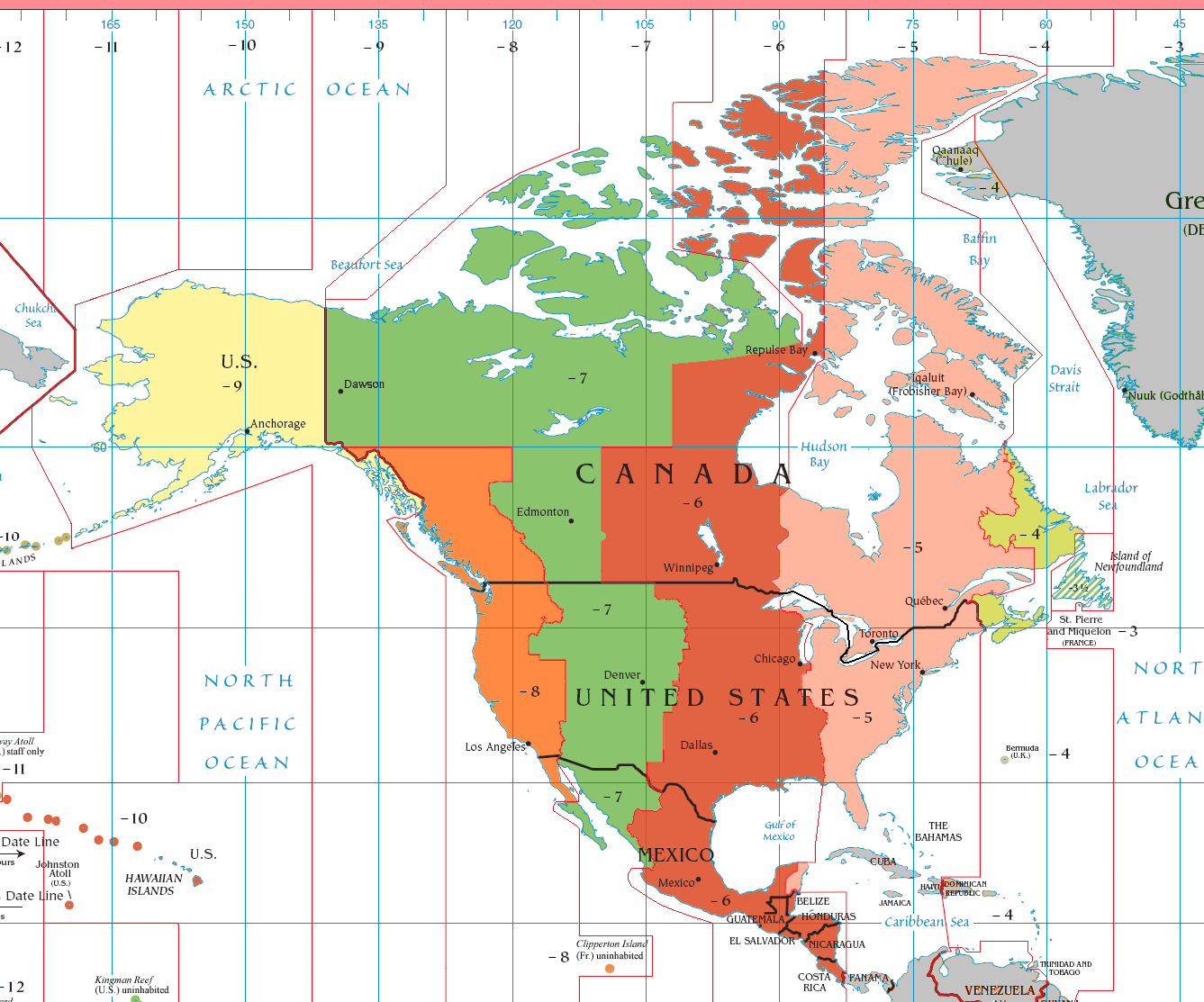
The contiguous United States is broadly split into four main time zones, with California anchoring the westernmost of these. The concept of time zones originated in the late 19th century largely due to the expansion of railroads, which required a standardized timekeeping system for schedules. While there isn’t a single “continental divide” line for time zones, the lines roughly follow state boundaries and natural geographical features, aiming to keep contiguous populated areas within the same time zone for convenience and economic efficiency. The approximately 3,000-mile stretch from the Atlantic to the Pacific Ocean necessitates these divisions to ensure that noon roughly aligns with the sun being at its highest point in the sky across different regions.
Navigating Time Across the United States
Understanding California’s time zone becomes even more meaningful when viewed within the larger context of the United States’ time zone map. Traveling across the country means shifting your internal clock, often multiple times.
A Quick Tour of US Time Zones
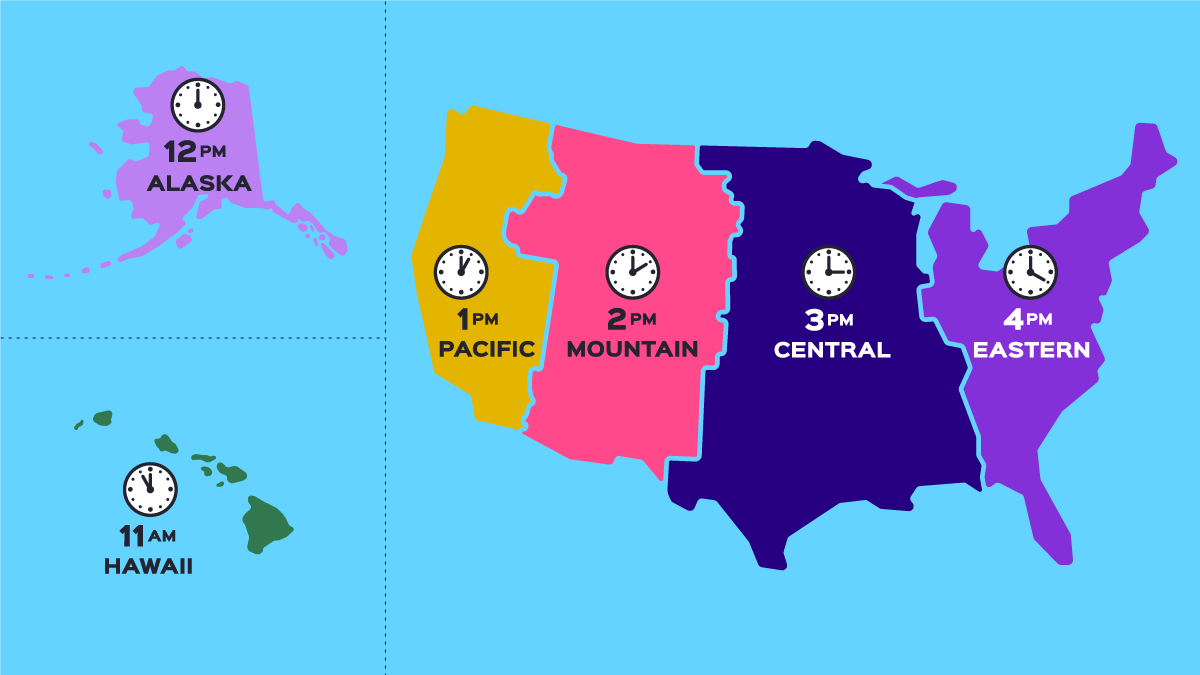
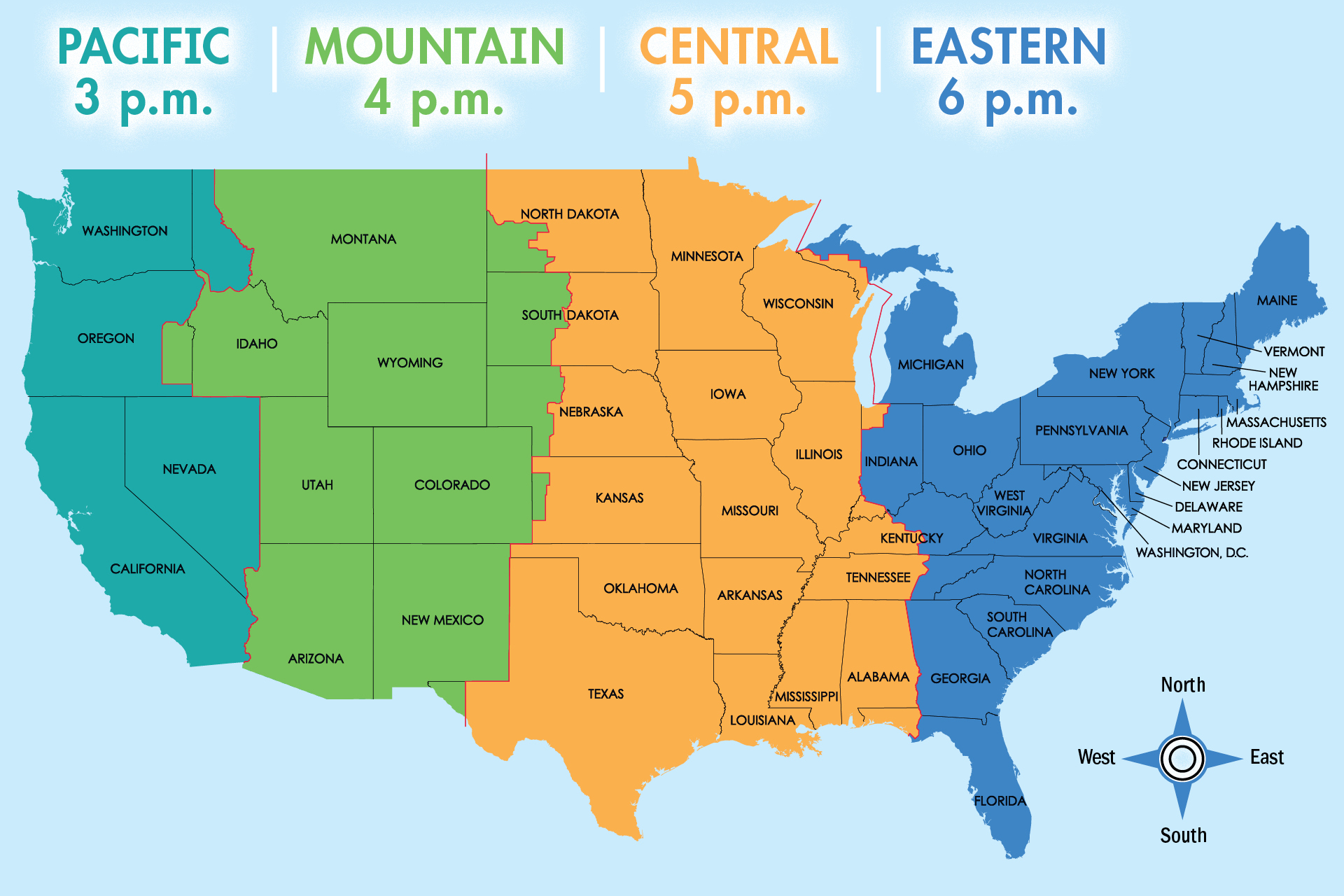
The contiguous United States is divided into four primary time zones, moving from east to west:
- Eastern Standard Time (EST) / Eastern Daylight Time (EDT): Covering the entire East Coast, including major cities like New York City, Miami, and the nation’s capital, Washington D.C.. This is UTC-5 (EST) or UTC-4 (EDT). When it’s 12:00 PM PST (or 3:00 PM EDT), this is the time zone most travelers from the eastern half of the country will be leaving.
- Central Standard Time (CST) / Central Daylight Time (CDT): Extending through the central states, including cities like Chicago, Dallas, and New Orleans. This is UTC-6 (CST) or UTC-5 (CDT), meaning it is one hour behind Eastern Time and one hour ahead of Mountain Time.
- Mountain Standard Time (MST) / Mountain Daylight Time (MDT): Encompassing states like Colorado, Arizona, and Utah (though Arizona largely does not observe Daylight Saving Time). This is UTC-7 (MST) or UTC-6 (MDT), two hours behind Eastern Time.
- Pacific Standard Time (PST) / Pacific Daylight Time (PDT): Covering California, Nevada, Oregon, and Washington State. This is UTC-8 (PST) or UTC-7 (PDT), three hours behind Eastern Time.
Beyond the contiguous states, Alaska has its own time zone (Alaska Standard Time / Daylight Time), and Hawaii observes Hawaii Standard Time (HST) year-round, which does not observe Daylight Saving Time and is UTC-10. These variations highlight the sheer scale of the United States and the necessity of time zone awareness for comprehensive travel planning.
The Importance of Daylight Saving Time (DST)
Daylight Saving Time (DST) is a significant annual event that shifts clocks forward by one hour in the spring (“spring forward”) and back by one hour in the fall (“fall back”). This practice, observed in most of the United States (with exceptions like most of Arizona and Hawaii), aims to maximize daylight hours during warmer months.
For travelers to California, knowing when DST begins and ends is crucial. When clocks “spring forward” in March, California transitions from PST to PDT. This means that for a few weeks, the time difference with the East Coast might shrink from three hours to two hours for those traveling east from California if their home state has not yet adjusted or vice-versa. More commonly, it means that someone on Eastern Daylight Time will be three hours ahead of California during the summer months. For example, 9 AM in Los Angeles (PDT) is 12 PM in New York City (EDT). When clocks “fall back” in November, California returns to PST. Missing these transitions can lead to missed flights, appointments, or simply confusion about what time it truly is, underscoring the importance of verifying the current time zone status, especially around the spring and fall changes.
Practical Implications for Travelers to California
Understanding California’s time zone is not merely academic; it has direct and practical implications for every aspect of your travel experience. Being prepared can make the difference between a smooth journey and a frustrating one.
Battling Jet Lag: Tips for East Coast Travelers
For travelers coming from the Eastern United States (EST/EDT) to California (PST/PDT), the three-hour time difference can lead to jet lag. Your body’s internal clock, or circadian rhythm, will be accustomed to a schedule three hours ahead of your arrival destination. Here are some tips to mitigate the effects:
- Adjust Before You Go: A few days before your trip, try to shift your sleep schedule by an hour or two in the direction of your destination. For California, this means going to bed and waking up later.
- Hydrate and Avoid Caffeine/Alcohol: Staying well-hydrated before, during, and after your flight can help alleviate jet lag symptoms. Excessive caffeine and alcohol can disrupt sleep patterns further.
- Embrace the Local Time Immediately: Once you arrive in California, set your watch to local time and try to stick to that schedule for meals and sleep, regardless of how your body feels initially.
- Seek Sunlight: Exposure to natural light, especially in the morning, helps reset your body clock. Spend time outdoors after you arrive.
- Plan for Downtime: Don’t schedule strenuous activities or critical meetings immediately upon arrival. Allow yourself time to adjust.
Planning Flights and Accommodations
Time zone differences significantly impact flight itineraries and hotel check-ins. A flight departing New York City at 9 AM EDT might arrive in Los Angeles at 12 PM PDT, making it seem like a short trip. However, your body has experienced a 6-hour journey plus a 3-hour time shift. Always pay close attention to the time zone listed on your flight tickets (arrival and departure) to avoid confusion.
When booking accommodations, be mindful of check-in and check-out times relative to your arrival. If you land early morning California time, but it’s already afternoon where you came from, you might arrive feeling exhausted and have to wait several hours for your hotel room to be ready. Many hotels offer early check-in options or luggage storage, which can be lifesavers. Similarly, for late flights, consider booking an extra night or negotiating a late check-out to avoid feeling rushed.
Coordinating with Loved Ones
Maintaining communication with family, friends, or colleagues in different time zones requires careful planning. A quick call to someone on the East Coast might mean waking them up if you’re not careful. When planning calls or video chats from California, remember:
- East Coast (EST/EDT): 3 hours ahead of California. If you call at 6 PM PDT, it’s 9 PM EDT.
- Central Time (CST/CDT): 2 hours ahead. 6 PM PDT is 8 PM CDT.
- Mountain Time (MST/MDT): 1 hour ahead. 6 PM PDT is 7 PM MDT.
Using world clock apps or features on your smartphone can be incredibly helpful for quickly calculating the time difference before making a call. Establishing a set communication window that works for both parties can also prevent unintended disruptions.
Business and Conference Travel Considerations
For business travelers, time zone differences are not just an inconvenience but a critical factor in productivity and professionalism. Attending virtual meetings with colleagues on the East Coast from California often means early mornings. A 9 AM EDT meeting translates to a 6 AM PDT start.
- Schedule Strategically: When possible, try to schedule meetings during overlapping business hours that are reasonable for all participants.
- Communicate Availability: Clearly state your working hours in local California time and how they translate to other time zones.
- Adjust Sleep: Prioritize getting enough sleep, especially if you have early morning commitments.
- Tech Tools: Utilize calendar tools that automatically adjust for time zones to avoid missed appointments.
Exploring California with Time Zone Savvy
Armed with a clear understanding of California’s time zone, you are now better equipped to maximize your travel experience, ensuring every moment is spent enjoying the destination, not scrambling to understand the clock.
Iconic Destinations and Their Local Time
Rest assured, all of California’s most beloved destinations operate on Pacific Standard Time (PST) or Pacific Daylight Time (PDT). Whether you’re exploring the bustling streets of Los Angeles, marveling at the Golden Gate Bridge in San Francisco, enjoying the coastal charm of San Diego, or hiking amidst the majestic landscapes of Yosemite National Park, your watch will display the same local time. This simplifies multi-city itineraries within the state, allowing you to focus on the sights rather than constant time adjustments.
Making the Most of Your California Experience
Understanding the time difference helps you optimize your daily itinerary. If you’re coming from the East, your body might naturally wake up earlier for the first few days. Use this to your advantage! Enjoy a peaceful sunrise beach walk in Santa Monica, beat the crowds to popular attractions, or enjoy a quiet breakfast before the rush. Early mornings can be incredibly serene and offer unique photo opportunities before the day truly begins.
Conversely, if you’re trying to adjust to staying up later, remember that California evenings, especially during PDT, offer ample daylight for outdoor dining, exploring vibrant nightlife, or catching a sunset over the Pacific. By thoughtfully planning your activities around your natural body clock adjustments, you can truly make the most of every hour in California, transforming a potential challenge into a distinct advantage for your travel adventure.
In conclusion, California is firmly planted in the Pacific Time Zone, three hours behind Eastern Standard Time. While a seemingly minor detail, mastering this geographical time difference is a cornerstone of intelligent travel planning. By understanding PST/PDT, anticipating the effects of jet lag, and strategically coordinating your schedule, you can ensure your journey to and within the Golden State is smooth, enjoyable, and free from any time-related hitches. So, set your watches, embrace the Pacific pace, and prepare for an unforgettable California experience!
LifeOutOfTheBox is a participant in the Amazon Services LLC Associates Program, an affiliate advertising program designed to provide a means for sites to earn advertising fees by advertising and linking to Amazon.com. Amazon, the Amazon logo, AmazonSupply, and the AmazonSupply logo are trademarks of Amazon.com, Inc. or its affiliates. As an Amazon Associate we earn affiliate commissions from qualifying purchases.