
A common misconception among individuals considering significant lifestyle changes, especially those involving relocation or extended stays, is the geographical reach of major healthcare providers. One such provider, Kaiser Permanente, frequently sparks the question: “Is Kaiser Permanente only in California?” For anyone planning a move, contemplating retirement, or simply navigating a mobile modern lifestyle, understanding the full scope of their healthcare options is paramount. The answer, while nuanced, reveals that Kaiser Permanente’s footprint extends well beyond the Golden State, offering vital support for specific lifestyles across various regions of the United States.
This article delves into Kaiser Permanente’s operational geography, framing it through the lens of lifestyle choices. Whether you’re a young professional relocating for a new career opportunity, a family planning a long-term stay in a different state, or a retiree exploring new horizons, understanding where Kaiser Permanente operates can significantly influence your personal and professional lifestyle decisions. The convenience and integrated nature of Kaiser Permanente’s system are highly valued by its members, making its availability a critical factor in lifestyle planning.
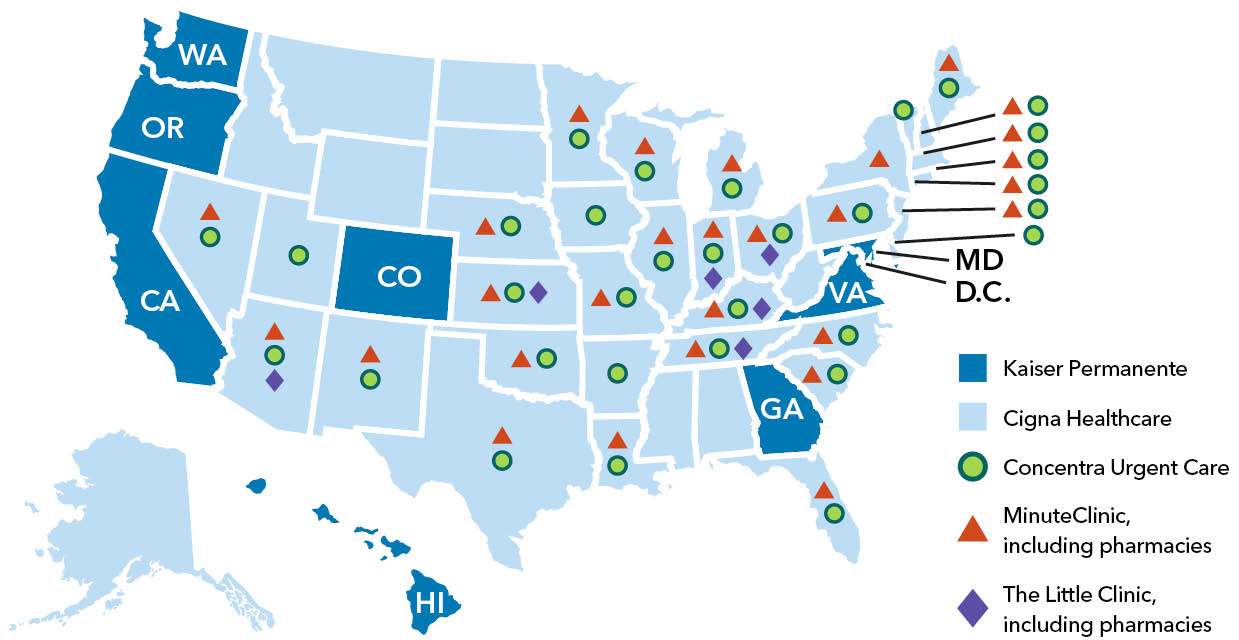
The Core of Kaiser Permanente’s Presence: Beyond the Golden State
While California is undeniably Kaiser Permanente’s largest and most prominent market, the organization is far from being exclusive to it. Its distinctive model of integrated healthcare—combining health plan, hospitals, and medical groups—operates in several other key regions, directly impacting the lifestyle choices of millions of Americans.
Dispelling the California-Centric Myth: A Wider Reach
Kaiser Permanente’s reach extends across a diverse array of states and regions, each offering unique lifestyle opportunities. Beyond its extensive presence in California, Kaiser Permanente provides comprehensive healthcare services in:
- Colorado
- Georgia
- Hawaii
- Maryland
- Oregon
- Virginia
- Washington
- The District of Columbia
For individuals whose lifestyle choices involve living or working in these regions, having access to Kaiser Permanente can be a significant advantage. The ability to receive coordinated care, often under one roof, simplifies healthcare management, freeing up time and mental energy that can be dedicated to pursuing personal passions, career goals, or family activities—all integral components of a fulfilling lifestyle. This geographical diversity means that a seamless healthcare experience is not confined to one state but is available to those whose lifestyle leads them to these specific areas.
Understanding Service Area Variations for Lifestyle Planning
It is crucial for lifestyle planners to recognize that while Kaiser Permanente operates in these various states, the extent and nature of its services can vary by region. For instance, some areas may boast a full complement of Kaiser Permanente hospitals, medical offices, and specialty services, representing the complete integrated model. In contrast, other regions might offer a more streamlined presence, possibly relying more on contracted network providers for certain services, even while maintaining the core Kaiser Permanente health plan.
This variation is a critical factor when making lifestyle decisions, such as where to buy a home, accept a job, or spend an extended period. A lifestyle centered on immediate access to a vast network of Kaiser Permanente facilities would thrive in a region like California or Oregon, where the integrated system is robust. Conversely, someone moving to a region with a more limited Kaiser Permanente presence might need to adjust their expectations regarding facility proximity or the direct integration of all services. Understanding these regional nuances is essential for ensuring that your chosen healthcare provider aligns with your desired daily lifestyle and access to care. It’s not just about if Kaiser Permanente is there, but how it’s there.
Lifestyle Mobility: How Kaiser Permanente Fits into Your Plans
Modern lifestyles often demand flexibility and mobility. People relocate for work, family, or personal growth, and they frequently travel for leisure or business. For Kaiser Permanente members, understanding how their healthcare coverage adapts to these mobile lifestyle elements is vital for peace of mind and continuity of care.
Relocation Considerations: Moving Between Kaiser Permanente Regions
One of the most significant lifestyle changes is relocation. Moving from one state to another, especially if both are Kaiser Permanente service areas, presents a unique set of considerations. While the health plan is consistent in philosophy, the local medical group and facilities will change.
For individuals planning such a move, the process typically involves transitioning their membership to the new region. This means establishing care with a new primary care physician (PCP) and familiarizing oneself with the local Kaiser Permanente facilities. The benefit of staying within the Kaiser Permanente ecosystem is the relative ease of transferring medical records electronically within the system, ensuring continuity of care that might be more complex with entirely different healthcare providers. This aspect significantly reduces the stress associated with finding new doctors and sharing health history, thereby supporting a smoother lifestyle transition.
Before making a definitive lifestyle move, it is highly advisable to research the specific Kaiser Permanente offerings in the target region. Check for clinic locations, hospital affiliations, and specialty services to ensure they align with your health needs and lifestyle preferences. This proactive research can prevent unwelcome surprises and ensure your new life chapter begins with robust healthcare support.
Inter-Regional Travel and Emergency Care for Kaiser Permanente Members
Even if you maintain a stable home base, a mobile lifestyle often includes travel. For Kaiser Permanente members traveling outside their home service area, particularly within other Kaiser Permanente regions, there are provisions for urgent and emergency care. While routine appointments or non-urgent specialized care would typically be sought within your home region, acute needs are addressed.
For true medical emergencies that occur anywhere in the world, including outside of any Kaiser Permanente service area, coverage is generally handled like any other health plan, adhering to standard emergency care protocols. However, for urgent, but not life-threatening, situations that arise while traveling within a Kaiser Permanente service region different from your own, you can typically access urgent care services at their facilities. This provides a significant layer of comfort for those with a lifestyle that includes frequent travel, knowing that a familiar system can provide support when needed.
Understanding these provisions is key for anyone whose lifestyle involves a blend of stability and mobility. It allows for spontaneous travel or planned excursions without undue worry about healthcare access in unexpected situations, contributing to a more carefree and adventurous lifestyle.
Maximizing Your Lifestyle with Kaiser Permanente: Strategic Planning
Kaiser Permanente’s model inherently lends itself to certain lifestyle benefits, especially for those who plan their long-term living situations within its service areas. The integrated approach is not just about medical care; it’s about a seamless experience that supports a healthier, more organized life.
The Benefits for a Stable, Regional Lifestyle
For individuals and families whose lifestyle is primarily rooted in one of Kaiser Permanente’s service areas, the integrated system offers numerous advantages. The convenience of having medical offices, labs, pharmacies, and often hospitals co-located or closely linked simplifies the healthcare experience. This means less time spent coordinating appointments between different providers and facilities, and more time for personal pursuits, family, or work.
Moreover, Kaiser Permanente’s emphasis on preventative care aligns perfectly with a lifestyle focused on wellness and long-term health. Regular screenings, health education programs, and easy access to primary care physicians contribute to maintaining good health, which is foundational to enjoying any lifestyle. For those who value efficiency, coordination, and a proactive approach to health, choosing to establish a lifestyle within a strong Kaiser Permanente region can be an optimal decision. It offers a structured, supportive environment that manages healthcare intricacies, allowing members to focus on living their best life.
Long-Term Lifestyle Planning: Retirement, Extended Stays, and Geographic Footprint
Long-term lifestyle planning, especially concerning retirement or extended personal projects, often involves considering new geographies. Many retirees, for example, choose to relocate to areas with milder climates or lower costs of living. For existing Kaiser Permanente members, the presence of the organization in their desired retirement destination becomes a crucial factor.
Imagine a lifestyle where you split your time between two states, perhaps spending winters in Hawaii and summers in Oregon, both Kaiser Permanente regions. While this would require careful planning regarding membership and establishing care in both locations, the continuity of records and familiar system could offer significant benefits over navigating two entirely separate healthcare systems. For those planning extended stays for work, family, or personal enrichment, understanding the Kaiser Permanente footprint directly influences the feasibility and comfort of such lifestyle choices. The ability to maintain a consistent healthcare experience, even across state lines, can be a major draw for an increasingly mobile population.
The Future of Kaiser Permanente and Your Evolving Lifestyle
Healthcare, like lifestyle, is constantly evolving. Advances in technology, changes in population demographics, and shifts in personal preferences continually reshape how we live and how we access essential services. Kaiser Permanente’s future trajectory will undoubtedly impact the lifestyle flexibility it offers its members.
Potential Expansion and Its Impact on Lifestyle Choices
While Kaiser Permanente has established its core service areas, the possibility of future expansion or strategic partnerships in new regions remains an interesting prospect. Any growth into new states or significant increases in service within existing territories would directly broaden the lifestyle options for current and prospective members. For instance, if Kaiser Permanente were to establish a significant presence in a state popular for retirement or tourism, it could open up new possibilities for members to relocate or spend extended periods there without sacrificing their preferred healthcare model.
Monitoring such developments is a prudent step for anyone whose lifestyle might lead them to new geographical areas in the future. A wider Kaiser Permanente network would mean greater freedom in choosing where to live, work, and retire, aligning healthcare availability more closely with diverse lifestyle aspirations.

Digital Health and Telemedicine: Bridging Geographic Gaps for Modern Lifestyles
Perhaps one of the most significant advancements influencing lifestyle flexibility, particularly in healthcare, is the rise of digital health and telemedicine. Kaiser Permanente, like many healthcare providers, has significantly invested in these technologies. Telemedicine allows members to consult with their physicians remotely, access certain mental health services, and receive follow-up care without needing to be physically present at a clinic.
This capability is revolutionary for modern lifestyles, especially for those with demanding schedules, limited mobility, or who live in more remote parts of a service area. It allows for continuity of care even when travel is difficult or inconvenient. For individuals embracing a digital nomad lifestyle within a Kaiser Permanente region, or those simply preferring the convenience of virtual appointments, telemedicine bridges geographical gaps within their service area. While it doesn’t replace the need for in-person care or expand the physical footprint to new states, it significantly enhances the accessibility of care within existing regions, supporting a more flexible and tech-integrated lifestyle.
In conclusion, the question “Is Kaiser Permanente only in California?” is definitively answered: no. Its reach extends across several states and the District of Columbia, profoundly impacting the lifestyle choices of millions. For anyone planning a relocation, considering long-term stays, or simply navigating the complexities of healthcare in a mobile world, understanding Kaiser Permanente’s geographical presence and service variations is an indispensable part of strategic lifestyle planning. The integrated care model offers stability and convenience for those within its regions, making it a pivotal factor in where and how people choose to live their lives.
LifeOutOfTheBox is a participant in the Amazon Services LLC Associates Program, an affiliate advertising program designed to provide a means for sites to earn advertising fees by advertising and linking to Amazon.com. Amazon, the Amazon logo, AmazonSupply, and the AmazonSupply logo are trademarks of Amazon.com, Inc. or its affiliates. As an Amazon Associate we earn affiliate commissions from qualifying purchases.