
The allure of Hawaii has captivated travelers for generations, promising pristine beaches, volcanic landscapes, and a vibrant Polynesian culture. For many, the journey begins on the sun-drenched shores of California. But before you can feel the warm sand between your toes or hear the gentle strumming of a ukulele, a crucial question often arises: “How long is the flight to Hawaii from California?” This seemingly simple query opens the door to understanding the logistics of this popular trans-Pacific route, influencing everything from your travel budget to your in-flight comfort strategy and ultimately, the precious time you’ll spend enjoying your dream vacation.
Typically, direct flights from major California airports to the main Hawaiian islands range between 5 to 6 hours. However, this is merely an average, and several factors can influence the actual duration. Planning a trip to this paradise requires a comprehensive understanding of travel times, optimal departure points, arrival destinations, and how to make the journey itself a pleasant part of your overall experience. Whether you’re a seasoned globetrotter seeking a luxurious escape or a family embarking on a budget-friendly adventure, knowing what to expect during your journey across the Pacific Ocean is the first step toward an unforgettable Hawaiian holiday.
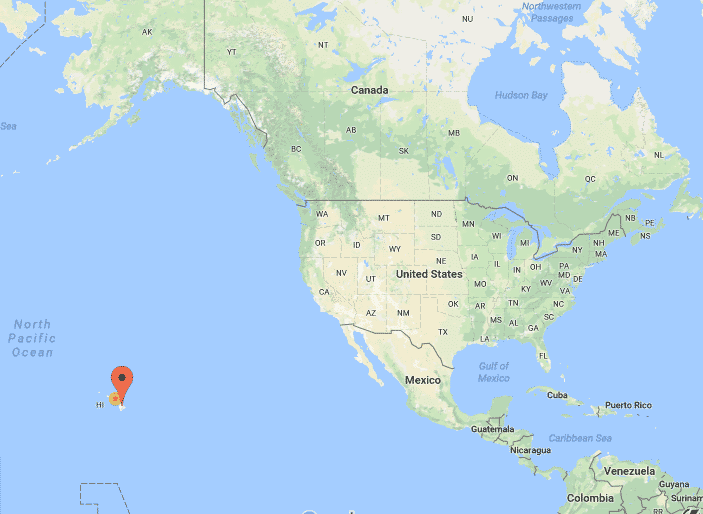
Understanding the Route: California to Hawaii
The flight path from California to Hawaii is one of the most frequently traveled air routes within the United States, connecting the bustling mainland to the tranquil islands. While the distance might seem substantial, modern aviation has made this journey remarkably efficient. The average distance covered is roughly 2,500 miles (approximately 4,000 kilometers), making it a significant but manageable flight. Understanding the key departure and arrival points will help you gauge specific flight times and plan your itinerary more effectively.
Key Departure Cities in California
California boasts several major international airports that offer direct flights to Hawaii, providing travelers with ample choices depending on their starting point and airline preference. Each airport serves a distinct region, offering convenience for millions of residents and visitors.
-
Los Angeles (LAX): As one of the world’s busiest airports, Los Angeles International Airport (LAX) offers the most frequent and diverse flight options to Hawaii. Situated in Southern California, it’s a hub for numerous airlines, including Hawaiian Airlines, Delta Air Lines, United Airlines, Southwest Airlines, and Alaska Airlines. Flights from LAX tend to be among the shortest due to its southern latitude, often clocking in at around 5 hours and 30 minutes to 6 hours.
-
San Francisco (SFO): Serving the Bay Area, San Francisco International Airport (SFO) is another major gateway to Hawaii. It offers a wide array of non-stop flights, particularly to Honolulu and Maui. Flights from SFO are comparable in duration to those from LAX, generally ranging from 5 hours and 30 minutes to 6 hours.
-
San Diego (SAN): Located further south in California, San Diego International Airport (SAN) provides a convenient departure point for travelers in the southernmost part of the state. Direct flights are available to several Hawaiian islands, usually taking between 5 hours and 45 minutes to 6 hours and 15 minutes.
-
Oakland (OAK): Also in the Bay Area, Oakland International Airport (OAK) has become an increasingly popular choice, especially for budget-conscious travelers, thanks to airlines like Southwest Airlines offering competitive fares. Flight times from Oakland are similar to those from San Francisco.
-
San Jose (SJC): Mineta San José International Airport (SJC), another prominent airport in the Bay Area, also offers direct services to Hawaii, particularly to Honolulu and Maui. Travel times are generally in line with other Bay Area airports.
Primary Arrival Airports in Hawaii
Hawaii comprises several major islands, each with its own unique charm and primary airport. Your choice of island will dictate your final destination airport and, potentially, influence your total travel time if inter-island transfers are required.
-
Daniel K. Inouye International Airport (HNL) – Honolulu, Oahu: This is the busiest airport in Hawaii and the main gateway for most international and mainland flights. Located on the island of Oahu, it serves the vibrant city of Honolulu and the world-famous Waikiki Beach. Most flights from California will land here.
-
Kahului Airport (OGG) – Maui: As the primary airport for the “Valley Isle” of Maui, Kahului Airport is a popular destination for travelers seeking stunning beaches, the scenic Road to Hana, and the majestic Haleakala volcano. Direct flights from California are widely available.
-
Lihue Airport (LIH) – Kauai: Lihue Airport serves the lush “Garden Isle” of Kauai, known for its dramatic Na Pali Coast, verdant valleys, and breathtaking waterfalls. Direct services from California make it accessible for those seeking a more serene escape.
-
Ellison Onizuka Kona International Airport at Keahole (KOA) – Kona, Hawaii Island: Situated on the western side of Hawaii Island (often called the Big Island), KOA is the main airport for the Kona district, famous for its coffee, snorkeling, and sunny weather.
-
Hilo International Airport (ITO) – Hilo, Hawaii Island: Located on the eastern side of the Big Island, Hilo International Airport provides access to the verdant rainforests, black sand beaches, and the Hawaii Volcanoes National Park. Fewer direct flights from California are available here compared to KOA, with many requiring a connection, often through Honolulu.
Average Flight Durations from Major California Cities
As established, the typical non-stop flight from California to Hawaii falls within the 5 to 6-hour window. However, to provide a more precise understanding, let’s break down the average durations from the busiest California airports to the most popular Hawaiian islands.
Direct Flights
These estimations are for non-stop flights under normal operating conditions.
-
From Los Angeles (LAX):
- To Honolulu (HNL): 5 hours 30 minutes to 5 hours 45 minutes
- To Kahului (OGG): 5 hours 20 minutes to 5 hours 35 minutes
- To Lihue (LIH): 5 hours 40 minutes to 5 hours 55 minutes
- To Kona (KOA): 5 hours 30 minutes to 5 hours 45 minutes
- To Hilo (ITO): Approximately 5 hours 45 minutes to 6 hours (fewer direct options)
-
From San Francisco (SFO):
- To Honolulu (HNL): 5 hours 30 minutes to 5 hours 45 minutes
- To Kahului (OGG): 5 hours 25 minutes to 5 hours 40 minutes
- To Lihue (LIH): 5 hours 45 minutes to 6 hours
- To Kona (KOA): 5 hours 40 minutes to 5 hours 55 minutes
-
From San Diego (SAN):
- To Honolulu (HNL): 5 hours 45 minutes to 6 hours
- To Kahului (OGG): 5 hours 35 minutes to 5 hours 50 minutes
- To Lihue (LIH): 6 hours to 6 hours 15 minutes
-
From Oakland (OAK) & San Jose (SJC):
- Flight times are generally very similar to those from San Francisco (SFO), with slight variations depending on the specific airline and route.
It’s important to remember that these are scheduled flight times. The actual “gate-to-gate” time can be slightly longer, accounting for taxiing, takeoff, and landing procedures.
Factors Influencing Flight Times
While the averages provide a good baseline, several variables can cause the actual flight duration to fluctuate. Understanding these factors can help manage expectations and even influence your booking decisions.
-
Aircraft Type: Different aircraft models have varying cruising speeds. For instance, a newer, more efficient Boeing 787 or Airbus A350 might complete the journey slightly faster than an older Boeing 737 or Airbus A320, though the difference for this specific route is usually minor (10-20 minutes). Larger, wide-body aircraft generally fly faster and higher, optimizing efficiency.
-
Tailwinds/Headwinds: This is perhaps the most significant natural factor influencing flight duration. Flights traveling west from California to Hawaii often encounter headwinds (winds blowing against the aircraft), which can add 15-30 minutes, or even more, to the flight time. Conversely, flights returning east from Hawaii to California often benefit from tailwinds (winds blowing from behind), which can significantly shorten the journey, sometimes by as much as 30-45 minutes. This is why a return flight often feels noticeably shorter.
-
Air Traffic Control (ATC): Delays due to air traffic control congestion at either the departure or arrival airport can extend the overall travel time. While airlines build some buffer into their schedules, unexpected hold patterns or reroutes can occur, particularly during peak travel seasons or adverse weather conditions.
-
Specific Departure/Arrival Runways: The specific runway used for takeoff and landing can affect taxiing time. At large airports like LAX or HNL, the distance from the gate to the active runway can be considerable, adding a few minutes to the ground portion of your journey.
Making Your Journey Comfortable: Tips for Long-Haul Flights
A 5 to 6-hour flight, while not typically considered a “long-haul” international journey, is still substantial enough to warrant some preparation for comfort. Ensuring a pleasant experience from takeoff to landing can significantly enhance your overall vacation, preventing fatigue and allowing you to arrive in Hawaii refreshed and ready to explore.
Pre-Flight Preparations
Smart planning before you even step foot in the airport can make a world of difference.
-
Choosing Your Airline: While flight times are similar across carriers, the in-flight experience can vary. Consider airlines like Hawaiian Airlines for its island-inspired service, or Alaska Airlines, United Airlines, Delta Air Lines, and Southwest Airlines for their extensive networks and loyalty programs. Research amenities such as seat pitch, entertainment options (seat-back screens vs. bring-your-own device), and complimentary snacks/meals when booking. For those seeking luxury travel, upgrading to a premium cabin (First Class or Business Class) can transform the journey with lie-flat seats, gourmet dining, and enhanced service. For family trips or budget travel, airlines like Southwest Airlines often offer more flexible baggage policies and open seating.
-
Seat Selection: If possible, choose your seat strategically. A window seat offers views and a wall to lean against, while an aisle seat provides easier access to restrooms and the ability to stretch your legs without disturbing others. Exit row seats or bulkhead seats offer extra legroom, which can be invaluable on a 6-hour flight, though they often come with an additional fee. Consider booking a seat towards the front of the plane for quicker deplaning, especially if you have a tight connection for an inter-island flight.
-
Packing Essentials: Your carry-on bag should be your comfort arsenal.
- Neck Pillow and Eye Mask: Essential for catching some rest.
- Noise-Canceling Headphones: Block out engine noise and chatter, perfect for enjoying movies or music.
- Portable Charger: Keep your devices powered for entertainment.
- Snacks: While airlines offer service, having your favorite healthy snacks prevents hunger pangs.
- Empty Water Bottle: You can fill it after security to stay hydrated.
- Warm Layers: Cabin temperatures can fluctuate, so a light jacket or scarf is a must.
- Comfortable Clothing: Loose-fitting clothes and slip-on shoes make the journey much more pleasant.
- Entertainment: Download movies, TV shows, podcasts, or e-books beforehand. Many airlines offer extensive in-flight entertainment systems, but having your own ensures options.
During the Flight
Once airborne, proactive measures can combat the effects of sitting for several hours.
-
Hydration: Airplane cabins have low humidity, leading to dehydration. Drink plenty of water throughout the flight, and limit dehydrating beverages like alcohol and excessive caffeine.
-
Movement: Every hour or two, get up and walk around the cabin if safe to do so. Perform simple stretches in your seat to promote blood circulation and prevent stiffness. Ankle circles, knee bends, and shoulder rolls can make a big difference. This is especially important for preventing deep vein thrombosis (DVT) on longer flights.
-
Entertainment: Engage your mind with movies, TV shows, reading, or games. If traveling with family, plan some in-flight activities or games to keep younger passengers entertained.
-
Managing Time Zones: Hawaii operates on Hawaii Standard Time (HST), which is typically 2-3 hours behind Pacific Standard Time (PST) during standard time and 3 hours behind Pacific Daylight Time (PDT) because Hawaii does not observe daylight saving time. As soon as you board, adjust your watch to Hawaiian time to help your body adapt. Try to sleep on the plane if it aligns with Hawaiian nighttime, or stay awake if it’s daytime. Sunlight exposure upon arrival also helps reset your internal clock.
Beyond the Flight: Planning Your Hawaiian Escape
While the flight duration is a crucial practical consideration, the real excitement lies in what awaits you in Hawaii. This idyllic destination offers an unparalleled array of experiences, from thrilling adventures to serene relaxation, catering to every type of traveler. Integrating your flight planning with your broader itinerary ensures a seamless transition into paradise.
Choosing Your Hawaiian Island
Each of Hawaii’s main islands possesses a distinct personality, offering unique attractions and atmospheres. Your choice will shape your entire vacation.
-
Oahu: Known as “The Gathering Place,” Oahu combines urban sophistication with natural beauty. Here you’ll find the iconic Waikiki Beach, the vibrant capital city of Honolulu, and significant historical landmarks like Pearl Harbor. The famous surf breaks of the North Shore beckon adventurers, while the Iolani Palace offers a glimpse into Hawaiian royalty. This island is perfect for first-time visitors or those seeking a dynamic mix of culture, history, and beach life.
-
Maui: “The Valley Isle” is renowned for its stunning beaches, luxurious resorts, and diverse landscapes. Drive the winding Road to Hana, witness a breathtaking sunrise atop Haleakala, or explore the charming town of Lahaina. Maui is an excellent choice for honeymooners, families, and those looking for a blend of adventure and upscale relaxation.
-
Kauai: “The Garden Isle” lives up to its name with lush rainforests, dramatic cliffs, and cascading waterfalls. The majestic Na Pali Coast is a sight to behold, best experienced by boat, helicopter, or hiking. Waimea Canyon, often called the “Grand Canyon of the Pacific,” offers spectacular vistas. Kauai appeals to nature lovers, hikers, and those seeking a more tranquil and adventurous escape.
-
Hawaii Island (Big Island): The youngest and largest of the islands, Hawaii Island boasts incredible diversity, from active volcanoes in Hawaii Volcanoes National Park to snow-capped mountains (Mauna Kea), black sand beaches, and lush coffee farms in Kona. It’s an island of contrasts, perfect for explorers and those fascinated by geological wonders and varied microclimates.
Accommodation and Experiences
Once you’ve chosen your island, the next step is securing your accommodation and planning your activities. Hawaii offers options for every budget and lifestyle.
-
Resorts and Luxury Travel: For those seeking an indulgent escape, Hawaii is home to world-class resorts. Imagine staying at the Four Seasons Resort Maui at Wailea with its oceanfront pools and impeccable service, or the Grand Hyatt Kauai Resort & Spa with its sprawling pools and elegant rooms. In Oahu, the historic Moana Surfrider, A Westin Resort & Spa, Waikiki Beach offers classic luxury with a beachfront location. These resorts often come with extensive amenities, including spas, gourmet restaurants, kids’ clubs for family trips, and direct beach access, providing a complete travel experience.
-
Villas, Apartments, and Budget-Friendly Hotels: For travelers preferring more space, privacy, or a more budget-conscious approach, vacation rentals like villas and apartments are abundant. These can be ideal for long-term stays or family trips, offering kitchen facilities and multiple bedrooms. Many reputable booking platforms allow for easy comparison and review reading. Additionally, numerous mid-range hotels and even hostels provide comfortable and affordable options, especially in urban areas like Honolulu.
-
Activities and Local Culture: No trip to Hawaii is complete without immersing yourself in its rich culture and diverse activities.
- Water Sports: Snorkeling, surfing lessons (especially on Oahu’s Waikiki Beach), paddleboarding, and outrigger canoeing are popular.
- Hiking: Explore volcanic landscapes, lush rainforests, and stunning coastal trails.
- Luaus: Experience a traditional Hawaiian feast with Polynesian music, hula dancing, and storytelling. This is a fantastic way to engage with local culture and enjoy delicious cuisine.
- Culinary Adventures: Sample local delicacies like poke, shave ice, kalua pig, and fresh seafood. Explore farmers’ markets and food trucks for authentic flavors.
- Wellness and Relaxation: Indulge in a spa treatment, practice beachfront yoga, or simply relax on one of the many beautiful beaches.
In conclusion, the flight from California to Hawaii is a manageable journey of roughly 5 to 6 hours, marking the gateway to an extraordinary travel experience. By understanding the logistics, preparing for comfort, and planning your Hawaiian adventure with an eye toward both luxury and local immersion, you can ensure that every aspect of your trip, from the moment you take off to your final moments on the islands, is truly unforgettable.
LifeOutOfTheBox is a participant in the Amazon Services LLC Associates Program, an affiliate advertising program designed to provide a means for sites to earn advertising fees by advertising and linking to Amazon.com. Amazon, the Amazon logo, AmazonSupply, and the AmazonSupply logo are trademarks of Amazon.com, Inc. or its affiliates. As an Amazon Associate we earn affiliate commissions from qualifying purchases.