
Welcome to Orange County, California! A vibrant tapestry of sun-drenched beaches, world-class theme parks like Disneyland Resort in Anaheim, sophisticated shopping districts, and a culinary scene to rival any major metropolis. From the picturesque shores of Laguna Beach to the bustling business hubs of Irvine and the charming harbor of Newport Beach, Orange County offers an unparalleled experience for every traveler.
As you plan your unforgettable adventure to this jewel of Southern California, it’s natural to consider every aspect of your trip, including the financial practicalities. One key element that often comes into play, whether you’re buying souvenirs, dining out, or making essential purchases, is sales tax. Understanding the nuances of California sales tax in Orange County can empower you to budget more effectively, avoid surprises, and ultimately enhance your overall travel experience. This comprehensive guide will demystify the sales tax landscape, providing you with the insights needed to navigate your spending with confidence and focus on enjoying all that Orange County has to offer.
Decoding the Orange County Sales Tax Landscape
The sales tax system in California is a layered one, comprising a statewide base rate and various local district taxes. This structure means that the sales tax you pay can vary slightly depending on the specific city or district within Orange County where you make a purchase. For tourists, gaining a clear understanding of these components is crucial for accurate financial planning.
The California Statewide Foundation (7.25%)
At the core of the sales tax structure is the statewide rate, which currently stands at 7.25%. This is the fundamental percentage applied to all taxable sales across the entire state of California, including every corner of Orange County. This portion of the tax contributes to state-level services and infrastructure, impacting everything from education to public safety and transportation projects that benefit residents and visitors alike. It’s the baseline you can always expect to be applied before any additional local taxes are factored in.
Unpacking Local District Add-ons: The Orange County Variable
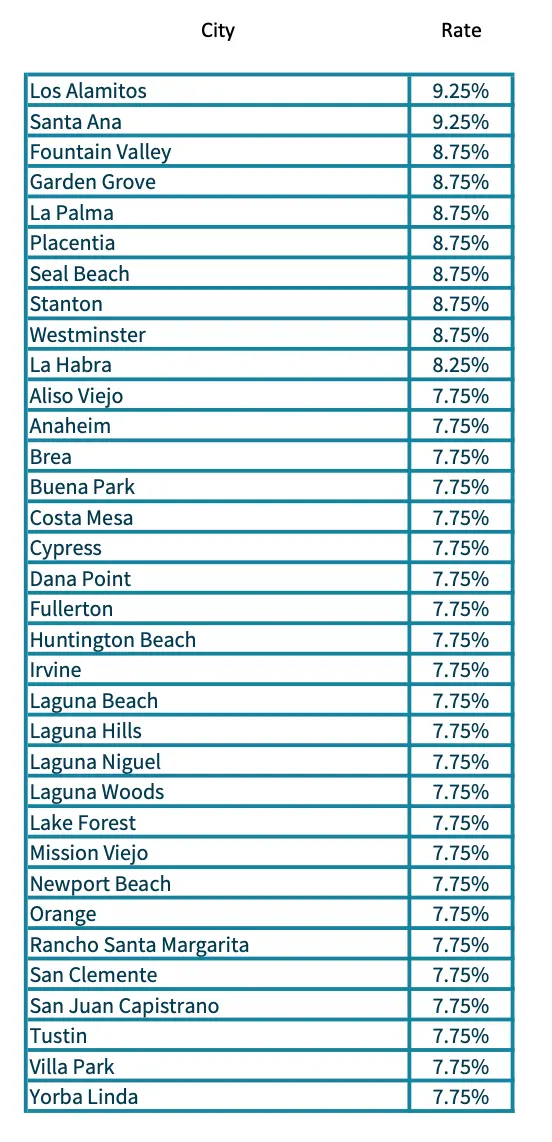
Beyond the statewide rate, various local jurisdictions can impose additional “district” taxes. These taxes are approved by local voters to fund specific local services, projects, or initiatives. For Orange County, this typically means an additional county-wide district tax, often around 0.5%, bringing the common effective rate for many areas to 7.75%.
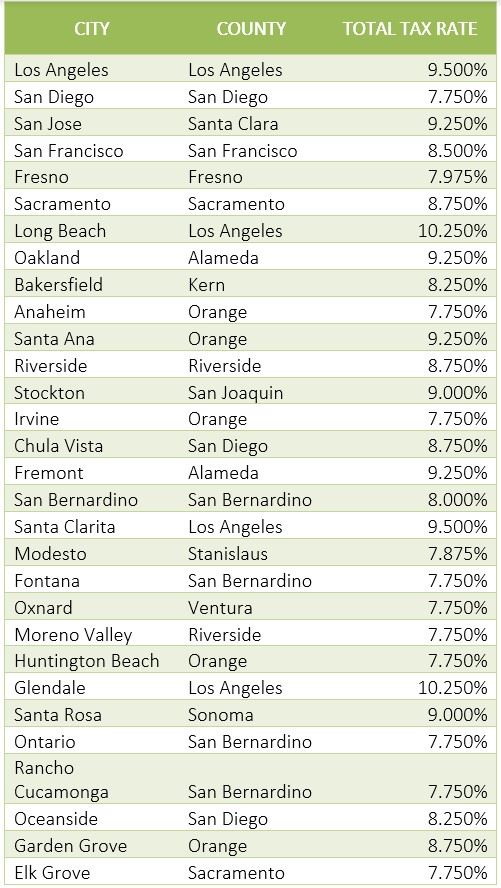
However, the variability doesn’t stop there. Individual cities within Orange County can have their own voter-approved district taxes, leading to further variations. For example, a city like Santa Ana currently has a higher combined sales tax rate (e.g., 9.25%) due to its own specific local measures, while cities like Irvine and Anaheim might hover around 7.75%.
This localized variation means that a souvenir purchased in Laguna Beach might have a slightly different total sales tax percentage than an identical item bought near Knott’s Berry Farm in Buena Park. While the difference might seem small on individual purchases, it can add up over the course of a trip filled with shopping and dining.
Where to Find the Exact Rate for Your Specific Destination
Given the localized nature of district taxes, how can a tourist confidently determine the precise sales tax rate for their specific location in Orange County?
The most reliable way is to utilize the official resources provided by the California Department of Tax and Fee Administration (CDTFA). Their website offers a convenient lookup tool where you can input a street address, city, or ZIP code to ascertain the exact combined sales tax rate for that specific location. Alternatively, you can typically find this information posted in stores or by simply checking your receipt after a purchase. Being aware of this resource allows you to quickly verify the applicable tax, especially if you’re comparing prices across different cities within Orange County.
Sales Tax and Your Tourist Purchases: What to Expect
Understanding the sales tax rates is one thing, but knowing what those rates apply to is equally important for any tourist. California sales tax primarily applies to the sale of tangible personal property, but there are important distinctions, especially concerning food and services.
Tangible Goods: The Rule, Not the Exception
For the vast majority of your purchases as a tourist in Orange County, sales tax will apply. This includes:
- Souvenirs: T-shirts, keychains, themed merchandise from Disneyland Resort or the beaches.
- Clothing and Apparel: Whether you’re upgrading your wardrobe at South Coast Plaza in Costa Mesa or picking up beachwear in Huntington Beach.
- Electronics: Any gadgets, cameras, or accessories purchased.
- Books, Toys, and Games: Items to keep entertained or bring home as gifts.
- Sporting Goods: If you decide to pick up a new surfboard in San Clemente or golf clubs near one of Orange County’s many courses.
Essentially, if it’s a physical item you can touch and take with you, expect sales tax to be added to the sticker price.
Dining Out: Prepared Food and Beverage Taxes
Dining is an integral part of the Orange County experience, from gourmet meals in Newport Beach to casual tacos in Santa Ana. When you purchase prepared food and beverages from restaurants, cafes, food trucks, or any establishment where the food is ready for immediate consumption, it is generally subject to sales tax. This includes:
- Meals eaten at a restaurant, whether sit-down or takeout.
- Coffee, sodas, and other prepared drinks.
- Snacks and hot foods from convenience stores or delis (e.g., a hot dog, a prepared sandwich).
So, when budgeting for your culinary adventures, remember to factor in the applicable sales tax on top of the menu prices.
Understanding Exemptions: Groceries vs. Ready-to-Eat Items
While sales tax is broad, there are significant exemptions that can impact a tourist’s spending, particularly concerning food. The most common exemption is for unprepared food products (groceries) sold for consumption off the premises. This means:
- Fresh fruits, vegetables, meats, dairy, and packaged goods purchased at grocery stores (e.g., Whole Foods Market or Ralphs).
- Beverages like milk, juice, or bottled water when bought in bulk from a grocery store.
The distinction lies in whether the food is prepared and ready for immediate consumption. If you buy ingredients to cook yourself at an Airbnb or simply pre-packaged snacks that aren’t considered “hot prepared food,” they are typically exempt from sales tax. This can be a useful tip for budget-conscious travelers who opt to prepare some of their own meals or pack lunches for excursions to Laguna Niguel Regional Park.
Services are also generally not subject to California sales tax. For example, the cost of a tour guide, a spa treatment, or a ticket to a show at the Segerstrom Center for the Arts will typically not include sales tax on the service itself, though any tangible goods sold in conjunction with the service might be taxed separately.
Budgeting Smart: Navigating Sales Tax for an Enjoyable Visit
Armed with the knowledge of how sales tax works in Orange County, you can now incorporate this into your travel planning, ensuring a smoother and more enjoyable trip without unexpected financial surprises.
Calculating Sales Tax into Your Daily Spending
The simplest approach to budgeting for sales tax is to mentally add a percentage to all your anticipated taxable purchases. For most of Orange County, assuming a rate of around 7.75% to 8.0% for most common cities like Anaheim or Irvine will give you a good estimate. For every $100 you plan to spend on souvenirs, clothing, or meals, mentally allocate an extra $7.75 to $8.00 for sales tax. If you know you’ll be spending a significant amount in a city with a higher rate, like Santa Ana, adjust your estimate accordingly. This small mental calculation can prevent the common tourist pitfall of underestimating total costs.
Shopping Strategies to Optimize Your Budget
Knowing about sales tax can even influence your shopping decisions. If you’re comparing two similar items in different cities within Orange County, and one city has a slightly lower sales tax rate, that difference could contribute to your overall savings, especially on larger purchases. While it might not warrant a special trip across the county, it’s a factor to consider if you’re already in proximity to a lower-tax zone. Additionally, focusing some of your spending on tax-exempt items, such as groceries for picnic lunches or bringing your own reusable water bottle to refill, can marginally reduce your overall taxable spending.
Beyond Sales Tax: A Brief Note on Other Tourist Levies
While this article strictly focuses on sales tax, it’s worth a brief mention that travelers might encounter other taxes related to their trip, primarily Transient Occupancy Tax (TOT), commonly known as hotel tax. This tax is applied to hotel, motel, and short-term rental stays and is a separate levy from sales tax. The TOT rate also varies by city within Orange County. It’s important to distinguish sales tax from TOT, as they apply to different types of transactions. Sales tax applies to tangible goods and prepared food, while TOT applies specifically to accommodation. Always check the total price when booking your stay to understand all applicable taxes and fees.
The Broader Picture: How Sales Tax Contributes to Orange County Tourism
Understanding sales tax is not just about personal budgeting; it’s also about appreciating the role these contributions play in sustaining the very infrastructure and attractions that draw millions of tourists to Orange County each year.
Funding Local Infrastructure and Services
The revenues generated from sales tax at both the state and local levels are vital for funding essential public services. This includes maintaining the roads you drive on, ensuring public safety with police and fire departments in cities like Fullerton and Garden Grove, and supporting parks and recreational facilities throughout the county. These services directly enhance the visitor experience by providing a safe, clean, and well-maintained environment.
Supporting the Vibrant Tourism Ecosystem
A portion of sales tax revenue often indirectly or directly supports the tourism ecosystem itself. It can contribute to marketing efforts that bring more visitors, fund improvements to public spaces and attractions, and support cultural programs that enrich the local experience. When you purchase a souvenir or dine at a local restaurant, your sales tax contribution helps ensure that Orange County remains a world-class destination for years to come.

A Small Contribution for a Grand Experience
Ultimately, sales tax is a small but integral part of the economic fabric that makes destinations like Orange County thrive. By being informed about it, you’re not just a smart traveler, but also an indirect contributor to the local community that welcomes you. With this knowledge, you can confidently explore the wonders of Orange County, knowing that every purchase contributes to the vibrant tapestry of experiences that await. Enjoy your trip!
LifeOutOfTheBox is a participant in the Amazon Services LLC Associates Program, an affiliate advertising program designed to provide a means for sites to earn advertising fees by advertising and linking to Amazon.com. Amazon, the Amazon logo, AmazonSupply, and the AmazonSupply logo are trademarks of Amazon.com, Inc. or its affiliates. As an Amazon Associate we earn affiliate commissions from qualifying purchases.