
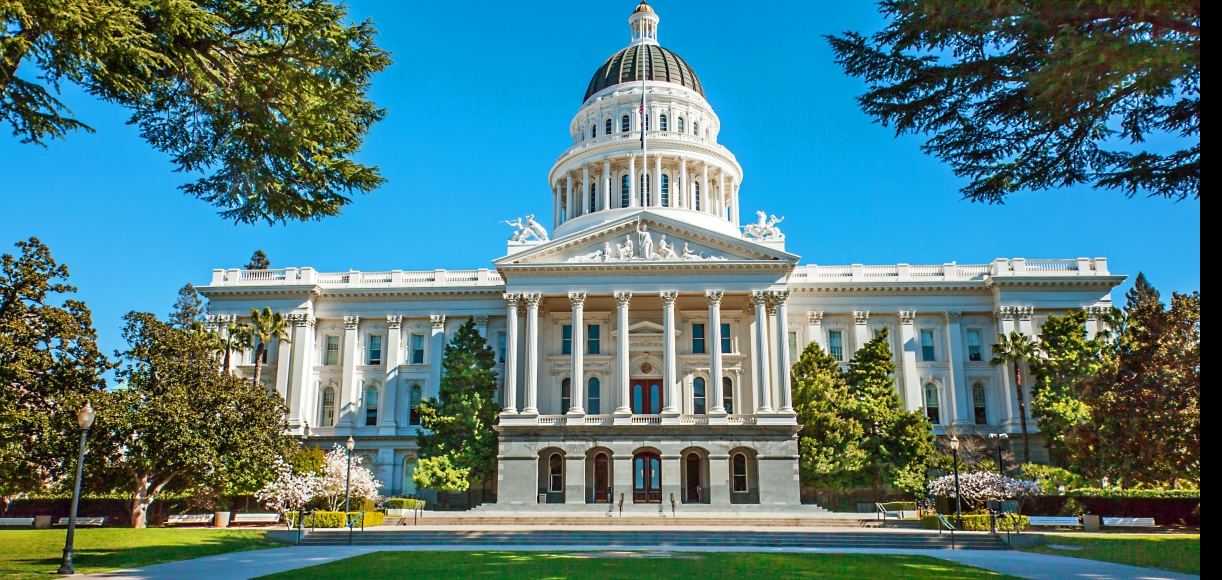
The California State Capitol, majestically situated in the heart of Sacramento, is far more than just a government building; it stands as a monumental landmark embodying the rich history, enduring architecture, and vibrant democracy of the state of California. This iconic structure serves as the seat of the state’s executive and legislative branches, a public museum, and a testament to the aspirations and achievements of one of the most populous and influential states in the United States. From its gleaming dome to its meticulously landscaped grounds, the Capitol invites visitors to explore the corridors of power, delve into historical narratives, and appreciate its architectural splendor. It’s a place where past and present converge, offering a unique window into the processes that shape the lives of millions. Recognised on the National Register of Historic Places, it is a fundamental part of the state’s identity, attracting historians, political enthusiasts, and curious tourists alike to witness its grandeur and significance firsthand.
A Beacon of Californian Governance and History
The California State Capitol is not merely an administrative complex; it is a living symbol of democratic governance and a repository of the state’s historical legacy. Its imposing presence in Sacramento reflects California’s ambitions and achievements since its establishment. This landmark functions as the core of state politics, where laws are debated, enacted, and executed, directly influencing the daily lives of its diverse population. Beyond its governmental functions, the Capitol serves as an educational hub, making the intricacies of state government accessible to the public and fostering a deeper understanding of civic responsibility and democratic principles. Its walls and halls resonate with centuries of political discourse, legislative triumphs, and the ongoing narrative of a dynamic state.
Architectural Grandeur and Design Influences
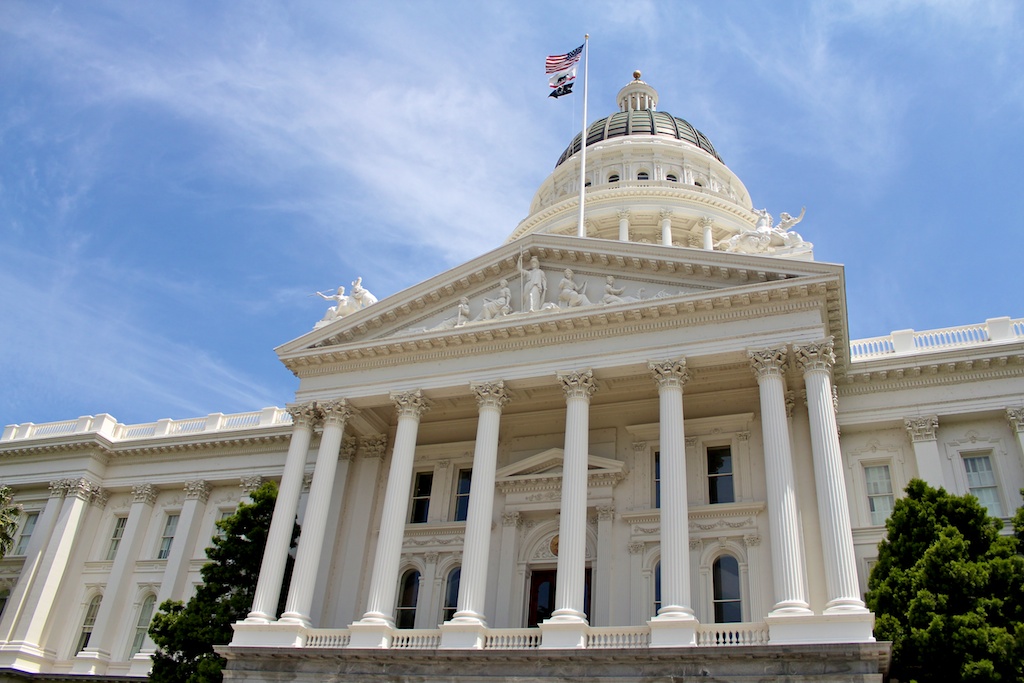
The architecture of the California State Capitol is a masterful blend of Neoclassical and Renaissance Revival styles, drawing inspiration from the U.S. Capitol Building in Washington D.C.. Completed in 1874, the building’s most striking feature is its magnificent dome, towering over the city skyline, capped with a cupola and a gold-leafed orb. The exterior is crafted from durable California granite, giving it a timeless and formidable appearance. Inside, visitors are greeted by opulent interiors, featuring intricate frescoes, polished marble, and elaborate woodwork. The rotunda, a central and breathtaking space, soars upward, adorned with murals depicting pivotal moments in California’s history, including the California Gold Rush and the state’s admission into the Union. The design details, from the elaborate Corinthian columns to the ornate legislative chambers, reflect the grandeur and significance intended for such a vital public edifice.
The Seat of Power: Legislative and Executive Functions
Functionally, the Capitol is divided into two primary wings: the West Wing and the East Wing. The historic West Wing houses the chambers of the California State Legislature, comprising the Senate and the Assembly. These chambers are where elected representatives convene to debate bills, cast votes, and shape state policy. Each chamber is meticulously designed, offering a glimpse into the formal processes of lawmaking. The East Wing, a more modern addition completed in 1952, provides office space for the Governor and other constitutional officers, as well as legislative staff. While the Governor’s formal office is in the East Wing, visitors can often access public areas, including historical offices and exhibits that provide context to the roles played by these key figures. Together, these wings facilitate the complex machinery of state government, making the California State Capitol the undeniable epicenter of political activity in California.
A Journey Through Time: The Capitol’s Rich History
The history of the California State Capitol is as compelling and intricate as the state it represents. Its existence marks a pivotal period in California’s development, from its early days as a frontier state to its emergence as an economic and cultural powerhouse. The selection of Sacramento as the permanent capital in 1854, after a series of temporary locations, underscored the city’s growing importance, largely fueled by the California Gold Rush. The construction of the Capitol itself was a testament to the state’s vision and ambition, reflecting a commitment to establishing a lasting seat of government that would inspire confidence and embody its democratic ideals. Its long and complex construction journey, punctuated by financial challenges and civil conflict, mirrors the turbulent yet ultimately progressive path of California.
From Early Beginnings to the Gold Rush Era
Prior to the current magnificent structure, California had a nomadic capital, with the seat of government moving between San Jose, Vallejo, and Benicia before finally settling in Sacramento. The decision to build a permanent Capitol in Sacramento in 1860, on a site generously donated by the city, was a bold statement. The initial groundbreaking took place in 1860, amidst the feverish excitement and rapid population growth spurred by the California Gold Rush and the subsequent economic boom. The construction process, however, was fraught with difficulties, including the outbreak of the American Civil War, which diverted resources and labor. Despite these challenges, the building slowly took shape, with the first legislative session held within its unfinished walls in 1869. The full completion of the main structure in 1874 marked a significant milestone, providing California with a permanent and distinguished home for its government.
Periods of Renovation and Preservation
Over its more than 150-year history, the California State Capitol has undergone several significant phases of renovation and restoration to ensure its structural integrity and historical authenticity. The most extensive of these was a major restoration project conducted from 1975 to 1982. This ambitious undertaking aimed to meticulously restore the Capitol’s original grandeur, reverse the effects of decades of modifications, and meet modern seismic safety standards. During this period, hundreds of artisans and craftsmen worked to preserve historical details, recreate original finishes, and install modern infrastructure while maintaining the building’s aesthetic integrity. The restoration efforts included strengthening the dome, repairing intricate plasterwork, and conserving historic murals and artifacts. These preservation initiatives underscore the state’s commitment to maintaining the Capitol not only as a functional government building but also as a priceless historical landmark for future generations, ensuring that its stories and architectural beauty continue to inspire.
More Than Just a Government Building: A Public Treasure
Beyond its core function as the nerve center of California’s government, the California State Capitol is revered as a public treasure, welcoming millions of visitors annually. It serves as an accessible symbol of democracy, inviting citizens and tourists alike to connect with their state’s history and participate in its ongoing narrative. The grounds surrounding the Capitol are an integral part of its appeal, offering a serene escape amidst the bustling urban environment of Sacramento. Inside, the building itself functions as a museum, showcasing artifacts, artworks, and exhibits that tell the compelling story of California’s development, its diverse population, and its legislative achievements. This dual role as both a working government building and a public historical site makes the Capitol a truly unique landmark.
The Capitol Park: An Urban Oasis
Surrounding the magnificent building is the sprawling and beautifully maintained Capitol Park, an urban oasis spanning 40 acres. This historic park is much more than just a green space; it is a living museum, featuring a diverse collection of trees and plants from around the world, many of which are native to California. Designed in the late 19th century, the park offers shaded pathways, vibrant floral displays, and numerous memorials that honor significant events and individuals in California’s history. Notable features include the Civil War Memorial Grove, which contains trees planted by veterans, the World Peace Rose Garden with its thousands of roses, and the striking California Vietnam Veterans Memorial, a poignant tribute to those who served. Capitol Park provides a tranquil setting for reflection, recreation, and learning, making it a popular spot for locals and visitors seeking solace and natural beauty in the heart of the city.
Engaging Exhibits and Educational Opportunities
Inside the California State Capitol, visitors can explore a variety of engaging exhibits that bring the state’s history and government to life. The historic offices of former governors, meticulously restored to their period appearance, offer a glimpse into the working lives of past leaders. Throughout the building, numerous artworks, statues, and historical displays chronicle important events, celebrate influential figures, and showcase the cultural tapestry of California. Educational programs and self-guided tours provide insights into the legislative process, the roles of different government branches, and the evolution of the state itself. These resources are invaluable for students, researchers, and anyone interested in understanding the foundational elements of California’s governance and heritage. The combination of active legislative sessions and accessible historical exhibits ensures that the Capitol remains a dynamic and enriching educational experience for all who walk its halls.
Planning Your Visit: Experiencing the Landmark
Visiting the California State Capitol is an essential experience for anyone interested in California’s history, government, or iconic architecture. Whether you’re a first-time tourist to Sacramento or a curious resident, the Capitol offers a range of ways to engage with its significance. Its central location makes it easily accessible, and the thoughtful provisions for visitors ensure a comfortable and informative journey through this landmark. Understanding the best ways to explore the building and its surrounding park can greatly enhance the overall experience, allowing visitors to fully appreciate its multifaceted roles.
Guided Tours and Self-Exploration
The California State Capitol offers both guided tours and opportunities for self-guided exploration. Guided tours, led by knowledgeable docents, provide an in-depth look at the building’s architecture, history, and current governmental functions. These tours typically cover the historic chambers of the Senate and Assembly, the Rotunda, and various historical rooms and exhibits, offering fascinating anecdotes and historical context. For those who prefer to explore at their own pace, self-guided visits are also highly rewarding. Informational brochures are available, and signs throughout the building provide details on significant areas. Visitors can wander through the public areas, observe legislative sessions when in progress (subject to public access rules), and soak in the atmosphere of this historic place. Don’t forget to allocate time to stroll through Capitol Park, where each tree and memorial has a story to tell.
Accessibility and Visitor Information
The California State Capitol is committed to being accessible to all visitors. The building features ramps, elevators, and accessible restrooms to accommodate individuals with mobility challenges. Public parking is available nearby, and the Capitol is also well-served by public transportation in Sacramento. Visitors are advised to check the official California State Capitol Museum website for the most up-to-date information on operating hours, tour schedules, security procedures, and any temporary closures or special events. Security checks are mandatory upon entry, so it is advisable to arrive a little early, especially if you plan to join a guided tour. Planning ahead ensures a smooth and enjoyable visit to this vital California landmark.
The Capitol’s Enduring Significance
The California State Capitol stands as an enduring symbol of more than just state government; it embodies the spirit of California itself. It represents a continuous narrative of growth, change, and the pursuit of a progressive future, reflecting the diverse aspirations of its populace. Its majestic presence in Sacramento serves as a constant reminder of the democratic ideals upon which the state and nation were founded. As a landmark, it transcends its physical form to become a repository of collective memory, a forum for ongoing debate, and a source of inspiration for civic engagement.
A Symbol of Democracy and Progress
For over a century and a half, the California State Capitol has been a steadfast symbol of democracy and progress. It is within these walls that landmark legislation has been passed, addressing critical issues ranging from environmental protection and civil rights to economic development and social justice. The building has witnessed pivotal moments in California’s political history, serving as a platform for countless debates that have shaped the lives of its residents. Each legislative session held here adds another chapter to the state’s story, reinforcing its role as a dynamic leader in the United States. Its enduring operation signifies the resilience of democratic institutions and the ongoing commitment to progress that defines the Californian ethos.

Contributing to Sacramento’s Identity
The California State Capitol is inextricably linked to the identity of Sacramento. As the state capital, it has been the primary driver of the city’s growth and development, establishing Sacramento as a significant political and cultural center. The architectural beauty of the Capitol, coupled with the tranquility of Capitol Park, draws visitors from around the globe, making it a cornerstone of the city’s tourism industry. Its presence contributes to the vibrant downtown area, influencing urban planning, public services, and cultural events. The Capitol is not merely a building in Sacramento; it is the very heart of the city, defining its character and its role on the national stage. As a landmark, it continues to inspire awe and curiosity, inviting all to discover the rich tapestry of California’s heritage.
LifeOutOfTheBox is a participant in the Amazon Services LLC Associates Program, an affiliate advertising program designed to provide a means for sites to earn advertising fees by advertising and linking to Amazon.com. Amazon, the Amazon logo, AmazonSupply, and the AmazonSupply logo are trademarks of Amazon.com, Inc. or its affiliates. As an Amazon Associate we earn affiliate commissions from qualifying purchases.