
When envisioning California, many minds immediately conjure images of the sun-drenched beaches of Los Angeles, the iconic Golden Gate Bridge of San Francisco, or the vibrant coastal culture of San Diego. These global cities, with their star-studded allure and breathtaking natural beauty, often overshadow the state’s true political heart. Yet, tucked away in the fertile Central Valley, lies Sacramento – the enduring capital city of the Golden State.
Far more than just a center of government, Sacramento is a city brimming with fascinating history, a burgeoning culinary scene, diverse cultural attractions, and an accessible charm that makes it an exceptional, yet often overlooked, travel destination. For those seeking to delve deeper into California’s story, understand its political landscape, or simply enjoy a city rich in character without the relentless pace of its larger counterparts, Sacramento offers a compelling array of experiences. This article will guide you through the multifaceted appeal of California’s capital, exploring its historical significance, unique attractions, and its position as a gateway to broader regional adventures.
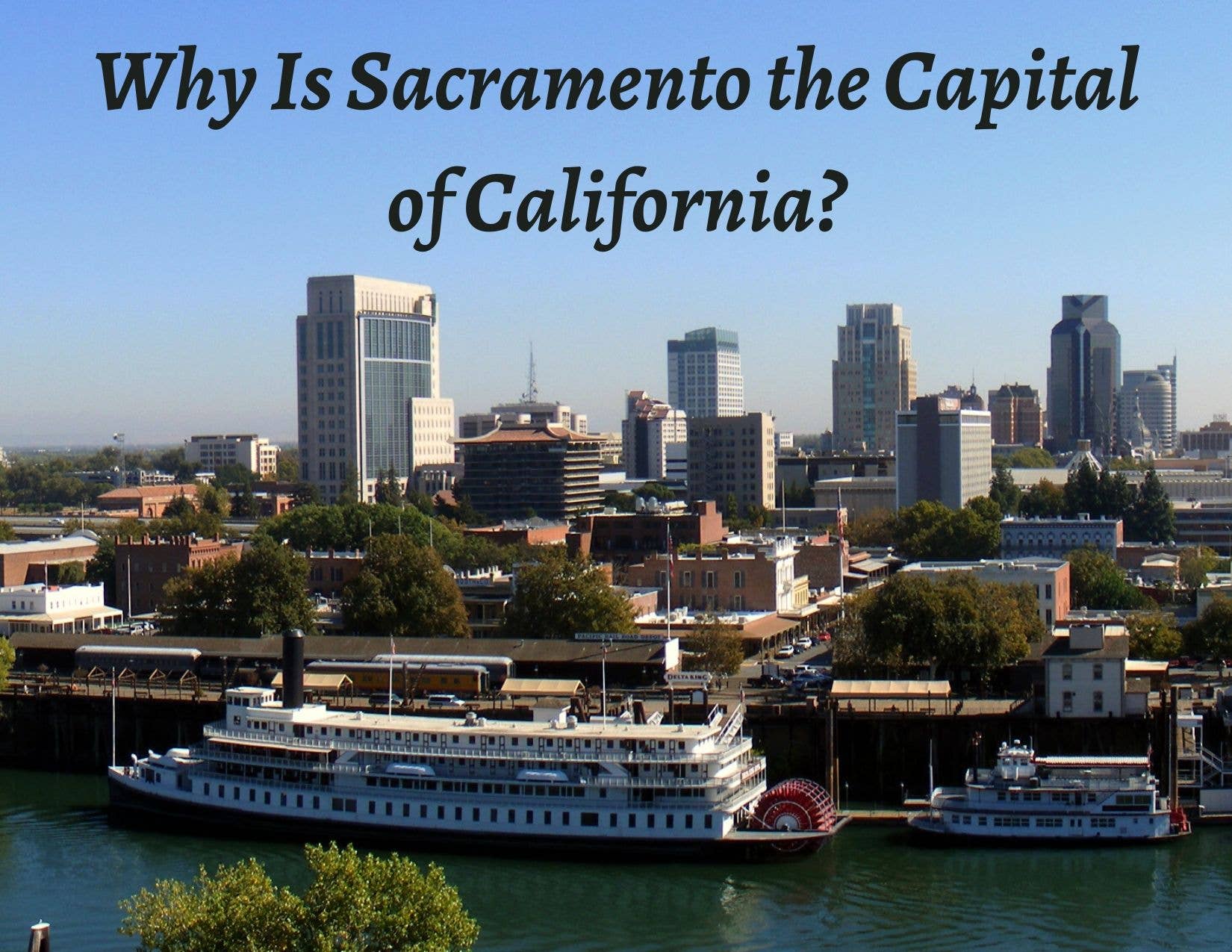
Sacramento: California’s Enduring Capital
The selection of Sacramento as California’s capital was not an arbitrary decision but a testament to its strategic location and pivotal role in the state’s formative years. While the capital moved several times in the early days of statehood, Sacramento ultimately solidified its position due to a confluence of geographical and historical factors that continue to define its identity today.
A Legacy Etched in Gold Rush History
Sacramento’s origins are inextricably linked to one of the most transformative periods in American history: the California Gold Rush. Founded in 1849 at the confluence of the Sacramento River and the American River, the city quickly became a vital supply center for thousands of prospectors flocking to the goldfields of the Sierra Nevada foothills. Its river access made it a crucial port for goods and people traveling inland, establishing it as a commercial hub.
The discovery of gold at Sutter’s Fort State Historic Park in 1848 by John Sutter, though not directly in Sacramento itself, was the spark that ignited this boom. The subsequent influx of population and wealth transformed the region, and Sacramento, with its burgeoning infrastructure and strategic location, quickly outgrew its peers. The city’s role as a major transportation and commercial center, coupled with its central location within the state, made it a practical and accessible choice for the seat of government. This rich pioneering spirit and the echoes of the Gold Rush are still palpable, particularly in the historic districts that preserve its early architecture and stories.
The Seat of California’s Government
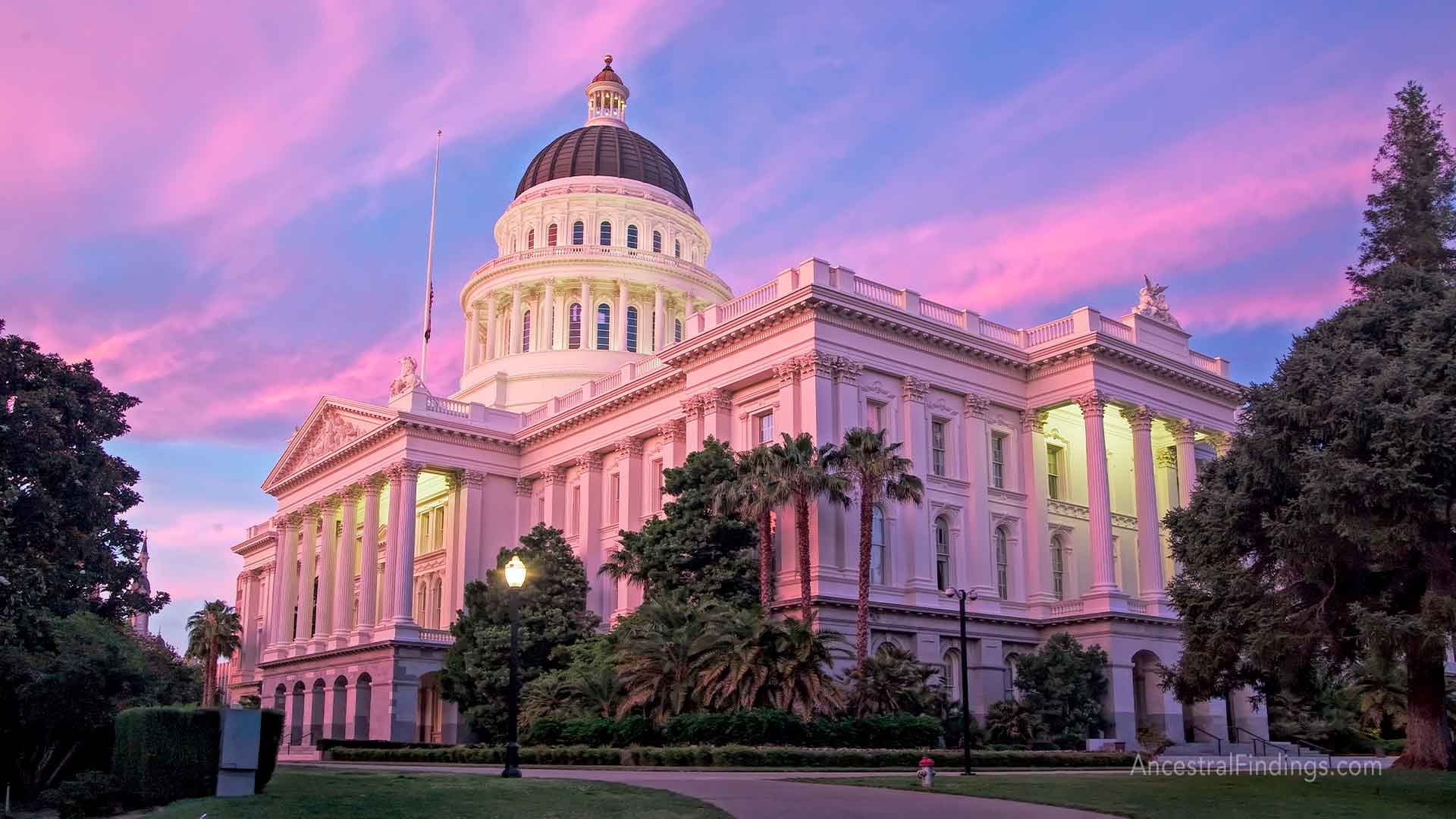
At the heart of downtown Sacramento stands the magnificent California State Capitol Museum. This architectural marvel, completed in 1874, is not only the working seat of California’s government, housing the offices of the Governor and the state legislature, but also a public museum. Its grand dome, neoclassical design, and meticulously landscaped grounds within Capitol Park are symbols of state power and democratic governance.
Visitors can explore the historic chambers, admire the intricate details of its interior, and gain insight into the legislative process that shapes one of the world’s largest economies. The surrounding Capitol Park is an arboretum featuring trees and plants from around the globe, offering a tranquil escape and a beautiful setting for a stroll. The presence of the capitol means Sacramento is consistently a hub for political discourse, policy-making, and civic engagement, providing a unique dimension to its identity as a destination. It’s a place where history is made daily, standing on foundations laid by generations past.
Exploring Sacramento’s Unique Charm and Attractions
Beyond its governmental importance, Sacramento boasts a captivating blend of historical preservation, artistic expression, and a burgeoning culinary identity that appeals to a diverse range of travelers. The city offers a more relaxed pace than its bustling coastal cousins, allowing visitors to immerse themselves fully in its distinct character.
Old Sacramento State Historic Park: A Step Back in Time
Perhaps Sacramento’s most iconic attraction, Old Sacramento State Historic Park transports visitors straight back to the 19th century. This meticulously preserved district, a National Historic Landmark, lines the Sacramento River waterfront and features cobblestone streets, wooden sidewalks, and beautifully restored buildings that once housed saloons, general stores, and bustling riverfront businesses.
Here, travelers can ride historic train cars at the world-renowned California State Railroad Museum, which houses one of the most impressive collections of railroad artifacts and locomotives in North America. Beyond trains, visitors can explore the history of the Pony Express, enjoy riverboat cruises on the Sacramento River, or simply wander through the shops and restaurants that now occupy these historic structures. The area is alive with street performers, horse-drawn carriages, and a vibrant energy that perfectly captures the spirit of the Gold Rush era. The nearby Tower Bridge, an art deco masterpiece, stands as a grand gateway to this historic district, connecting the past with the present.
Cultural Gems and Artistic Expressions
Sacramento is also a city that celebrates art and culture with passion. The Crocker Art Museum, established in 1885, holds the distinction of being the oldest art museum in the Western United States. Its impressive collection spans from European master drawings and California art to international ceramics and contemporary works, housed within a magnificent Victorian mansion and a modern wing.
Beyond the Crocker Art Museum, the city offers a vibrant performing arts scene, with numerous theaters and venues hosting everything from Broadway shows to local productions. The Golden 1 Center, a state-of-the-art arena, not only serves as home to the Sacramento Kings NBA team but also hosts major concerts and events, solidifying the city’s place on the national entertainment map. Public art, from murals adorning buildings to sculptures in parks like Capitol Park, further enriches the urban landscape, making artistic discovery an integral part of any visit. Historic homes like the Stanford Mansion State Historic Park also offer a glimpse into the lives of California’s early influential figures.
Farm-to-Fork Capital: A Culinary Journey
In recent years, Sacramento has proudly embraced its identity as “America’s Farm-to-Fork Capital.” Situated in the heart of one of the world’s most productive agricultural regions, the city benefits from an unparalleled abundance of fresh, locally sourced ingredients. This proximity to farms, orchards, and vineyards has fostered a dynamic and innovative culinary scene focused on seasonal flavors and sustainable practices.
Visitors can indulge in an incredible array of dining experiences, from upscale farm-to-table restaurants offering sophisticated menus to casual eateries and bustling farmers markets brimming with fresh produce, artisan goods, and prepared foods. The annual Farm-to-Fork Festival in September draws thousands, celebrating the region’s agricultural bounty with tastings, cooking demonstrations, and live music. Exploring Sacramento’s food scene is not just about eating; it’s about connecting with the land, understanding the journey of food from field to plate, and savoring the authentic flavors of California.
Beyond the City Limits: Day Trips and Regional Exploration
Sacramento’s central location in California makes it an ideal base for exploring a diverse range of natural wonders and charming towns just a short drive away. Its position at the crossroads of various geographical regions means that visitors can easily transition from urban exploration to outdoor adventure or wine country indulgence.
Wine Tasting in Lodi and Amador County
Just a short drive south and east of Sacramento, lies the renowned wine region of Lodi. Famous for its old vine Zinfandels, Lodi boasts over 85 wineries, many of which are family-owned and offer intimate tasting experiences. The region’s warm days and cool evenings, influenced by the nearby San Francisco Bay Delta, create ideal conditions for a variety of grape varietals.
Further into the Sierra Nevada foothills, Amador County offers another distinct wine experience. This historic Gold Rush region is celebrated for its robust Zinfandels, Barberas, and other Italian varietals. The charming, unpretentious wineries often provide stunning views of the rolling hills, making for a picturesque day of wine tasting and exploration. Both Lodi and Amador County provide a delightful contrast to the more famous, and often crowded, Napa Valley and Sonoma regions.
Gateway to the Sierra Nevada
For outdoor enthusiasts, Sacramento serves as a convenient gateway to the majestic Sierra Nevada mountains. Within a two-hour drive, travelers can reach the pristine waters and towering peaks of Lake Tahoe, offering year-round recreational opportunities. In winter, world-class skiing and snowboarding dominate, while summer invites hiking, mountain biking, boating, and swimming in the crystal-clear alpine lake.
The foothills of the Sierra Nevada also offer myriad adventures, from whitewater rafting on the American River to exploring the historic Gold Rush towns like Placerville and Coloma, where the first gold was discovered. The easy access to such diverse natural landscapes makes Sacramento an excellent starting point for those looking to combine urban exploration with mountain escapes.
Exploring the Delta Region
To the southwest of Sacramento lies the unique and expansive Delta Region, a network of waterways, islands, and levees where the Sacramento River and San Joaquin River converge before flowing into San Francisco Bay. This tranquil area is a haven for boating, fishing, and birdwatching, offering a distinct landscape of rural charm and natural beauty.
Visitors can explore quaint delta towns such as Locke, a historic Chinese-American community, or enjoy scenic drives along winding roads that crisscross the agricultural landscape. The Delta Region provides a peaceful contrast to the city’s bustle, inviting travelers to slow down and appreciate California’s lesser-known natural treasures and its agricultural backbone.
Planning Your Visit to Sacramento
Visiting Sacramento is a delightful experience, whether you’re interested in history, food, culture, or simply a relaxed urban getaway. Its accessibility and manageable size make it an appealing destination for a weekend trip or as part of a larger California itinerary.
Best Time to Visit
Sacramento experiences a Mediterranean climate, characterized by hot, dry summers and mild, wet winters. The spring (April-May) and fall (September-October) months are arguably the best times to visit. During these seasons, temperatures are pleasant, ideal for walking around Old Sacramento State Historic Park and enjoying outdoor dining. Spring brings blooming flowers to Capitol Park, while fall coincides with the celebrated Farm-to-Fork Festival and harvest season in the nearby wine regions.
Summers (June-August) can be quite hot, with temperatures often exceeding 90°F (32°C), though the evenings typically cool down. Winters (November-March) are mild, with occasional rain, but offer fewer crowds and opportunities for cozy indoor explorations of museums and government buildings.
Getting Around
Sacramento’s downtown and midtown areas are highly walkable, making it easy to explore many of its key attractions on foot, including the California State Capitol Museum, Capitol Park, and the Crocker Art Museum. The city also has a robust public transportation system, including light rail and buses, operated by SacRT, which can take you to various neighborhoods and attractions, including Old Sacramento State Historic Park and the Golden 1 Center.
For venturing beyond the immediate city center, especially to explore the wine regions, the Sierra Nevada foothills, or the Delta Region, renting a car is highly recommended. Sacramento is easily accessible via several major freeways and has its own international airport (Sacramento International Airport, SMF).
Accommodation Options
As a capital city and a growing travel destination, Sacramento offers a wide range of accommodation choices to suit various preferences and budgets. From historic hotels in Old Sacramento State Historic Park to modern downtown establishments and charming boutique inns in the midtown area, visitors will find comfortable and convenient places to stay. Many options place you within easy reach of the city’s vibrant dining scene and cultural attractions, ensuring a pleasant and engaging visit.

Conclusion
While California is celebrated globally for its sprawling metropolises and iconic natural landmarks, it is Sacramento that quietly serves as the state’s enduring capital, a testament to its historical significance and strategic importance. Often overshadowed, this vibrant city offers a rich tapestry of experiences that extend far beyond its governmental functions. From the cobblestone streets of Old Sacramento State Historic Park and the grandeur of the California State Capitol Museum to its innovative farm-to-fork culinary scene and proximity to diverse regional adventures, Sacramento presents a compelling destination for any traveler.
For those seeking to uncover the authentic spirit of California, steeped in Gold Rush history, brimming with cultural vitality, and deeply connected to its agricultural roots, a visit to Sacramento is an essential journey. It’s a city that invites exploration, promising insightful experiences and a unique perspective on the Golden State, making it a truly rewarding addition to any travel itinerary.
LifeOutOfTheBox is a participant in the Amazon Services LLC Associates Program, an affiliate advertising program designed to provide a means for sites to earn advertising fees by advertising and linking to Amazon.com. Amazon, the Amazon logo, AmazonSupply, and the AmazonSupply logo are trademarks of Amazon.com, Inc. or its affiliates. As an Amazon Associate we earn affiliate commissions from qualifying purchases.