
For anyone planning a trip, connecting with loved ones, or conducting business across continents, a seemingly simple question like “What time is it in California right now?” carries profound implications. The Golden State, a sprawling beacon of innovation, entertainment, and natural beauty, operates on a unique rhythm governed by its time zone. For travelers, understanding this rhythm is not merely a matter of curiosity; it’s a fundamental aspect of seamless trip planning, effective communication, and maximizing every moment of their California adventure. This article delves into the intricacies of California’s time zone, exploring how this vital piece of information shapes travel experiences, from booking flights and coordinating meetings to savoring sunrise hikes and sunset dinners across its diverse landscapes.
The Golden State’s Time Zone Demystified for Travelers
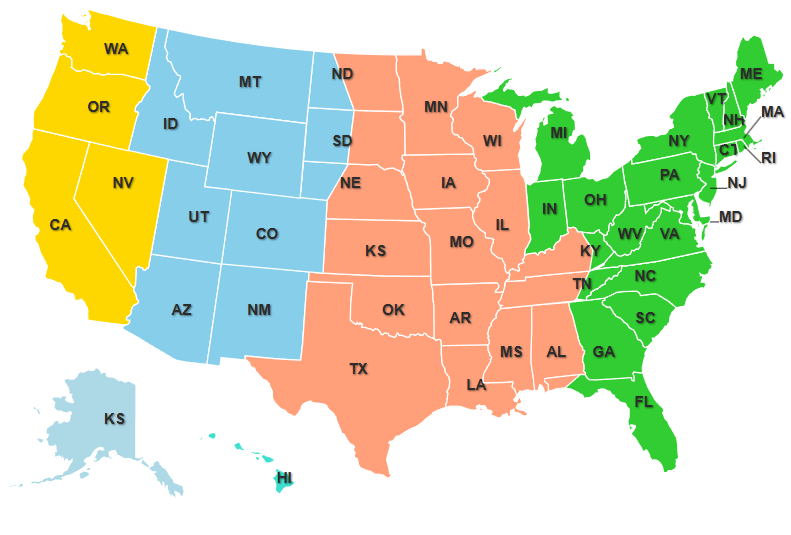
California adheres to the Pacific Time Zone, which is observed across the westernmost United States, parts of Canada, and Mexico. While the question of “right now” depends on the precise moment of inquiry, understanding the fixed offset is key. Pacific Time is typically 8 hours behind Coordinated Universal Time (UTC-8) during standard time and 7 hours behind (UTC-7) during daylight saving time. This consistent adherence ensures that whether you’re planning a visit to the bustling streets of Los Angeles, the iconic landmarks of San Francisco, or the serene vineyards of Napa Valley, the time zone remains constant throughout the state.
Pacific Standard Time (PST) vs. Pacific Daylight Time (PDT)
The concept of Daylight Saving Time (DST) is crucial for anyone interacting with California’s schedule. Most of California observes DST, meaning clocks “spring forward” one hour in early March and “fall back” one hour in early November.
- Pacific Standard Time (PST): This is the baseline time, observed from early November to early March, when the state is UTC-8.
- Pacific Daylight Time (PDT): During the warmer months, from early March to early November, clocks are advanced by an hour, making California UTC-7. This shift maximizes evening daylight, a welcome change for tourists and locals alike, extending opportunities for outdoor activities and evening excursions. Travelers should always verify which time is currently in effect, especially when planning travel across these transition periods, to avoid confusion with schedules and reservations.
Why California’s Time Matters for Your Trip
Knowing California’s current time and its relation to your own local time is paramount for a stress-free travel experience. Beyond the obvious impact on arrival and departure times, it influences everything from confirming hotel bookings to arranging sightseeing tours. A business traveler flying in for a morning meeting in San Diego must factor in the time difference to ensure punctuality, while a leisure traveler keen to explore Yosemite National Park needs to align their internal clock to park opening hours and guided tour schedules. Miscalculating the time could lead to missed connections, forfeited reservations, or simply a disorienting start to what should be an exciting journey.
Navigating Time Differences: Essential for Travel Planning
For travelers heading to California from another time zone, managing the temporal shift is a key part of preparation. It’s not just about knowing the current time, but understanding how to integrate that knowledge into a coherent travel itinerary.
Flights and Arrivals: Syncing Your Clock
Airline tickets and travel apps usually display times in the local time zone of departure and arrival. However, travelers must be mentally prepared for the time jump, particularly when arriving from the east coast of the USA or international destinations. A flight from New York landing in Los Angeles at 10:00 AM Pacific Time might feel like 1:00 PM to someone coming from Eastern Time. This awareness helps in scheduling pre-arrival tasks, coordinating airport pickups, and ensuring a smooth transition upon landing. Immediately setting your watch or phone to Pacific Time upon boarding can be a useful psychological and practical step.
Accommodation Check-ins and Check-outs
Hotels, resorts, and vacation rentals in California strictly adhere to local time for check-in and check-out procedures. Typically, check-in is in the afternoon (e.g., 3:00 PM Pacific Time), and check-out is in the late morning (e.g., 11:00 AM Pacific Time). If you arrive significantly earlier or depart much later due to flight schedules, knowing the local time allows you to arrange for early check-in or late check-out, or plan alternative activities, such as luggage storage and exploring nearby attractions like the Santa Monica Pier or Fisherman’s Wharf, until your room is ready or your transport departs.
Activity Planning and Reservations
California offers an endless array of activities, from theme parks like Disneyland to cultural institutions, wine tours, and outdoor adventures. Each has specific operating hours and often requires advance reservations. When booking online from a different time zone, it’s critical to confirm that the displayed times correspond to Pacific Time. Missing a reservation for a sought-after restaurant in San Francisco or a tour of the Hollywood Walk of Fame due to a time zone miscalculation can be a frustrating setback. Always double-check event start times, museum closing hours, and tour departure schedules with the local California time in mind.

Enhancing Your California Experience Through Time Awareness
Beyond the practicalities, a keen awareness of California’s time zone can significantly enhance the quality of your travel experience, allowing for deeper engagement and smoother interactions.
Business Travel and Remote Work Considerations
For professionals, managing time differences is not just a convenience; it’s a necessity. Business travel to California’s tech hubs in Silicon Valley or financial districts in Los Angeles demands precise timing for meetings, presentations, and client calls. Similarly, the growing trend of remote work means many individuals are coordinating with teams or clients based in California. Tools like world clock apps and calendar integration that automatically adjust for time zones are indispensable for maintaining productivity and avoiding scheduling conflicts. Effective time management in a multi-time zone environment is a hallmark of professional competence.
Connecting with Locals and Family: The Art of Timing
Whether you have family in San Diego, friends in Sacramento, or wish to interact with locals, understanding the time difference guides your communication. A spontaneous phone call or video chat with someone in California from the East Coast might mean waking them up if not timed correctly. Being mindful of their active hours ensures you connect respectfully and effectively, fostering stronger relationships and more pleasant interactions during your stay or from afar. This also applies to reaching out to local businesses or services; calling during their operating hours ensures you get the assistance you need promptly.
Maximizing Sightseeing and Dining Experiences
California’s appeal lies in its diverse offerings, from sun-drenched beaches to majestic redwood forests. Your awareness of local time impacts when you choose to experience these. Catching the sunrise over the Grand Canyon (which is not in California, but often combined with trips to the region) requires an early start relative to local time, while enjoying a sunset over the Pacific Ocean means knowing when twilight begins. Similarly, popular dining experiences in culinary hotspots often have peak hours. Booking a table for dinner in Beverly Hills at 7:00 PM Pacific Time will put you right in the middle of the local rush, offering a vibrant atmosphere. Adjusting your internal clock and planning accordingly allows you to fully immerse yourself in the local pace and make the most of every scenic view and gastronomic delight.
Overcoming Jet Lag and Adapting to California’s Rhythm
For long-haul travelers, dealing with jet lag is an inevitable part of the journey. The physical and mental disorientation caused by rapid time zone shifts can significantly impact the initial days of a trip. Effectively managing this transition is crucial for a productive and enjoyable visit to California.
Pre-Arrival Strategies for Time Zone Adjustment
Preparing for the time shift before you even depart can make a world of difference.
- Gradual Shift: A few days before your trip, try to gradually adjust your sleep schedule by an hour or two each day towards Pacific Time.
- Hydration and Sleep: Stay well-hydrated and prioritize restful sleep in the days leading up to your flight.
- In-Flight Mindset: As soon as you board your flight, mentally switch to California time. Adjust your watch, eat according to California mealtimes, and try to sleep when it’s night in California.
On-the-Ground Tips for a Smooth Transition
Once you land in California, immediate immersion into the local schedule is key.
- Embrace Daylight: Seek out natural light, especially in the morning, to help reset your circadian rhythm. Take a walk along the beach in Santa Monica or explore a park in San Francisco.
- Stay Active: Gentle exercise can help combat fatigue and promote better sleep later.
- Eat Locally: Align your meal times with local California schedules, even if you don’t feel hungry at first.
- Avoid Naps (Initially): While tempting, long naps can prolong jet lag. If you must nap, keep it short (20-30 minutes).
- Prioritize Sleep: Ensure your first few nights in California are dedicated to good quality sleep, even if it means an early bedtime.
Technology to Aid Your Time Management
Modern technology offers invaluable assistance for travelers navigating time zones. Smartphone apps with world clocks, automatic time zone detection, and jet lag calculators can be incredibly helpful. Setting multiple alarms – one for your original time and one for Pacific Time – can also provide a gradual adjustment without completely losing track of home. Utilise calendar tools that adjust meeting times based on participants’ locations, ensuring everyone is on the same page regardless of their physical presence. Such digital aids are crucial for seamless time management during your California travels.
In conclusion, while the question “What is the time in USA California right now?” seems straightforward, its implications for travelers are extensive. Embracing and understanding the nuances of California’s Pacific Time Zone, including its Daylight Saving Time shifts, is a cornerstone of effective travel planning. From punctual arrivals and well-coordinated itineraries to smooth communication and successful jet lag recovery, syncing with California’s clock will undoubtedly enrich your journey through this dynamic and captivating state.
LifeOutOfTheBox is a participant in the Amazon Services LLC Associates Program, an affiliate advertising program designed to provide a means for sites to earn advertising fees by advertising and linking to Amazon.com. Amazon, the Amazon logo, AmazonSupply, and the AmazonSupply logo are trademarks of Amazon.com, Inc. or its affiliates. As an Amazon Associate we earn affiliate commissions from qualifying purchases.