
Chicago, a titan of the American Midwest, stands as a testament to human ingenuity, architectural ambition, and a vibrant cultural tapestry. Yet, among its many accolades and nicknames, none is quite as universally recognized, or as frequently misunderstood, as “The Windy City.” For many first-time visitors or those simply pondering the moniker from afar, the immediate assumption is often tied to its weather patterns – a city perpetually buffeted by strong gusts. While the city certainly experiences its share of brisk air, the true origin story of this iconic nickname is far richer, steeped in historical rivalry, journalistic wit, and a touch of local pride. Unpacking the layers of this fascinating appellation reveals not only a glimpse into Chicago’s past but also highlights the enduring spirit that makes it a world-class destination for travel, tourism, and unforgettable experiences.
The Myth vs. The Reality: Unpacking the “Windy City” Moniker
The question of why Chicago is called “The Windy City” often leads to a lively debate, oscillating between meteorological facts and intriguing historical anecdotes. Both sides hold a kernel of truth, contributing to the multifaceted identity of this magnificent metropolis. Understanding these dual narratives is key to appreciating the depth of its character.
Literal Wind: A Climatic Factor
It’s impossible to entirely dismiss the literal interpretation of “windy” when it comes to Chicago. The city’s geographical location plays a significant role in its atmospheric conditions. Situated prominently on the southwestern shores of Lake Michigan, Chicago’s flat topography offers little obstruction to prevailing winds, particularly those sweeping in across the vast expanse of the lake. This natural funnel effect, combined with its continental climate, results in genuinely brisk conditions throughout much of the year, especially during the colder months.
Visitors and residents alike can attest to the powerful gusts that can whip down city streets, making a warm coat and sturdy umbrella essential accessories for anyone exploring its outdoor attractions. The phenomenon is particularly noticeable along the lakefront, where the cool lake breeze is a welcome respite in summer but can be biting in winter. Average wind speeds in Chicago are indeed higher than many other major U.S. cities, registering around 10 to 12 miles per hour on average, with frequent spikes well beyond that. So, while it may not be the absolute windiest city in the world by scientific metrics, the perception of its windiness is certainly grounded in everyday experience. Travelers planning their itineraries should always factor in the potential for strong winds, particularly if outdoor activities like architectural boat tours or strolls through Millennium Park are on the agenda.
The Journalistic Origin Story
Despite the very real climatic conditions, historians and linguists generally agree that the true genesis of “The Windy City” nickname lies not in meteorology, but in a colorful journalistic rivalry that unfolded in the late 19th century. The most widely accepted theory points to a specific quote attributed to Charles Dana, the editor of the New York Sun.
In the 1890s, Chicago and New York City were locked in fierce competition, particularly over which city would host the World’s Columbian Exposition of 1893. Chicagoans, known for their boundless optimism and ambitious spirit, were lobbying aggressively for the honor, often engaging in what was perceived by their East Coast rivals as boastful rhetoric about their city’s rapid growth and future prospects. It was in this context, in an editorial in 1890, that Charles Dana allegedly remarked, “Don’t pay any attention to the nonsensical claims of that windy city. It is impossible that Chicago can ever catch up with New York.”
In this context, “windy” wasn’t referring to the weather, but rather to the “windbag” nature of Chicago’s politicians and promoters – full of hot air, bluster, and empty talk. The nickname stuck, perhaps due to its clever double entendre that played on both the city’s perceived boastfulness and its actual weather. The irony, of course, is that Chicago ultimately won the bid to host the Exposition, and the “windy” label, originally intended as an insult, was slowly reappropriated by Chicagoans themselves, shedding its pejorative origins to become a point of enduring identity. This fascinating historical backdrop offers a unique lens through which to understand the city’s self-perception and its tenacious drive to constantly reinvent itself.
Beyond the Breeze: Chicago’s Enduring Appeal for Travelers
While the nickname offers a quirky insight into Chicago’s past, the city’s present-day allure for travelers extends far beyond its winds – real or metaphorical. From stunning architecture to world-class cuisine and a vibrant cultural scene, Chicago consistently ranks as a top global destination, catering to every travel style, from luxury getaways to budget-conscious adventures and family trips.
Architectural Marvels and Iconic Landmarks
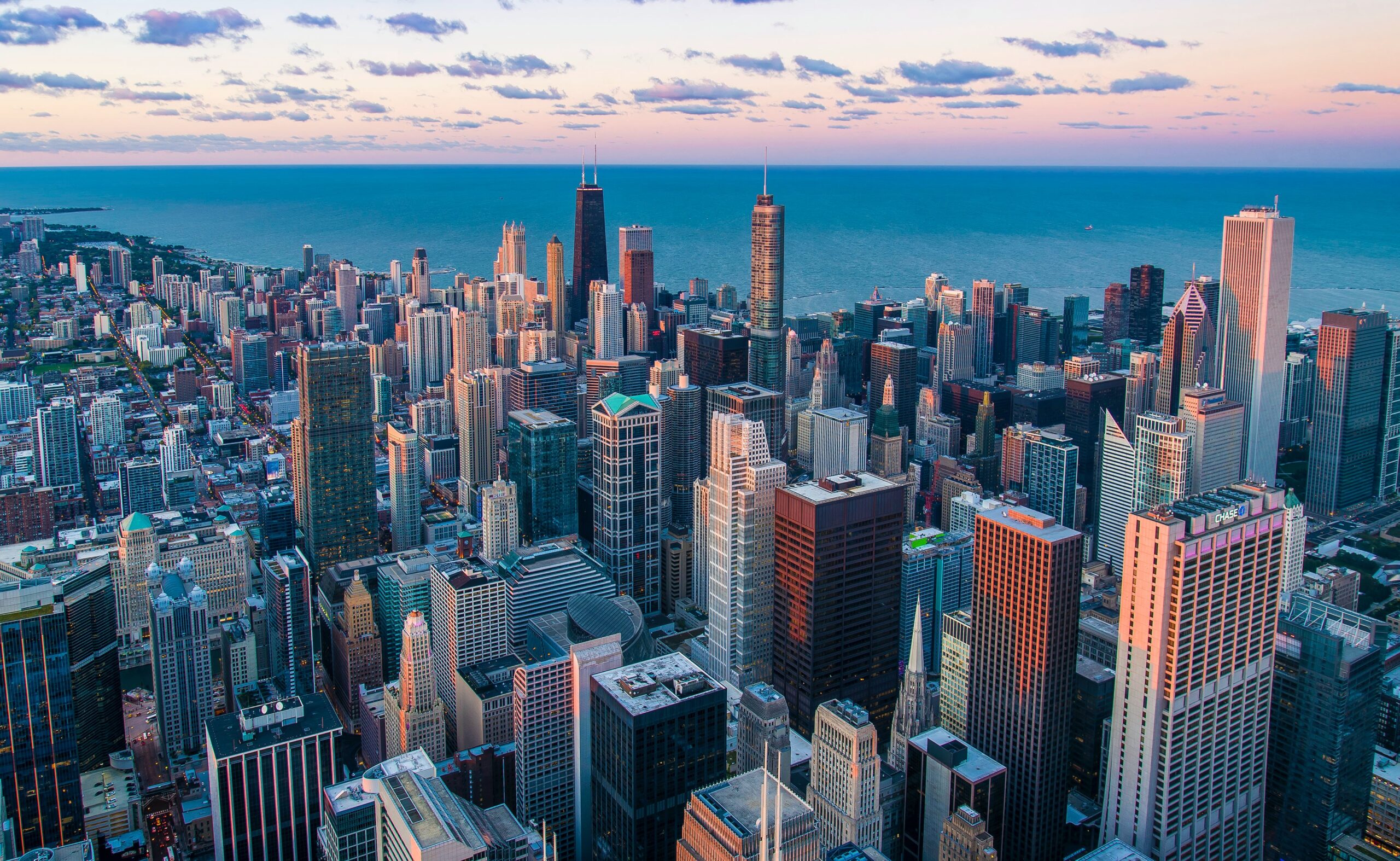
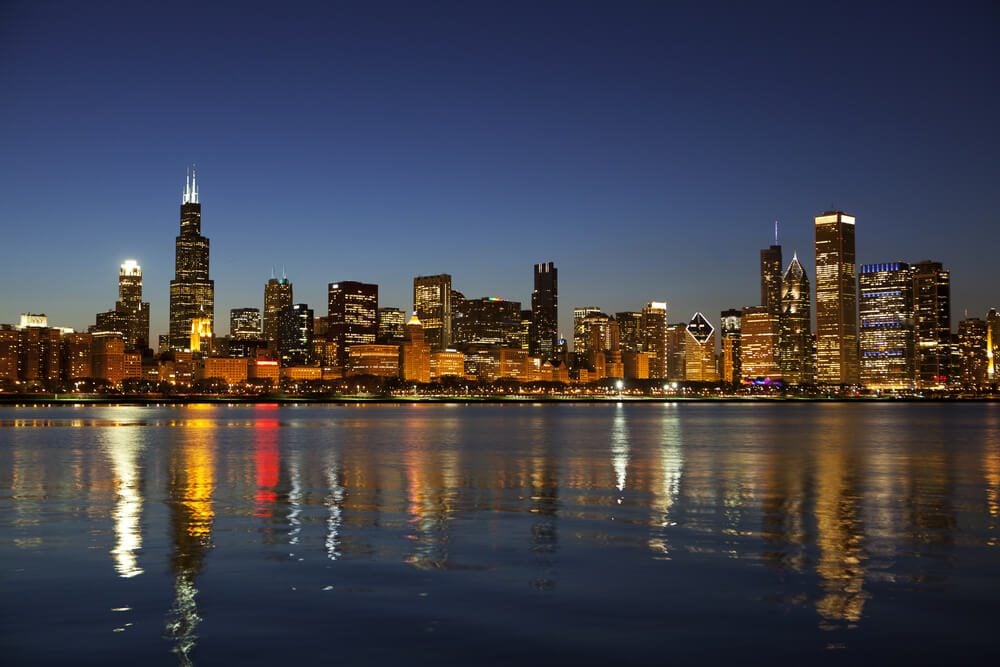
Chicago’s skyline is an unparalleled symphony of steel and glass, a living museum of architectural innovation. After the devastating Great Chicago Fire of 1871, the city rose from the ashes with an unprecedented commitment to bold design, becoming the birthplace of the skyscraper. Today, architectural enthusiasts flock to witness its towering achievements.
The magnificent Willis Tower, formerly known as the Sears Tower, remains an iconic symbol, offering breathtaking panoramic views from its Skydeck. Nearby, Millennium Park hosts the captivating Cloud Gate sculpture, affectionately known as “The Bean,” a reflective masterpiece that draws crowds year-round. Other must-see landmarks include the historic Art Institute of Chicago, home to an extraordinary collection of art, and the bustling Navy Pier, offering entertainment, dining, and unparalleled views of the city skyline and Lake Michigan. For a deeper dive into the city’s design legacy, an architectural boat tour along the Chicago River is an absolute must, providing insightful commentary and unique perspectives on these structural giants. These landmarks are not just buildings; they are integral to the city’s history and offer unforgettable experiences for visitors.
A Culinary Journey and Vibrant Culture
Chicago is a feast for the senses, especially for food lovers. No visit is complete without indulging in its legendary deep-dish pizza, a decadent, saucy, and cheesy creation that has sparked countless debates (and cravings) worldwide. Beyond pizza, the city boasts an incredible culinary landscape, from gourmet dining establishments to casual eateries serving up iconic Chicago hot dogs. Food tours offer a fantastic way to sample local delicacies and dive into the city’s diverse gastronomic scene.
Culturally, Chicago is a powerhouse. It is globally renowned as the heartland of American blues and jazz, with countless clubs and venues offering live music nightly. The city’s theater scene is also thriving, from Broadway in Chicago productions to innovative independent performances. Its museum campus is second to none, featuring the awe-inspiring Field Museum with its natural history treasures, and the captivating Shedd Aquarium, home to thousands of aquatic species. These cultural institutions provide rich insights into human history, art, and the natural world, offering engaging activities for all ages and interests. Exploring Chicago’s distinct neighborhoods, each with its unique character, shops, and local charm, further enriches the cultural experience, providing a true taste of local life and traditions.
World-Class Accommodation for Every Lifestyle
As a premier travel destination, Chicago offers an impressive array of accommodation options designed to suit every preference and budget. Whether you’re planning a luxurious romantic getaway, a family vacation, a business trip, or a budget-friendly exploration, the city’s hotels and resorts cater to all.
For those seeking unparalleled luxury and amenities, five-star hotels like Peninsula Chicago, Waldorf Astoria Chicago, and Langham Chicago offer exquisite suites, world-class dining, and impeccable service, often with stunning views of the city or Lake Michigan. These establishments frequently feature state-of-the-art spas, indoor pools, and concierge services that can arrange everything from private tours to exclusive dining experiences. For business travelers or those attending conventions, hotels such as the Hyatt Regency Chicago provide convenient access to conference centers and corporate districts, along with robust amenities.

Beyond traditional hotels, Chicago also boasts a growing selection of boutique hotels, serviced apartments, and long-term stay options, ideal for those seeking a more local experience or extended visits. Online booking platforms make it easy to compare reviews, prices, and amenities, ensuring that travelers find the perfect fit for their accommodation needs. From opulent resorts to cozy, family-friendly apartments, the diverse range of choices underscores Chicago’s commitment to providing an exceptional stay for every guest, regardless of their lifestyle or travel purpose.
Navigating the Windy City: Tips for Travelers
Making the most of your Chicago adventure requires a bit of planning, especially concerning its unique climate and expansive layout. These practical tips will help ensure a smooth and enjoyable visit to “The Windy City.”
Best Time to Visit and What to Pack
The best time to visit Chicago largely depends on your preferences, as each season offers a distinct experience. Summers (June to August) are warm and vibrant, perfect for outdoor festivals, lakefront activities, and open-air dining. However, they can also be humid and crowded. Spring (April to May) and Fall (September to October) offer pleasant temperatures, beautiful foliage, and fewer crowds, making them ideal for sightseeing. Winters (November to March) are notoriously cold and yes, very windy, often bringing significant snowfall. Yet, the city transforms into a magical wonderland during the holidays, with ice skating, festive markets, and cozy indoor attractions.
Regardless of the season, packing smart is crucial. Layers are always a good idea, as temperatures can fluctuate, and indoor heating can be quite warm. During the spring and fall, a medium-weight jacket, scarf, and hat are recommended to combat the chill, especially near the lake. In winter, prepare for extreme cold with heavy coats, gloves, thermal wear, and waterproof boots. Even in summer, a light jacket or sweater can be useful for evenings or air-conditioned indoor venues. Comfortable walking shoes are a must year-round, as exploring Chicago’s vast urban landscape often involves considerable walking. Don’t forget an umbrella; sudden showers are not uncommon.
Getting Around and Exploring Neighborhoods
Chicago boasts an excellent public transportation system, making it easy to navigate without a car. The Chicago Transit Authority (CTA) operates an extensive network of ‘L’ trains (elevated and subway lines) and buses that connect all major attractions and neighborhoods. A Ventra Card or contactless payment makes travel seamless and cost-effective. Day passes or multi-day passes are available and often prove economical for tourists. Taxis, ride-sharing services, and even water taxis (seasonal) are also readily available.
The city is also incredibly walkable, particularly within the downtown Loop and adjacent areas. Strolling along the Magnificent Mile offers a premier shopping experience, while wandering through Millennium Park allows for a closer look at its art and architecture. Beyond the immediate downtown, Chicago is a city of diverse and distinct neighborhoods, each with its own character and attractions. Explore the upscale boutiques and charming brownstones of Lincoln Park, immerse yourself in the bohemian vibe and indie shops of Wicker Park, or discover the rich history and culinary delights of Chinatown. Cycling is also a popular option, with numerous bike lanes and Divvy bike-sharing stations available throughout the city, offering a unique perspective on its urban landscape. Taking the time to explore these various enclaves offers a deeper understanding of Chicago’s local culture and vibrant community spirit.
Ultimately, the moniker “Windy City” is a beautiful paradox: a nod to its blustery weather and a testament to the bold, often boastful, spirit that built it into the world-class city it is today. Whether you’re drawn by its architectural grandeur, its culinary prowess, its deep-rooted history, or its dynamic cultural scene, Chicago promises an unforgettable journey. So, pack your bags, prepare for a captivating blend of literal breezes and metaphorical bluster, and embark on an adventure to discover why this remarkable city continues to capture the hearts of travelers from across the globe.
LifeOutOfTheBox is a participant in the Amazon Services LLC Associates Program, an affiliate advertising program designed to provide a means for sites to earn advertising fees by advertising and linking to Amazon.com. Amazon, the Amazon logo, AmazonSupply, and the AmazonSupply logo are trademarks of Amazon.com, Inc. or its affiliates. As an Amazon Associate we earn affiliate commissions from qualifying purchases.