
California, the Golden State, stretches majestically along the Pacific Ocean, a land of breathtaking diversity encompassing everything from sun-drenched beaches to snow-capped mountains, vast deserts to vibrant metropolises. For travelers and residents alike, witnessing the dawn break over this iconic landscape is an experience that transcends the ordinary, offering moments of profound beauty and tranquility. But precisely what time does the sun make its grand entrance in California, and what makes each sunrise unique? The answer, as diverse as the state itself, depends on a fascinating interplay of geography, season, and atmospheric conditions, offering a captivating challenge for those seeking the perfect dawn spectacle.

The Science and Art of California Sunrises
Understanding the precise moment the sun crests the horizon in California requires delving into astronomical principles and appreciating the state’s expansive geography. It’s not a single, uniform event but rather a dynamic daily occurrence influenced by several factors, transforming each sunrise into a unique piece of art painted across the sky.
Understanding Sunrise Times Across the Golden State
At its core, sunrise time is determined by the Earth’s rotation and its orbit around the sun. However, for any specific location, longitude, latitude, and time zone adjustments are crucial. California spans a considerable range of longitudes, meaning the sun will rise earlier in its easternmost regions (near the Nevada border) compared to its westernmost points along the coast. For instance, sunrise in Death Valley National Park will often precede that in San Francisco by a noticeable margin, sometimes by as much as half an hour.
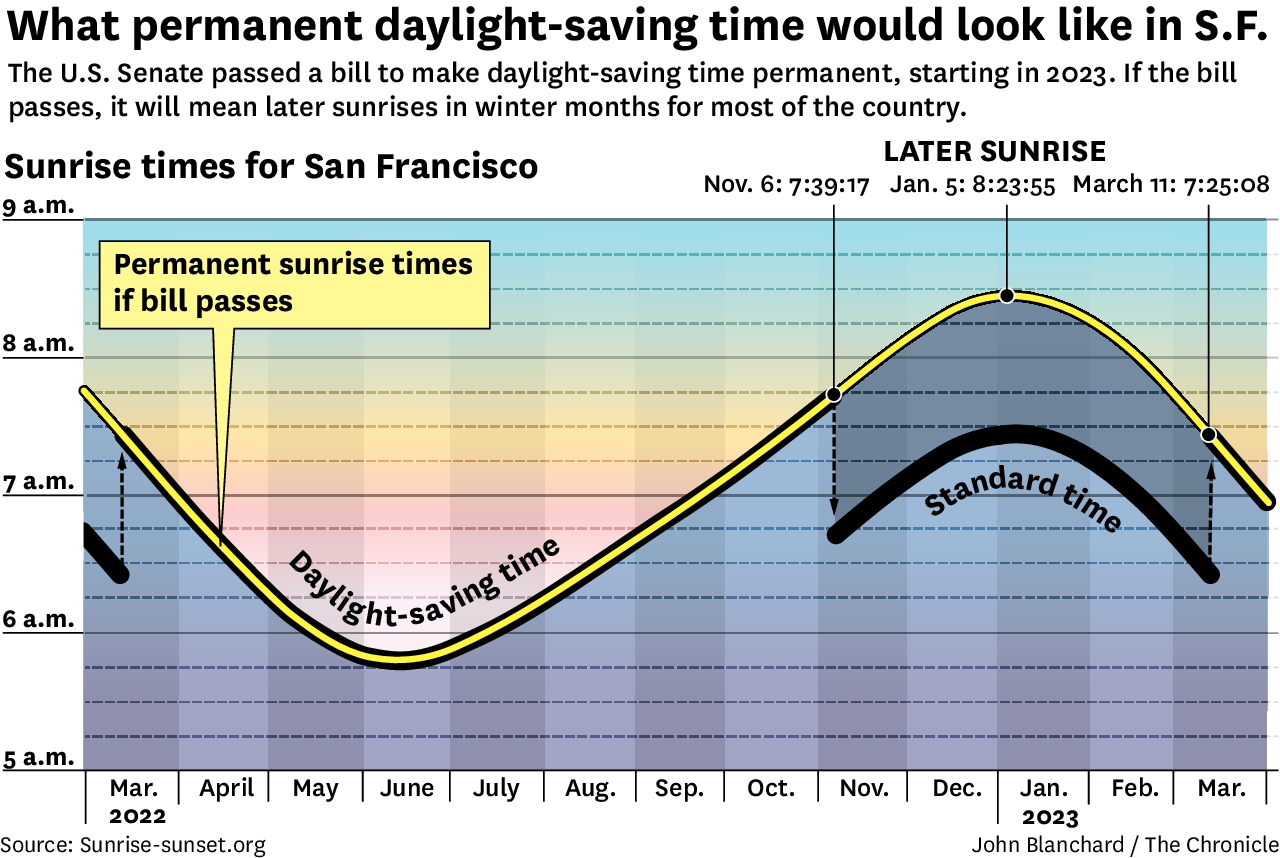
The tilt of the Earth’s axis also plays a significant role, leading to dramatic seasonal variations. During the summer solstice (around June 21st), California experiences its earliest sunrises and longest daylight hours. Conversely, the winter solstice (around December 21st) brings the latest sunrises and shortest days. The spring and fall equinoxes (around March 20th and September 22nd, respectively) mark periods when day and night are roughly equal, and sunrise times fall somewhere in between the extremes. This seasonal rhythm means that the “what time does the sunrise” question yields a different answer for every month and often every week of the year.
Factors Influencing the Spectacle
While astronomical calculations provide the exact minute the sun’s upper limb appears above the horizon, the experience of a sunrise is heavily influenced by terrestrial factors. Weather conditions are paramount. A perfectly clear sky offers an unobstructed view of the sun’s fiery ascent, often painting the clouds (if any are present) in hues of pink, orange, and purple. Overcast conditions, however, can obscure the sun entirely, turning a vibrant sunrise into a muted, gradual brightening of the day.
Atmospheric elements like dust, humidity, or even distant smoke can scatter sunlight in unique ways, intensifying colors and creating dramatic visual effects. The presence of low-lying fog, especially prevalent along California’s coast in summer, can transform the sunrise into a mystical experience, with the sun appearing as a diffuse, glowing orb peeking through the mists. Elevation also plays a critical role. From a high vantage point, like a mountain peak or a tall building, one can often witness the sunrise earlier and observe a broader panorama of the changing light, watching as the first rays gradually illuminate the valleys and plains below.
Prime Locations for a California Sunrise Experience
California’s diverse geography offers an unparalleled range of locations to witness the dawn. Each region presents its own unique aesthetic and atmosphere, making the choice of where to watch the sunrise an integral part of the travel experience.
Coastal Wonders: East-Facing Beaches and Piers
While California is famed for its sunsets over the Pacific, several east-facing coastal areas and specific vantage points allow for spectacular sunrises. Cities like San Diego, particularly from its eastern bays or even from higher points overlooking the city, can offer beautiful views as the sun ascends over the inland mountains, casting a golden glow on the cityscape and harbor. Further north, certain beaches in Orange County or sections of Long Beach and Malibu that curve eastward can provide delightful morning views.
For a truly unique coastal sunrise, consider heading inland slightly from the immediate coast. Areas around the Channel Islands National Park or views from the Santa Monica Mountains looking towards Los Angeles can frame the rising sun against urban backdrops or rugged natural landscapes, offering a captivating blend of nature and civilization bathed in the day’s first light. The key is to find a spot with an unobstructed view to the east, which, for a west-coast state, sometimes means looking inland rather than out to sea.
Mountain Majesty: High Altitudes and Panoramic Views
The mountains of California provide perhaps the most dramatic sunrise experiences. The Sierra Nevada range, a majestic spine running through eastern California, offers countless peaks and ridges from which to witness the dawn. Popular spots within Yosemite National Park, such as Glacier Point or Tunnel View (though facing west, the light after sunrise on El Capitan and Half Dome is legendary), can be incredible for post-sunrise light. For an actual sunrise, higher elevation trails or overlooks within the park that face east, towards the distant peaks, are ideal. Imagine the first golden rays hitting the granite faces of Mount Whitney, the highest peak in the contiguous United States, or casting long shadows across alpine meadows.
Other fantastic mountain locations include areas around Lake Tahoe, where the sun rises over the eastern ridge, illuminating the pristine lake waters, or within the San Bernardino Mountains and Palomar Mountain State Park in Southern California. These high-altitude viewpoints offer not just an earlier glimpse of the sun but also a panoramic sweep of evolving light and shadow over vast, untouched wilderness, often accompanied by crisp, clean mountain air.
Desert Dramas: Vast Horizons and Stark Beauty
California’s deserts offer a profoundly different, yet equally captivating, sunrise spectacle. The vast, open horizons of places like Joshua Tree National Park, Death Valley National Park, and the Mojave Desert provide an uninterrupted view of the eastern sky. Here, the absence of tall trees or mountains allows the sun to reveal itself in a slow, grand progression, painting the sky with intense, often fiery colors that reflect off the arid landscape.
In Joshua Tree or Anza-Borrego Desert State Park, the silhouettes of the distinctive Joshua trees or other desert flora create striking foregrounds against the dawn sky. In Death Valley, watching the sun rise over the Badwater Basin or Zabriskie Point is an otherworldly experience, with the light transforming the geological formations into a kaleidoscope of colors. The solitude and silence of the desert amplify the majesty of the sunrise, making it a meditative and unforgettable event.

Planning Your California Sunrise Adventure
Successfully witnessing a spectacular California sunrise requires a bit of planning, but the rewards are well worth the early alarm. Thoughtful preparation can elevate a good sunrise viewing into an extraordinary, memorable experience.
Essential Tools and Resources
The most crucial piece of information is the exact sunrise time for your chosen location on a specific day. Several reliable online resources and mobile applications provide this data, often down to the minute. Websites like TimeandDate.com or specialized weather apps offer precise sunrise and sunset times, factoring in location, date, and even civil twilight (when the sky begins to lighten) and nautical twilight (when stars become visible). Always double-check this information closer to your viewing date, as times shift daily.
Beyond time, checking the weather forecast is paramount. Clear skies offer the best chance for vibrant colors, but a forecast of high, thin clouds can also lead to stunning, dramatic skies. Be aware of local conditions, especially in mountain or desert areas, where temperatures can drop significantly before dawn, even in summer.
Tips for the Best Viewing Experience
To truly savor the moment, plan to arrive at your chosen spot at least 30 to 45 minutes before the official sunrise time. This allows you to witness the “blue hour,” the period just before dawn when the sky takes on deep blue hues, providing a beautiful contrast to the impending sunrise. It also gives you ample time to set up your camera (if you’re photographing) or simply find a comfortable spot to relax and soak in the pre-dawn quiet.
Dress in layers, as mornings in California, even in warmer regions, can be surprisingly chilly before the sun crests the horizon. A warm drink, like coffee or tea, can be a comforting companion. Consider bringing a blanket or a portable chair for added comfort, especially if you plan to spend time meditating or simply enjoying the serenity. If you are exploring national parks or remote areas, ensure you have sufficient water, snacks, and any necessary permits or passes. Lastly, always respect the environment, pack out what you pack in, and leave no trace.
Beyond the Horizon: Capturing and Cherishing the Moment
A California sunrise is more than just a fleeting moment; it’s an opportunity for connection, creativity, and contemplation. Whether you’re an avid photographer or simply seeking a peaceful start to your day, the dawn offers a profound experience.
Photography Tips for Dawn’s First Light
Sunrise is a photographer’s dream, offering dynamic light and color. For stunning shots, arrive early to capture the “blue hour” and then transition into the “golden hour” as the sun rises. A tripod is essential for sharp images in low light, and a wide-angle lens can help capture the expansive beauty of the landscape. Experiment with exposure, often underexposing slightly to retain the vibrant colors of the sky. Don’t just point your camera directly at the sun; look for interesting compositions that include foreground elements like trees, rocks, or water to add depth and interest. Patience is key, as the light changes rapidly, offering new opportunities by the minute. Remember to capture the details as well as the grand vista—the way light hits a single leaf or casts a unique shadow.
The Intangible Value of a California Sunrise
Beyond the visual spectacle, a California sunrise offers immense intangible value. It’s a powerful reminder of nature’s constant cycle, a moment of renewal and hope. For many, it’s a spiritual experience, a chance to connect with the natural world and find a sense of peace and perspective before the demands of the day begin. The quiet solitude of watching the world awaken can be incredibly meditative, fostering mindfulness and a deep appreciation for the beauty around us. Starting your day with such an awe-inspiring event can set a positive tone for all your California adventures, from exploring bustling cities like Los Angeles to hiking through ancient redwood forests in Big Sur or enjoying the coastal charm of Santa Barbara. These moments of dawn become cherished memories, a highlight of any visit to the Golden State.
Seasonal Variations and Their Impact
The dynamic nature of California sunrises is perhaps most evident in its seasonal shifts, each offering a distinct charm and rhythm to the morning. Understanding these patterns allows travelers and locals to plan their dawn adventures for optimal enjoyment.
Summer Solstice: The Earliest Dawns
Around the summer solstice in late June, California experiences its earliest sunrises, with the sun often appearing on the horizon shortly after 5:30 AM in many parts of the state. This period, characterized by long daylight hours, means that the pre-dawn glow begins exceptionally early, often before 5:00 AM. For early risers, this provides an extended period of beautiful morning light for hiking, photography, or simply enjoying the cool morning air before the summer heat sets in. It’s an ideal time for mountain ascents or desert explorations, allowing for significant activity before the sun reaches its peak intensity.
Winter Solstice: Later Awakenings
Conversely, the winter solstice in late December brings the latest sunrises of the year. In many areas, the sun might not make its appearance until closer to 7:00 AM or even slightly after. While the mornings are darker and longer, they often come with crisp, clear air and sometimes dramatic weather conditions that can create stunning atmospheric sunrises, especially after a winter storm. This later start can be a welcome change for those who prefer a less hurried morning, offering a more leisurely approach to catching the dawn while still providing ample daylight for winter activities like skiing in the Sierra Nevada or exploring the coastal towns.
Spring and Fall Equinoxes: Balancing Light
The spring and fall equinoxes, occurring in March and September respectively, represent periods of transition where day and night are nearly equal in length. Sunrise times during these periods fall roughly midway between the summer and winter extremes, typically ranging from 6:00 AM to 6:30 AM. These seasons often bring unique weather patterns and atmospheric conditions that can lead to particularly vivid sunrises. The moderate temperatures of spring and fall make them excellent times for general outdoor activities, and the equitable distribution of daylight allows for both a beautiful morning experience and a full day of exploration. Each season paints the California sky with its own unique palette, ensuring that no two sunrises are ever truly the same.
LifeOutOfTheBox is a participant in the Amazon Services LLC Associates Program, an affiliate advertising program designed to provide a means for sites to earn advertising fees by advertising and linking to Amazon.com. Amazon, the Amazon logo, AmazonSupply, and the AmazonSupply logo are trademarks of Amazon.com, Inc. or its affiliates. As an Amazon Associate we earn affiliate commissions from qualifying purchases.