
Understanding the precise time in your destination is a fundamental aspect of seamless travel, impacting everything from flight schedules and hotel check-ins to managing jet lag and coordinating with loved ones back home. For those planning a trip to the sprawling metropolis of Los Angeles, California, knowing the local time isn’t just a matter of curiosity—it’s a crucial piece of the travel puzzle. This guide delves into the specifics of Los Angeles’s time zone, its practical implications for travelers, and tips for navigating time differences to ensure your visit to the City of Angels is as smooth and enjoyable as possible.
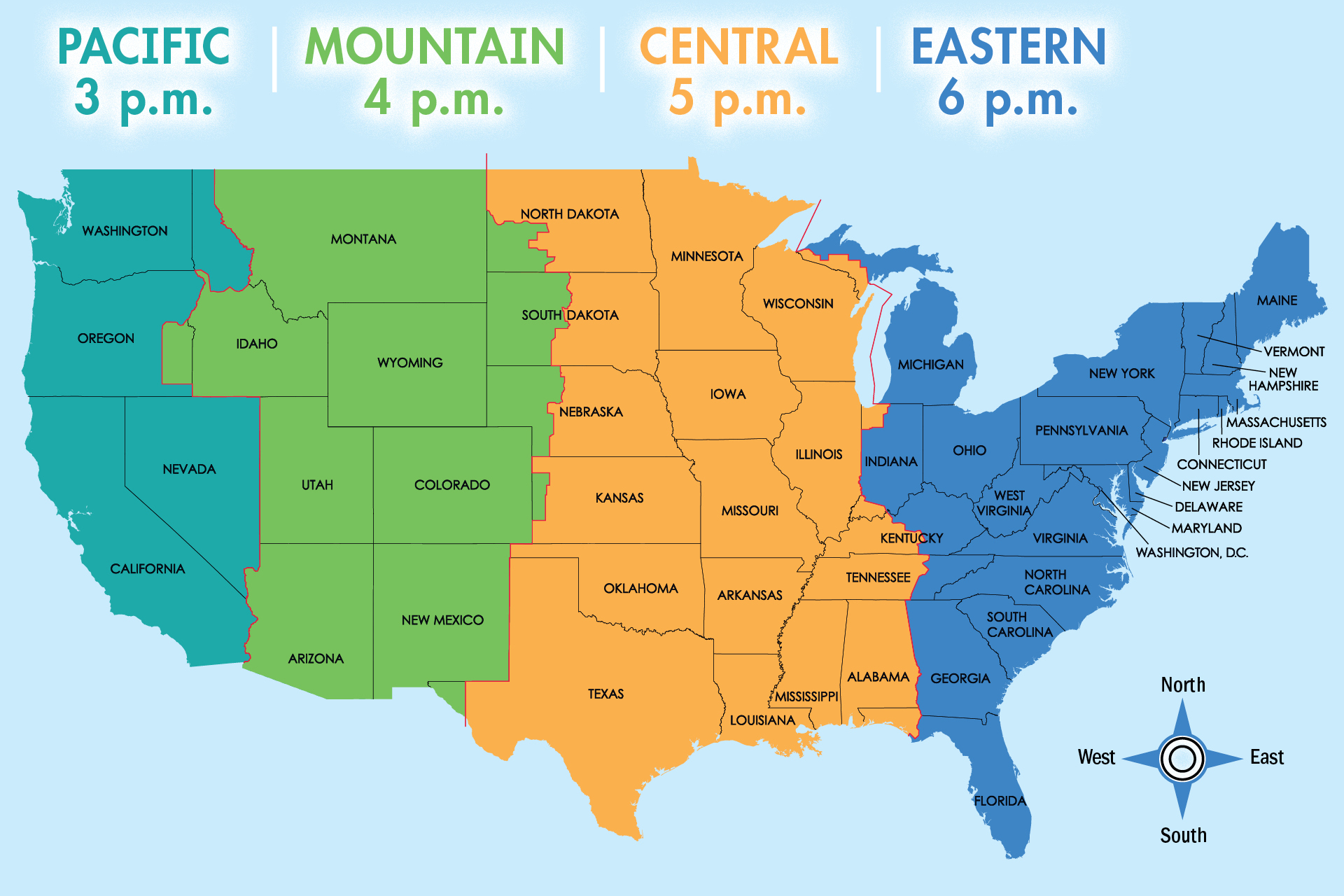
Understanding Los Angeles’s Time Zone: Pacific Time
Los Angeles operates under Pacific Time, a designation that shifts between Standard and Daylight Saving time throughout the year. This dynamic, common across many parts of the world, plays a significant role in how travelers experience and plan their itineraries. Grasping the distinction between these two states of Pacific Time is the first step toward mastering your travel schedule.
Pacific Standard Time (PST) vs. Pacific Daylight Time (PDT)
For much of the year, Los Angeles observes Pacific Daylight Time (PDT), which is seven hours behind Coordinated Universal Time (UTC-7). This period typically runs from the second Sunday in March to the first Sunday in November. During these months, the clocks are advanced by one hour to make better use of daylight, meaning the sun sets later in the evening, providing more daylight hours for exploration and outdoor activities.
Conversely, from the first Sunday in November until the second Sunday in March, Los Angeles switches to Pacific Standard Time (PST). During PST, the clocks are set back one hour, placing the region at eight hours behind Coordinated Universal Time (UTC-8). This shift results in earlier sunsets and brighter mornings, aligning with the winter months.
For travelers, being aware of this annual transition is paramount. An airline ticket booked months in advance might reflect a time under PDT, but if your travel date falls into the PST period, or vice versa, a seemingly minor oversight could lead to missed connections or appointments. Always double-check the current local time relative to your arrival or departure during these transition weeks.
Why Time Zones Matter for Travelers
The seemingly simple act of knowing the time extends its influence across various facets of your travel experience. Beyond merely showing up on time for a flight, understanding time zones is critical for:
- Flight Schedules and Connections: Flight times are always listed in local time. If you have a layover in a different time zone, accurately calculating the time difference is essential to avoid missing connecting flights.
- Hotel Check-ins and Check-outs: Most hotels adhere to strict check-in and check-out times, which are always based on the hotel’s local time. Arriving too early or too late without prior arrangement can lead to additional fees or delays.
- Business Meetings and Appointments: For business travelers, misjudging time zones can result in missed calls or appointments, potentially jeopardizing important deals or collaborations.
- Communication with Home: Staying in touch with family and friends requires an understanding of the time difference to avoid inconvenient calls in the middle of the night.
- Combating Jet Lag: The internal body clock (circadian rhythm) can be severely disrupted when crossing multiple time zones. Knowing the destination’s time in advance allows you to start adjusting your sleep schedule even before you depart.
For a trip to Los Angeles, factor in the time difference when booking airport transfers, reserving dinner spots, or planning visits to popular attractions like Universal Studios Hollywood or the Santa Monica Pier.
Navigating Time Differences from Major Global Hubs
Los Angeles is a global crossroads, attracting visitors from every corner of the world. Consequently, travelers will experience varying degrees of time difference, each presenting its own set of challenges and requiring careful planning.
East Coast to West Coast: A Domestic Perspective
Within the United States, the most common time difference involves the three-hour gap between the Pacific Time Zone (where Los Angeles resides) and the Eastern Time Zone (home to cities like New York City and Miami). When it’s 3:00 PM in New York City, it’s only 12:00 PM in Los Angeles.
This three-hour shift, while manageable, can still lead to mild jet lag, especially for travelers flying from east to west, as their day feels longer. It also impacts scheduling for anyone needing to conduct business or communicate with colleagues on the East Coast. Similarly, those flying in from the Central Time Zone (e.g., Chicago) will experience a two-hour difference, and Mountain Time Zone travelers (e.g., Denver) a one-hour difference. Even within the continental United States, these shifts necessitate conscious adjustment.
Bridging Continents: Europe and Asia
For international travelers, the time difference can be significantly more pronounced, leading to more substantial impacts on their circadian rhythm.
- From London (United Kingdom): London typically runs eight hours ahead of Los Angeles during Daylight Saving Time (e.g., 10:00 AM in London is 2:00 AM in Los Angeles). This considerable gap means a full day of travel from Europe often involves landing in what feels like the middle of the night to your body, despite it being daytime in California.
- From Paris (France) or Berlin (Germany): These cities are typically nine hours ahead of Los Angeles.
- From Tokyo (Japan): Tokyo is sixteen hours ahead of Los Angeles. If it’s 10:00 AM on Monday in Tokyo, it’s 6:00 PM on Sunday in Los Angeles. This difference means travelers often “lose” a day when flying east to west.
- From Sydney (Australia): Sydney is seventeen hours ahead of Los Angeles (during their respective Daylight Saving periods).
These significant time differences highlight the need for robust jet lag strategies and careful planning, particularly for long-haul flights. Adjusting to Los Angeles time should begin even before departure.
Practical Tips for Managing Time When Traveling to Los Angeles
Successfully managing time differences is key to a comfortable and productive trip. Here are strategies tailored for your journey to Los Angeles.
Beating Jet Lag Before and During Your Trip
Jet lag can significantly detract from the initial days of your travel. Proactive measures can mitigate its effects:
- Pre-Adjust Your Schedule: A few days before your flight, gradually shift your sleep and meal times closer to Los Angeles time. If flying west, stay up a bit later; if flying east (unlikely for LA, but good to know for return), go to bed earlier.
- Stay Hydrated: Dehydration can exacerbate jet lag symptoms. Drink plenty of water before, during, and after your flight. Avoid excessive alcohol and caffeine, which can disrupt sleep.
- Adjust on Arrival: As soon as you land, try to adapt to the local time. If it’s daytime, resist the urge to nap for too long. Seek out natural light, which helps reset your circadian rhythm. Take a walk along Venice Beach or explore the Hollywood Walk of Fame to immerse yourself in the local rhythm.
- Prioritize Sleep: Aim for a good night’s sleep on your first few nights. Create a dark, quiet, and cool environment in your hotel room. Consider earplugs or an eye mask if sensitive to light or noise.
- Gentle Exercise: Light activity, like walking, can help reduce jet lag symptoms and improve sleep quality.
Planning Your Itinerary Around the Clock
Los Angeles offers a myriad of experiences, and smart scheduling can maximize your enjoyment without feeling rushed or overtired.
- Morning Activities: Start your days with attractions that benefit from smaller crowds and cooler temperatures. Think early hikes in Runyon Canyon Park, a visit to the Griffith Observatory for panoramic views before the midday rush, or a leisurely breakfast in Beverly Hills.
- Afternoon Exploration: Utilize the afternoon for indoor museums (like the Getty Center or LACMA), shopping on Rodeo Drive, or relaxing on one of Los Angeles’s many beaches, such as Santa Monica Beach. Remember to factor in Los Angeles’s notorious traffic when planning travel between locations.
- Evening Entertainment: Los Angeles truly comes alive in the evening. Plan for dinner reservations in advance, especially for popular spots. Enjoy a show at the Pantages Theatre or a concert at the Hollywood Bowl. Be mindful of your energy levels, particularly in the first few days, and don’t overschedule.
The Rhythm of Los Angeles: What to Expect at Different Times of Day
Understanding the general flow of daily life in Los Angeles can help travelers adapt more quickly and make the most of their time.
Morning in the City of Angels
Mornings in Los Angeles often start early, especially for locals commuting to work. The city begins to stir around 6:00 AM, with coffee shops opening their doors and fitness enthusiasts hitting the hiking trails or beaches. Breakfast spots, ranging from casual diners to upscale cafes, get busy by 8:00 AM. For travelers, this is an excellent time to visit popular attractions before the crowds peak or to enjoy the quieter beauty of the city, perhaps with a stroll through Grand Park downtown.
Afternoon Adventures and Sunset Views
The afternoons are when Los Angeles can feel most vibrant and, at times, most congested. Lunch rush typically occurs between 12:00 PM and 2:00 PM. Traffic builds throughout the afternoon, especially on major freeways like the 101 or the 405. This is a prime time for exploring indoor attractions, museums, or taking advantage of the diverse shopping opportunities. As the day draws to a close, seeking out a scenic spot for sunset is a quintessential Los Angeles experience. Views from the Griffith Observatory, the Santa Monica Pier, or a rooftop bar offer spectacular backdrops as the city transitions from day to night.
Evenings in LA: Dining, Entertainment, and Nightlife
Evenings in Los Angeles are dynamic and diverse, catering to every taste. Dinner is typically served from 6:00 PM onwards, with many restaurants staying open late. The city boasts an incredible culinary scene, from Michelin-starred establishments to trendy food trucks. Post-dinner, travelers can choose from a wide array of entertainment options: live music venues, comedy clubs, movie premieres, or world-class theatrical performances. The nightlife in areas like West Hollywood or Downtown Los Angeles can extend well into the early hours, offering everything from relaxed lounges to energetic dance clubs.
Technology and Tools for Staying on LA Time
In our interconnected world, technology provides invaluable assistance for managing time zones during travel. Leveraging these tools can simplify your journey to Los Angeles.
Smartphone Features and World Clocks
Most modern smartphones come equipped with built-in features that are incredibly useful for travelers. The “World Clock” function allows you to add multiple cities, instantly displaying their current time relative to your location. This feature is particularly handy for quickly checking the time in Los Angeles before you depart, or for comparing it with your home time zone once you’ve arrived. Additionally, when you land, your phone will typically automatically update to the local time, provided location services are enabled. Ensure your phone’s automatic time zone setting is activated to avoid manual adjustments and potential errors.
Online Converters and Time Zone Apps
Beyond native smartphone features, a plethora of online time zone converters and dedicated mobile applications can provide more detailed information and practical utilities. Websites like TimeandDate.com offer comprehensive tools to compare times between any two cities globally, including historical data for Daylight Saving transitions. For mobile apps, popular choices include “World Clock & Widget,” “Time Buddy,” or “The Time Zone Converter.” These apps often feature customizable widgets, meeting planners that account for multiple time zones, and even “jet lag calculators” that offer personalized advice based on your itinerary. Downloading one of these apps before your trip to Los Angeles can be a wise investment for stress-free time management.
In conclusion, while the question “What time is it in Los Angeles, California?” might seem straightforward, its implications for travelers are far-reaching. By understanding Pacific Time, preparing for time differences, and leveraging available tools, you can ensure your visit to this magnificent city is truly timeless.
LifeOutOfTheBox is a participant in the Amazon Services LLC Associates Program, an affiliate advertising program designed to provide a means for sites to earn advertising fees by advertising and linking to Amazon.com. Amazon, the Amazon logo, AmazonSupply, and the AmazonSupply logo are trademarks of Amazon.com, Inc. or its affiliates. As an Amazon Associate we earn affiliate commissions from qualifying purchases.