
The California Missions represent a pivotal, complex, and enduring chapter in the history of California. Far more than just antiquated churches, these twenty-one religious and agricultural outposts, strung along the state’s scenic coastline from San Diego to Sonoma, served as the primary instruments of Spain’s colonization efforts in Alta California during the late 18th and early 19th centuries. As monumental landmarks, they embody a unique fusion of architectural styles, cultural exchange, and profound historical impact, shaping the very foundation of what would become a global economic and cultural powerhouse. Understanding what a California Mission was requires delving into the geopolitical ambitions of a distant empire, the fervent zeal of Franciscan friars, the coerced labor of indigenous populations, and the ultimate transformation of a vast wilderness into a nascent colonial society.

These missions were essentially self-sufficient communities, designed to not only convert Native Americans to Catholicism but also to assimilate them into Spanish colonial society and establish a robust economic presence for the crown. Each mission operated as a religious center, a farming and ranching enterprise, an industrial workshop, and a cultural melting pot, albeit one often characterized by coercion and hardship for the indigenous peoples. Their architectural grandeur, often featuring thick adobe walls, red-tiled roofs, impressive bell towers, and serene courtyards, stands as a testament to the ingenuity and labor invested in their creation, even as their legacy remains a subject of ongoing historical re-evaluation. Today, these missions stand as tangible links to a bygone era, drawing millions of visitors annually who seek to understand their layered past as iconic California landmarks.
The Genesis of the California Mission System
The establishment of the California Missions was not an isolated religious endeavor but a strategic component of Spain’s expansive colonial policy in the New World. By the mid-18th century, Spain’s claims to Alta California remained largely theoretical, with minimal European presence. This vacuum, however, began to concern Spanish authorities as rival European powers, particularly Russia expanding down the Pacific coast and Great Britain exploring western territories, started to eye the lucrative potential of the region.
Spanish Colonial Ambition and Geopolitical Strategy
To solidify its claim and prevent foreign encroachment, Spain initiated the “Sacred Expedition” in 1769. The primary objective was two-fold: evangelize the native populations and establish a chain of presidios (military forts) and missions to create a physical and cultural buffer zone. The Spanish crown, viewing the acquisition of new territories as essential for its prestige and economic power, understood that mere declaration of ownership was insufficient. A permanent, self-sustaining presence was required, and the mission system, honed over centuries in other parts of New Spain, was deemed the most effective tool.
The motivations were thus a blend of religious fervor and geopolitical pragmatism. The missions were envisioned as civilizing agents, transforming indigenous hunter-gatherer societies into sedentary agricultural communities that would be loyal subjects of the Spanish monarch and devout adherents of the Catholic faith. These communities would also provide food and supplies for the presidios, reducing the logistical strain and cost of supporting remote military outposts. The network of missions, each ideally a day’s journey apart, was designed to create a continuous line of Spanish influence along the 600-mile stretch of the California coast.
Key Figures and Founding Principles
The driving force behind the California Mission system was Father Junípero Serra, a Franciscan friar born in Mallorca, Spain. Having already served extensively in Baja California, Father Serra embarked on the arduous journey north with the military expedition led by Gaspar de Portolá. Despite considerable physical ailments, his unwavering commitment led to the founding of the first nine missions, beginning with Mission San Diego de Alcalá in July 1769.
The foundational principle of these missions was based on the “reducción” system, which aimed to concentrate scattered indigenous populations into organized, self-sufficient communities under the guidance of Franciscan padres. Each mission was intended to be a complete community, possessing its own church, living quarters for the friars, dormitories for the Native American converts (neophytes), workshops, granaries, kitchens, and extensive agricultural lands. The padres were not only spiritual leaders but also administrators, educators, farmers, and artisans, responsible for every aspect of mission life. The military presence, typically a small detachment of soldiers from a nearby presidio, was meant to provide protection and enforce mission rules. This dual system, combining religious authority with military backing, laid the groundwork for a comprehensive and often coercive transformation of the California landscape and its native inhabitants.
Architecture and Design: A Functional Blend
The twenty-one California Missions, constructed over a period of 54 years, share a distinctive architectural style that has become synonymous with early California history. While each mission possesses unique elements reflective of its specific location, resources, and the talents of its builders, a common aesthetic and functional design language binds them together, making them immediately recognizable landmarks.
Distinctive Architectural Elements
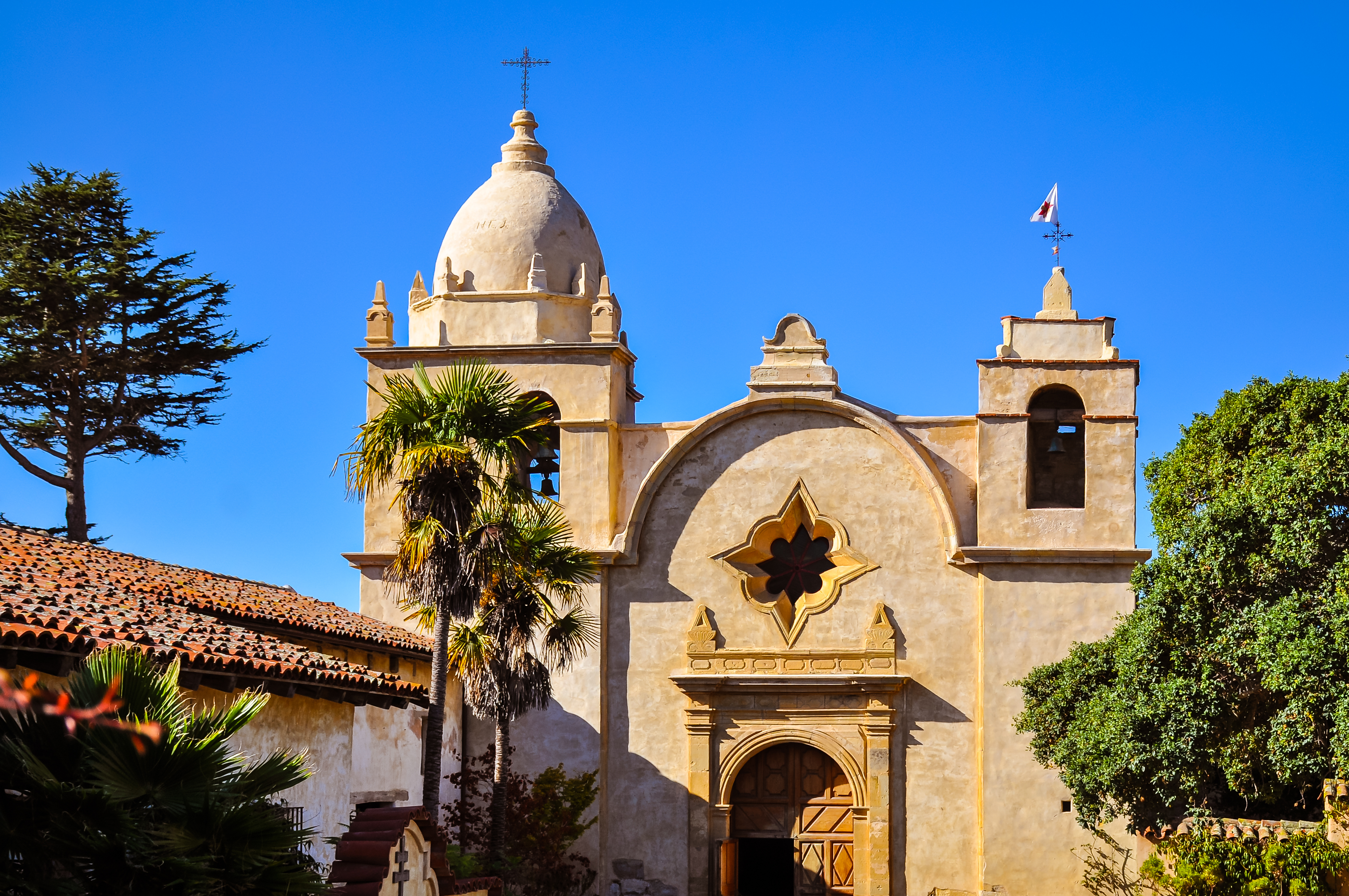
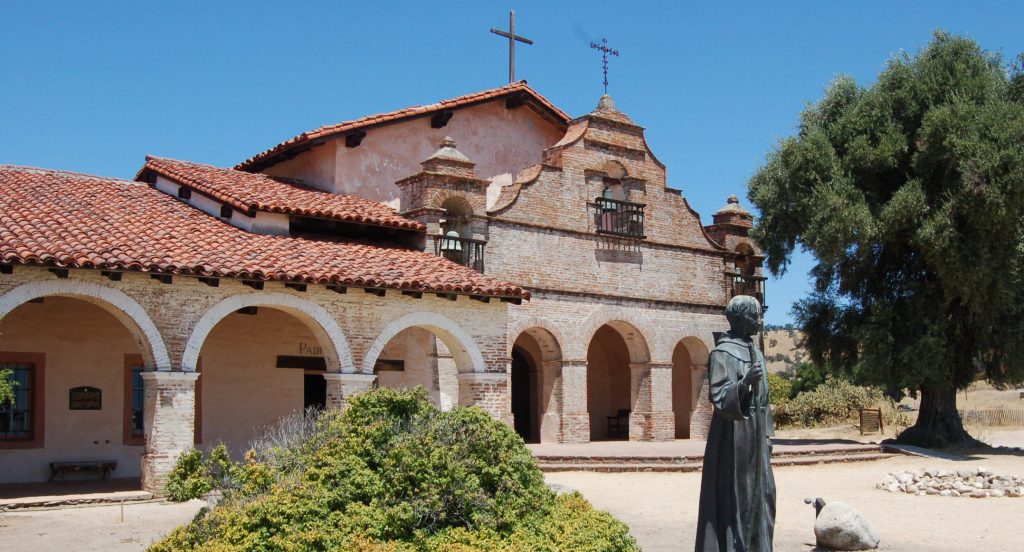
The typical California Mission was laid out in a quadrangular plan, featuring a central courtyard (or patio) surrounded by contiguous buildings. The most prominent structure was invariably the church, often built with thick adobe walls, whitewashed exteriors, and a distinctive red-tiled roof. These thick walls, sometimes several feet deep, provided insulation against the summer heat and winter cold, and structural stability in an earthquake-prone region. Red clay tiles, fired on-site, were not only practical for shedding rain but also became an iconic visual signature of the mission style.
Other common features included robust bell towers or campanarios, housing the mission bells that regulated daily life. Arched corridors or arcades often lined the interior courtyards, providing shade and shelter, and contributing to the serene, monastic atmosphere. Interior spaces typically included a sacristy, workshops for various crafts (e.g., weaving, tanning, blacksmithing), granaries for storing harvested crops, kitchens, guest rooms, and dormitories for the neophytes. Water features, such as fountains and irrigation canals (acequias), were essential for both practical needs and aesthetic appeal, reflecting the arid California climate. The building materials themselves were largely local: adobe (sun-dried mud bricks), timber for roofs and doors, and local stone for foundations and decorative elements. This reliance on available resources contributed to the organic, earthy feel of the mission architecture.
Adaptation to California’s Landscape
The siting of each mission was a critical decision, guided by several practical considerations. Missions were strategically located near dependable water sources, fertile land suitable for agriculture, and existing Native American population centers. This ensured access to vital resources and a labor force, and facilitated the mission’s goal of self-sufficiency. For instance, Mission San Gabriel Archangel, east of present-day Los Angeles, benefited from the rich soil of the San Gabriel Valley.
While incorporating Spanish Colonial and Moorish architectural influences from Mexico and Spain, the mission style also adapted to the specific conditions of California. The relatively flat, open landscapes allowed for the expansive, single-story, sprawling layouts that characterize many missions. The use of adobe, while labor-intensive, was ideal given the lack of readily available quarried stone in many areas. Over time, as mission industries developed, more refined materials and construction techniques were introduced, leading to architectural flourishes such as elaborate altarpieces, carved doors, and painted decorations. The distinct beauty of these structures, from the grandeur of Mission San Juan Capistrano to the picturesque setting of Mission Santa Barbara, remains a powerful draw for visitors interested in their historical and aesthetic significance as prominent landmarks.
Life and Labor within the Missions
The daily life within a California Mission was highly regimented and fundamentally transformed the lives of the indigenous peoples who lived and worked there. The missions were designed to be self-sufficient economic units, heavily reliant on the labor of Native Americans, whom the Spanish called “neophytes” after their conversion to Christianity.
The Role of the Padres and Neophytes
At the heart of each mission were the Franciscan padres, typically two per mission. Their primary role was spiritual: to preach, baptize, administer sacraments, and educate the neophytes in Catholic doctrine. However, their responsibilities extended far beyond religious instruction. They served as the mission’s administrators, managers, engineers, teachers, doctors, and legal authorities. They oversaw all agricultural production, craft workshops, and construction projects. Life for a padre was rigorous, marked by early morning prayers, long hours of work, and constant supervision of the mission community.
For the Native American neophytes, life within the missions was a radical departure from their ancestral ways. Upon entering the mission, often by persuasion, gifts, or sometimes force, they were expected to abandon their traditional spiritual beliefs, languages, and cultural practices. They were taught Spanish, European farming techniques, and various trades. Their days were strictly scheduled, beginning with morning prayers, followed by work in the fields, workshops, or kitchens, interspersed with meals, religious instruction, and evening prayers. Men typically worked in agriculture, construction, or crafts like blacksmithing and carpentry, while women focused on domestic tasks, weaving, and food preparation.
While the missions offered a measure of stability and protection from rival tribes, disease, and starvation, they also imposed a severe loss of freedom and cultural identity. Neophytes were generally not allowed to leave the mission grounds without permission, and those who attempted to escape were often pursued and brought back, sometimes by force. Punishments for infractions, though officially discouraged by the crown, were common and could be harsh, including flogging or confinement. The confined living conditions and exposure to European diseases, against which Native Americans had no immunity, led to devastating epidemics and a drastic decline in the indigenous population. This complex reality forms a controversial and tragic aspect of the missions’ historical legacy.
Economic and Social Structure
Economically, the missions were agrarian powerhouses. They cultivated a wide variety of crops, including wheat, corn, barley, beans, and vegetables, which were unfamiliar to the native diet. They introduced European fruits like grapes (for wine), olives (for oil), and various citrus trees. Livestock ranching was equally significant, with vast herds of cattle, sheep, and horses providing meat, hides, wool, and motive power. Mission San Gabriel and Mission La Purísima Concepción became particularly renowned for their extensive agricultural output.
Beyond agriculture, missions developed robust industrial capabilities. Workshops produced textiles from sheep’s wool, leather goods from cattle hides, tallow for candles and soap, bricks, roof tiles, and various tools. Some missions even built their own grist mills, presses, and irrigation systems. This self-sufficiency meant that missions rarely needed external supplies, and often produced surpluses that were traded with presidios, ships, or sold to emerging pueblos. Socially, the mission structure created a hierarchical society with the padres at the apex, followed by a small military guard, and then the large, undifferentiated population of neophytes. While offering a structured community, it was a structure built upon the exploitation of indigenous labor and a systematic effort to dismantle native cultures, leaving a lasting and often painful imprint on the descendants of California’s first inhabitants.
The Decline and Legacy of the California Missions
The golden age of the California Missions, a period of relative stability and growth, proved to be fleeting. External political shifts and internal pressures gradually eroded their power and eventually led to their demise as functioning religious-economic enterprises.
Secularization and Mexican Independence
The beginning of the end for the mission system was ushered in by events far from Alta California. When Mexico achieved Mexican Independence from Spain in 1821, the new Mexican government inherited vast territories, including California, and a complex mission system that had become an economic and political force unto itself. Unlike the Spanish crown, the Mexican government viewed the missions with suspicion, seeing them as symbols of Spanish colonialism and an impediment to the economic development of its new citizens. Influenced by liberal ideas and a desire to redistribute mission lands, calls for secularization grew louder.
Secularization meant the transfer of mission properties from religious control (the Franciscan order) to civil control. The process began in earnest with the Mexican Secularization Act of 1833. This legislation mandated the conversion of missions into parish churches, with their extensive lands and wealth to be distributed among the neophytes and other Mexican citizens. However, in practice, this often led to a scramble for land and resources by wealthy ranchers and politicians. Many neophytes, unprepared for land ownership or exploited by unscrupulous individuals, quickly lost their allocations. The padres, disillusioned and often financially cut off, departed, and the mission communities disintegrated. The once-thriving agricultural enterprises collapsed, and the magnificent mission buildings fell into disrepair, their roofs collapsing and adobe walls crumbling. Within a decade, the mission system as Father Junípero Serra had envisioned it was utterly dismantled.
Revival and Modern Significance as Landmarks
For decades after secularization, the missions lay largely in ruin, some plundered for building materials, others slowly reclaimed by nature. However, a romanticized view of their past began to emerge in the late 19th and early 20th centuries. Writers, artists, and preservationists, concerned about the loss of these historical treasures, spearheaded efforts to restore and preserve the remaining structures. Organizations like the California Historical Society and the Native Sons of the Golden West played crucial roles in this revival.
Today, the twenty-one California Missions stand as cherished historical landmarks, drawing millions of visitors each year. Many have been meticulously restored, some still function as active Catholic churches, while others operate as museums, educational centers, or a combination of both. They offer a tangible connection to California’s colonial past, showcasing stunning architecture, beautiful gardens, and invaluable artifacts. The ” California Mission Trail” (El Camino Real), symbolized by the “Bell Markers,” traces the historic route linking these missions, inviting modern-day travelers to follow in the footsteps of explorers and missionaries.
However, their legacy remains complex and contested. While celebrated for their architectural beauty and their role in the founding of California, the missions are also increasingly recognized for the profound suffering and cultural disruption they inflicted upon the indigenous populations. Modern interpretations strive to present a more balanced narrative, acknowledging both the spiritual aspirations and the coercive realities of the mission system. As such, these landmarks serve not only as monuments to a bygone era but also as powerful sites for education and reflection on the multifaceted history of human interaction and cultural heritage in California.
In conclusion, a California Mission was a Spanish colonial institution designed to civilize, Christianize, and integrate Native Americans into a new economic and social order in Alta California. These self-sufficient communities, characterized by their distinctive architecture and agrarian economies, fundamentally reshaped the California landscape and its indigenous peoples. Today, these iconic landmarks endure as powerful reminders of a pivotal and often controversial chapter in the state’s history, inviting contemplation on themes of faith, empire, cultural clash, and enduring heritage.
LifeOutOfTheBox is a participant in the Amazon Services LLC Associates Program, an affiliate advertising program designed to provide a means for sites to earn advertising fees by advertising and linking to Amazon.com. Amazon, the Amazon logo, AmazonSupply, and the AmazonSupply logo are trademarks of Amazon.com, Inc. or its affiliates. As an Amazon Associate we earn affiliate commissions from qualifying purchases.