
Understanding the climate of a destination is paramount for any traveler. It dictates what to pack, what activities to plan, and ultimately, how enjoyable your experience will be. When considering a trip to Bakersfield, California, knowing the prevailing temperatures throughout the year is not just a detail; it’s a fundamental aspect of trip planning. Situated in the southern end of the San Joaquin Valley, Bakersfield presents a climate profile that is distinct and often characterized by extremes, particularly during its summer months. This guide delves into Bakersfield’s meteorological personality, offering insights to help you perfectly tailor your travel plans and expectations.

Bakersfield’s Climate: A Desert Influence
Bakersfield’s climate is primarily shaped by its location within the vast San Joaquin Valley, a region known for its hot, dry summers and mild, often foggy winters. This inland position, far from the moderating influence of the Pacific Ocean, results in a continental climate with significant diurnal and seasonal temperature variations.
Understanding the San Joaquin Valley Climate
The San Joaquin Valley is essentially a semi-arid steppe climate, bordering on a desert climate. Mountain ranges like the Sierra Nevada to the east and the Temblor Range to the west create a rain shadow effect, limiting precipitation and trapping heat. This geographical setup is the primary driver behind Bakersfield’s temperature patterns. Humidity levels are generally low, especially during the warmer months, making even very high temperatures feel somewhat more tolerable than in humid climates, though the intensity of the sun remains a significant factor. Travelers accustomed to coastal California weather will find Bakersfield’s climate a stark contrast, demanding a different approach to preparation and activity planning.
Distinct Seasons: Hot Summers and Mild Winters
Bakersfield experiences four distinct seasons, each bringing its own set of temperatures and weather phenomena. Summers are unequivocally hot, often recording some of the highest temperatures in the United States. Winters are generally mild and pleasant by comparison, though they can be marked by periods of dense fog, locally known as “tule fog,” which can affect visibility and travel. Spring and fall offer transitional periods, often considered the most agreeable times to visit, with warm days and comfortably cool evenings. Understanding these seasonal nuances is key to selecting the ideal time for your visit based on your preferred activities and comfort level.
Why Temperature Matters for Your Bakersfield Trip
For travelers, temperature isn’t just a number; it dictates the entire rhythm of a trip. In Bakersfield, a city that boasts a vibrant agricultural heritage, a growing arts scene, and proximity to natural attractions, the temperature will influence everything from your packing list to your daily itinerary. Planning outdoor excursions during peak summer heat can be challenging, if not unsafe, while a mild spring day might open up a plethora of hiking and park-related opportunities. Similarly, knowing to pack layers for a winter visit prepares you for chilly mornings and evenings, even if the afternoons are pleasant. By aligning your expectations and preparations with Bakersfield’s unique climate, you can ensure a more comfortable, enjoyable, and ultimately, unforgettable travel experience.
Decoding Bakersfield’s Seasonal Temperatures for Travelers
Each season in Bakersfield presents a different character, largely defined by its temperature profile. Understanding these variations is crucial for planning your visit and making the most of what the city and surrounding areas have to offer.
Summer (June-August): Navigating the Heat
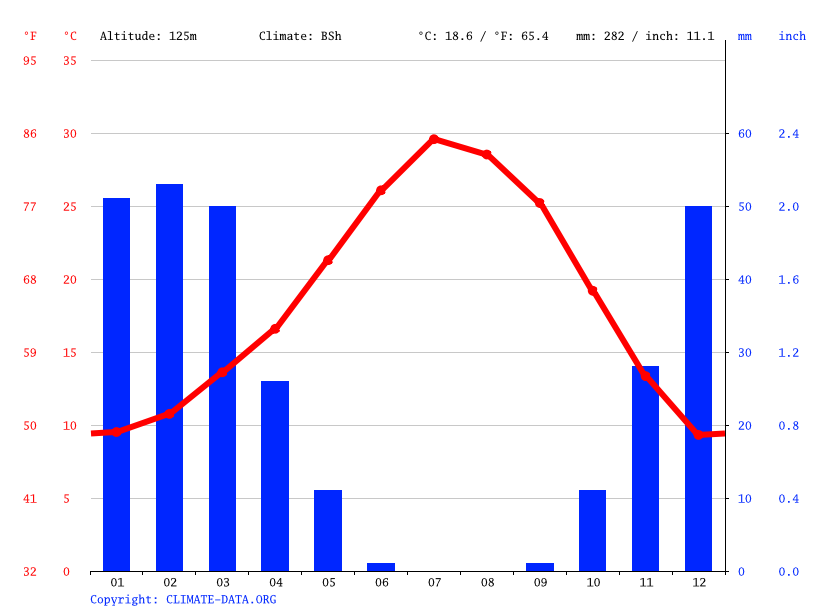
Summers in Bakersfield are hot, dry, and long. Average daily high temperatures often hover between 95°F to 105°F (35°C to 40°C), with many days exceeding 100°F (38°C). Peak temperatures can sometimes climb even higher, occasionally reaching 110°F (43°C) or more. Evenings offer some respite, typically cooling down to the low 70s or high 60s Fahrenheit (around 20-23°C).
- What to Expect: Intense sunshine, very dry air, and a strong need for air conditioning.
- Travel Tips for Summer: Prioritize indoor attractions during the hottest parts of the day (11 AM to 5 PM). Plan outdoor activities for early mornings or late evenings. Hydration is non-negotiable; carry water constantly. Light-colored, loose-fitting clothing, wide-brimmed hats, and strong sunscreen are essential.
Fall (September-November): The Golden Transition
Fall is arguably one of the most pleasant times to visit Bakersfield. The scorching summer heat gradually gives way to more comfortable temperatures. September can still be quite warm, but by October and November, average daily highs settle into the 70s to low 80s Fahrenheit (21-29°C), with nights becoming crisp, dropping into the 50s Fahrenheit (10-15°C).
- What to Expect: Clear skies, comfortable daytime temperatures perfect for outdoor exploration, and cool, refreshing evenings.
- Best Time for Outdoor Exploration: This season is ideal for visiting parks, going on scenic drives, or attending local harvest festivals. The air is often clearer, and the light is beautiful for photography.
Winter (December-February): Mild and Manageable
Winter in Bakersfield is characterized by mild temperatures compared to many other parts of the United States. Average daily highs are typically in the 50s to low 60s Fahrenheit (10-17°C), while nighttime lows can dip into the 30s or 40s Fahrenheit (0-9°C). While snow is extremely rare in Bakersfield itself, nearby mountain ranges often receive significant snowfall. This season is also known for periods of dense “tule fog,” particularly in December and January, which can reduce visibility.
- What to Expect: Cooler days, chilly nights, and the possibility of fog, especially in the mornings.
- Travel Tips for Winter: Layering is key to adapting to fluctuating temperatures throughout the day. Cozy evenings are perfect for enjoying local cuisine or live music. Be prepared for potential travel delays if tule fog is heavy.
Spring (March-May): Blooming and Breezy
Spring is another excellent time to visit, offering a delightful blend of warmth and natural beauty. Temperatures steadily rise from March through May, with average highs ranging from the 70s to low 90s Fahrenheit (21-34°C). Nights remain pleasantly cool, generally in the 50s or 60s Fahrenheit (10-20°C).
- What to Expect: Comfortable to warm days, clear skies, and a landscape that often bursts with wildflowers after winter rains.
- Perfect for Scenic Drives and Park Visits: The vibrant colors and agreeable temperatures make spring ideal for exploring the natural beauty surrounding Bakersfield, including nearby poppy fields and green rolling hills.
Planning Your Bakersfield Itinerary Based on the Thermometer
Tailoring your activities to Bakersfield’s unique temperature fluctuations is crucial for an enjoyable and comfortable trip. Each season presents specific opportunities and challenges.
Summer Travel: Embrace the Indoors and Early Mornings
When the mercury rises during summer, smart travelers shift their focus to indoor attractions and schedule outdoor activities strategically.
- Indoor Attractions: Explore cultural institutions like the Bakersfield Museum of Art, showcasing regional and contemporary art, or delve into local history at the Kern County Museum. Many local shops, cafes, and restaurants offer cool refuges.
- Water Activities and Evening Strolls: Consider visiting local aquatic centers or enjoying swimming pools at your accommodation. As the sun sets, the temperatures become much more bearable, making evening strolls, outdoor dining on shaded patios, or catching an outdoor concert (if available) pleasant options.
Spring and Fall: Outdoor Adventures Await
These shoulder seasons are the sweet spot for those eager to experience Bakersfield’s outdoor offerings. The comfortable temperatures provide the perfect backdrop for exploring the region’s natural beauty.
- Parks and Nature: Spend your days at Hart Memorial Park, a sprawling green space along the Kern River offering fishing, picnicking, and playgrounds. The California Living Museum (CALM) is also a fantastic outdoor attraction, featuring native animals and plants in a zoo and botanical garden setting.
- Hiking and Cycling: Explore the numerous trails in the nearby foothills, perfect for hiking or mountain biking. The cooler air and often vibrant landscapes make for invigorating experiences. Consider scenic drives through the countryside, especially in spring when wildflowers might be in bloom.
Winter Escapes: Culture, Cuisine, and Cozy Comforts
Winter offers a different, often more relaxed, pace for exploring Bakersfield, with a focus on indoor cultural pursuits and gastronomic delights.
- Dining Experiences and Live Music: Take advantage of the cooler evenings to explore Bakersfield’s diverse culinary scene, from traditional Basque restaurants to contemporary eateries. Many venues offer live music, providing a cozy atmosphere for unwinding.
- Day Trips to Nearby Mountains: While Bakersfield itself remains mild, a day trip to the nearby southern Sierra Nevada mountains can offer a completely different experience, possibly including snow activities like skiing or snowboarding, typically just a couple of hours’ drive away. Always check mountain road conditions and weather forecasts before departing.
Essential Packing and Preparation Tips for Bakersfield’s Climate
Regardless of when you visit Bakersfield, a few general packing and preparation tips will ensure your comfort and enjoyment.
The All-Season Packing List
Even with seasonal variations, some items are consistently helpful:
- Layers: Crucial for any season, allowing you to adapt to temperature changes throughout the day and evening.
- Sunscreen and Hats: The California sun is strong year-round. Protect your skin and eyes.
- Comfortable Walking Shoes: Essential for exploring, whether you’re strolling through a museum or hiking a trail.
- Hydration Essentials: Always carry a reusable water bottle, especially if you plan outdoor activities. Dehydration can be a serious concern, particularly in summer.
- Sunglasses: For glare protection, especially when driving or spending time outdoors.
Staying Comfortable: Adjusting to the San Joaquin Valley
- Best Times of Day for Activities: During warmer months, plan strenuous activities for early mornings or late evenings. Midday is best reserved for indoor pursuits or shaded relaxation.
- Understanding Local Weather Patterns and Forecasts: Always check the local forecast before heading out for the day. Be aware of air quality advisories, especially during summer months, and understand that morning fog can be dense in winter.
- Acclimatization: Give yourself time to adjust to the dry air and heat if visiting from a more humid or temperate climate. Listen to your body and take breaks when needed.
Beyond the Thermometer: Experiencing Bakersfield’s Unique Appeal
While temperature is a significant factor, it’s merely one aspect of what makes Bakersfield a compelling travel destination. The city offers a unique blend of experiences that resonate regardless of the season.
Local Flavors and Culture
Bakersfield is famously known as the birthplace of the “Bakersfield Sound,” a distinctive subgenre of country music pioneered by legends like Buck Owens and Merle Haggard. Visitors can delve into this rich musical heritage. The city also boasts a vibrant food scene, heavily influenced by its agricultural roots and diverse population, offering everything from authentic Basque cuisine to farm-to-table delights. Exploring these cultural and culinary offerings can be done comfortably in any season, with indoor options plentiful during extreme temperatures.

Proximity to Diverse Attractions
Bakersfield’s central location in California makes it an excellent base for day trips. From the high desert landscapes to the majestic Sequoia National Forest, and even coastal regions, many diverse environments are within a reasonable driving distance. Travelers can plan excursions that complement the local Bakersfield weather, seeking cooler climes in the mountains during summer or enjoying scenic drives when the valley temperatures are mild.
In conclusion, knowing what the temperature is in Bakersfield, California is more than just curiosity; it’s a strategic part of planning an unforgettable journey. By understanding its climate and preparing accordingly, you can unlock the full potential of this fascinating San Joaquin Valley city, ensuring comfort and maximizing your experiences, no matter the season.
LifeOutOfTheBox is a participant in the Amazon Services LLC Associates Program, an affiliate advertising program designed to provide a means for sites to earn advertising fees by advertising and linking to Amazon.com. Amazon, the Amazon logo, AmazonSupply, and the AmazonSupply logo are trademarks of Amazon.com, Inc. or its affiliates. As an Amazon Associate we earn affiliate commissions from qualifying purchases.