
Understanding the climate of a destination is paramount to planning an enjoyable and successful trip, and Fresno, California, is no exception. Nestled in the heart of the agriculturally rich Central Valley, Fresno experiences a distinct Mediterranean climate, characterized by hot, dry summers and mild, wet winters. This unique weather pattern not only shapes the local landscape and agricultural output but also dictates the rhythm of travel and tourism throughout the year. For visitors contemplating a journey to this vibrant city, a clear grasp of its seasonal nuances is essential for everything from packing decisions to itinerary planning, ensuring your experience aligns perfectly with the prevailing atmospheric conditions.

Understanding Fresno’s Distinct Seasons
Fresno’s weather transitions through four well-defined seasons, each offering a different facet of the city and its surrounding regions. From the scorching summer sun to the crisp winter air and the blossoming beauty of spring, the changing weather patterns create diverse opportunities and considerations for travelers.
Summer: The Golden State’s Heat (June – September)
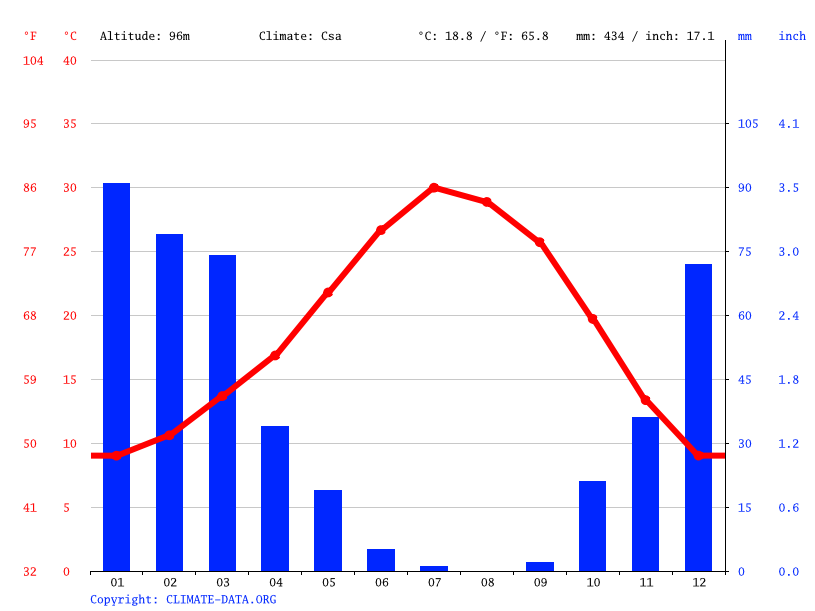
Summer in Fresno is synonymous with heat. The city experiences prolonged periods of intense warmth, with daily high temperatures frequently soaring into the upper 90s Fahrenheit (30s Celsius) and often exceeding 100°F (38°C). The climate is predominantly dry, characterized by clear, sunny skies and minimal humidity, making the heat feel less oppressive than in more humid regions. Evenings offer some respite, with temperatures cooling down, but remaining comfortably warm. This season is ideal for those who love sunshine and crave the warmth that defines much of California’s interior.
For travelers, the summer heat dictates a strategic approach to activities. Outdoor exploration is best undertaken in the early mornings or late evenings. Midday hours are perfect for air-conditioned indoor attractions, museums, shopping, or relaxing by a pool. Hydration is non-negotiable, and sun protection – hats, sunglasses, and high-SPF sunscreen – is absolutely essential. While the heat can be intense, it rarely deters visitors equipped with the right mindset and preparations, especially those looking to enjoy water-based activities or use Fresno as a base for higher-elevation mountain escapes where temperatures are significantly cooler.
Autumn: A Mild and Inviting Transition (October – November)
As summer’s intensity gradually wanes, Fresno enters a delightful autumn period. October and November bring a welcome cool-down, transforming the landscape into a canvas of changing colors, especially evident in the vineyards and orchards surrounding the city. Daytime temperatures become wonderfully mild, often ranging from the 70s to low 80s Fahrenheit (20s Celsius), while evenings are pleasantly cool, sometimes requiring a light jacket. Rainfall remains scarce through much of this period, ensuring plenty of clear, comfortable days for outdoor activities.
This season is arguably one of the best times to visit Fresno. The moderate temperatures are perfect for exploring the city’s parks, embarking on scenic drives along the Fresno County Fruit Trail, or enjoying local harvest festivals. The air is crisp, and the natural beauty of the Central Valley truly shines. Travelers can comfortably engage in a wider range of activities without the concerns of extreme heat or the chill of winter.
Winter: Cooler Temperatures and Valley Fog (December – February)
Fresno’s winter is mild compared to many parts of the country, but it brings cooler temperatures and a distinctive atmospheric phenomenon: Tule Fog. Daytime highs typically hover in the 50s and low 60s Fahrenheit (10-17°C), with nighttime lows dropping into the 30s and 40s Fahrenheit (0-10°C). While snow is an extremely rare occurrence in the city itself, light rainfall is more common during these months, contributing to the lushness of the agricultural lands.
The most notable weather characteristic of Fresno winters is the Tule Fog. This dense ground fog can blanket the Central Valley for days or even weeks at a time, drastically reducing visibility and impacting travel plans, particularly on highways. While it creates a mystical, moody atmosphere, it requires extra caution for drivers. Despite the fog, winter can be an excellent time to visit if you’re interested in accessing the nearby Sierra Nevada mountains for skiing or snowboarding, or if you prefer indoor cultural attractions. Layered clothing is crucial for navigating the varying temperatures between day and night and coping with the dampness that the fog can bring.
Spring: Bloom and Fresh Air (March – May)
Spring in Fresno is a period of rejuvenation and vibrant beauty. The city awakens with an explosion of color as wildflowers bloom and the region’s famous fruit orchards burst into blossom. Temperatures gradually rise, moving from the comfortable 60s and 70s Fahrenheit (15-25°C) in March to the pleasant 80s Fahrenheit (27-30°C) by May, before the intense summer heat fully sets in. Rainfall decreases significantly as the season progresses, ensuring many clear, sunny days.
This is another prime time for travel to Fresno. The mild temperatures and blooming landscapes make it perfect for outdoor activities such as hiking, cycling, and exploring the numerous parks and gardens. It’s also an ideal season for agricultural tourism, with many farms offering tours to witness the fruit trees in full bloom. The air is fresh, and the natural scenery is at its most picturesque, providing a refreshing experience before the onset of the summer warmth.
How Fresno’s Climate Shapes Your Travel Itinerary
The distinct seasonal weather in Fresno has a profound impact on what activities are most enjoyable and accessible. Tailoring your itinerary to the forecast ensures a more comfortable and memorable travel experience.
Activities Tailored to the Forecast

- Summer (June – September): Given the intense heat, planning is key. Water parks like Island Waterpark become popular havens. Museums, art galleries, and indoor shopping centers offer excellent air-conditioned escapes. Consider visiting attractions such as the Forestiere Underground Gardens, which offer a naturally cool environment, providing a unique historical experience away from the sun. For outdoor enthusiasts, early morning hikes or late evening strolls are ideal.
- Autumn (October – November): This mild season is perfect for almost any outdoor activity. Explore the vibrant downtown area, visit local farmers’ markets, or embark on a leisurely drive through the agricultural heartland to witness the harvest. It’s an excellent time for wine tasting in nearby regions or enjoying alfresco dining.
- Winter (December – February): While the city itself is mild, winter provides unparalleled access to the snow-capped Sierra Nevada mountains. Destinations like Shaver Lake and China Peak are within a reasonable drive for skiing, snowboarding, and other winter sports. In Fresno, focus on indoor cultural events, theaters, and warm, cozy dining experiences. The Fresno Art Museum or a visit to local breweries and distilleries can be great options.
- Spring (March – May): The blossoming landscape makes spring ideal for nature-focused activities. Take a drive along the Fresno County Fruit Trail to see orchards in full bloom, visit the Shinzen Friendship Garden in Woodward Park, or enjoy a picnic. Hiking and biking trails are pleasant before the summer heat arrives.
Packing Essentials for Every Season
Preparing your wardrobe according to Fresno’s seasonal weather is vital.
- Summer: Lightweight, breathable clothing (cotton, linen), wide-brimmed hats, sunglasses, high-SPF sunscreen, and comfortable sandals or open-toed shoes. A swimsuit is a must.
- Autumn: Layers are key. T-shirts and light long-sleeved shirts for daytime, with a light jacket or sweater for cooler evenings. Comfortable walking shoes are recommended.
- Winter: Warmer layers, including sweaters, a medium-weight jacket or coat, and long pants. If planning trips to the mountains, bring appropriate winter sports gear, including waterproof outerwear, gloves, and hats. An umbrella or light rain jacket might also be useful for city days.
- Spring: Similar to autumn, layers are advisable. Light jackets or cardigans for mornings and evenings, with comfortable clothing for daytime. If you plan on hiking, sturdy walking shoes are a good idea.
Beyond the City Limits: Weather’s Influence on Nearby Attractions
Fresno’s strategic location makes it a prime gateway to some of California’s most stunning natural attractions. However, the weather in these higher-elevation areas can differ dramatically from the city, requiring careful consideration.
Gateway to the National Parks
Fresno is often hailed as the “Gateway to the National Parks,” serving as a convenient base for exploring Yosemite National Park, Sequoia National Park, and Kings Canyon National Park. While Fresno might be experiencing scorching heat in summer, the higher elevations of these parks will be significantly cooler and more comfortable for hiking and exploration. Conversely, during Fresno’s mild winter, these parks are often blanketed in heavy snow, requiring tire chains or 4×4 vehicles, and offering opportunities for snowshoeing or cross-country skiing. Always check the specific weather and road conditions for the parks before heading out, as they can change rapidly.
Agricultural Tourism and Seasonal Harvests
The Central Valley is one of the world’s most productive agricultural regions, and Fresno’s climate plays a direct role in its bounty. The hot, dry summers are perfect for ripening a vast array of fruits, nuts, and vegetables, leading to peak harvest seasons in late spring, summer, and early fall. Travelers interested in agricultural tourism, such as visiting U-pick farms or farm stands, will find the best opportunities during these warmer months. The Fresno County Fruit Trail is a prime example of an attraction directly tied to the seasonal agricultural cycles, offering fresh produce and blossoms depending on the time of year.
Practical Tips for Navigating Fresno’s Climate
Being prepared for Fresno‘s weather ensures a smooth and enjoyable visit.
Hydration and Sun Protection
Especially during the summer months, staying hydrated is critical. Carry a reusable water bottle and drink frequently, even if you don’t feel thirsty. Electrolyte-rich drinks can also be beneficial. Always apply sunscreen generously and reapply often, particularly if you’re spending extended periods outdoors. Wide-brimmed hats and UV-protective clothing offer additional protection against the strong California sun.
Monitoring Local Forecasts
Before and during your trip, make it a habit to check the local weather forecast. Conditions, especially in the transitional seasons or when Tule Fog is prevalent, can sometimes be unpredictable. Reliable weather apps and local news sources can provide up-to-date information, helping you adjust your plans accordingly. This is particularly important if you are driving long distances or planning excursions to the national parks, where mountain weather can vary significantly.
Driving in Varying Conditions
Be mindful of driving conditions, especially during winter. Tule Fog can reduce visibility to near zero in some areas, making driving extremely hazardous. If you encounter fog, slow down, use low-beam headlights (not high beams, as they reflect off the fog), and increase your following distance. During summer, extreme heat can impact vehicle performance, so ensure your car is in good condition, especially if renting. Always carry water in your vehicle.
In conclusion, Fresno, California, offers a diverse climate that shapes its identity and visitor experience. By understanding its distinct seasons – the hot, dry summers; the mild, inviting autumns; the cool, often foggy winters; and the blossoming springs – travelers can effectively plan their activities, pack appropriately, and embrace all that this vibrant Central Valley city and its spectacular surroundings have to offer. Whether you’re seeking sunshine and outdoor adventure or a cozy retreat and access to mountain snow, Fresno’s weather provides a dynamic backdrop for any travel itinerary.
LifeOutOfTheBox is a participant in the Amazon Services LLC Associates Program, an affiliate advertising program designed to provide a means for sites to earn advertising fees by advertising and linking to Amazon.com. Amazon, the Amazon logo, AmazonSupply, and the AmazonSupply logo are trademarks of Amazon.com, Inc. or its affiliates. As an Amazon Associate we earn affiliate commissions from qualifying purchases.