
For any traveler planning an unforgettable journey to the Golden State, understanding the nuances of local time is more than just a matter of setting your watch; it’s a critical piece of the puzzle for optimizing your experience. California, like most of the United States, observes Daylight Saving Time (DST), a biannual ritual that shifts the clock forward or backward by an hour. This seemingly small adjustment can have a significant ripple effect on everything from flight schedules and restaurant reservations to the operating hours of world-famous attractions and the overall rhythm of your vacation.
Navigating the ebb and flow of time changes is particularly important in a state as vast and diverse as California, where every minute counts, whether you’re catching a sunrise hike in a national park, savoring an exquisite meal in a bustling city, or simply trying to arrive on time for a booked tour. This comprehensive guide delves into when these time changes occur, their implications for your travel plans, and essential tips to ensure your visit remains seamless and enjoyable, allowing you to fully immerse yourself in California’s vibrant culture and breathtaking landscapes.
Understanding Daylight Saving Time in the Golden State
The concept of Daylight Saving Time can sometimes be a source of confusion, particularly for international visitors or those unfamiliar with its observance. In California, the transition between standard time and daylight saving time is a deeply ingrained annual event that shapes the daily lives of its residents and, by extension, the experiences of its tourists.
The Annual Shift: When and Why
In California, the clock changes twice a year according to federal law. These shifts align with the broader United States schedule:
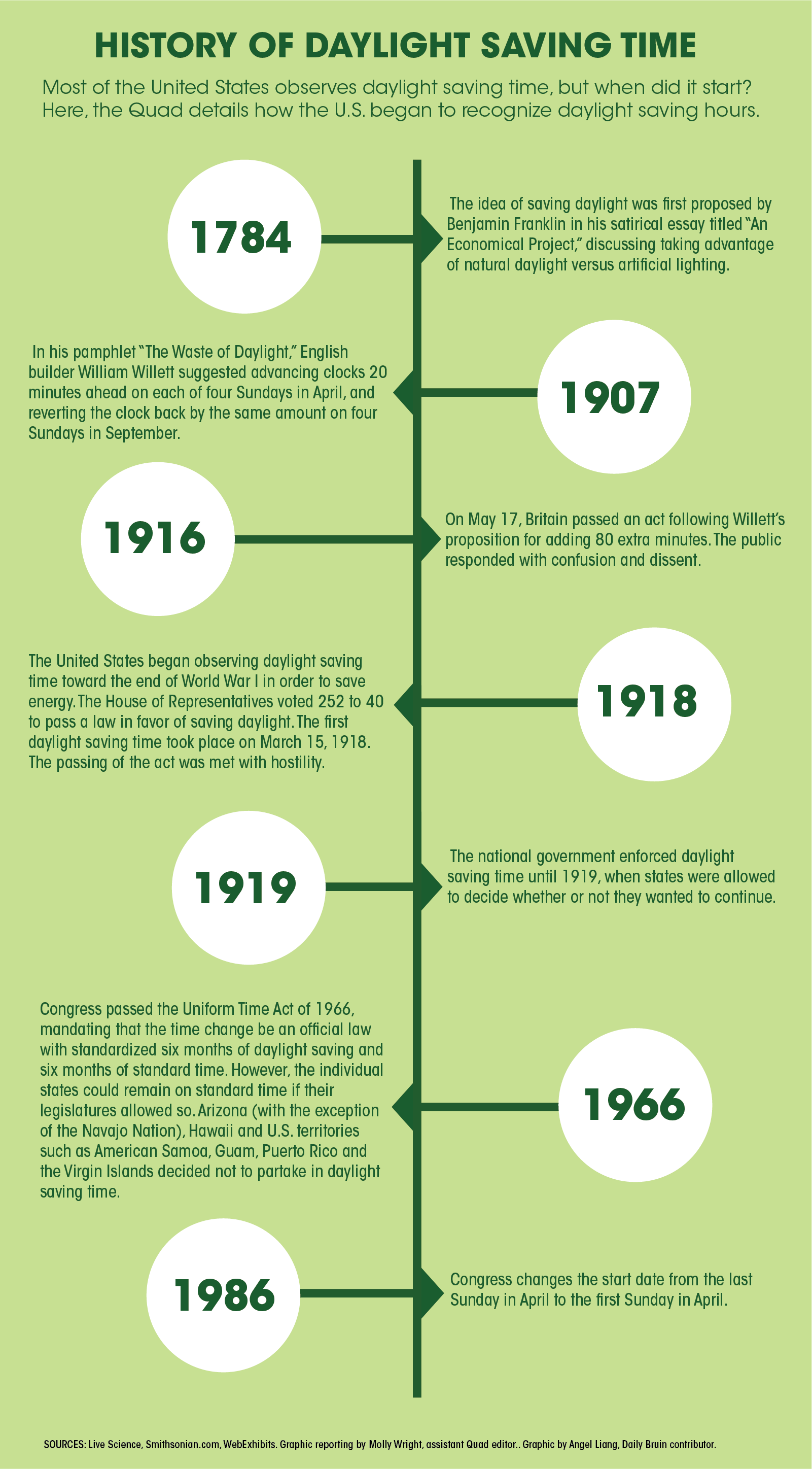
- Spring Forward: On the second Sunday in March, clocks “spring forward” by one hour. This means 2:00 AM becomes 3:00 AM, effectively “losing” an hour of sleep but gaining an hour of daylight in the evening. For travelers, this often translates to longer, brighter evenings perfect for sightseeing and outdoor activities.
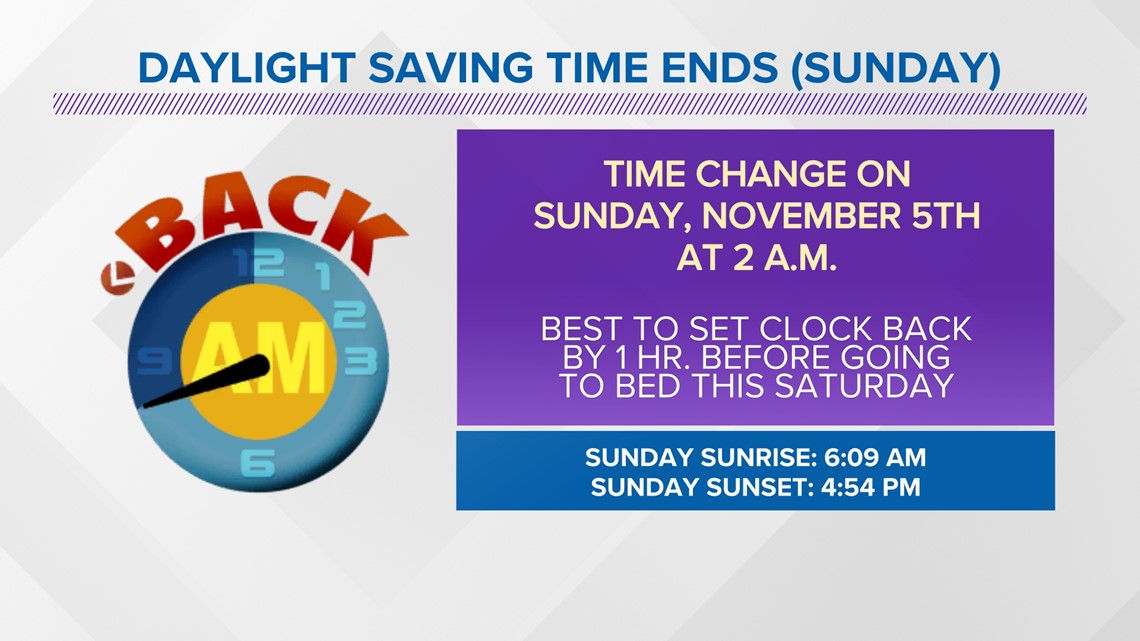
- Fall Back: On the first Sunday in November, clocks “fall back” by one hour. At 2:00 AM, clocks revert to 1:00 AM, giving everyone an extra hour. While this provides a welcome boost of sleep, it also means that evenings arrive earlier, which might influence plans for twilight attractions or late-night dining.
Throughout these periods, California operates within the Pacific Time Zone. During DST, it is known as Pacific Daylight Time (PDT), which is UTC-7. During the rest of the year, it observes Pacific Standard Time (PST), which is UTC-8. The primary motivation behind DST dates back to efforts to conserve energy and make better use of daylight, a concept that continues to be debated.
California’s Unique Stance and Potential Future Changes
While DST is currently standard practice, California has a particularly interesting relationship with the concept. In 2018, California voters passed Proposition 7, which granted the state legislature the power to change DST laws, including the possibility of making it permanent or abolishing it altogether. This initiative reflected a growing sentiment among residents and lawmakers to do away with the biannual clock changes, citing potential health impacts and economic disruptions.
Despite the passage of Proposition 7, any permanent shift requires federal approval from Congress, which has yet to materialize for any state wishing to permanently adopt DST. Therefore, for the foreseeable future, travelers to California must continue to factor in the “spring forward” and “fall back” changes. Staying abreast of these dates is crucial, as even a small miscalculation can lead to missed connections or altered plans.
Impact on Your California Travel Plans
The biannual time shift can subtly, yet significantly, influence various aspects of your trip to California. From the meticulously planned itinerary to spontaneous excursions, understanding these impacts will help you maintain a smooth travel experience.
Adjusting Your Itinerary and Daily Schedule
The most immediate effect of the time change is on your personal schedule. When clocks “spring forward” in March, you lose an hour. This can feel jarring, especially for early morning activities, and may require you to adjust your internal clock and planned wake-up times. If you have an early flight, a sunrise tour, or a breakfast reservation, double-checking the time and allowing for this shift is paramount. For example, if you plan to visit the Griffith Observatory in Los Angeles for an early viewing, ensure you account for the lost hour. Similarly, for theme park enthusiasts headed to Disneyland Park in Anaheim or Universal Studios Hollywood, understanding opening times relative to the new clock is key to maximizing your day.
Conversely, when clocks “fall back” in November, you gain an hour. While this is often welcomed for the extra sleep, it means that the afternoon daylight hours conclude earlier. If your itinerary involves a wine tour in Napa Valley or exploring coastal towns like Carmel-by-the-Sea, you’ll want to schedule activities that rely on natural light earlier in the day. Always confirm the operating hours of specific attractions, museums, and natural parks closer to your travel dates, as their schedules might be adjusted post-time change.
Navigating Transportation and Connectivity
Transportation is another area where time changes demand careful attention. Flight and train schedules are generally published in local time, but if you’re traveling across time zones on a day the clocks change, or have a layover, confirming your departure and arrival times down to the minute is critical.
- Air Travel: Major airports like Los Angeles International Airport (LAX) and San Francisco International Airport (SFO) handle thousands of flights daily. A red-eye flight crossing the time change, or connecting flights, could be particularly susceptible to confusion. Always verify the latest information from your airline.
- Public Transit: Within cities such as San Francisco, Los Angeles, and San Diego, local bus and train schedules (e.g., BART in the Bay Area, Metro in LA) may be minimally affected, but it’s wise to check for any temporary adjustments around the changeover weekend.
- Car Rentals: If you’re picking up or dropping off a rental car around the time change, ensure your booking times align with the new local time to avoid unexpected fees or delays.
Optimizing Your Experience During the Time Shift
Rather than viewing the time change as a mere inconvenience, savvy travelers can leverage it to enhance their California adventure. A few simple strategies can transform potential disruptions into opportunities.
Practical Tips for Travelers
Preparation is key when the clocks shift. Here are some essential tips to ensure a smooth transition:
- Confirm Bookings: Reconfirm all critical reservations – hotels, flights, rental cars, and restaurant tables – for the dates immediately following a time change. A quick call or email can save you a lot of hassle.
- Update Your Devices: Most modern smartphones, tablets, and laptops automatically adjust for DST. However, double-check your device settings to ensure automatic time zone updates are enabled. Manually adjusting clocks in your rental car or traditional watches will be necessary.
- Allow for Adjustment: When “springing forward,” prepare for the loss of an hour by going to bed slightly earlier the night before, if possible. This minimizes the impact of sleep disruption. Conversely, the “fall back” provides a natural opportunity for extra rest.
- Communicate with Travel Companions: Ensure everyone in your travel party is aware of the impending time change and has adjusted their clocks accordingly. Miscommunication about time can lead to missed meetings or departures.
Leveraging the Daylight for California Activities
The shift in daylight hours offers unique advantages for different types of activities:
- Spring Forward (More Evening Daylight): The longer evenings are perfect for extending your outdoor explorations. Enjoy stunning beach sunsets in Malibu, an extra hour of hiking in Yosemite National Park, or leisurely strolls through Balboa Park in San Diego. Outdoor dining and evening events become even more appealing with the extended natural light.
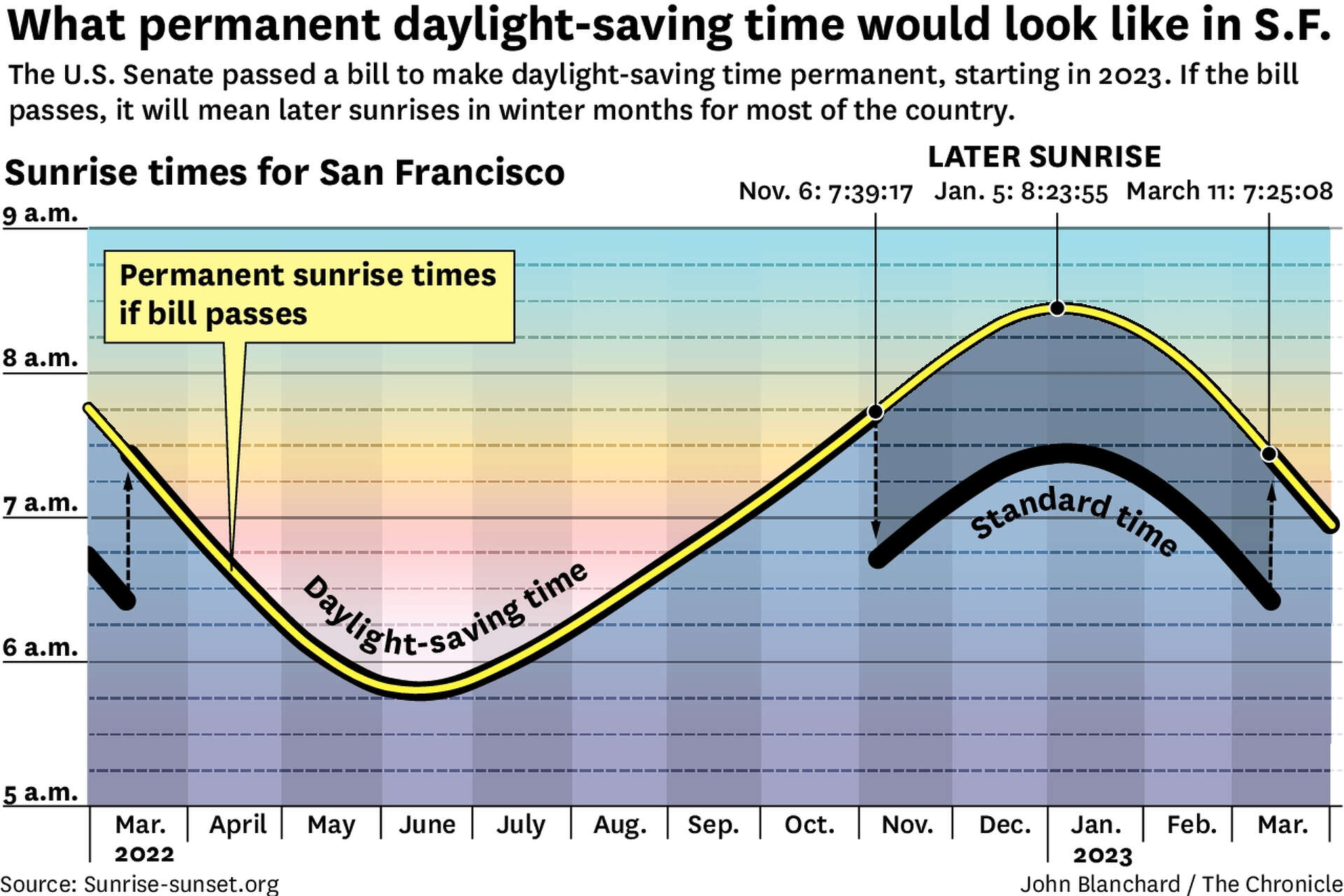
- Fall Back (More Morning Daylight): The earlier sunrise post-“fall back” can be a boon for early birds. It makes it easier to kickstart your day with a visit to a bustling farmers market, an early trek through Death Valley National Park’s unique landscapes, or an invigorating hike in Joshua Tree National Park before the midday heat.
Beyond the Clock: Cultural Nuances and Local Rhythms
Understanding the time change in California extends beyond just the practicalities of scheduling; it also touches upon the local culture and how daily life unfolds.
Dining and Entertainment Schedules
In California’s diverse cities, the local rhythm subtly shifts with DST. Restaurants might slightly adjust their dinner service times, bars might alter happy hour specials to align with the changing sunset, and showtimes for theaters or live music venues could see minor shifts. For instance, an early dinner reservation might feel earlier or later than anticipated relative to the actual sunset.
Consider how the shift affects outdoor activities and perceived leisure time. An evening stroll along the Santa Monica Pier or exploring Fisherman’s Wharf in San Francisco will feel different when the sun sets an hour later in spring or an hour earlier in fall. These subtle changes contribute to the unique ambiance of a California visit, influencing when locals dine, socialize, and engage in evening activities.
Understanding the Local Pace
While Californians are accustomed to the time shifts, the initial days following the change can still create a slight lag or adjustment period, both individually and collectively. Observing how locals adapt can offer insight into the regional culture. The collective anticipation of longer summer evenings or the embrace of cozier winter nights, facilitated by the clock change, is part of the state’s lifestyle rhythm. For tourists, being aware of this can help foster a more empathetic and relaxed approach to travel, understanding that sometimes minor delays or adjustments are simply part of the seasonal flow.
Staying Informed During Your Visit
Knowledge and preparation are your best allies when navigating time changes during your California adventure.
Essential Resources and Pre-Trip Checks
Before and during your trip, make it a habit to:
- Consult Official Sources: For the most accurate dates of DST changes, refer to official United States government websites or reliable news sources for California.
- Directly Confirm Hours: For critical attractions, tour operators, and dining establishments, always double-check their specific operating hours directly on their websites or by phone, especially if your visit coincides with the week of a time change.
- Utilize Time Zone Apps: If you’re traveling from a vastly different time zone or country, a reliable world clock or time zone converter app on your smartphone can be an invaluable tool for managing your schedule and staying connected with home.
The Future of Time in California
As mentioned, California’s future with Daylight Saving Time remains a topic of ongoing discussion and potential legislative action. While changes aren’t imminent, the possibility of California adopting year-round DST or standard time is a live issue. Should such a change occur, it would fundamentally alter the seasonal daylight rhythm, impacting how future travelers plan their visits. For now, however, understanding the biannual clock adjustments is an essential piece of advice for any traveler seeking a seamless and enriching experience in the dynamic and ever-evolving state of California. By staying informed and planning ahead, you can ensure that your precious travel time is spent savoring every moment, not scrambling to adjust to the clock.
LifeOutOfTheBox is a participant in the Amazon Services LLC Associates Program, an affiliate advertising program designed to provide a means for sites to earn advertising fees by advertising and linking to Amazon.com. Amazon, the Amazon logo, AmazonSupply, and the AmazonSupply logo are trademarks of Amazon.com, Inc. or its affiliates. As an Amazon Associate we earn affiliate commissions from qualifying purchases.