
For any traveler planning a memorable trip to the Golden State, understanding the intricacies of time changes is more than just a trivial detail – it’s a vital piece of the puzzle for seamless itinerary planning and an enjoyable experience. California, a land of diverse landscapes from sun-kissed beaches to towering mountains and bustling metropolises, observes Daylight Saving Time (DST). This annual ritual of “springing forward” and “falling back” can subtly, yet significantly, impact everything from flight schedules and accommodation check-ins to tour bookings and the rhythm of your daily explorations. This guide delves into when these changes occur, their implications for travelers, and practical tips to ensure your California adventure remains perfectly in sync.
Decoding Daylight Saving Time in California
Daylight Saving Time is a practice where clocks are advanced by one hour during warmer months so that evening daylight lasts longer, and clocks are reset during colder months. While there have been discussions and propositions regarding its permanent adoption or elimination in California, the state currently continues to observe DST.
The Annual Shift: Spring Forward
The spring forward occurs on the second Sunday in March each year. At 2:00 AM local time, clocks are advanced to 3:00 AM, effectively “losing” an hour of sleep or time. For travelers, this means a few key considerations. If you’re traveling into or out of California on this particular weekend, especially on an overnight journey, you must be acutely aware of this shift. An early morning flight might suddenly feel an hour later, or your arrival at an accommodation could be impacted if you haven’t adjusted your internal clock or device settings. It’s an adjustment that can mimic mild jet lag for those sensitive to changes in sleep patterns, making your initial days of exploration feel a bit more sluggish without proper planning.
The Annual Shift: Fall Back
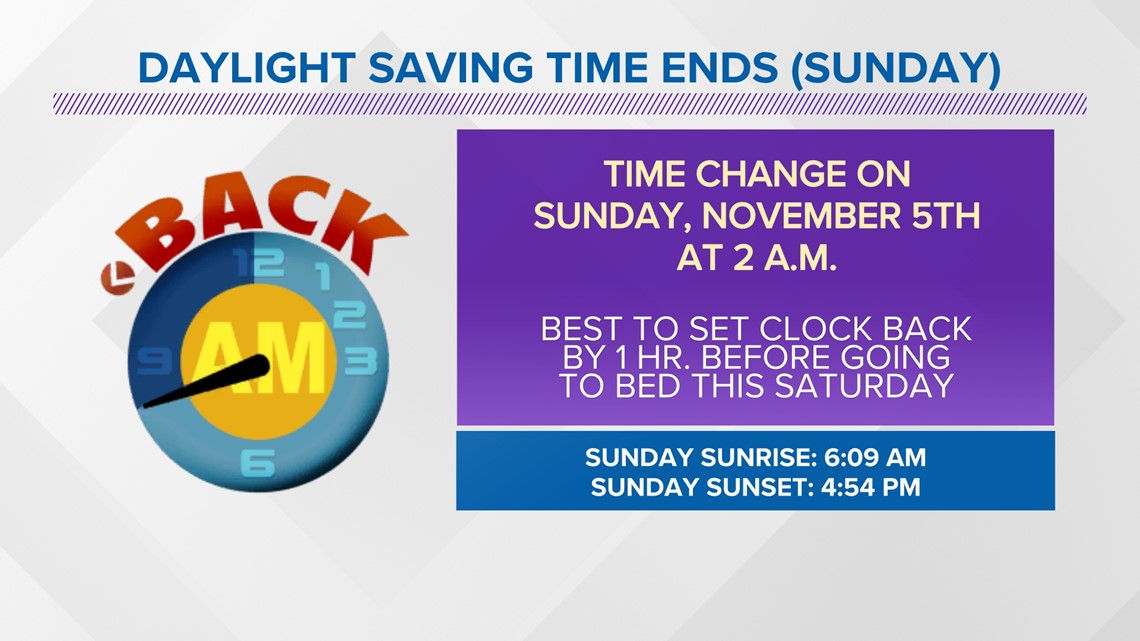
Conversely, the fall back takes place on the first Sunday in November. At 2:00 AM local time, clocks are set back to 1:00 AM, effectively “gaining” an hour. While gaining an hour might sound like a bonus, it also signifies the end of longer daylight evenings. For travelers, this means sunsets will occur earlier, potentially impacting outdoor activities or plans for evening excursions. If you’re attending an event that runs into the early hours of this Sunday, you might find yourself with an unexpected extra hour of celebration or travel. This change generally feels less disruptive than springing forward, offering a gentle transition as the days grow shorter heading into winter.
California’s Stance on DST
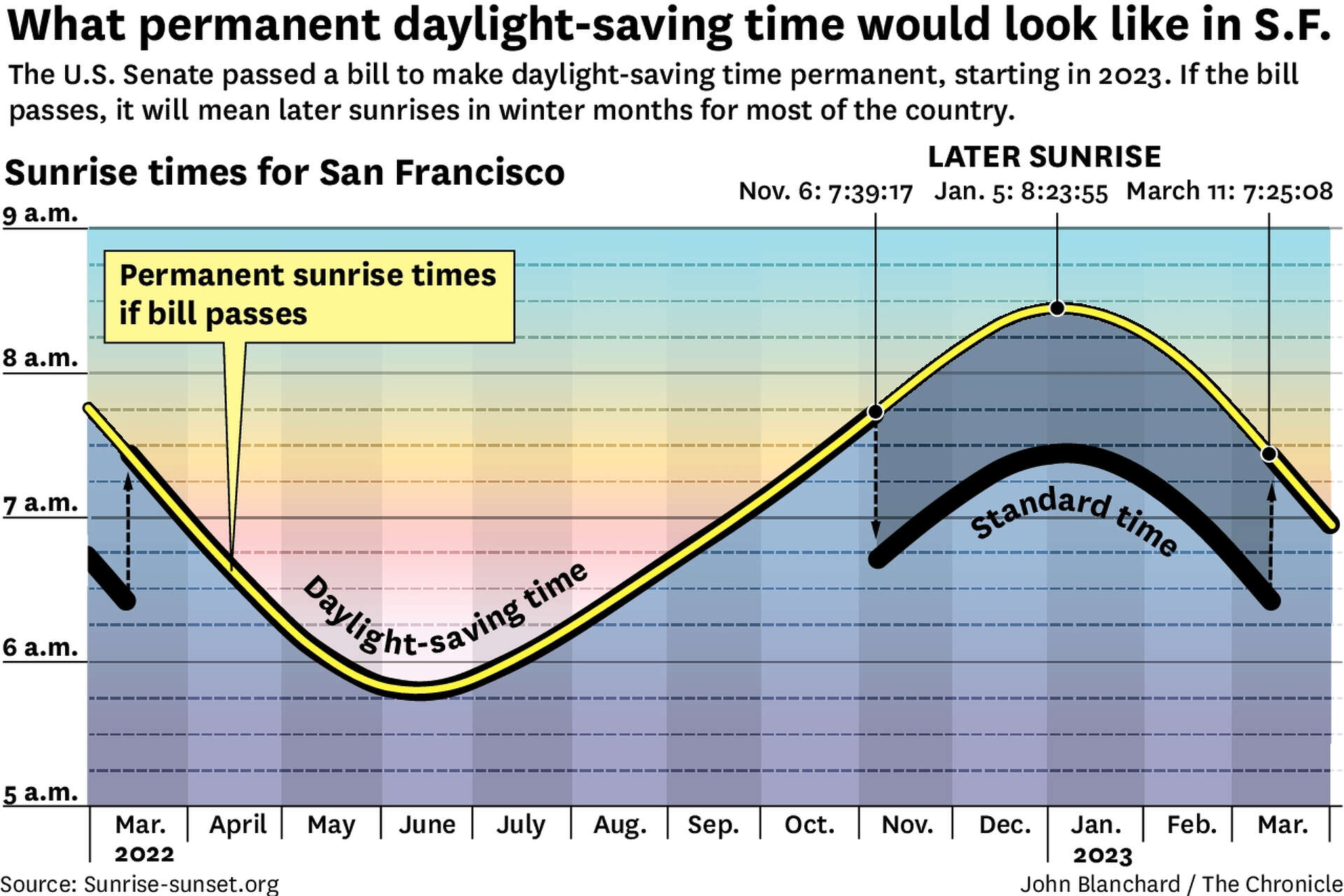
California voters passed Proposition 7 in 2018, which gave the state legislature the power to change DST laws, including the possibility of adopting year-round DST or opting out entirely. However, as of now, the legislation required to enact such a change has not passed. This means travelers should continue to anticipate the biannual time shifts for the foreseeable future. Staying informed about the current status ensures you’re prepared for the state’s timekeeping practices, providing certainty when planning your visits to destinations like San Francisco, Los Angeles, or the majestic Yosemite National Park.
Travel Planning Implications: Before You Arrive
The impact of Daylight Saving Time extends far beyond simply adjusting the numbers on your watch. For travelers, these biannual shifts necessitate careful consideration across several crucial aspects of trip planning. Overlooking them can lead to missed connections, forfeited reservations, or unnecessary stress during your vacation.
Flight Schedules and Connections
Perhaps the most critical area affected by DST changes is air travel. If your flight falls on the “spring forward” or “fall back” weekend, especially if you’re traveling across time zones, the exact departure and arrival times can become confusing. An overnight flight arriving on Sunday morning of “spring forward” might effectively have an hour less en route, leading to earlier-than-expected arrival or a tight connection. Conversely, during “fall back,” an airline might account for the extra hour, or your internal clock could be an hour ahead of the airport’s time. Always double-check your airline’s specific guidance and re-confirm flight times in the days leading up to travel, particularly for flights touching down in cities like San Diego or Oakland during these weekends. Rely on official airport clocks and airline apps for the most accurate information.
Accommodation Check-in/Check-out
Hotels, resorts, and vacation rentals operate on precise schedules. During the “spring forward,” an early morning check-out might feel an hour earlier than anticipated, potentially cutting into your last hours of sleep or sightseeing. If you’ve booked an early morning activity after check-out, this lost hour could create a scramble. For check-ins, arriving too early could mean waiting longer if your room isn’t ready. Always confirm check-in and check-out times directly with your accommodation, whether it’s a boutique hotel in Napa Valley or a grand resort like the Hotel del Coronado, especially if your stay coincides with a time change. Clear communication with properties like The Ritz-Carlton, Laguna Niguel can prevent any confusion.
Tour Bookings and Reservations
California offers a plethora of pre-bookable experiences, from tours of Alcatraz Island to wine-tasting excursions and reservations at acclaimed restaurants in San Jose. All of these adhere to strict schedules. Missing a booked tour due to a time change misunderstanding can be costly and disappointing. Imagine showing up an hour late for your Universal Studios Hollywood skip-the-line pass or a scenic drive along the Pacific Coast Highway. Always verify the start times for any pre-booked activities, dining reservations, or scheduled transportation services, particularly those early in the morning on the day of a time change. Many tour operators will send reminders, but it’s prudent to double-check yourself.
Rental Car Pick-up/Drop-off
Timely rental car management is essential to avoid additional fees or disruptions to your travel plans. If you’ve scheduled a pick-up or drop-off around the DST change, ensure your internal clock and the rental agency’s clock are aligned. Arriving late for a pick-up could mean a longer wait or a missed reservation, while a late drop-off could incur unexpected charges. Always factor in the time change when planning your vehicle logistics, particularly if you have a tight schedule for arriving at or departing from a major hub like Los Angeles International Airport or San Francisco International Airport.
Navigating Your California Experience During DST
Once you’ve arrived in California, the time change continues to play a role in how you experience your trip. Adapting quickly and efficiently can make all the difference in maximizing your time and enjoyment.
Adjusting to the New Time: Practical Tips
The most immediate impact of DST is on your body clock. After “springing forward,” many travelers report feeling a bit sluggish, akin to a mild form of jet lag. To counteract this:
- Reset Devices Promptly: Most smartphones and digital devices will automatically update, but manually reset any analog watches or clocks.
- Prioritize Sleep: On the “spring forward” weekend, try to go to bed an hour earlier on Saturday night to mitigate the lost hour.
- Hydration and Sunlight: Stay well-hydrated and seek natural light in the mornings to help reset your circadian rhythm. A morning stroll along Santa Monica Pier or through a park can be incredibly beneficial.
- Gradual Adjustment: If possible, try to adjust your daily routine by 15-minute increments a few days before the change.
Impact on Daily Activities and Attractions
Local attractions, shops, and public transport systems strictly adhere to the updated time. This means that an attraction like Disneyland Park will open and close according to the new time, and the last bus or train in Sacramento will depart based on the post-change schedule.
- Opening/Closing Times: Always check the current operating hours for museums, theme parks, restaurants, and shops. Websites are usually updated, but a quick call can confirm.
- Public Transport: Be aware that public transit schedules might have minor adjustments or simply run on the new time, so verify departure times for buses and trains if you rely on them.
- Outdoor Activities: During “spring forward,” the extra hour of evening daylight is fantastic for outdoor activities like hiking in the Redwood National Park or enjoying a beach sunset. However, after “fall back,” the earlier sunsets mean you’ll have less daylight for such activities, requiring earlier planning.
Maximizing Your Daylight Hours
One of the significant benefits of DST, especially after “spring forward,” is the extended evening daylight. This is a boon for travelers in California:
- Extended Sightseeing: Enjoy more hours to explore cities, visit historical sites like the Golden Gate Bridge, or linger at scenic viewpoints without rushing against the sunset.
- Evening Recreation: Take advantage of the longer evenings for outdoor dining, strolls along waterfronts, or enjoying outdoor concerts and events.
- Photography: Sunset photography opportunities become later, offering dramatic golden hour shots without extremely late-night waits.
Conversely, during “fall back,” while mornings are brighter earlier, evenings shorten. This is a cue to adjust your itinerary to prioritize daytime activities and perhaps enjoy cozier indoor experiences or early evening dining.
Beyond the Clock: Health and Wellness for Travelers
The subtle shifts in time can have a real, albeit minor, physiological impact on travelers. Addressing these can ensure your California trip is as restorative as it is exciting.
Mitigating Jet Lag-like Symptoms
While not true jet lag, the “spring forward” can induce similar symptoms: fatigue, difficulty concentrating, and disrupted sleep patterns. These effects are often more pronounced in individuals who are already susceptible to sleep disturbances or are traveling from different time zones.
- Pre-adjustment: If your travel dates align with the “spring forward,” consider adjusting your sleep schedule by 15-30 minutes for a few days before the change.
- Light Exposure: Maximize exposure to natural light in the mornings to help regulate your body’s internal clock. Conversely, minimize bright light exposure in the evenings if you’re trying to go to bed earlier.
- Consistency: Try to maintain a consistent sleep schedule once you’ve adjusted to the new time in California, even on weekends.
Staying Informed with Local Resources
One of the best strategies for smooth travel during DST is to leverage local information.
- Hotel Staff: Your hotel concierge or front desk staff can be an excellent resource for confirming local attraction hours, public transport schedules, and restaurant opening times, especially on the days immediately following a time change.
- Official Websites and Apps: Always refer to the official websites or apps of attractions, transportation providers, and event organizers for the most up-to-date information. These are typically updated automatically to reflect the new time.
- Local News: A quick glance at local news headlines (even online) can sometimes highlight specific local impacts or public service announcements related to the time change.
In conclusion, while the biannual time change might seem like a small detail, for travelers venturing to California, understanding and preparing for Daylight Saving Time is a mark of a well-planned trip. By anticipating its effects on schedules, activities, and even your personal well-being, you can ensure your visit to the Golden State remains delightful and perfectly timed, allowing you to fully immerse yourself in all the beauty and excitement it has to offer.
LifeOutOfTheBox is a participant in the Amazon Services LLC Associates Program, an affiliate advertising program designed to provide a means for sites to earn advertising fees by advertising and linking to Amazon.com. Amazon, the Amazon logo, AmazonSupply, and the AmazonSupply logo are trademarks of Amazon.com, Inc. or its affiliates. As an Amazon Associate we earn affiliate commissions from qualifying purchases.