
The allure of California is undeniable, a state synonymous with sunshine, diverse landscapes, and an endless array of experiences. From its iconic beaches to its majestic mountains, bustling cities to tranquil vineyards, the Golden State beckons millions of visitors annually. However, for those planning a trip, especially after a particularly warm spell, one question frequently arises: “When will it cool down?” This seemingly simple query unravels into a fascinating exploration of California’s unique microclimates and seasonal shifts, crucial knowledge for any traveler seeking comfort and the optimal conditions for their chosen adventures. Understanding the ebb and flow of California’s temperatures isn’t just about avoiding discomfort; it’s about strategically timing your visit to unlock the very best of what each region has to offer, making your tourism experience truly unforgettable.
California’s Climatic Kaleidoscope: A State of Extremes
To understand when California truly “cools down,” one must first appreciate its staggering geographical diversity, which translates directly into a patchwork of distinct climate zones. This isn’t a state with a uniform weather pattern; rather, it’s a mosaic where temperatures can swing wildly within just a few dozen miles, offering a constantly changing backdrop for tourists.
Coastal Influence: The Marine Layer’s Embrace
Along California’s extensive coastline, from San Diego in the south to the redwood forests of the north, the mighty Pacific Ocean exerts a profound moderating influence on temperatures. Cities like Los Angeles and San Francisco experience milder summers and winters compared to their inland counterparts. This phenomenon is largely due to the pervasive marine layer – a blanket of cool, moist air that often rolls in overnight and persists through the morning, colloquially known as “May Gray” or “June Gloom.” While these terms might sound dreary, this natural air conditioning keeps coastal temperatures remarkably pleasant, often burning off by midday to reveal sunny skies. For tourists, this means that even during the peak of summer, coastal areas rarely become oppressively hot. “Cooling down” here isn’t a dramatic shift from intense heat but rather a subtle progression from comfortably warm to refreshingly crisp as autumn approaches, particularly in the evenings, making layers an essential packing item year-round.
Inland Valleys and Deserts: The Furnace Effect
Venture just a short distance inland, beyond the coastal mountain ranges, and the climate narrative shifts dramatically. Regions such as the vast Central Valley and the iconic Southern California deserts, including Palm Springs, are known for their scorching hot summers. Here, the absence of the ocean’s moderating effect, combined with geographical features that trap heat, leads to intensely high temperatures, often well into the triple digits Fahrenheit. The dry heat, while different from humid climates, can still be taxing, making midday outdoor activities challenging. For tourists exploring attractions around Sacramento or the desert resorts, understanding this extreme heat is critical for planning, often necessitating early morning excursions, leisurely indoor afternoons, and evening activities when temperatures become more bearable. The “cooling down” in these regions is a much-anticipated relief, a true transition from formidable heat to comfortable warmth.
Mountainous Regions: Alpine Retreats
Ascend to California’s majestic mountain ranges, such as the Sierra Nevada, home to stunning destinations like Lake Tahoe, and you’ll find another world entirely. Elevation dramatically alters the climate, offering a natural escape from the summer heat of the lowlands. Temperatures here are significantly cooler year-round, with lush forests, alpine lakes, and often lingering snow well into early summer at higher elevations. Mountain regions experience their “cool down” much earlier and more distinctly than the valleys, transitioning from mild summers to crisp autumns and eventually snow-filled winters. These areas become popular refuges for tourists escaping summer heat elsewhere in the state, offering opportunities for hiking, camping, and water sports in a refreshing environment.
Navigating California’s Summer Scorch: What to Expect
For many, the image of a California summer is one of endless sun and perfect beach days. While largely true, it’s important for tourists to set realistic expectations regarding the intensity and duration of the heat, especially when planning activities beyond the immediate coast.
Peak Heat Periods: A Seasonal Overview
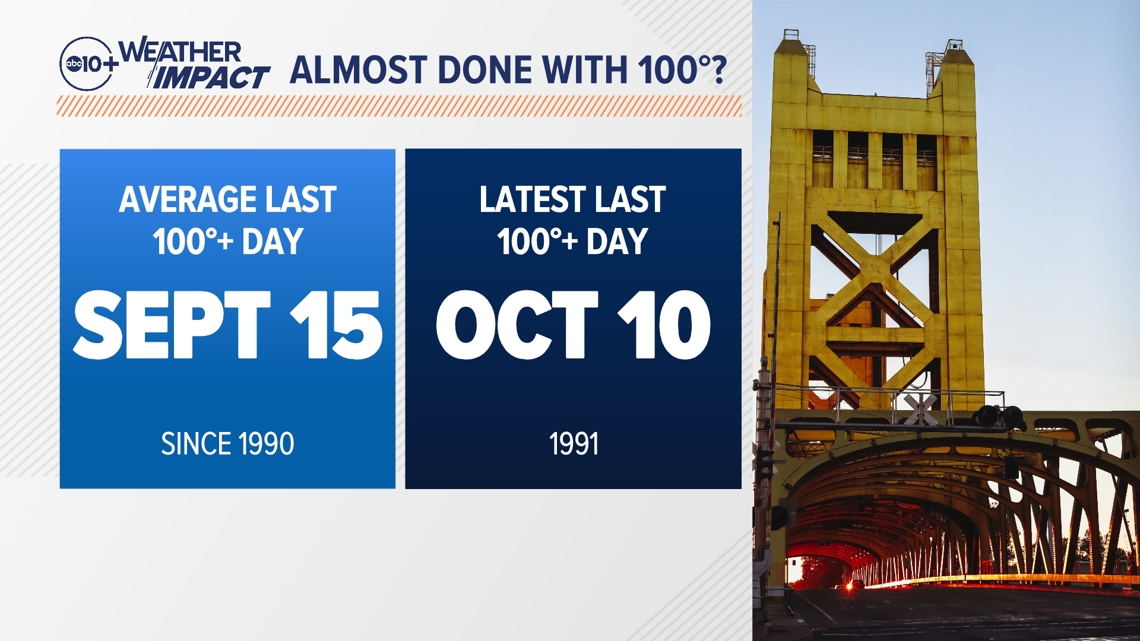
Across the majority of California, particularly inland, July and August represent the zenith of summer heat. These months consistently deliver the highest average temperatures, often accompanied by prolonged heatwaves that can last for several days. What surprises many first-time visitors is that September, and sometimes even early October, can extend this hot spell, a phenomenon often referred to as “Indian Summer.” While coastal areas might see a slight moderation, inland valleys, deserts, and even many wine regions like Napa Valley can remain quite warm during these shoulder months. This extended warmth means that while the calendar might flip to autumn, the thermometer in many parts of the state still screams summer, requiring tourists to continue employing heat-coping strategies.
Regional Hotspots and Their Tourist Implications
The impact of peak summer heat on tourism varies significantly by region. Exploring the historical architecture of downtown Sacramento or embarking on a full day of wine tasting in Napa Valley can become less enjoyable in 90-100+ degree Fahrenheit weather. Theme parks, while often equipped with water rides, can feel overwhelming. Hiking trails in natural parks like Joshua Tree National Park or Death Valley National Park can become dangerous without proper precautions and early starts. Tourists should factor this into their itineraries, perhaps prioritizing indoor attractions, museums, air-conditioned shopping centers, or water-based activities during the hottest parts of the day. Alternatively, selecting destinations known for their cooler microclimates, such as the northern coast or higher elevations, can provide a more comfortable summer experience.
Autumn’s Gentle Descent: The Anticipated Cool Down
For many seasoned California travelers, autumn truly represents the “sweet spot” – a period when the state genuinely begins to cool down, offering some of the most pleasant weather conditions for tourism. This transition is gradual but profound, transforming the landscape and opening up new possibilities for exploration.
September’s Transition: A False Dawn or Real Relief?
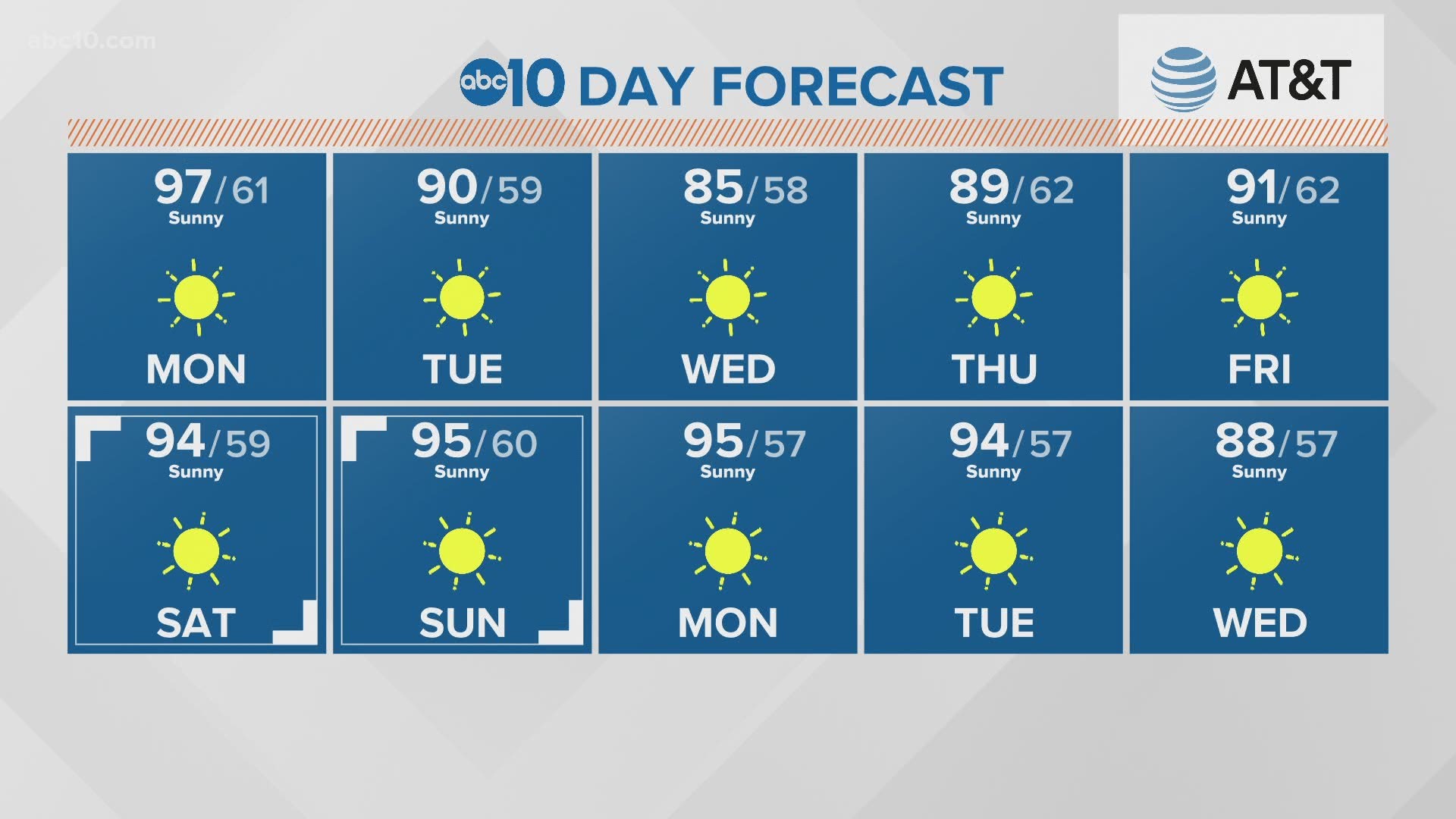
As the calendar turns to September, there’s often a hopeful anticipation of cooler weather. However, as previously noted, early September often continues the summer’s warmth, especially in inland and southern regions. This “Indian Summer” can sometimes deliver some of the year’s highest temperatures, as offshore winds (like the Santa Anas) can push hot, dry air towards the coast. The true, consistent cool-down typically begins in mid-to-late September. It’s a nuanced period; while mornings and evenings start to feel noticeably crisper, especially on the coast, midday can still be quite warm. For tourists, this means being prepared for a range of temperatures within a single day, continuing the California tradition of layering.
October and November: The Golden Months
Without a doubt, October is often hailed as one of the absolute best months to visit California. During this period, the intense summer heat largely recedes across most of the state, yielding beautifully mild, clear days and comfortably cool evenings. Coastal cities like San Francisco and Santa Barbara shed their morning fog more consistently, revealing brilliant sunshine and pleasant temperatures perfect for beach strolls or al fresco dining. Inland regions, including the wine country of Napa Valley and the agricultural heartland of the Central Valley, experience a significant and welcome drop in temperature, making outdoor activities like hiking, cycling, and exploring vineyards incredibly enjoyable. The autumn light is often stunning, and the vibrant fall foliage in some areas adds to the scenic appeal.
November brings further cooling, especially as daylight hours shorten. While the risk of rain begins to increase, particularly in Northern California, many days remain bright and crisp. This month offers a more distinctly autumnal feel, with ideal conditions for cozy city breaks, exploring museums, or enjoying the quiet beauty of California’s natural parks before the winter crowds and weather fully set in. For tourists, October and November present an unparalleled opportunity to experience California’s diverse offerings without the intense heat or the peak summer crowds, making it a prime window for exploration.
Winter’s Arrival: A Different Kind of Cool
By December, California has fully embraced its cooler season. Temperatures generally remain mild along the coast, though mornings can be chilly and rain becomes more frequent. Inland valleys experience significantly cooler, often foggy, conditions. Crucially, the mountains transform into winter wonderland playgrounds, with fresh snow creating ideal conditions for skiing, snowboarding, and other winter sports at resorts like those around Lake Tahoe. This period offers a completely different, but equally rewarding, tourism experience, catering to those who prefer cooler temperatures, cozy indoor activities, or snow adventures. The question of “cooling down” becomes a matter of how much cool you desire.
Strategic Planning for Your California Escape
Successfully navigating California’s diverse climate requires thoughtful planning, ensuring that your trip aligns with both your comfort preferences and your desired activities. For any tourist, a little foresight can go a long way in maximizing enjoyment.
Timing Your Visit: Aligning with Your Comfort Zone
The most crucial step in planning your California adventure is to consider your personal tolerance for heat and the type of experiences you envision. If you dream of leisurely beach days and comfortable sightseeing without intense heat, the autumn months (October and November) are generally ideal across most of the state. For those who don’t mind the heat and want to fully immerse themselves in summer vibes, July and August are perfect for coastal areas and mountain escapes, provided you’re prepared for potential inland scorchers. Spring (April to June) also offers pleasant temperatures and blooming landscapes, making it another excellent choice for a balance of good weather and fewer crowds. Conversely, if you’re a winter sports enthusiast, or prefer cooler, potentially rainy weather for urban exploration, December through March will be your preferred window.
Packing Essentials: Layers Are Key
Due to California’s propensity for microclimates and significant temperature swings even within a single day, especially in coastal areas, packing layers is non-negotiable. Even in summer, a warm sweater or light jacket is essential for cool evenings, particularly in San Francisco or along the Los Angeles coastline. For inland and desert trips during warmer months, lightweight, breathable fabrics are paramount. Year-round, don’t forget sun protection – a wide-brimmed hat, sunglasses, and high-SPF sunscreen are vital, regardless of the season or temperature, as California’s sun is consistently strong. Comfortable walking shoes are also a must for exploring the state’s many attractions.
Hydration and Activity Adjustments
For any visit during the warmer months, especially when venturing inland or engaging in outdoor activities, staying hydrated is critical. Carry a reusable water bottle and replenish it frequently. Plan strenuous activities like hiking for the early morning or late afternoon when temperatures are cooler. Utilize midday for indoor attractions, museums, or leisurely meals in air-conditioned establishments. Many attractions, especially theme parks, offer water features or shaded areas, so make use of them. Consider incorporating water-based activities like kayaking, paddleboarding, or simply swimming at one of California’s many beautiful beaches or lakes, such as Lake Tahoe.
Booking Accommodations: AC and Beyond
When booking accommodations, particularly if traveling during the summer or to inland/desert regions like Palm Springs, always verify that air conditioning is available and functioning properly. While many coastal hotels might rely on sea breezes, unexpected heatwaves can occur, and AC will provide essential comfort. In cooler months, ensure your accommodation offers adequate heating. For mountain stays, inquire about amenities like fireplaces for cozy evenings. Reading recent reviews can often provide insights into the effectiveness of climate control in specific properties, ensuring your stay is as comfortable as possible.
In conclusion, the question “When will it cool down in California?” is as multifaceted as the state itself. While summer heat can be intense in many regions, especially inland, the state eventually transitions into a glorious autumn, offering arguably the most universally pleasant weather for tourism during October and November. By understanding California’s diverse climate zones and planning strategically, visitors can ensure a comfortable, engaging, and utterly memorable journey, regardless of the season.
LifeOutOfTheBox is a participant in the Amazon Services LLC Associates Program, an affiliate advertising program designed to provide a means for sites to earn advertising fees by advertising and linking to Amazon.com. Amazon, the Amazon logo, AmazonSupply, and the AmazonSupply logo are trademarks of Amazon.com, Inc. or its affiliates. As an Amazon Associate we earn affiliate commissions from qualifying purchases.