
The towering majestic trees known universally as the California Redwoods are more than just arboreal giants; they are living monuments, ancient sentinels that have stood for millennia, bearing witness to epochs of natural history. These colossal trees evoke a sense of awe and wonder, drawing visitors from across the globe to experience their unparalleled grandeur. But where precisely do these botanical wonders stand, and what makes them such enduring landmarks of the Golden State? Understanding their habitat is key to appreciating their ecological significance and the profound impact they have on the landscape and human spirit. This exploration delves into the specific locales where these magnificent giants thrive, their unique characteristics, and their profound importance as irreplaceable natural landmarks.
Unveiling the Giants: An Introduction to California’s Iconic Redwoods
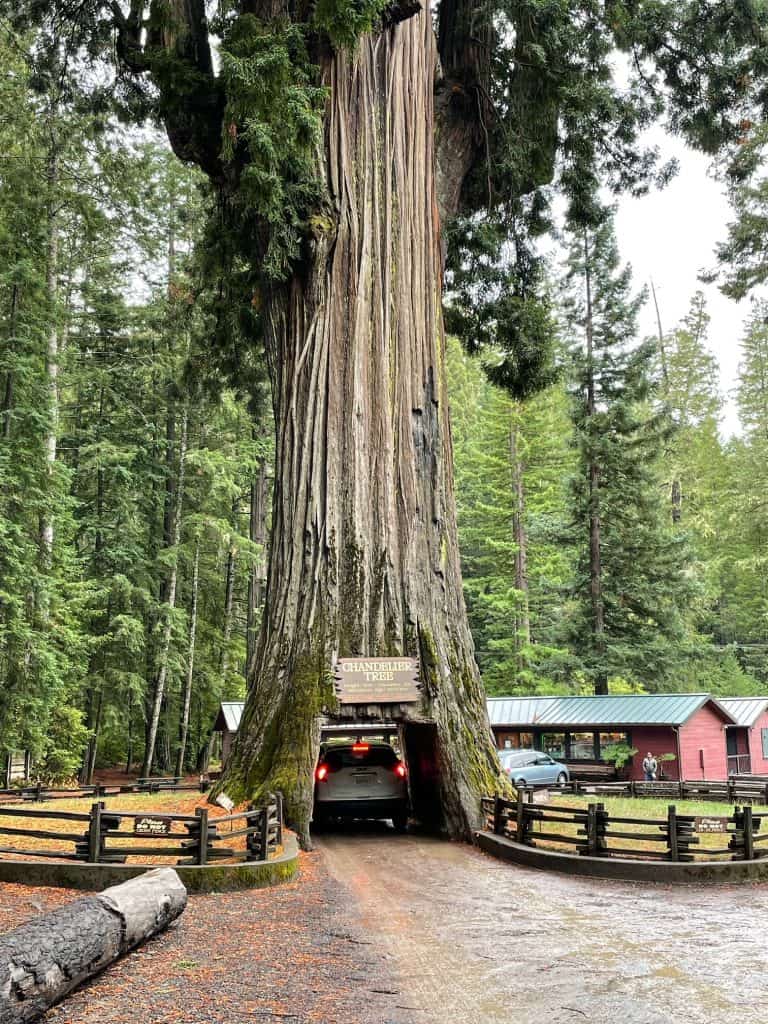
When people speak of the California Redwoods, they are typically referring to two distinct, yet equally impressive, species of trees endemic to the state: the Coast Redwood (Sequoia sempervirens) and the Giant Sequoia (Sequoiadendron giganteum). While both are members of the redwood family and share a colossal stature, they occupy different ecological niches and possess unique defining features. Recognizing this distinction is crucial for pinpointing “where” to find them and appreciating the specific natural landmarks each species creates.
Defining the Redwood Species: Coast Redwoods vs. Giant Sequoias
The Coast Redwood (Sequoia sempervirens) holds the record as the tallest living thing on Earth. These breathtaking trees thrive in the cool, moist, fog-laden coastal belts of Northern California and a small portion of Southern Oregon. Their incredible height, often exceeding 300 feet and occasionally reaching over 380 feet, is sustained by the persistent coastal fog, which reduces transpiration and provides critical moisture during dry summers. Walking through a Coast Redwood forest is an immersive experience into a verdant, hushed cathedral of nature, where sunlight filters through a dense canopy far above. Their reddish-brown, deeply furrowed bark is resistant to fire and pests, contributing to their remarkable longevity, with many living over 2,000 years.
In contrast, the Giant Sequoia (Sequoiadendron giganteum) is not the tallest, but it is the most massive tree on Earth by volume. These titans are found exclusively in groves scattered along the western slopes of the Sierra Nevada mountain range in Central California, at elevations generally between 4,500 and 7,000 feet. While they typically grow to “only” 200-280 feet in height, their immense girth and branch structure give them a truly monumental presence. The most famous individual Giant Sequoia, the General Sherman Tree in Sequoia National Park, is estimated to be between 2,200 and 2,700 years old and contains more wood volume than any other tree. Their cinnamon-colored, fibrous bark is incredibly thick, providing exceptional protection against wildfires, which are a natural and necessary part of their lifecycle, helping cones release seeds.
The Ecological Significance of California’s Redwood Forests
Beyond their impressive statistics, both Coast Redwoods and Giant Sequoias are cornerstones of unique and vital ecosystems. Redwood forests support a rich biodiversity, providing habitat for numerous plant and animal species, some of which are found nowhere else. The dense canopy and understory create a microclimate that nurtures ferns, mosses, and various fungi, while providing shelter for rare birds like the Marbled Murrelet and mammals such as the Northern Spotted Owl and Roosevelt elk.
These forests also play a critical role in global ecological processes. They are unparalleled carbon sinks, absorbing vast amounts of atmospheric carbon dioxide, and their root systems help stabilize soil, prevent erosion, and maintain the health of surrounding watersheds. As ancient, self-sustaining ecosystems, redwood groves offer invaluable insights into forest resilience, ecological succession, and the intricate web of life. Their role as natural landmarks is thus not merely aesthetic but deeply ecological, highlighting the delicate balance of nature and the importance of preserving these living giants.
The Primary Habitats: Where to Find the Majestic Giants
The geographical distribution of California’s Redwoods is specific and largely dictated by their distinct ecological requirements. Visitors seeking to experience these natural landmarks must therefore target particular regions and parks within the state.
Coastal Majesty: Northern California’s Prime Redwood Parks
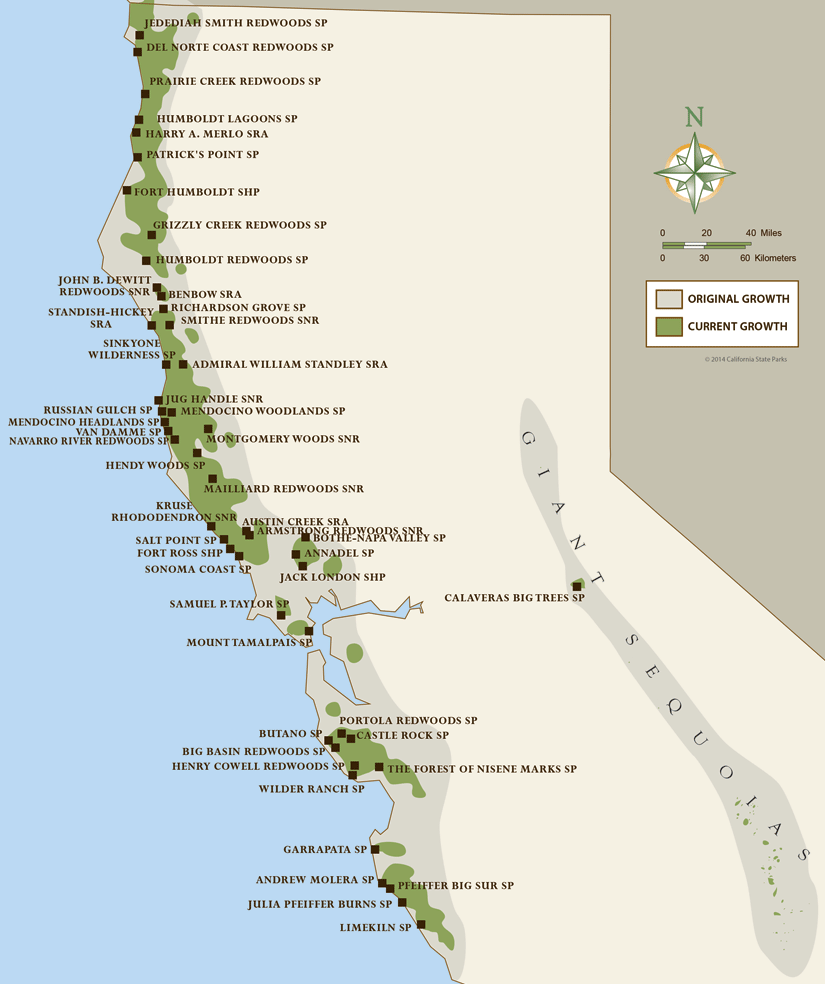
The Coast Redwoods (Sequoia sempervirens) thrive in a narrow band along the Pacific coast, stretching from just south of San Francisco up to the Oregon border. The densest and most spectacular concentrations are found in the far northern reaches of California.
- Redwood National and State Parks (RNSP): This UNESCO World Heritage Site, a mosaic of federal and state parks, is the undisputed heartland of the Coast Redwoods. Located in Del Norte and Humboldt Counties, it protects nearly half of all remaining old-growth Coast Redwoods. Within RNSP, key constituent parks offer distinct experiences:
- Jedediah Smith Redwoods State Park: Famous for Stout Grove, home to some of the largest Coast Redwoods by volume, and the scenic Smith River.
- Prairie Creek Redwoods State Park: Renowned for its stunning coastal drives, lush redwood groves, and the chance to spot herds of Roosevelt elk grazing in meadows.
- Del Norte Coast Redwoods State Park: Offers dramatic coastal trails that wind through dense redwood forests down to the ocean.
- Lady Bird Johnson Grove: A popular, accessible grove offering a serene walk near the Newton B. Drury Parkway.
- Tall Trees Grove: Requires a permit and a significant hike, but rewards visitors with some of the tallest trees in the world, including the former world’s tallest, Hyperion.
Inland Giants: The Sierra Nevada’s Ancient Sequoias

The Giant Sequoias (Sequoiadendron giganteum) are found exclusively at higher elevations in the Sierra Nevada, primarily in Central California. These groves are distinct from the coastal forests and require a journey into the mountainous interior.
- Sequoia National Park & Kings Canyon National Park: Often administered as a single unit, these adjacent national parks are home to the most significant concentration of Giant Sequoias, including the largest trees on Earth.
- Giant Forest (Sequoia National Park): Home to over 8,000 Giant Sequoias, including the General Sherman Tree (the world’s largest tree by volume), Congress Trail, and Moro Rock.
- Grant Grove (Kings Canyon National Park): Features the General Grant Tree (the world’s second-largest tree) and the Fallen Monarch.
- Yosemite National Park: While famous for its granite cliffs and waterfalls, Yosemite also contains three groves of Giant Sequoias:
- Mariposa Grove of Giant Sequoias: The largest and most accessible grove in Yosemite, featuring over 500 mature Giant Sequoias, including the Grizzly Giant and California Tunnel Tree.
- Tuolumne Grove and Merced Grove: Smaller and require a longer hike, offering a more secluded experience.
Accessible Wonders: Redwoods Closer to Major Cities
For those with limited time or seeking redwood experiences nearer to California’s urban centers, several state and national parks protect impressive groves within a reasonable drive of major metropolitan areas. These primarily feature Coast Redwoods.
- Muir Woods National Monument: Located just north of San Francisco in Marin County, Muir Woods is one of the most visited redwood groves. Its proximity to the city makes it an accessible option, though reservations are often required to manage crowds.
- Armstrong Redwoods State Natural Reserve: Situated near Guerneville in Sonoma County’s wine country, this reserve offers a tranquil escape with impressive old-growth Coast Redwoods, including the Icicle Tree and the 1,400-year-old Colonel Armstrong Tree.
- Big Basin Redwoods State Park: California’s oldest state park, located in the Santa Cruz Mountains. While severely impacted by the 2020 CZU Lightning Complex Fire, Big Basin is a poignant landmark for understanding redwood resilience and regeneration, with ongoing rebuilding and limited access. Its future as a landmark is evolving.
- Henry Cowell Redwoods State Park: Also in the Santa Cruz Mountains, this park features a magnificent old-growth redwood grove, a popular nature trail, and the Observation Deck with views of the Santa Cruz coastline.
The Enduring Appeal: Why Redwoods are Unforgettable Landmarks
The designation of California’s Redwoods as landmarks goes beyond their mere location; it encompasses the profound experience they offer and their unique contribution to both natural history and human culture. These forests are not just collections of trees; they are living testaments to endurance, beauty, and the majesty of the natural world.
Beyond Scale: The Unique Ecosystem and Biodiversity
While their sheer size is often the initial draw, the true landmark quality of redwood forests lies in their entire ecosystem. The towering canopy of Coast Redwoods creates a distinct microclimate, characterized by cool temperatures and perpetual shade, fostering a rich understory of ferns, mosses, and sorrel. This unique environment supports a diverse array of life, from salamanders and slugs to various bird species. The massive burls of redwoods, some forming entire hollow rooms, provide unique habitats. Similarly, the Giant Sequoia groves, with their distinctive open understory and fire-scarred giants, host species adapted to the Sierra Nevada environment. Experiencing these ecosystems is to step into a world of ancient beauty and complex interdependencies that captivate scientists and casual observers alike.
A Sense of Timelessness and Solitude
Perhaps the most compelling aspect of redwood groves as landmarks is the powerful sense of timelessness and solitude they impart. Standing amidst trees that predate entire civilizations, some having germinated during the Roman Empire or the Bronze Age, offers a unique perspective on human existence and the vastness of geological time. The hushed atmosphere, often broken only by the rustling of leaves or the call of a distant bird, invites contemplation and introspection. It is an experience that transcends mere sightseeing, offering a spiritual communion with nature that leaves an indelible mark on the soul. This profound, almost sacred quality solidifies their status as not just physical landmarks, but also cultural and emotional touchstones.
Preserving the Legacy: Conservation and Future of California’s Redwoods
The existence of these magnificent California Redwoods as accessible landmarks today is a testament to dedicated conservation efforts. For centuries, these forests faced relentless logging, driving both species to the brink. Today, vast swathes are protected, yet they still face new challenges, primarily from climate change and increased human interaction.
The Role of Parks and Organizations in Redwood Preservation
The establishment of national and state parks, such as Redwood National and State Parks, Sequoia National Park, and Muir Woods National Monument, has been instrumental in preserving remaining old-growth forests. Organizations like Save the Redwoods League have played a crucial role for over a century, acquiring land, funding scientific research, and advocating for robust conservation policies. These efforts ensure that future generations can continue to marvel at these living landmarks and that the critical ecological functions they provide are maintained.
Sustainable Visitation: Ensuring Their Longevity
As iconic landmarks, the California Redwoods attract millions of visitors annually. Managing this visitation sustainably is paramount to their long-term health. Park agencies implement strategies such as designated trails, shuttle systems, and reservation requirements (as seen at Muir Woods) to minimize human impact, prevent soil compaction, and protect fragile ecosystems. Educating visitors about Leave No Trace principles and respecting the natural environment is also crucial. By balancing public access with rigorous conservation, we can ensure that these ancient giants continue to stand tall, inspiring wonder and serving as vital ecological anchors for centuries to come, remaining magnificent landmarks for all time.
LifeOutOfTheBox is a participant in the Amazon Services LLC Associates Program, an affiliate advertising program designed to provide a means for sites to earn advertising fees by advertising and linking to Amazon.com. Amazon, the Amazon logo, AmazonSupply, and the AmazonSupply logo are trademarks of Amazon.com, Inc. or its affiliates. As an Amazon Associate we earn affiliate commissions from qualifying purchases.