
The name “The Palisades” evokes images of dramatic cliffs, breathtaking vistas, and a sense of natural grandeur. In California, a state renowned for its diverse landscapes, the term “Palisades” doesn’t refer to a singular, easily identifiable landmark, but rather to several distinct and equally magnificent geographical features that share this descriptive moniker. From the sun-drenched coastal bluffs overlooking the Pacific Ocean to the towering, glaciated peaks of the Sierra Nevada, the Palisades in California offer a multifaceted exploration into the state’s geological wonders and natural beauty. Understanding “where” they are requires an appreciation of this geographical duality, each offering a unique experience for nature enthusiasts, adventurers, and those simply seeking a scenic escape.
Understanding The Palisades: A Natural Masterpiece
The term “palisade” itself refers to a line of high, steep cliffs, often formed by erosion or tectonic activity, presenting a formidable and visually striking natural barrier. In California, this geological characteristic manifests in two primary, yet vastly different, forms: the coastal bluffs of Southern California and the alpine peaks of the Sierra Nevada mountain range. Each iteration is a testament to the immense power of geological forces that have shaped the Golden State over millennia.
Geographic Location and Formation
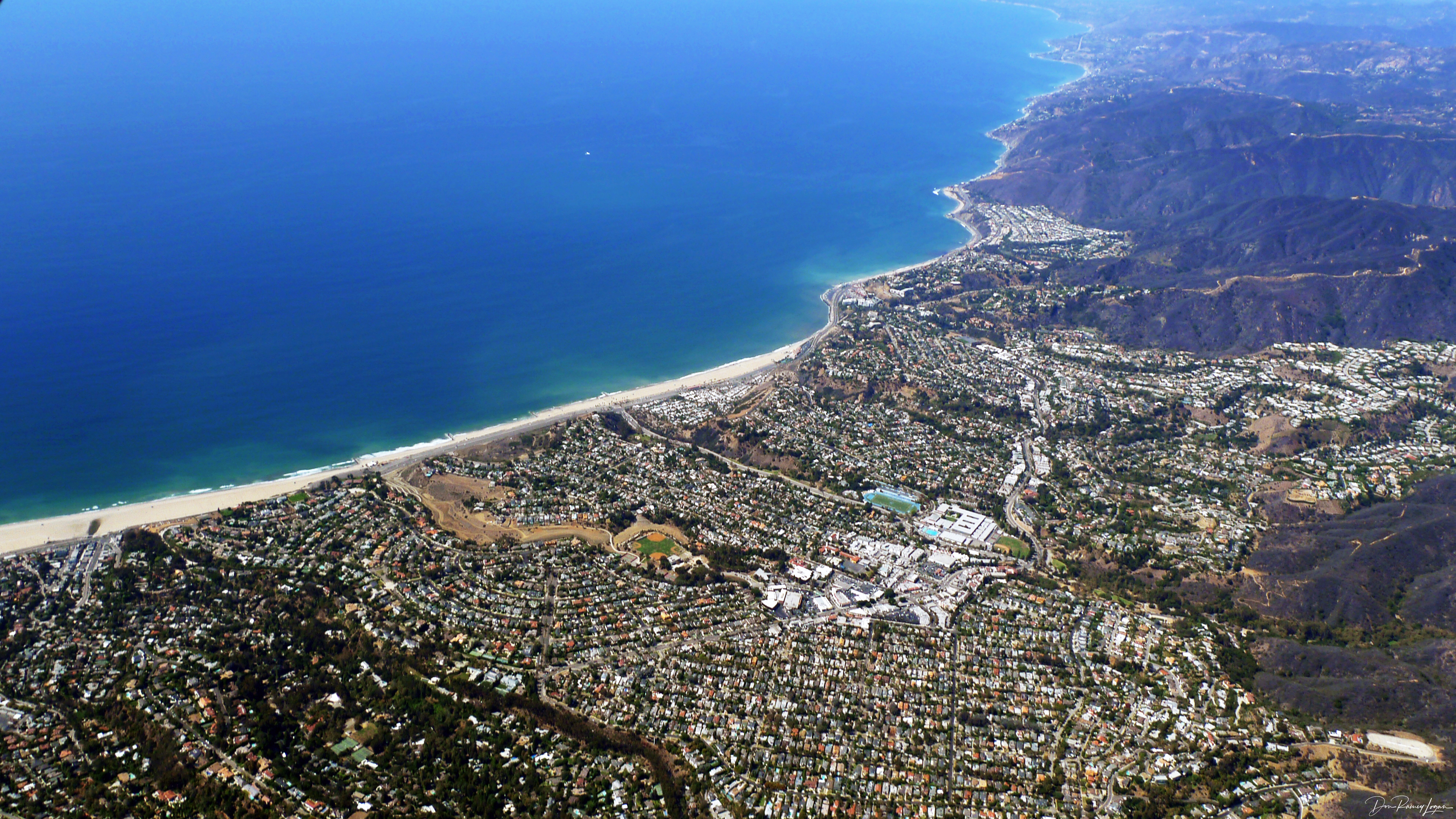
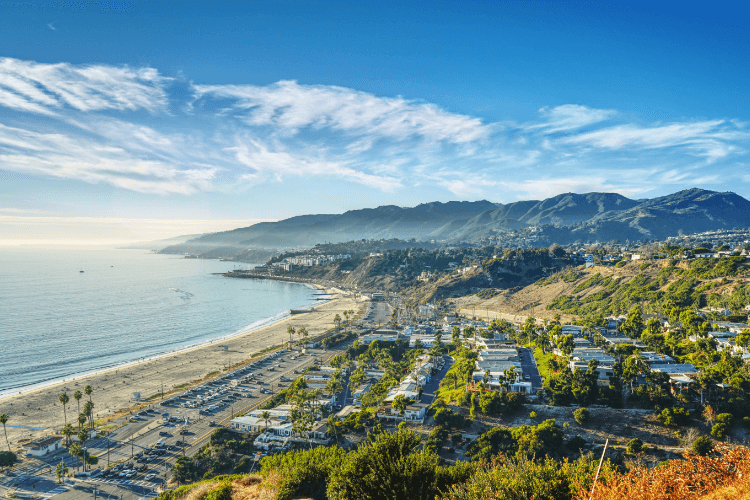
The most commonly recognized “Palisades” for many residents and visitors are the iconic coastal bluffs that give the affluent community of Pacific Palisades its name. Situated along the western edge of Los Angeles, these dramatic cliffs rise majestically from the edge of the Pacific Ocean, marking the southern terminus of the Santa Monica Mountains. These palisades were formed primarily through a combination of tectonic uplift, which raised ancient marine sediments, and relentless erosion by ocean waves and weathering, carving the distinctive, sheer faces seen today. Their strategic location offers unparalleled panoramic views of the ocean, the coastline stretching towards Malibu, and the expansive Santa Monica Bay.
Conversely, the other significant “Palisades” are found deep within the formidable Sierra Nevada. This majestic group of mountains, known as the Palisades group, includes some of the highest peaks in California. Here, the palisades are not coastal bluffs but a towering collection of glaciated granite peaks and ridges, including North Palisade, the highest point in the Palisades group and the fourth highest mountain in California. Their formation is a result of immense uplift over millions of years, followed by extensive glacial erosion during the Ice Ages. These glaciers carved out U-shaped valleys, cirques, and sharpened the peaks into the dramatic, sheer faces that characterize these high-alpine palisades, a stark contrast to their coastal counterparts.
Geological Significance and Features
The coastal palisades of Pacific Palisades are not merely scenic but also geologically active. The ongoing interaction between the North American and Pacific tectonic plates continues to shape this region, leading to occasional landslides and a dynamic coastline. The cliffs are composed primarily of sedimentary rocks, evidence of ancient marine environments that existed millions of years ago. Layers of sandstone, shale, and conglomerate reveal a rich geological history, making the area a fascinating study site for geologists. The presence of marine fossils further reinforces its oceanic past, providing tangible links to bygone eras.
In the Sierra Nevada, the Palisades group represents a profound example of alpine glaciation. This area hosts the largest group of active glaciers in California, including the eponymous Palisades Glacier. The rugged, often sheer granite faces of peaks like Mount Sill, Mount Agassiz, and Mount Winchell are testament to the powerful erosive forces of ice. These features are critical for understanding past and present climate patterns and serve as a living laboratory for glaciologists and environmental scientists monitoring the effects of climate change on mountain ecosystems. The raw, untamed beauty of these high-altitude palisades is unmatched, attracting serious mountaineers and experienced backpackers from around the globe.
The Various Palisades of California: More Than One Gem
The name “Palisades” in California thus serves as a descriptor for two distinct, yet equally remarkable, geographical entities. While both are characterized by dramatic, cliff-like formations, their environments, accessibility, and the experiences they offer are worlds apart.
The Iconic Pacific Palisades in Los Angeles
For most, the mere mention of “The Palisades” conjures images of the affluent Los Angeles neighborhood. Here, the palisades form a natural boundary between the urban sprawl and the vast expanse of the Pacific Ocean. The coastal stretch, particularly Palisades Park in nearby Santa Monica, offers easily accessible walkways along the bluff tops, providing iconic views of the ocean, the famous Santa Monica Pier, and the distant Catalina Island on a clear day. The Pacific Palisades community itself is known for its serene residential areas, quaint village atmosphere, and proximity to stunning natural beauty, making it a desirable location for residents and a scenic drive for visitors.
The Lesser-Known, Equally Stunning Palisades
Beyond the well-known Pacific Palisades, other smaller, lesser-known palisade formations exist along the California coastline. For instance, sections of the cliffs along Highway 1 in Big Sur could colloquially be referred to as palisades due to their sheer drops into the ocean. However, none carry the formal or communal recognition as “The Palisades” in the way the Los Angeles area does. These are generally unnamed features contributing to the dramatic coastal topography of the state.
The Palisades Glacier and the Sierra Nevada Range
Far removed from the coastal breezes, the true heart of “The Palisades” for serious adventurers lies within the rugged core of the Sierra Nevada range. This high-alpine wilderness, primarily located within the Inyo National Forest in the Eastern Sierra, is home to the most concentrated collection of 14,000-foot peaks in California, often referred to collectively as the Palisades group. Peaks such as North Palisade, Mount Sill, Split Mountain, Mount Agassiz, Mount Winchell, and Mount Jepson form a formidable granite barrier. This region is a mecca for mountaineers, rock climbers, and backpackers drawn to its pristine wilderness, glacial lakes, and challenging ascents. The Palisades Glacier itself, nestled beneath these towering peaks, is the largest glacier in the Sierra Nevada and a crucial indicator of climate change. Access to these alpine palisades typically involves multi-day backpacking trips, often starting from trailheads near the towns of Big Pine or Bishop.
Exploring The Palisades: Activities and Attractions
Both manifestations of “The Palisades” offer distinct yet equally rewarding opportunities for exploration and engagement with nature. Whether you prefer a leisurely stroll with ocean views or a challenging ascent into the alpine wilderness, California’s palisades deliver memorable experiences.
Hiking, Nature Walks, and Scenic Overlooks
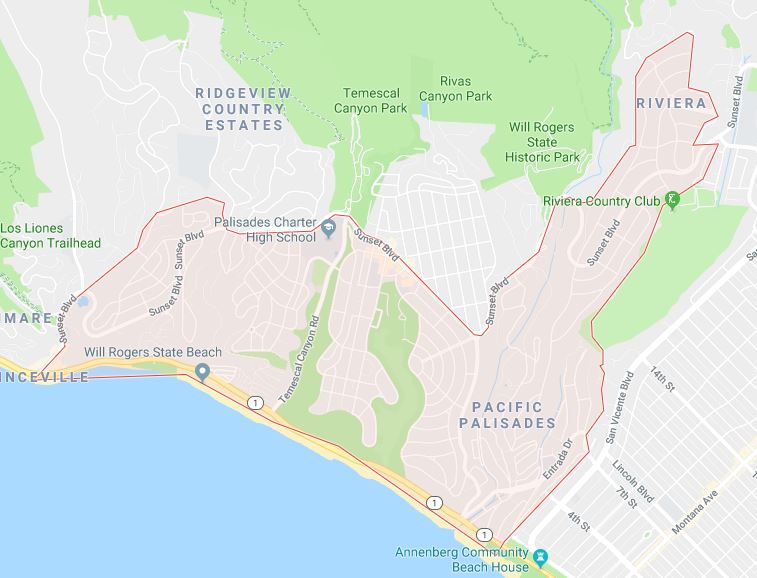
In Pacific Palisades, numerous parks and trails offer varied hiking experiences. Will Rogers State Historic Park provides trails with magnificent views of the coastline and the Santa Monica Mountains. Temescal Gateway Park, nestled in Temescal Canyon just off Sunset Boulevard, offers popular hiking loops that provide sweeping ocean vistas from the ridge lines above the palisades. These trails are generally moderate and suitable for families, offering a chance to appreciate the unique chaparral ecosystem and the expansive coastal panorama.
For the Sierra Nevada Palisades, hiking transitions into serious mountaineering. The trails leading into the Palisades group require significant preparation, experience, and often specialized gear. Popular routes like the North Fork of Big Pine Creek Trail lead to stunning glacial lakes at the base of the palisades, offering breathtaking views of the towering peaks and the Palisades Glacier. These are multi-day excursions designed for experienced backpackers and climbers seeking solitude and a true wilderness adventure amidst some of California’s most dramatic landscapes.
Beach Access and Coastal Recreation
The coastal palisades of Pacific Palisades provide indirect access to some of Los Angeles’s beautiful beaches. While the cliffs themselves are generally inaccessible directly from above, numerous staircases and ramps lead down to the sandy shores below. Popular spots include Will Rogers State Beach and the beaches stretching towards Santa Monica and Malibu. These areas are perfect for swimming, sunbathing, surfing, beach volleyball, and leisurely strolls along the ocean’s edge. The Palisades Park in Santa Monica offers a fantastic vantage point to observe the coastline and the vibrant beach culture below.
Historical Context and Cultural Importance
The Pacific Palisades has a rich history, initially developed as a Methodist summer camp in the early 20th century. Its scenic beauty quickly attracted artists, writers, and celebrities, shaping its current identity as an upscale residential community. The area is also home to the Getty Villa, a museum dedicated to ancient Greek, Roman, and Etruscan art set in stunning gardens overlooking the ocean. Its cultural significance is intertwined with its natural setting.
The Sierra Nevada Palisades hold a different kind of historical and cultural weight. They have been traditional lands for indigenous peoples for millennia, and their challenging terrain has long tested the limits of explorers, miners, and mountaineers. The naming of peaks after prominent geologists and mountaineers reflects the human endeavor to conquer and understand this formidable landscape. These palisades are a symbol of California’s wild frontier, inspiring countless artists, photographers, and environmentalists who seek to preserve its raw grandeur.
Conservation and Future of The Palisades
Both coastal and alpine palisades face ongoing challenges that underscore the importance of conservation efforts. These natural landmarks are not static entities but dynamic environments sensitive to human impact and environmental change.
Protecting These Natural Treasures
For the coastal palisades, the primary concerns revolve around mitigating erosion, managing urban development, and preserving public access to scenic viewpoints and beaches. Landslides are a natural, albeit sometimes destructive, phenomenon in this geologically active area. Sustainable land use practices and engineering solutions are crucial to protect both the natural integrity of the cliffs and the safety of the communities built upon and near them. Organizations actively work to maintain parklands and trails, ensuring that the natural beauty remains accessible for future generations while minimizing ecological disruption.
In the Sierra Nevada, the focus shifts to wilderness preservation. The Palisades group and its glaciers are highly sensitive to climate change. Monitoring the retreat of the Palisades Glacier provides vital data on global warming impacts. Conservation efforts here emphasize maintaining the pristine quality of the wilderness, managing visitor impact through permits and Leave No Trace principles, and protecting the delicate alpine ecosystems. The immense scale and remoteness of these palisades inherently offer a degree of protection, yet vigilance is required to safeguard them against the encroaching effects of human activity and a changing climate.
Challenges and Community Efforts
The communities surrounding the Pacific Palisades are actively involved in preserving their unique environment. Residents often participate in coastal clean-ups, advocate for responsible development, and support local park initiatives. The balance between urban living and natural preservation is a constant, evolving dialogue, reflecting the high value placed on these iconic bluffs.
In the Sierra Nevada, the challenges are broader, involving federal agencies like the U.S. Forest Service and organizations dedicated to high-alpine wilderness protection. Education on safe and responsible recreation is paramount. The future of the Palisades Glacier and its surrounding peaks will largely depend on global efforts to combat climate change, making these remote landmarks vital symbols in the larger environmental conversation.
Planning Your Visit: Tips for Experiencing The Palisades
Whether you are seeking a leisurely day trip or an arduous expedition, planning is key to fully appreciating the various Palisades of California.
Best Times to Visit
For the coastal Pacific Palisades, the weather is generally mild year-round, making it an excellent destination anytime. Spring and fall offer pleasant temperatures and often clearer skies, ideal for coastal walks and enjoying the scenic overlooks. Summer can be busy with tourists but also provides warm, sunny days perfect for beach activities.
For the Sierra Nevada Palisades, timing is crucial due to snowpack and weather conditions. The prime season for hiking and mountaineering is typically from late June through September, once most of the high-elevation snow has melted. Even then, sudden weather changes are common, and preparations for various conditions are essential. Winter visits are strictly for experienced backcountry skiers and mountaineers, requiring advanced skills and equipment.
Essential Gear and Safety Considerations
When visiting the coastal palisades, comfortable walking shoes, sun protection (hat, sunscreen), and layers of clothing are recommended. Always stay on marked trails and respect any warning signs regarding unstable cliff edges.
For the Sierra Nevada Palisades, the requirements are far more demanding. Proper hiking or mountaineering boots, multi-layer clothing, navigation tools (map, compass, GPS), a first-aid kit, ample food and water, and emergency shelter are crucial. If planning to tackle the higher peaks or glaciers, specialized climbing gear (ropes, crampons, ice axe) and technical skills are mandatory. Always inform someone of your itinerary, and consider hiring a guide if you lack extensive alpine experience. High altitude can pose risks, so acclimatization is important.
In conclusion, “The Palisades” in California are not a singular location but a fascinating study in geographical diversity. From the easily accessible, sun-drenched coastal bluffs of Pacific Palisades to the remote, formidable glaciated peaks of the Sierra Nevada, these natural landmarks offer a profound connection to the raw, untamed beauty that defines California’s majestic landscapes. Each provides a unique window into the state’s geological past and offers distinct opportunities for appreciation, adventure, and reflection.
LifeOutOfTheBox is a participant in the Amazon Services LLC Associates Program, an affiliate advertising program designed to provide a means for sites to earn advertising fees by advertising and linking to Amazon.com. Amazon, the Amazon logo, AmazonSupply, and the AmazonSupply logo are trademarks of Amazon.com, Inc. or its affiliates. As an Amazon Associate we earn affiliate commissions from qualifying purchases.