
California, a land celebrated for its breathtaking natural landmarks and diverse ecosystems, is paradoxically a state frequently ravaged by wildfires. From the towering ancient groves of the Sierra Nevada to the iconic coastal chaparral of Southern California, the question “Where did the fire start?” resonates deeply with residents and environmentalists alike. It’s a question that delves into the very fabric of the state’s natural heritage, often uncovering a complex interplay of environmental conditions, human activity, and the shifting dynamics of climate change. Understanding the origins of these fires is crucial, not merely for accountability, but for comprehending their profound impact on California’s cherished natural landscapes, many of which are global landmarks in their own right. This article explores the myriad starting points of California’s wildfires, examining the causes, the most vulnerable natural regions, and the broader implications for the state’s ecological and historical natural landmarks.
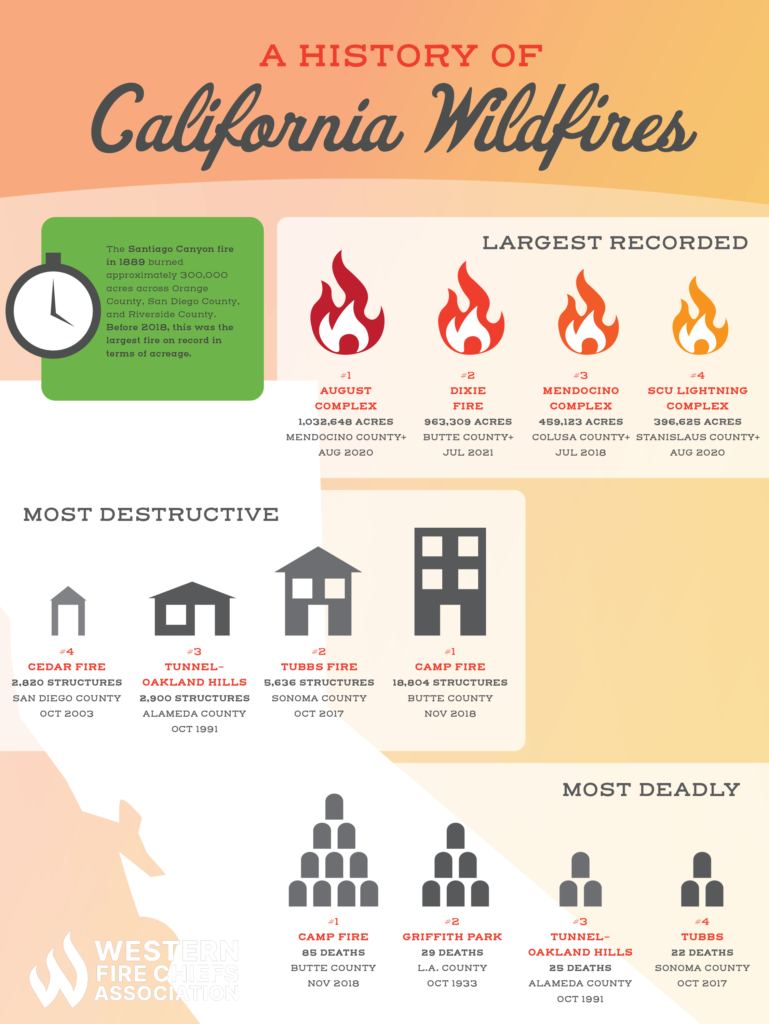
The Complex Web of Wildfire Origins in the Golden State
The genesis of a wildfire in California is rarely simple, often a confluence of factors that turn a spark into an inferno. Identifying where a fire began involves forensic analysis, witness accounts, and a deep understanding of environmental conditions. These starting points can be broadly categorized into natural ignitions and human-caused ignitions, each presenting distinct challenges and patterns across the state’s diverse natural landmarks.
Natural Ignitions: Lightning Strikes in California’s Wilderness
While often overshadowed by human-caused incidents, lightning remains a significant natural catalyst for wildfires, particularly in remote, less accessible wilderness areas. During California’s dry summer and autumn months, monsoonal moisture can sweep in, bringing thunderstorms with “dry lightning” – lightning without significant rain – that can strike parched vegetation. These strikes can immediately ignite fires or smolder for days, igniting when conditions become ripe.
Areas like the high country of the Sierra Nevada and parts of the Modoc National Forest are particularly susceptible. These majestic mountain ranges and ancient forest ecosystems, recognized globally for their biodiversity and natural beauty, are prone to these natural ignitions due to their elevation, dense tree cover, and often extreme remoteness. Fires started by lightning in these areas can be particularly challenging to contain, often growing large before they are even detected, threatening iconic landmarks such as sections of Yosemite National Park or the giant sequoia groves in Sequoia National Park. The very wilderness that makes these places natural landmarks also makes them vulnerable to undetected natural starts.
Human-Caused Ignition: Accidental and Intentional Starts
Over 90% of California’s wildfires are attributed to human activity, making human-caused ignitions the predominant answer to “Where did the fire start?” These incidents range from the accidental to the intentionally malicious, impacting natural landmarks from densely populated urban-wildland interfaces to secluded backcountry trails.
- Utility Infrastructure: Downed power lines, transformer failures, or utility equipment malfunctions are frequent culprits. Sparking wires during high winds have been pinpointed as the origin for some of California’s most destructive fires, dramatically altering vast natural landscapes and impacting communities adjacent to them. These incidents often start in areas where utility lines traverse wildland, near communities or along major transportation corridors, blurring the line between human development and natural preserve.
- Recreational Activities: Campfires left unattended, discarded cigarettes, sparks from off-road vehicles, and even celebratory fireworks are common ignition sources. Many of California’s stunning state parks, National Forest lands, and wilderness areas, popular for outdoor recreation, become vulnerable starting points during dry conditions. A seemingly innocent spark in a campsite near Lake Tahoe‘s pristine shores, for instance, can quickly escalate into a regional disaster.
- Equipment Use: Sparks from tools like mowers, grinders, or chainsaws, particularly during dry grass-cutting or construction activities, can ignite vegetation. Agricultural equipment, vehicle exhaust systems, and even trailer chains dragging on pavement can generate sparks that become catastrophic starting points in adjacent natural areas.
- Arson: While less frequent than accidental starts, acts of arson are devastating. These intentional ignitions often occur in accessible natural areas, sometimes near roadways or residential edges, aiming to cause maximum damage or for malicious intent. The impact of such fires can be particularly severe, transforming iconic natural landscapes into charred remains.
These human-caused fires often begin at the interface where human activity meets nature, leading to profound impacts on both human settlements and the adjacent, often irreplaceable, natural landmarks.
Geographic Hotbeds: Understanding California’s Most Vulnerable Landscapes
The question of “Where did the fire start?” also has a strong geographical dimension. Certain regions and types of natural landscapes within California are inherently more prone to wildfire ignitions and rapid spread due to their unique topography, vegetation, and climatic patterns.
The Sierra Nevada and Forest Lands: A Legacy of Fire
The majestic Sierra Nevada mountain range, a globally recognized natural landmark, stretching over 400 miles through California, is a perennial hotbed for wildfires. Its vast expanse of coniferous forests, including treasured National Parks like Yosemite and Sequoia, has evolved with fire as a natural process. However, a century of fire suppression has led to an unnatural accumulation of fuel, making these forests extremely susceptible to large, intense fires.
Ignitions in the Sierra Nevada often originate from lightning strikes in remote areas or from human activity along popular routes and recreational sites. The dense, overgrown forests, combined with dry lightning storms and high winds, create conditions where a small spark can quickly become a large-scale fire, threatening ancient giant sequoias and vast swaths of wilderness that are essential components of California’s natural identity. The devastation in these areas not only impacts ecosystems but also the historical and natural significance of these forest landmarks.
Southern California’s Chaparral and Urban Wildland Interface
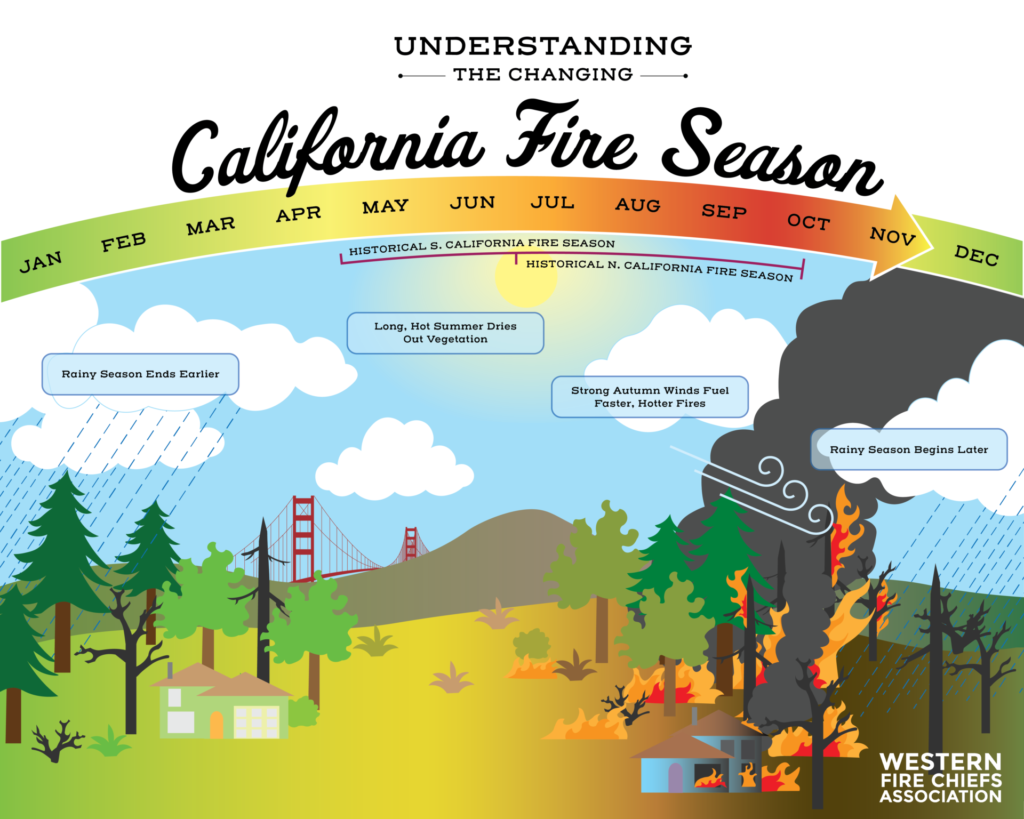
Southern California presents a different, yet equally perilous, landscape. The region’s iconic chaparral and coastal sage scrub ecosystems, vital components of its natural character, are adapted to fire but become dangerously explosive during dry, windy conditions, particularly with the infamous Santa Ana winds. Here, fires frequently start at the urban-wildland interface (WUI), where densely populated areas like those in Los Angeles County meet wild, undeveloped brushland.
The close proximity of human activity means a higher likelihood of human-caused ignitions – from faulty utility lines to discarded cigarettes along roadsides or sparks from machinery. Places like the hillsides surrounding Malibu or the canyons in the Santa Monica Mountains National Recreation Area are prime examples where a fire’s origin, often human-related, can rapidly threaten both natural landmarks and residential areas due to the highly flammable vegetation and intense wind patterns. These fires quickly transform iconic natural vistas into desolate landscapes.
Northern California‘s Diverse Biomes and Recent Challenges
Northern California, home to the Redwood Coast, the San Francisco Bay Area’s wildland-urban fringes, and vast timberlands, also faces unique challenges. The region’s diverse biomes, from dense redwood forests to oak woodlands and grasslands, each have their own fire dynamics. Recent years have seen devastating fires originating in the wildlands of the North Bay (e.g., Sonoma and Napa counties), often linked to utility infrastructure failures and extreme wind events.
The dry, hot summers and strong Diablo winds, similar to the Santa Anas but affecting Northern California, create perfect conditions for rapid fire spread once an ignition occurs. These fires often start near populated corridors or vineyards, quickly engulfing adjacent natural landscapes and causing immense ecological damage to areas that contribute significantly to California’s natural heritage and scenic beauty, such as parts of Big Sur or the coastal ranges.
The Role of Climate Change and Ecological Dynamics
Beyond the immediate ignition point, understanding “Where did the fire start?” also involves acknowledging the broader ecological context, heavily influenced by climate change. California’s natural landmarks are increasingly vulnerable due to shifting environmental conditions that exacerbate fire risk.
Drought, Fuel Accumulation, and Fire Behavior
Prolonged periods of drought, a defining feature of California’s climate in recent decades, lead to critically dry vegetation. This “fuel” — dead trees, dry grasses, and chaparral — accumulates rapidly, turning vast natural areas into tinderboxes. When an ignition occurs, whether from lightning or human error, this abundant, dry fuel allows fires to start more easily, spread faster, and burn with greater intensity. The starting point of a fire, therefore, is not just a geographical coordinate but also a nexus of ecological readiness for combustion. This dynamic fundamentally changes how California’s natural landmarks, from sprawling forests to coastal scrublands, experience fire.
Shifting Ecosystems and the Future of California’s Natural Landmarks
Climate change is not just increasing fire frequency and intensity; it’s also altering the very composition of California’s ecosystems. Higher temperatures and altered precipitation patterns are causing stress to native vegetation, making some species more susceptible to drought and disease, and thus more flammable. This ecological shift means that the natural landscapes where fires start are themselves changing. Certain iconic species, like the giant sequoias, are experiencing unprecedented mortality from megafires, raising concerns about the long-term preservation of these living natural landmarks. The question “Where did the fire start?” now also implies “How will this fire reshape the natural landmark it consumed?”
Mitigating Risk and Preserving California’s Natural Heritage
Addressing the question of where fires start in California ultimately leads to strategies for prevention and mitigation, crucial for safeguarding the state’s invaluable natural landmarks.
Proactive Forest Management and Prescribed Burns
A key strategy involves proactive land management, particularly in forested natural landmarks like the Sierra Nevada. This includes thinning overgrown forests to reduce fuel loads and implementing prescribed burns. Prescribed burns are intentionally set, carefully controlled fires that mimic natural fire cycles, clearing out underbrush and smaller trees that would otherwise fuel larger, more destructive wildfires. By strategically introducing fire under safe conditions, land managers can reduce the likelihood of uncontrolled ignitions turning into catastrophic blazes that decimate natural landmarks. This approach aims to restore a healthier, more fire-adapted ecosystem, where natural ignitions might still occur but with less devastating outcomes.

Community Preparedness and Landscape Resilience
Protecting California’s natural landmarks also requires a robust approach to community preparedness, especially in the wildland-urban interface. Efforts include creating defensible space around homes and communities adjacent to natural areas, hardening structures against embers, and improving early detection and rapid response capabilities. Public education on fire safety, responsible outdoor recreation, and avoiding accidental ignitions is paramount. By understanding the common starting points and practicing preventative measures, both individuals and agencies can contribute to reducing human-caused ignitions, thereby protecting both human lives and the natural heritage that defines California.
In conclusion, the question “Where did the fire start in California?” unveils a complex narrative of natural forces, human interaction, and environmental change. From remote lightning strikes in the Sierra Nevada to accidental sparks near the urban-wildland interface of Southern California, each origin story underscores the vulnerability of the state’s iconic natural landmarks. Through concerted efforts in land management, climate action, and public awareness, California strives to mitigate these threats, preserving its invaluable natural landscapes for future generations to cherish.
LifeOutOfTheBox is a participant in the Amazon Services LLC Associates Program, an affiliate advertising program designed to provide a means for sites to earn advertising fees by advertising and linking to Amazon.com. Amazon, the Amazon logo, AmazonSupply, and the AmazonSupply logo are trademarks of Amazon.com, Inc. or its affiliates. As an Amazon Associate we earn affiliate commissions from qualifying purchases.