
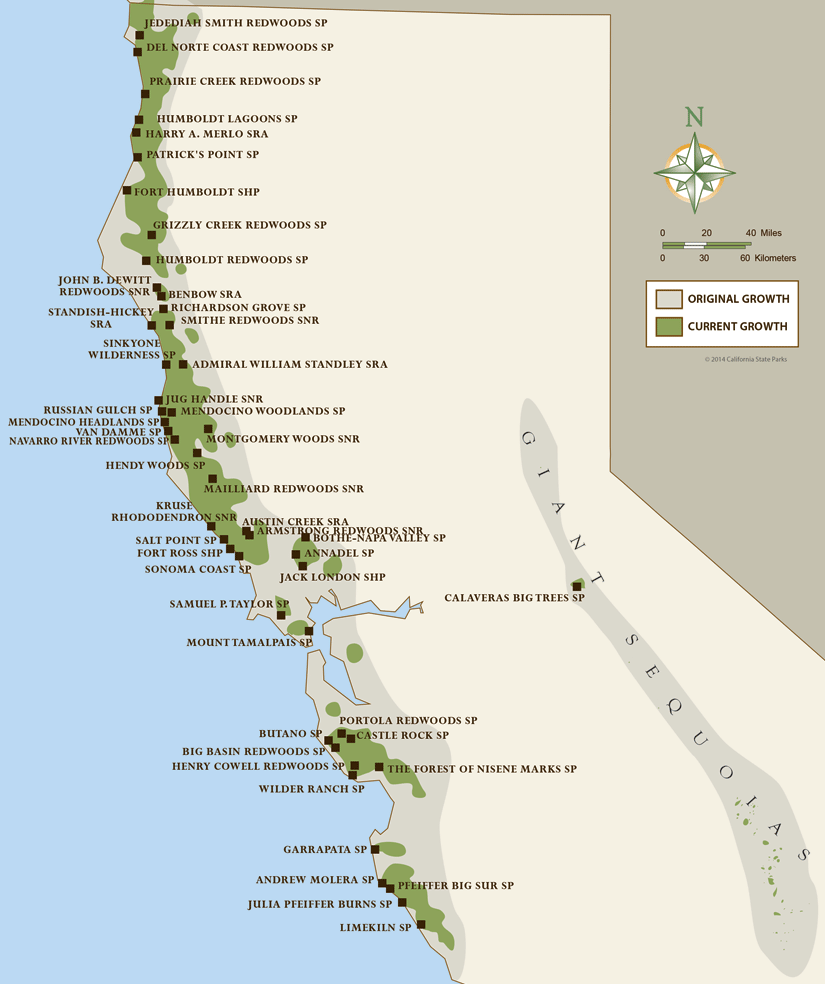
The towering redwoods of California represent an unparalleled natural wonder, drawing visitors from across the globe to stand in awe beneath their colossal canopy. These ancient giants are not confined to a single location but are distributed across distinct regions of the state, primarily along its northern coast and within the high Sierra Nevada mountains. Understanding their geographic spread is key to planning an unforgettable journey into these magnificent forests. California is home to two primary species of redwood trees, each with its own unique habitat and characteristics: the Coast Redwood (Sequoia sempervirens), known for its incredible height, and the Giant Sequoia (Sequoiadendron giganteum), famed for its immense volume and girth. This guide will navigate you through the majestic groves where these titans stand, offering insights into their locations, the parks that protect them, and the unique experiences each region offers.
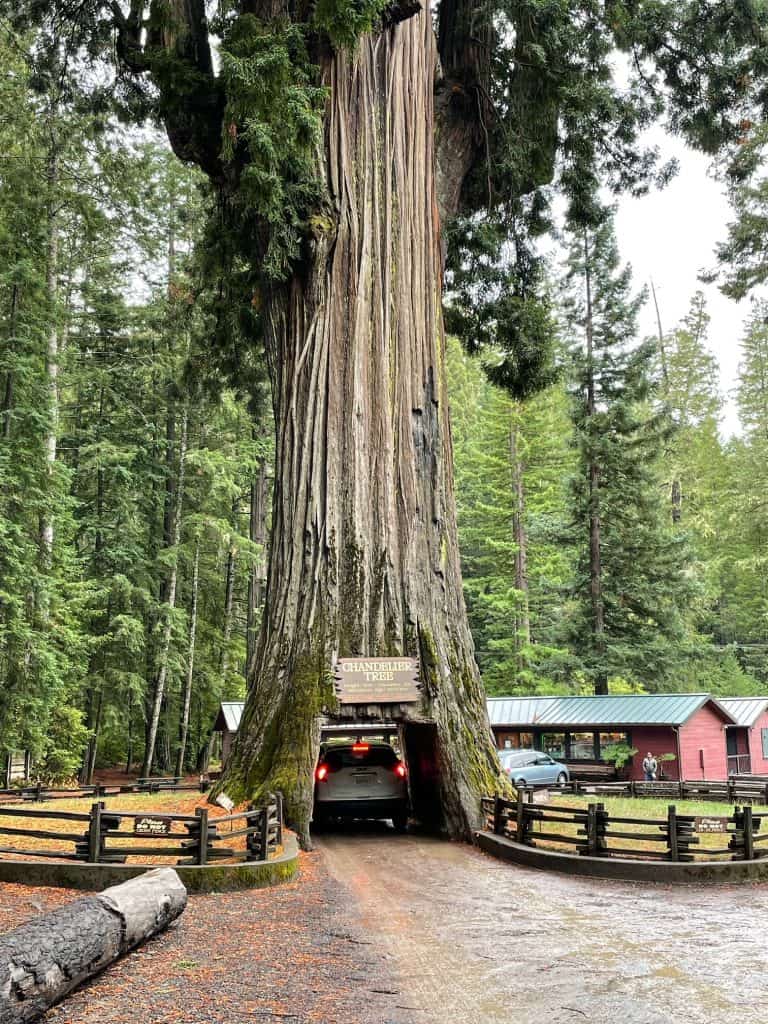
The Majestic Coast Redwoods: A Northern California Enigma
The Coast Redwoods, the tallest living things on Earth, thrive in the cool, moist, fog-laden climate of California’s northern coast. Their range extends from just north of San Francisco up to the Oregon border, creating a verdant corridor of unparalleled natural beauty. These ancient forests are characterized by a lush understory, fern-lined canyons, and a pervasive sense of timelessness.
Redwood National and State Parks: The Crown Jewel
At the northernmost reaches of California’s redwood belt lies the collective Redwood National and State Parks system. This UNESCO World Heritage Site is arguably the most significant area for experiencing Coast Redwoods, protecting nearly half of all remaining old-growth redwood forests. Comprised of Redwood National Park and three adjacent state parks—Jedediah Smith Redwoods State Park, Del Norte Coast Redwoods State Park, and Prairie Creek Redwoods State Park—this region is where the tallest trees in the world reside, including the famed Hyperion, though its exact location is kept secret for protection.
Visitors to Redwood National and State Parks can explore a diverse landscape that includes not just colossal trees but also prairies, oak woodlands, and 40 miles of pristine coastline. Scenic drives like the Newton B. Drury Parkway and portions of the historic Avenue of the Giants offer breathtaking views from the comfort of your vehicle, while numerous hiking trails plunge deep into the ancient groves. Wildlife, including herds of Roosevelt Elk, are common sights, adding to the immersive natural experience.
Humboldt Redwoods State Park: The Avenue of the Giants
South of Redwood National and State Parks, along what was once U.S. Route 101, lies Humboldt Redwoods State Park. This park is home to the renowned Avenue of the Giants, a spectacular 31-mile scenic byway that parallels the highway, guiding travelers through some of the most impressive stands of old-growth Coast Redwoods. The Avenue meanders through groves like Founders Grove, home to the Dyerville Giant (a fallen colossus), and the Rockefeller Forest, the largest remaining contiguous old-growth Coast Redwood forest in the world.
The small towns of Miranda and Phillipsville, nestled along the Avenue, provide charming stopping points, offering glimpses into the history and culture of this unique region. The accessibility and sheer density of massive trees make Humboldt Redwoods State Park a favorite among those seeking a profound redwood encounter without venturing too far off the beaten path.
Other Notable Coast Redwood Groves Southward
As you travel south through California, significant Coast Redwood groves become more scattered but no less impressive. Near Ukiah, Montgomery Woods State Natural Reserve offers a serene, often less crowded experience with ancient redwoods. Further south, in Sonoma County, the easily accessible Armstrong Redwoods State Natural Reserve near Guerneville provides a peaceful retreat just a short drive from wine country.
Perhaps the most famous and accessible redwood grove in the San Francisco Bay Area is Muir Woods National Monument. Its proximity to San Francisco makes it incredibly popular, and visitors often need to make reservations to manage crowds. While the trees here are magnificent, they tend to be younger than those found in the northern parks.
Near Santa Cruz, Big Basin Redwoods State Park, California’s oldest state park, has historically been a prime redwood destination. Although severely impacted by the 2020 CZU Lightning Complex fire, recovery efforts are underway, and its future regeneration offers a unique perspective on redwood resilience. Nearby, Henry Cowell Redwoods State Park provides another excellent opportunity to explore these coastal giants, featuring a popular “Garden of Eden” trail and a historic steam train ride through the forest.
Discovering the Giant Sequoias: High Sierra Sentinels
In stark contrast to their coastal cousins, Giant Sequoias (Sequoiadendron giganteum) thrive in the higher elevations of the Southern Sierra Nevada mountains, typically between 4,000 and 8,000 feet. These trees are not as tall as the Coast Redwoods, but they are the most massive trees on Earth by volume, possessing incredible girth and an imposing presence that commands reverence. Their habitat is characterized by drier conditions, snowy winters, and granite landscapes.
Sequoia and Kings Canyon National Parks: The Heart of Giants
The most concentrated and impressive groves of Giant Sequoias are found within Sequoia and Kings Canyon National Parks. These contiguous parks, often explored together, are the spiritual home of the Giant Sequoia.
Within Sequoia National Park, the Giant Forest stands as the undisputed highlight. This grove is home to five of the ten most massive trees on Earth, including the majestic General Sherman Tree, the largest living thing by volume. Visitors can explore a network of trails, including the iconic Congress Trail, which weaves through numerous named giants.
Adjacent Kings Canyon National Park boasts the equally impressive Grant Grove, home to the General Grant Tree, designated as the “Nation’s Christmas Tree.” Both parks offer unique opportunities for hiking, snowshoeing in winter, and simply marveling at the sheer scale of these ancient sentinels.
Yosemite National Park: Beyond the Valley Floor
While Yosemite National Park is famous for its granite cliffs, waterfalls, and iconic valley, it also protects three significant groves of Giant Sequoias. The most prominent is Mariposa Grove of Giant Sequoias, located near the park’s south entrance. It features over 500 mature Giant Sequoias, including the notable Grizzly Giant and the California Tunnel Tree. After a multi-year restoration project, Mariposa Grove now offers an enhanced visitor experience with improved trails and accessibility.
Further within Yosemite, the Tuolumne Grove and Merced Grove offer quieter, more secluded experiences. Both are accessible via hiking trails and provide a chance to see these giants away from the main crowds, especially Merced Grove, which requires a longer walk.
Other Sequoias in the Sierra Nevada
Outside of the national parks, several other locations host significant Giant Sequoia groves. Calaveras Big Trees State Park, located north of Yosemite near Arnold, preserves the northernmost natural groves of Giant Sequoias. It’s an excellent, more accessible option for those who might not make it to the larger national parks.
Additionally, the vast Giant Sequoia National Monument, managed by the U.S. Forest Service, encompasses 33 groves of Giant Sequoias, connecting and protecting many individual groves across hundreds of thousands of acres of the Sierra Nevada forest, offering myriad opportunities for exploration. Mountain Home State Forest, another state-managed gem, also hosts several magnificent groves.
Planning Your Redwood Adventure: Essential Tips
Visiting California’s redwoods requires some thoughtful planning to maximize the experience and ensure responsible travel.
Best Time to Visit
The optimal time to visit depends on which type of redwood you wish to see:
- Coast Redwoods: These parks are generally accessible year-round. Summers (June-August) are popular but bring more crowds and coastal fog. Spring (April-May) and Fall (September-October) offer pleasant temperatures and fewer visitors. Winters can be wet but often provide a mystical, serene atmosphere.
- Giant Sequoias: Due to their high elevation, parks in the Sierra Nevada can experience heavy snow from late fall through spring. The best time to visit is typically late spring through early fall (May-October), when roads like the Generals Highway are open, and trails are clear of snow. Winter visits offer a magical, snow-covered landscape but require careful planning for road closures and appropriate gear.
Transportation and Access
A personal vehicle is almost essential for exploring the redwoods. Public transportation options are limited and do not provide the flexibility needed to navigate the vast distances between groves and parks. For popular parks like Muir Woods National Monument, advanced parking or shuttle reservations are mandatory. Driving distances from major cities like San Francisco (to Coast Redwoods) or Los Angeles (to Giant Sequoias) can range from a few hours to a full day.
What to Bring and How to Prepare
Regardless of the season, packing layers is advisable, as temperatures can vary significantly, especially on the coast. Sturdy hiking shoes, water, snacks, and rain gear (for coastal redwoods) are highly recommended. Always practice “Leave No Trace” principles to preserve these fragile ecosystems. Be aware of wildlife, including bears in the Sierra Nevada, and always adhere to park regulations.
Beyond the Trees: Immersive Redwood Experiences
A trip to the redwoods is more than just seeing big trees; it’s an opportunity for profound connection with nature.
Hiking and Backpacking
The parks offer an extensive network of trails ranging from easy, paved loops suitable for all ages to strenuous multi-day backpacking excursions. Options like the Tall Trees Grove trail in Redwood National Park or the Congress Trail in Giant Forest provide intimate encounters with the largest trees. For those seeking solitude, backcountry permits are available for deeper wilderness exploration.
Scenic Drives
Beyond the Avenue of the Giants and Newton B. Drury Parkway, the Generals Highway connecting Sequoia and Kings Canyon National Parks is a designated National Scenic Byway, offering stunning vistas of both sequoias and the surrounding Sierra Nevada landscape. These drives allow visitors to experience the majesty of the forests even from their vehicle.
Camping and Lodging
Camping within the parks offers an unparalleled opportunity to sleep among the giants. Reservations for campsites are highly recommended, especially during peak season. Nearby towns also provide a range of lodging options, from cozy cabins to hotels, serving as convenient bases for exploration.

Photography and Nature Observation
The unique light filtering through the redwood canopy creates magical photographic opportunities. Capturing the scale of these trees can be challenging but rewarding. Keep an eye out for diverse wildlife, from banana slugs in the coastal forests to elusive mountain lions in the Sierra Nevada.
From the misty northern coast where Coast Redwoods reach for the clouds to the sun-drenched Sierra Nevada where Giant Sequoias stand sentinel, California’s redwood forests offer an awe-inspiring journey into the heart of ancient nature. Whether you seek the solitude of a quiet grove or the thrill of a challenging hike, these magnificent trees provide a profound and unforgettable experience. Plan your visit responsibly, and prepare to be humbled by the sheer grandeur of these living legends.
LifeOutOfTheBox is a participant in the Amazon Services LLC Associates Program, an affiliate advertising program designed to provide a means for sites to earn advertising fees by advertising and linking to Amazon.com. Amazon, the Amazon logo, AmazonSupply, and the AmazonSupply logo are trademarks of Amazon.com, Inc. or its affiliates. As an Amazon Associate we earn affiliate commissions from qualifying purchases.