
Joshua Tree National Park, an iconic landscape of gnarled trees and colossal rock formations, is one of the United States’ most unique and captivating natural wonders. For travelers seeking adventure, solitude, or simply an escape into an otherworldly desert environment, understanding its precise location within California is the first step in planning an unforgettable journey. This guide will meticulously pinpoint the park’s whereabouts, detail how to access it, and offer insights into why this Southern California gem remains a top travel destination.
Pinpointing Joshua Tree: A Desert Gem’s Location
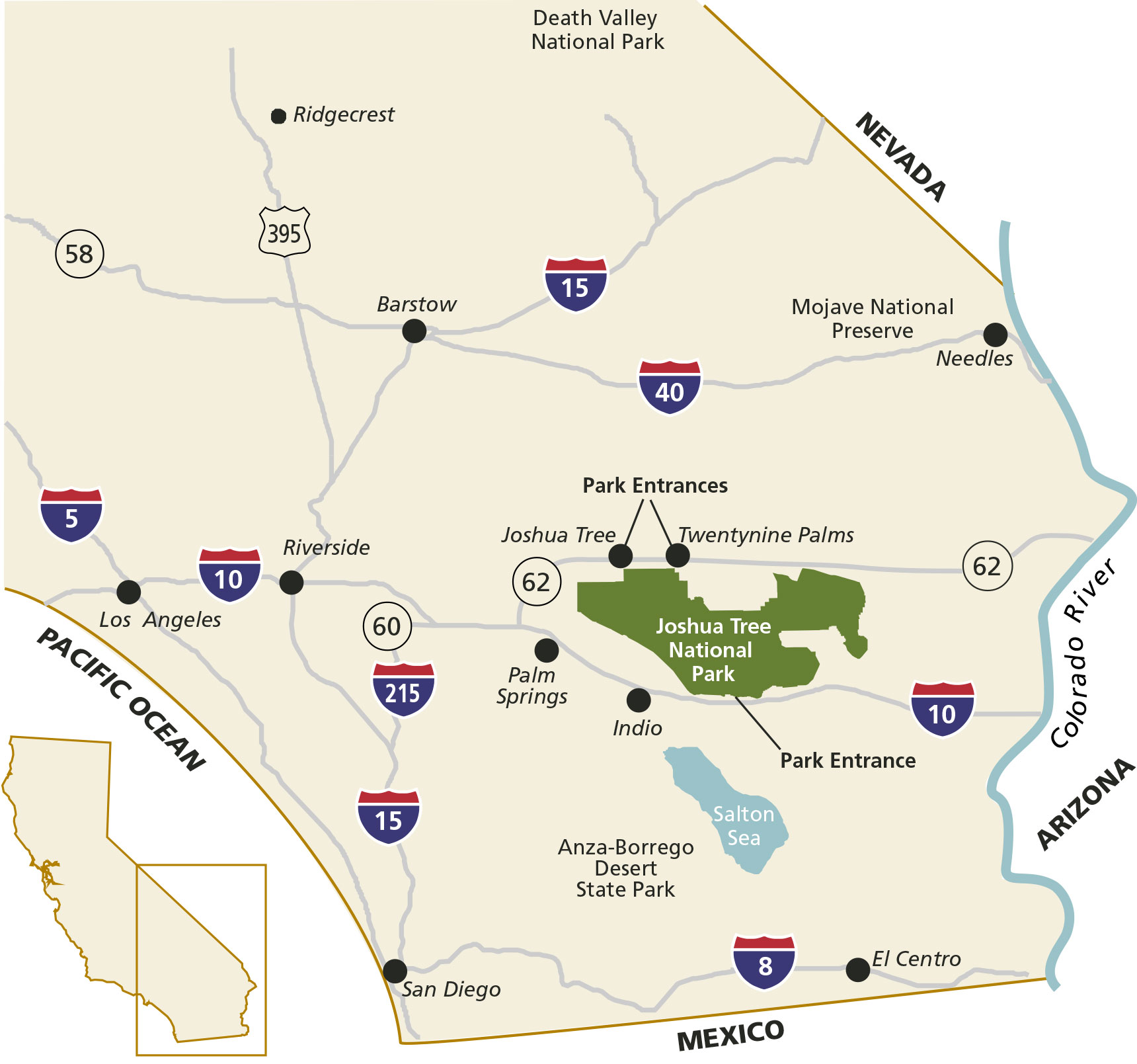
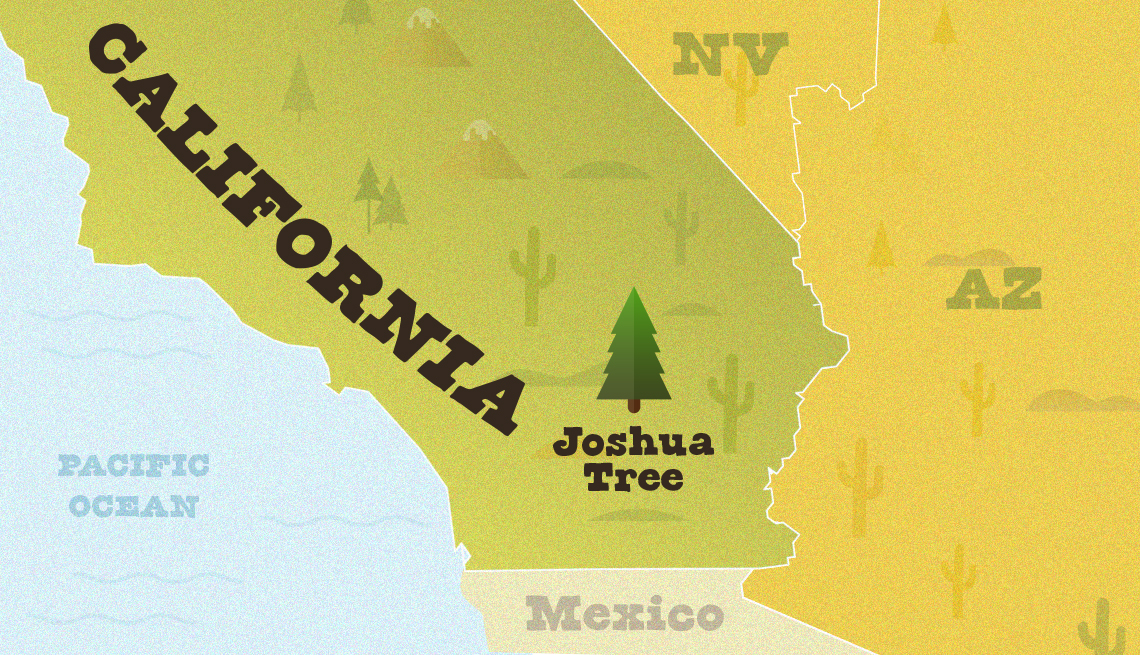
Joshua Tree National Park is strategically situated in Southern California, spanning across portions of San Bernardino County and Riverside County. Its vast expanse covers nearly 800,000 acres, characterized by a dramatic landscape that captures the essence of the American Southwest.
Geographic Coordinates and Surrounding Landscape
Geographically, the park’s central location lies roughly between 33.7° N latitude and 116.0° W longitude. This positioning places it inland, to the east of the sprawling urban centers and coastal regions, deep within California’s desert ecosystem. The park is a distinctive feature on the map, bounded by smaller desert communities that serve as gateways to its wilderness.
The topography of Joshua Tree National Park is defined by its rugged mountain ranges, expansive desert plains, and unique monzogranite rock formations, sculpted over millions of years by wind and water. These striking geological features are home to a diverse array of desert flora and fauna, most notably the park’s namesake, the Joshua Tree.
Nearby Cities and Access Points
The primary towns flanking Joshua Tree National Park serve as crucial hubs for visitors. To the north, Twentynine Palms offers a direct gateway to the park’s North Entrance. This town is often considered the primary access point, providing numerous services, accommodations, and the Oasis Visitor Center. Just west of Twentynine Palms lies Yucca Valley, another vibrant community that acts as a popular base for exploration, offering a more eclectic mix of dining and shopping options.
To the west, closer to the more populated regions of California, is the Joshua Tree town, which shares its name with the park and features the West Entrance and the Joshua Tree Visitor Center. Further south, the renowned resort city of Palm Springs provides a more luxurious and amenity-rich base for visitors willing to drive a bit further to reach the park’s South Entrance, near Cottonwood Spring. These towns collectively form a perimeter of support, making the park accessible while allowing visitors to experience the unique culture of the High Desert.
The Intersection of Two Deserts
One of the most fascinating aspects of Joshua Tree National Park’s location is that it encompasses portions of two distinct desert ecosystems: the Mojave Desert and the Colorado Desert. This geographical convergence is what gives the park its remarkable biodiversity and varied landscapes.
The cooler, wetter, and higher elevation Mojave Desert occupies the northern and western sections of the park. It is primarily characterized by the dense stands of the iconic Joshua Tree (Yucca brevifolia), as well as dramatic rock formations that attract climbers from around the globe. In contrast, the southeastern portion of the park is part of the hotter, drier, and lower elevation Colorado Desert, a subsection of the vast Sonoran Desert. This area is home to different plant communities, including creosote bushes, ocotillo, and the striking Cholla Cactus Garden. This ecological meeting point creates a truly unique environment, offering a diverse range of scenery and wildlife within a single park.
Planning Your Journey: How to Get There
Reaching Joshua Tree National Park typically involves a scenic drive, as it is largely accessible by road from major urban centers. Understanding the best routes and entry points is key to a smooth travel experience.
Driving from Major California Hubs
Most visitors arrive by car, taking advantage of California’s extensive highway network.
- From Los Angeles: The drive from Los Angeles to the West Entrance of Joshua Tree National Park typically takes about 2 to 2.5 hours, covering approximately 130 miles. The most common route involves taking I-10 East to CA-62 East (the Twentynine Palms Highway).
- From San Diego: Traveling from San Diego is a slightly longer journey, around 3 hours and 150-160 miles. Visitors usually take I-15 North to I-215 North, then merge onto I-10 East, eventually connecting to CA-62 East.
- From Las Vegas: For those coming from out of state, particularly Las Vegas, Nevada, the drive is approximately 3.5 to 4 hours, spanning about 180-200 miles. The route typically involves I-15 South, connecting to I-40 East, then south on US-95, and finally heading west on various state routes to reach the park’s northern entrances.
These routes offer glimpses of California’s diverse landscapes, transitioning from bustling cities to expansive deserts.
Closest Airports and Rental Car Options
While direct flights to Joshua Tree are not an option, several major and regional airports provide convenient access points for travelers flying in.
- Palm Springs International Airport (PSP): This is the closest and most convenient airport, located about 50 minutes to an hour (roughly 40 miles) from the park’s West Entrance. It offers a good range of rental car services.
- Ontario International Airport (ONT): Located about 1.5 to 2 hours (around 90 miles) west of the park, ONT is a larger airport serving the Inland Empire region and offers more flight options, albeit with a slightly longer drive.
- Los Angeles International Airport (LAX): As a major international hub, LAX offers the widest selection of flights but requires a 2.5 to 3-hour drive (approximately 140 miles) to reach the park.
Regardless of the chosen airport, renting a car is highly recommended, if not essential, for exploring Joshua Tree National Park and its surrounding areas, as public transportation within the park is non-existent.
Park Entrances and Visitor Centers
Joshua Tree National Park has three main entrances, each with an adjacent visitor center:
- West Entrance: Located off Park Boulevard in the town of Joshua Tree. This is arguably the most popular entrance, offering direct access to key attractions like Hidden Valley and Barker Dam. The Joshua Tree Visitor Center is just outside this entrance.
- North Entrance: Situated in Twentynine Palms, off CA-62. This entrance provides convenient access to the Oasis Visitor Center and the Cottonwood Spring Visitor Center.
- South Entrance: Found off I-10, near Cottonwood Spring. This entrance is ideal for travelers coming from Palm Springs or Arizona and leads directly into the Colorado Desert section of the park.
It’s advisable to check the official park website for current conditions, entrance fees, and operating hours before your visit.
Why Visit Joshua Tree: Unveiling Its Unique Allure
Beyond its distinct geographical location, Joshua Tree National Park offers a wealth of experiences that draw millions of visitors annually. Its allure lies in its surreal landscapes and the opportunities for exploration and introspection they provide.
Iconic Joshua Trees and Diverse Flora
The park’s namesake, the Joshua Tree, is undoubtedly its most famous resident. These striking, prehistoric-looking plants dot the landscape, creating an iconic silhouette against the desert sky. While the Joshua Tree is a dominant feature, the park is also home to a surprisingly diverse array of desert flora. Depending on the season, visitors can witness vibrant wildflower blooms, towering ocotillo, spiny cacti like the Cholla Cactus Garden, and various other resilient plant species adapted to the harsh desert climate. This botanical diversity is a testament to the unique ecological meeting point of the Mojave and Colorado Deserts.
Rock Formations and Climbing Opportunities
The park is a geological wonderland, renowned for its massive, eroded monzogranite rock formations. These dramatic piles of boulders, such as Skull Rock and Jumbo Rocks, are a paradise for rock climbers and boulderers of all skill levels. With thousands of established routes, Joshua Tree has cemented its status as a world-class climbing destination. Even for non-climbers, these formations are captivating to explore, offering opportunities for scrambling, photography, and simply marveling at nature’s artistry.
Stargazing and Night Photography
Far from the light pollution of urban areas, Joshua Tree National Park offers some of the darkest night skies in Southern California. It is designated as an International Dark Sky Park, making it an exceptional destination for stargazing and astrophotography. On clear nights, the Milky Way arches overhead, visible in stunning detail. The silhouette of the Joshua Trees against a backdrop of countless stars creates truly magical and unforgettable vistas.
Hiking Trails for Every Level
Whether you’re an avid hiker or prefer a leisurely stroll, Joshua Tree National Park offers a variety of trails to suit every preference.
- Easy Trails: Short, interpretive loops like the Hidden Valley Nature Trail (1-mile loop) and the Barker Dam Nature Trail (1.1-mile loop) are perfect for families and those seeking gentle exploration of unique desert ecosystems and historical sites.
- Moderate Trails: For a bit more challenge, the Ryan Mountain Trail (3-mile loop with elevation gain) offers panoramic views of the park’s vastness. The Lost Horse Mine Trail (4-mile roundtrip) leads to a well-preserved gold mine.
- Strenuous Hikes: More experienced hikers can tackle longer routes like the California Riding and Hiking Trail, which spans 35 miles across the park, offering an immersive backcountry experience.
Each trail provides a unique perspective on the park’s diverse landscapes, from dense Joshua Tree forests to hidden oases and ancient Native American sites.
Best Time to Travel and Essential Tips
To fully appreciate the wonders of Joshua Tree National Park, timing your visit and preparing adequately are crucial.
Seasonal Considerations
The optimal time to visit Joshua Tree is during the fall (October-November) and spring (March-May). During these seasons, temperatures are mild and pleasant, typically ranging from the 60s to 80s Fahrenheit (15-27°C) during the day, perfect for hiking and outdoor activities. Spring also brings the added beauty of wildflowers blooming across the desert floor.
Winter (December-February) is also a popular time, with cool days and chilly nights, and occasional snowfall at higher elevations, creating a rare and beautiful desert landscape. However, hours of daylight are shorter.
Summer (June-September) can be extremely hot, with daytime temperatures often exceeding 100°F (38°C). While mornings can be tolerable, midday exploration is not recommended due to heat exhaustion risks. If visiting in summer, plan activities for early mornings or late evenings and be prepared for intense heat.
Accommodation Options
While staying within the park offers an immersive experience, nearby towns provide various alternatives.
- Camping: Joshua Tree National Park features nine campgrounds, most of which are first-come, first-served, though some can be reserved during peak season. Camping allows for immediate access to trails and unparalleled stargazing.
- Vacation Rentals: The towns of Joshua Tree, Yucca Valley, and Twentynine Palms offer a wide range of unique vacation rentals, from quirky artist cabins to luxurious desert homes, often with a distinct bohemian aesthetic.
- Hotels/Motels: Traditional hotel and motel options are available in Twentynine Palms and Yucca Valley, providing comfort and convenience. For more upscale resorts, Palm Springs is about an hour’s drive away.
What to Pack and Safety Precautions
Proper preparation is essential for a safe and enjoyable trip to the desert.
- Water: Carry plenty of water (at least one gallon per person per day) as potable water sources within the park are extremely limited.
- Sun Protection: Wide-brimmed hats, sunglasses, and high-SPF sunscreen are crucial to protect against intense sun exposure.
- Layers: Desert temperatures can fluctuate dramatically between day and night, so dress in layers.
- Footwear: Sturdy hiking shoes are a must for navigating rocky terrain and sandy trails.
- Navigation: While trails are generally well-marked, carrying a map and compass or using GPS is advisable, especially for longer hikes. Cell service can be unreliable in many areas of the park.
- Wildlife: Be aware of desert wildlife, including snakes, scorpions, and coyotes. Maintain a safe distance and never feed animals.
Respecting the Desert Environment
Joshua Tree National Park is a fragile ecosystem. Visitors are encouraged to practice Leave No Trace principles: stay on marked trails, pack out all trash, do not disturb plants or wildlife, and respect cultural and historical sites. Preserving this unique environment ensures its beauty can be enjoyed by future generations.
Beyond the Park: Exploring the Surrounding Area
The experience of visiting Joshua Tree National Park extends beyond its boundaries, with the surrounding High Desert communities offering their own unique charm and attractions.
Artistic Communities and Quirky Towns
The towns surrounding Joshua Tree have cultivated a distinct identity, blending rugged desert living with a thriving arts scene.
- Pioneertown: A historic Old West movie set founded in 1946, Pioneertown offers a step back in time with its authentic facades and a lively Saloon. It’s a popular spot for photography and experiencing a piece of Hollywood history.
- Yucca Valley: Known for its eclectic boutiques, art galleries, and vintage shops, Yucca Valley is a hub for local artists and creators. It’s a great place to find unique souvenirs and experience the local vibe.
- Wonder Valley: Further east of Twentynine Palms, Wonder Valley is famous for the Integratron, a unique wooden dome structure designed for sound baths and relaxation. It offers a truly unique, off-the-beaten-path experience.
These communities provide a stark, yet complementary, contrast to the wilderness of the national park, offering cultural insights and memorable experiences.
Local Dining and Shopping Experiences
The towns of Joshua Tree, Yucca Valley, and Twentynine Palms boast a surprising array of dining options, from casual diners and coffee shops to farm-to-table restaurants and quirky cafes. Many establishments embrace the desert aesthetic, offering unique ambiances. Shopping here often means discovering handcrafted goods, vintage clothing, local art, and artisan crafts, providing perfect mementos of your High Desert adventure.

Other Nearby Natural Attractions
For travelers with extra time, the region around Joshua Tree National Park offers other natural wonders. The vast Mojave National Preserve, located northeast of Joshua Tree, offers another expansive desert landscape with unique geological features, cinder cones, and sand dunes. While different in character, it provides a fascinating extension to a desert-focused travel itinerary.
In conclusion, Joshua Tree National Park is undeniably a jewel in Southern California’s crown, offering a blend of rugged beauty, recreational opportunities, and serene desert landscapes. Knowing its location and the best ways to access it is the first step towards experiencing this unforgettable travel destination.
LifeOutOfTheBox is a participant in the Amazon Services LLC Associates Program, an affiliate advertising program designed to provide a means for sites to earn advertising fees by advertising and linking to Amazon.com. Amazon, the Amazon logo, AmazonSupply, and the AmazonSupply logo are trademarks of Amazon.com, Inc. or its affiliates. As an Amazon Associate we earn affiliate commissions from qualifying purchases.