
Nestled in the picturesque expanse of Northern California, the city of Antioch, California presents a unique blend of historical richness, natural beauty, and a burgeoning contemporary lifestyle. Often regarded as a significant gateway to the vast California Delta, Antioch, California offers travelers a distinct experience away from the more bustling metropolises. For those looking to explore the diverse landscapes and cultural offerings of the Bay Area’s eastern reaches, understanding Antioch, California’s precise location is the first step towards an engaging journey. This article delves into the geographical coordinates, regional context, and the compelling reasons why this often-overlooked Californian gem deserves a spot on your travel itinerary.
Pinpointing Antioch: A Gateway to the Delta
Understanding where Antioch, California lies on the map is crucial for any prospective visitor. Its strategic location offers a unique blend of accessibility to major urban centers while providing an immediate connection to unparalleled natural environments.
Geographical Coordinates and Regional Context
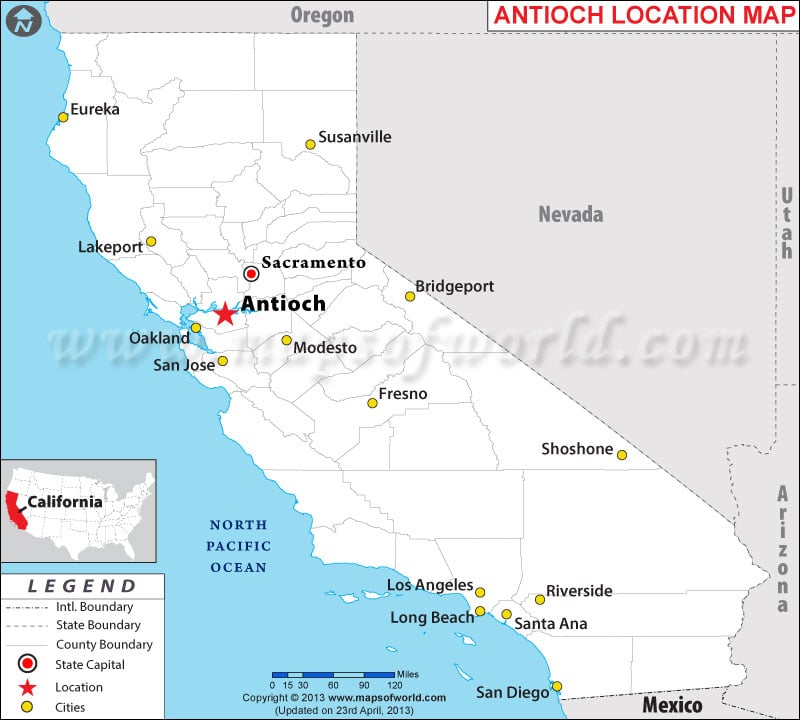
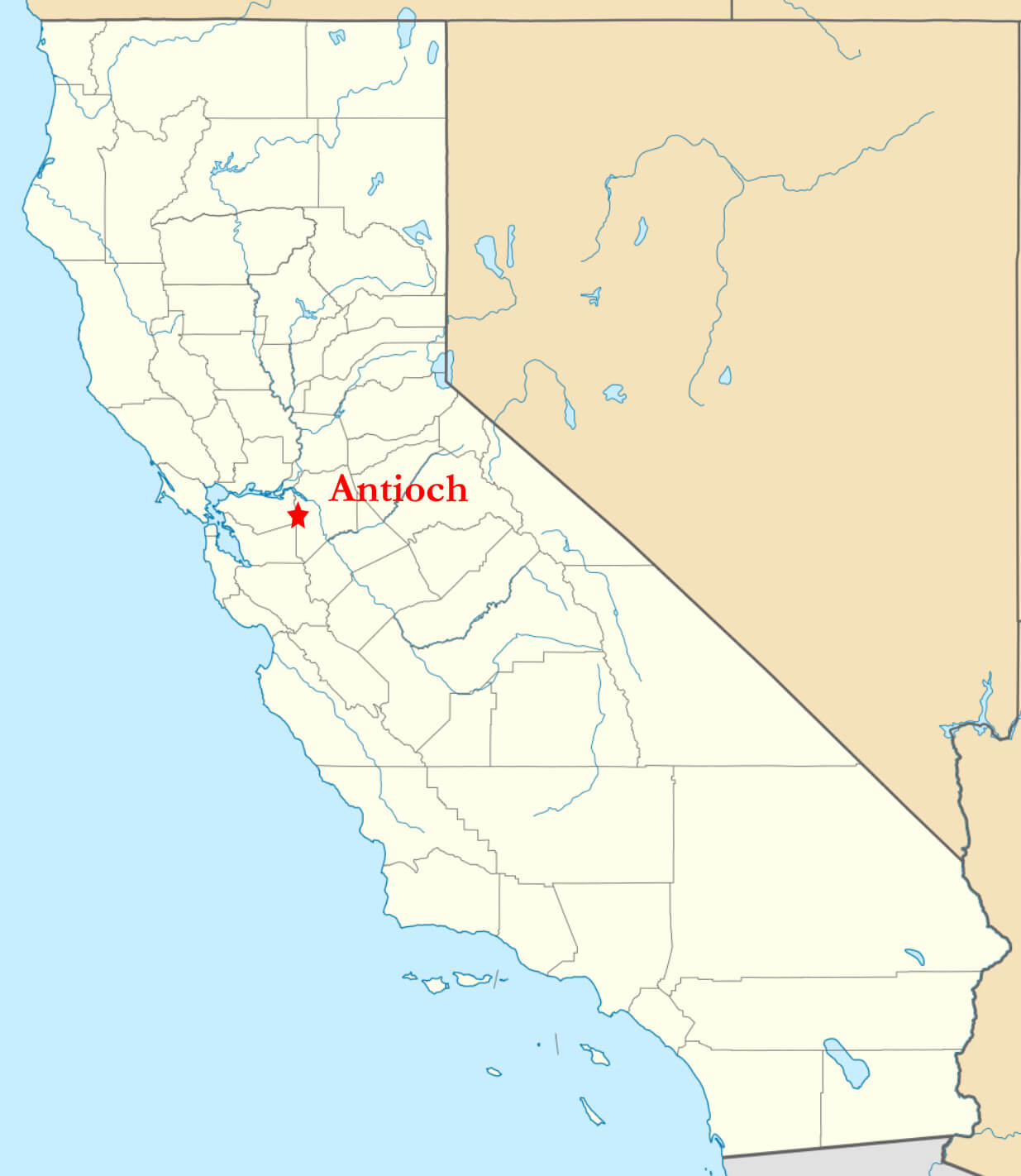
Antioch, California is situated in the eastern part of Contra Costa County, approximately 45 miles east of San Francisco and 35 miles northeast of Oakland. To its east, it’s about 50 miles southwest of Sacramento. This positioning places it firmly within the East Bay region, acting as a pivotal point where the urban sprawl gives way to the tranquil expanses of the San Joaquin-Sacramento River Delta, commonly known as the California Delta.
The city’s geographic coordinates are approximately 37.98° N latitude and 121.80° W longitude. What truly defines its location, however, is its direct adjacency to the San Joaquin River, a critical waterway that forms part of the expansive Delta. This proximity to the river system has historically shaped Antioch, California’s identity, influencing its economy, culture, and recreational offerings. The flat, fertile lands surrounding Antioch, California contrast with the rolling hills further west, offering a distinct landscape characterized by waterways, agricultural fields, and preserved natural habitats.
Access and Transportation
Reaching Antioch, California is relatively straightforward, making it an accessible destination for both local Californians and out-of-state visitors. The primary artery connecting Antioch, California to the broader Bay Area is State Route 4 (often referred to as Highway 4). This major thoroughfare runs directly through the city, linking it westward to Concord, Walnut Creek, and eventually the greater Bay Area freeway network, and eastward towards Stockton and other Central Valley communities.
Public transportation options have significantly improved connectivity. The Bay Area Rapid Transit (BART) extended its service to Antioch, California with the eBART line, featuring stations like the Antioch BART Station. This provides a convenient and eco-friendly way for travelers to reach the city from San Francisco, Oakland, and other Bay Area cities, reducing the reliance on personal vehicles.
For air travelers, Antioch, California is within a reasonable driving distance of several major international airports. Oakland International Airport (OAK) is the closest major hub, typically an hour’s drive away, offering a wide range of domestic and some international flights. San Francisco International Airport (SFO) is also accessible, usually within 1.5 to 2 hours depending on traffic, and provides extensive domestic and international connections. For those arriving from the east, Sacramento International Airport (SMF) is another viable option, roughly an hour’s drive to the northeast.
The Allure of Antioch: A Blend of History and Nature
Beyond its pinpointed location, the true appeal of Antioch, California for travelers lies in its compelling narrative – a story woven through its historical roots and its profound connection to the natural world.
A Rich Historical Tapestry
Antioch, California’s history dates back to the mid-19th century, making it one of California’s oldest communities. Founded in 1851 by brothers Joel and Joe Smith as Smith’s Landing, it quickly became a vital river port during the California Gold Rush. Its position on the San Joaquin River made it a crucial hub for transporting goods and people to and from the gold fields. The town was renamed Antioch, California in 1859 by the local church pastor, Rev. W.W. Smith, after the biblical city of Antioch.
The city’s past is marked by various industries, including coal mining in the nearby hills (evidence of which can still be explored at the Black Diamond Mines Regional Preserve), agriculture, and fishing. These historical layers are visible in its downtown architecture and local museums. The Antioch Historical Society Museum serves as a custodian of this rich heritage, offering visitors a glimpse into the lives of early settlers, the evolution of local industries, and the cultural shifts that have shaped the city. Understanding this history adds a depth of appreciation for the modern city and its enduring connection to the river.
Natural Wonders and Outdoor Pursuits
One of Antioch, California’s most significant draws for travelers is its direct access to the California Delta. This vast network of waterways, islands, and sloughs is a paradise for outdoor enthusiasts. Boating, fishing, and kayaking are immensely popular activities, with numerous marinas and launch points available. The Delta is renowned for its diverse fish species, attracting anglers from across the state. Wildlife viewing is also a major highlight, as the area is a critical habitat for migratory birds and various aquatic animals.
Beyond the immediate riverfront, Antioch, California benefits from its proximity to significant natural preserves. The aforementioned Black Diamond Mines Regional Preserve, located just south of Antioch, California, offers miles of hiking and biking trails through oak woodlands and chaparral, along with historical insights into the coal mining era through preserved mine entrances and a museum. Further afield, but still within a reasonable drive, is Mount Diablo State Park, an iconic Bay Area landmark offering panoramic views, challenging hikes, and unique geological formations. Local parks within Antioch, California itself, such as Prewett Family Park and the Antioch Regional Shoreline, provide accessible green spaces for recreation and relaxation, with the latter offering excellent views of the San Joaquin River.
Experiences in Antioch: Beyond the Map Pin
While its location and natural setting are compelling, Antioch, California also offers a range of experiences that cater to diverse interests, making it more than just a place on the map.
Cultural and Community Vibrancy
Antioch, California’s community spirit is evident in its local events and cultural venues. The historic El Campanil Theatre, a beautifully restored performing arts venue in downtown Antioch, California, hosts a variety of performances, including live music, classic films, and theatrical productions, providing a vibrant cultural anchor for the city. Throughout the year, Antioch, California also celebrates with various community festivals and events that showcase local talent, food, and traditions. While specific large-scale annual events may vary, the city’s commitment to fostering a lively community atmosphere ensures there’s often something happening, particularly along its revitalized riverfront. Dining options range from casual eateries to family-friendly restaurants, offering a taste of local flavors and diverse cuisines. The ongoing revitalization of its downtown area aims to further enhance its appeal with new shops and eateries.
Family-Friendly Adventures
For families traveling with children, Antioch, California and its surroundings offer several engaging activities. The aforementioned outdoor opportunities on the Delta – such as a relaxing boat ride or a beginner’s fishing excursion – can be memorable family experiences. Nearby attractions also add to the allure. While not directly within Antioch, California, Six Flags Hurricane Harbor Concord is a popular water park located a short drive away in Concord, offering thrilling slides and aquatic fun for all ages during the warmer months. The Antioch Historical Society Museum, with its exhibits showcasing local history, can also be an educational and interesting visit for families. Additionally, the city’s numerous parks, many equipped with playgrounds and picnic areas, provide ample space for children to play and enjoy the outdoors.
Planning Your Visit to Antioch
Making the most of your trip to Antioch, California involves considering the best time to visit and how to integrate it into a broader California itinerary.
Best Time to Explore
Antioch, California experiences a Mediterranean climate, characterized by hot, dry summers and mild, wet winters. The most pleasant times to visit for outdoor activities are typically spring (April to June) and fall (September to November). During these seasons, temperatures are comfortable, making hiking, boating, and exploring the Delta particularly enjoyable. Summers (July to August) can be quite hot, with temperatures often exceeding 90°F (32°C), which is ideal for water-based activities but might be less comfortable for extensive hiking. Winters (December to March) are mild, but rain can be frequent, which might limit some outdoor plans. Checking local event calendars before your trip can also help you align your visit with a festival or community gathering that piques your interest.
Making the Most of Your Trip
Antioch, California’s strategic location makes it an excellent base for exploring a wider segment of Northern California. From Antioch, California, day trips to renowned destinations are easily achievable. You can venture westward to experience the iconic sights of San Francisco – from the Golden Gate Bridge to Alcatraz – or explore the vibrant culture of Oakland. To the north, the world-famous Napa Valley and Sonoma Valley wine regions are within a two-hour drive, offering exquisite wine tasting experiences. Eastward, the state capital of Sacramento provides historical attractions and a bustling riverfront.
Within Antioch, California itself, prioritizing activities that leverage its unique position on the Delta is highly recommended. Consider renting a boat, taking a guided fishing tour, or simply enjoying a leisurely stroll along the Antioch Regional Shoreline. Exploring the historical downtown and visiting the El Campanil Theatre or the Antioch Historical Society Museum provides a deeper understanding of its local charm. For those seeking adventure, the trails of Black Diamond Mines Regional Preserve offer rewarding hikes and stunning views.
In conclusion, Antioch, California is more than just a point on the map; it’s a dynamic destination offering a compelling mix of accessibility, historical depth, natural splendor, and community vibrancy. Its location as a gateway to the California Delta, combined with its easy reach to major Bay Area attractions, positions it as an excellent choice for travelers seeking both relaxation and adventure in Northern California. Whether you’re drawn by the call of the river, the whispers of history, or the promise of a welcoming community, Antioch, California awaits with open arms.
LifeOutOfTheBox is a participant in the Amazon Services LLC Associates Program, an affiliate advertising program designed to provide a means for sites to earn advertising fees by advertising and linking to Amazon.com. Amazon, the Amazon logo, AmazonSupply, and the AmazonSupply logo are trademarks of Amazon.com, Inc. or its affiliates. As an Amazon Associate we earn affiliate commissions from qualifying purchases.