
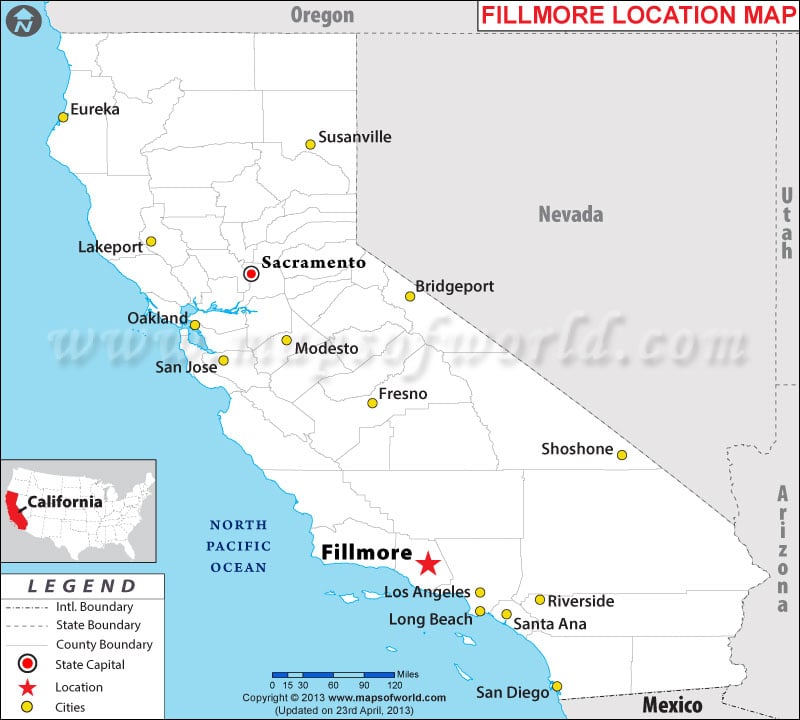
Nestled in the picturesque Santa Clara River Valley of Ventura County, California, lies the charming city of Fillmore. Often affectionately dubbed “The Last, Best Small Town” or “The Citrus Capital of the World,” Fillmore presents a delightful contrast to the sprawling metropolises that define much of Southern California. Far from the bustling freeways and urban landscapes, Fillmore offers a refreshing journey back to a simpler time, characterized by its preserved historic downtown, thriving agricultural heritage, and a strong sense of community. For those asking “Where is Fillmore, California?”, the answer is not merely a geographic coordinate, but an invitation to discover a hidden gem, a destination rich in history, natural beauty, and unique experiences that beckon travelers seeking an authentic slice of Americana.
Unveiling Fillmore: A Gem in Ventura County
Fillmore’s identity is intrinsically linked to its prime location and historical roots. Situated approximately 60 miles northwest of Los Angeles and 45 miles southeast of Santa Barbara, it strikes a perfect balance between accessibility and serene seclusion. The city is primarily accessed via California State Route 126, a scenic highway that winds through vibrant citrus and avocado groves, painting a vivid picture of the region’s agricultural prowess.
Geographical Context and Accessibility
The city itself is ensconced by natural splendor. To the north, the majestic Topatopa Mountains provide a dramatic backdrop, their rugged peaks offering a stark contrast to the verdant valley floor. The Santa Clara River meanders alongside the city, a vital artery that has historically supported the region’s agriculture and biodiversity. This geographical setting not only makes Fillmore visually appealing but also a gateway to numerous outdoor recreational activities. Its relative proximity to major urban centers means a day trip or a weekend getaway to Fillmore is entirely feasible, offering a tranquil escape without venturing too far off the beaten path. Yet, despite its accessibility, Fillmore retains an undeniable sense of being a world apart, a place where the pace slows down and the air feels fresher.
A Glimpse into its Charm
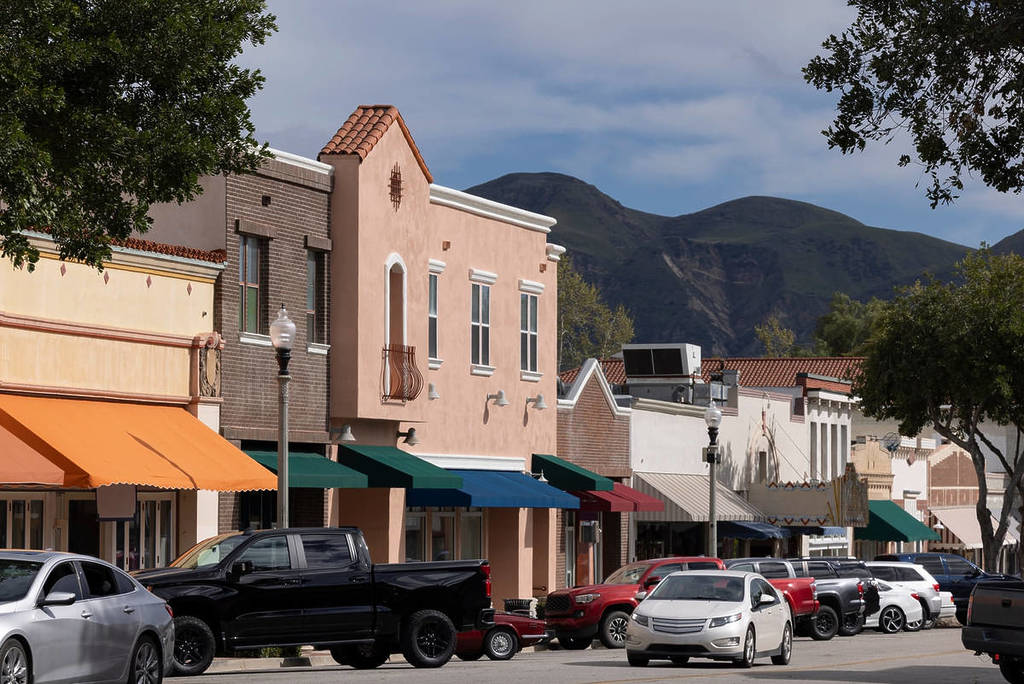
What truly sets Fillmore apart is its unwavering commitment to preserving its small-town charm. Unlike many communities that have succumbed to modernization, Fillmore has intentionally maintained its historic integrity, particularly in its downtown core. Here, visitors are greeted by turn-of-the-century architecture, independent boutiques, and family-owned restaurants that exude a genuine warmth. The absence of towering high-rises and sprawling shopping malls is not an oversight, but a deliberate choice that reinforces its unique character. This commitment to its past is not merely aesthetic; it’s a living, breathing part of the community’s identity, influencing everything from local festivals to daily life. It’s a place where history isn’t just displayed in a museum; it’s woven into the very fabric of the streets and buildings, inviting visitors to step into a bygone era.
Stepping Back in Time: Fillmore’s Rich Heritage
Fillmore’s identity is deeply rooted in its fascinating history, a narrative that tells tales of railroad expansion, agricultural innovation, and community resilience. The city’s dedication to preserving its past is evident in its meticulously maintained landmarks and the stories passed down through generations.
The “Last, Best Small Town” Vibe
The moniker “The Last, Best Small Town” is not merely a marketing slogan; it encapsulates Fillmore’s essence. Walking through its downtown streets feels like stepping onto a movie set from an earlier era. The vintage storefronts, gas lamps, and the iconic Fillmore & Western Railway Depot collectively create an atmosphere rarely found in contemporary California. This nostalgic ambiance is deliberately cultivated, serving as a magnet for film productions seeking authentic period settings, further cementing Fillmore’s reputation as a living historical tableau. The city’s efforts to conserve its heritage extend beyond buildings; it’s about maintaining a lifestyle, a sense of community where neighbors know each other and local businesses thrive, fostering an environment that prioritizes local charm over generic commercialism.
The Fillmore & Western Railway
Undoubtedly, one of Fillmore’s most defining features is the Fillmore & Western Railway. Often referred to as “The Movie Railroad,” this heritage railway operates historic locomotives and passenger cars, offering scenic excursions through the valley. The railway is not just a tourist attraction; it’s a living piece of history that continues to transport visitors back to the golden age of rail travel. From themed rides like the Pumpkin Patch Express in autumn and the magical North Pole Express during the holidays, to murder mystery dinners and private charters, the railway is a dynamic part of Fillmore’s cultural landscape. Its significance extends beyond entertainment, playing a crucial role in showcasing the region’s agricultural beauty and connecting visitors to the stories of the past. The rhythmic chugging of the train is a quintessential sound of Fillmore, a constant reminder of its enduring connection to the iron horse that once brought prosperity to the valley.
Agricultural Roots and Legacy
Before the railway, and even alongside it, agriculture shaped Fillmore into what it is today. The fertile soils of the Santa Clara River Valley have long been ideal for cultivation, particularly for citrus fruits. The vast groves of oranges, lemons, and grapefruit that surround Fillmore are a testament to this enduring legacy. Driving through the area, the sweet scent of citrus blossoms often perfumes the air, especially in spring. Beyond citrus, the valley also produces avocados, row crops, and other agricultural products. This agricultural heritage is deeply ingrained in the local culture, influencing community events, local cuisine, and even the architectural style of many historic homes. Visitors can often find roadside stands selling fresh produce, a direct link to the hardworking farmers who continue to shape the landscape and economy of Fillmore. The agricultural industry not only sustains the local economy but also provides a beautiful, green backdrop to the town, defining its rural charm and contributing to its unique character.
Exploring Fillmore’s Unique Attractions and Experiences
Fillmore’s appeal extends far beyond its historic downtown and scenic train rides. The city and its surrounding areas offer a diverse range of activities and attractions that cater to various interests, from history buffs to outdoor adventurers.
Beyond the Rails: Local Points of Interest
While the Fillmore & Western Railway often steals the spotlight, the city boasts other captivating sites. The Fillmore Historical Museum, located within Central Park, offers a deeper dive into the community’s past, featuring meticulously preserved historic buildings, including an old schoolhouse, church, and a doctor’s office. This open-air museum provides a tangible connection to the lives of early settlers and their contributions to the town’s development. Downtown, visitors can explore a variety of antique shops, art galleries showcasing local talent, and unique boutiques offering handcrafted goods. Dining options range from classic American diners serving comfort food to Mexican restaurants dishing out authentic flavors, each offering a taste of local hospitality. The sense of a close-knit community is palpable in these establishments, where owners often greet customers by name.
Outdoor Adventures in the Surrounding Landscape
For those who love the great outdoors, Fillmore serves as an excellent base for exploration. The proximity to the Los Padres National Forest opens up a world of hiking, mountain biking, and camping opportunities. Numerous trails offer stunning vistas of the valley and mountains, ranging from easy strolls suitable for families to challenging treks for experienced hikers. The Santa Clara River provides opportunities for birdwatching and enjoying the riparian ecosystem, especially for those keen on observing local wildlife in its natural habitat. Just a short drive away, Lake Piru offers a popular destination for boating, fishing, and picnicking, surrounded by rugged hills and clear skies. The tranquil waters and expansive natural settings provide a perfect escape for water sports enthusiasts or simply those looking to relax by the lakeside. Whether it’s a leisurely walk through citrus groves or an adrenaline-pumping mountain bike ride, Fillmore’s natural surroundings promise an adventure for every type of traveler.
Seasonal Events and Local Festivities
Fillmore’s calendar is often punctuated by vibrant community events and festivals that celebrate its heritage and bring residents and visitors together. The annual Fillmore May Festival is a long-standing tradition, featuring carnival rides, live music, local food vendors, and a parade that showcases the community’s spirit. Throughout the year, the Fillmore & Western Railway hosts numerous themed events, from historical reenactments to holiday celebrations like the beloved Christmas Train, where families embark on a magical journey to meet Santa. These events provide a fantastic opportunity to experience the warmth and camaraderie of Fillmore’s community, offering unique insights into its traditions and celebratory customs. Participating in these local festivities allows visitors to truly immerse themselves in the small-town charm and friendly atmosphere that defines Fillmore.
Planning Your Visit: Essential Travel Tips
A trip to Fillmore promises a unique and memorable experience. To make the most of your visit, a little planning can go a long way in ensuring a smooth and enjoyable journey to this charming Ventura County gem.
Getting There
As mentioned, Fillmore is most conveniently accessed by car via California State Route 126.
- From Los Angeles: Take the US-101 North to California State Route 126 East (the Saticoy Parkway exit). Follow Highway 126 for approximately 25-30 miles directly into Fillmore. Alternatively, you can take the I-5 North to California State Route 126 West (the Ventura Freeway exit) which will also lead you into the city. The drive typically takes about 1 to 1.5 hours, depending on traffic.
- From Santa Barbara: Take the US-101 South to California State Route 126 East. The journey from Santa Barbara is roughly 45 minutes to an hour.
While public transport options are limited, local bus services connect Fillmore to nearby cities like Santa Paula and Ventura, though a personal vehicle is highly recommended for exploring the area thoroughly.
Where to Stay and Eat
Fillmore offers a small selection of local accommodations, primarily charming independent motels and a few bed and breakfast establishments that reflect its historic character. For those seeking more extensive options, larger chain hotels are available in nearby cities such as Santa Paula or Ventura, just a short drive away. Dining in Fillmore is a delightful experience focused on local flavors and casual settings. You’ll find classic American diners, such as the Central Station Bar & Grill offering comfort food, and excellent Mexican restaurants like La Fondita that serve authentic, hearty dishes. Don’t miss the opportunity to visit local cafes for a freshly brewed coffee and a pastry, embodying the relaxed pace of life in Fillmore. Many of these eateries emphasize fresh, local ingredients, some even sourced from the surrounding agricultural lands.

Best Time to Visit
Fillmore enjoys a Mediterranean climate, characterized by warm, dry summers and mild, wet winters.
- Spring (March to May): This is arguably one of the best times to visit. The weather is pleasant, the citrus groves are often in bloom filling the air with a sweet fragrance, and the landscape is lush and green after winter rains. Spring also marks the beginning of many outdoor activities and local festivals.
- Fall (September to November): The weather remains warm and comfortable, perfect for outdoor excursions. The Pumpkin Patch Express on the Fillmore & Western Railway is a popular autumn attraction, and the changing colors in the surrounding hills add to the scenic beauty.
- Summer (June to August): Summers can be hot, especially inland. However, evenings are generally pleasant, and it’s a good time for lake activities at Lake Piru or early morning hikes.
- Winter (December to February): Winters are mild, though it can get chilly, especially at night. This season is magical for the North Pole Express train rides and offers a quieter, more reflective atmosphere for exploring the historical sites.
Regardless of when you choose to visit, Fillmore’s unique charm and welcoming atmosphere ensure a memorable trip, providing a refreshing antidote to the hustle and bustle of modern life.
In conclusion, Fillmore, California, is much more than just a dot on the map; it is a destination with a soul. It’s a place where history is alive, where the beauty of nature unfolds at every turn, and where the warmth of a close-knit community invites you to slow down and savor the moment. For those yearning for an escape to a destination that feels both familiar and refreshingly unique, Fillmore offers a compelling answer, promising a journey filled with discovery, relaxation, and genuine Californian charm.
LifeOutOfTheBox is a participant in the Amazon Services LLC Associates Program, an affiliate advertising program designed to provide a means for sites to earn advertising fees by advertising and linking to Amazon.com. Amazon, the Amazon logo, AmazonSupply, and the AmazonSupply logo are trademarks of Amazon.com, Inc. or its affiliates. As an Amazon Associate we earn affiliate commissions from qualifying purchases.