
For many, the name Glamis, California conjures vivid images of vast, rolling sand dunes, roaring engines, and an unparalleled spirit of adventure. Nestled in the heart of the Sonoran Desert of Southern California, Glamis isn’t just a dot on the map; it’s an iconic travel destination, a mecca for off-road enthusiasts, and a testament to the raw beauty and untamed spirit of the desert landscape. Far from being a traditional town with quaint shops and permanent residents, Glamis is primarily defined by the immense Imperial Sand Dunes Recreation Area, also known as the Algodones Dunes. This article serves as your comprehensive guide to uncovering the exact location of Glamis, understanding its unique allure, and navigating the logistics of visiting this extraordinary desert playground.
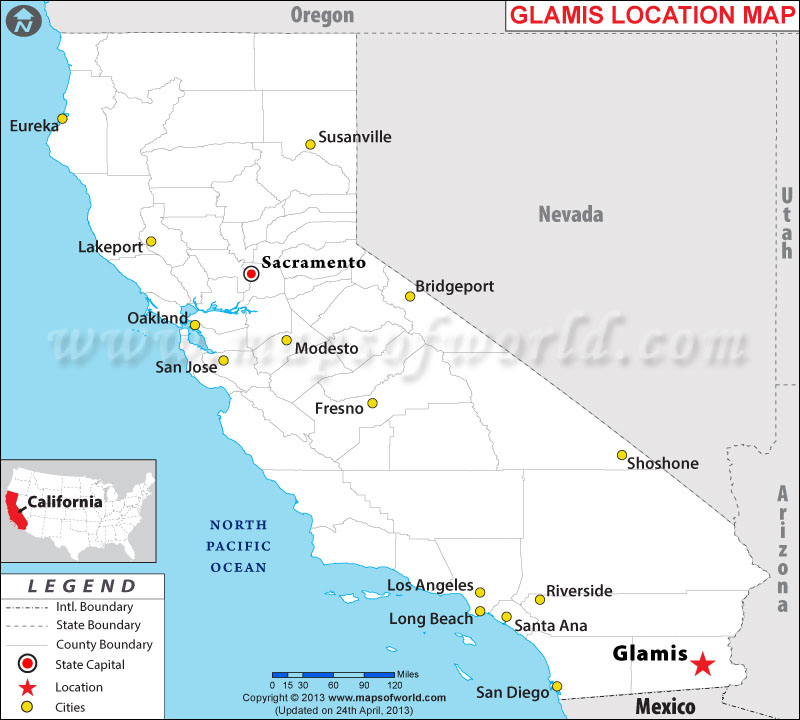
Unveiling the Location: The Heart of Southern California’s Desert
Glamis is not a city in the conventional sense, but rather an unincorporated community and, more importantly, a geographical reference point for accessing the largest mass of sand dunes in California. Its identity is inextricably linked to the surrounding natural landscape, making it a truly unique travel destination that appeals to those seeking an escape into the wild.
Geographical Coordinates and Surrounding Landscape
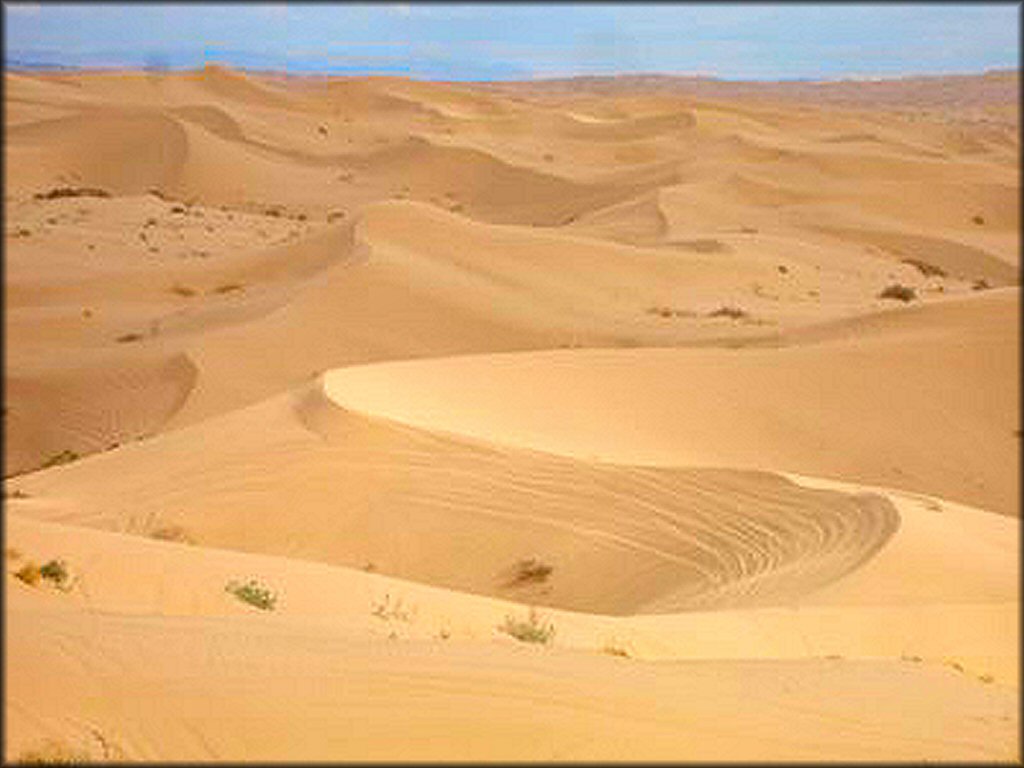
Glamis is situated in Imperial County, in the southeastern corner of California, very close to the Arizona border and not far from the Mexico border. Its general coordinates place it roughly between Brawley to the west and Yuma, Arizona to the east. The area is characterized by its harsh yet breathtaking desert environment, dominated by the expansive dune system that stretches for approximately 40 miles long and averages 5 miles wide. These dunes are a geological marvel, formed by wind-blown sands from the ancient delta of the Colorado River, which once flowed into a vast inland sea, the precursor to today’s Salton Sea. The landscape is largely arid, with sparse vegetation typical of desert ecosystems, yet it supports a surprising array of specialized flora and fauna. The sheer scale and shifting contours of the sand offer a dynamic backdrop for exploration and adventure.
Accessibility and Major Roadways
Reaching Glamis involves traveling through the scenic desert landscapes of Southern California. The primary access point to the main recreational areas is typically via California State Route 78, which cuts directly through the heart of the dunes. This highway is often bustling with trailers carrying off-road vehicles during peak seasons.
From major metropolitan areas:
- From San Diego (approximately 2.5-3 hours drive): Take Interstate 8 East towards El Centro, then head north on State Route 111 or State Route 78.
- From Los Angeles (approximately 4-5 hours drive): Take Interstate 10 East to State Route 86 South, then connect to State Route 78 East.
- From Phoenix, Arizona (approximately 3 hours drive): Take Interstate 10 West to Interstate 8 West, then connect to State Route 78 North/West near Winterhaven or Yuma.
The access roads leading into the recreation areas from Highway 78 are generally well-maintained dirt roads, but a vehicle with good ground clearance is recommended, especially if venturing into less-traveled areas. Signs for popular access points like “Vendor Row,” “Washer,” and “Padre” are well-known to regulars and guide visitors to specific camping and staging areas within the dunes.
What Makes Glamis a Unique Travel Destination?
Glamis distinguishes itself not merely by its location but by the very activities and experiences it offers. It’s a destination forged by the elements and defined by the thrill of exploration and the camaraderie of a passionate community.
The Allure of the Imperial Sand Dunes Recreation Area
The Imperial Sand Dunes Recreation Area (ISDRA) is managed by the Bureau of Land Management (BLM) and is the crown jewel of Glamis. It represents a staggering 118,000 acres of prime dune terrain, with over 45,000 acres open to off-highway vehicle (OHV) use. The sheer scale is breathtaking, offering endless opportunities for adventure. The dunes themselves are incredibly dynamic, constantly shifting with the desert winds, creating an ever-changing landscape of peaks, bowls, and valleys. Iconic spots like “Oldsmobile Hill” and “Glamis Beach Store” serve as unofficial landmarks within this vast sandy expanse, where visitors gather to witness daring rides or simply soak in the vibrant atmosphere. The designated wilderness areas, such as the North Algodones Dunes Wilderness, offer a contrasting experience, providing quiet zones for hiking, photography, and wildlife viewing, reminding visitors of the desert’s fragile ecosystem.
Off-Roading Mecca: Activities and Popular Spots
Glamis is synonymous with off-roading. It draws hundreds of thousands of visitors annually, primarily for activities involving:
- Dune Buggies and Sand Rails: These custom-built vehicles are designed specifically for navigating the loose sand, offering thrilling high-speed rides and impressive hill climbs.
- ATVs (All-Terrain Vehicles) and UTVs (Utility Terrain Vehicles): Popular for their versatility and ease of use, these vehicles allow riders to explore a wide range of dune terrain.
- Dirt Bikes: Experienced riders can tackle challenging climbs and jumps, honing their skills in a truly unique environment.
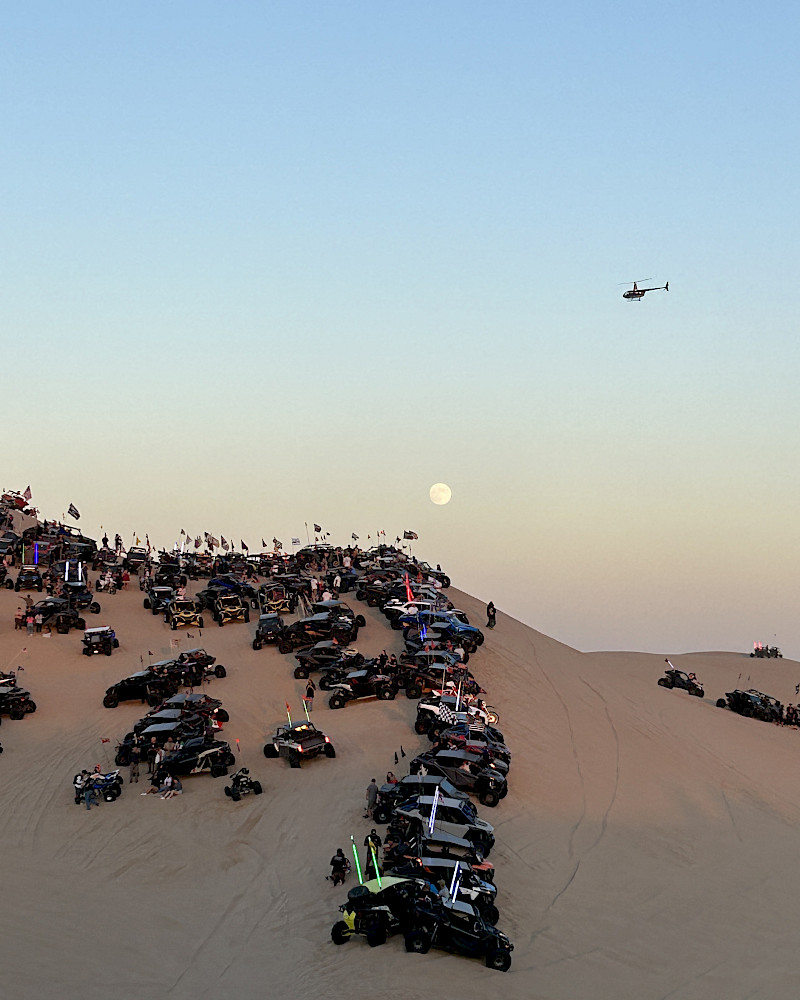
The main activity centers around cruising the open dunes, cresting immense hills, and navigating technical sandy bowls. Beyond the thrill of the ride, off-roading in Glamis is a social event. Families and friends gather, often camping together, to share meals, stories, and the passion for their vehicles. “Oldsmobile Hill” is particularly famous as a gathering point where spectators watch riders conquer its steep face, especially during sunset. The vast open spaces allow for freedom of movement unparalleled in many other recreational areas, creating an addictive sense of adventure.
Beyond the Dunes: Other Attractions and Natural Wonders
While the dunes are the primary draw, the broader Imperial Valley region offers other points of interest for those looking to expand their travel itinerary.
- The Salton Sea: A mere hour’s drive west, the Salton Sea is California’s largest lake and one of its most enigmatic natural features. While facing environmental challenges, it offers unique birdwatching opportunities and a poignant landscape.
- Desert Wildlife: Despite its arid appearance, the Sonoran Desert is teeming with life. Visitors might spot various lizards, snakes, roadrunners, coyotes, and unique desert plant life. Early mornings and evenings are the best times for wildlife viewing.
- Nearby Towns: Small towns like Niland or Brawley offer basic services and a glimpse into rural desert life, distinct from the temporary hub of Glamis. These towns provide a stark contrast to the lively, albeit transient, off-road community.
Planning Your Trip to Glamis: Essential Travel Information
A successful trip to Glamis requires careful planning, especially considering the remote desert environment and the specific regulations governing the recreation area.
Best Time to Visit and Weather Considerations
The prime season for visiting Glamis is from October through April. During these months, daytime temperatures are pleasantly mild, ranging from the 60s to 80s Fahrenheit (15-27°C), making it ideal for outdoor activities. Nights can be cool, often dipping into the 30s and 40s (0-10°C), so warm clothing is essential, especially for camping.
The summer months (May through September) are characterized by extreme heat, with temperatures often soaring above 100-110°F (38-43°C). This makes summer travel to Glamis challenging and potentially dangerous for recreational activities, with many services and crowds receding. Visitors during this period must be exceptionally well-prepared for heat stroke and dehydration.
Accommodation Options and Camping Guidelines
Glamis itself has no traditional hotels or resorts. The primary accommodation is camping.
- Dispersed Camping: The vast majority of visitors opt for dispersed camping within the Imperial Sand Dunes Recreation Area. This means finding an open spot, often with groups of friends or family, and setting up a temporary camp with RVs, toy haulers, and tents. There are no designated campsites with amenities; visitors must be entirely self-sufficient, bringing all water, food, and supplies, and packing out all trash.
- Nearby Hotels: For those who prefer traditional lodging, the closest hotels are found in Yuma, Arizona (about an hour east) or El Centro, California (about an hour west). These options require daily drives to and from the dunes.
When camping, it is critical to respect the environment and adhere to “Leave No Trace” principles. Noise regulations, fire restrictions, and proper waste disposal are strictly enforced by the BLM.
Permits, Safety, and Environmental Stewardship
Visiting Glamis requires a permit.
- OHV Permit: Any off-highway vehicle operated within the Imperial Sand Dunes Recreation Area must have a valid California Off-Highway Vehicle (OHV) Green or Red Sticker or an out-of-state equivalent. Additionally, a specific use permit for the ISDRA itself is required, which can be purchased online or at various vendors in the area.
- Safety: The desert environment and high-speed off-roading present inherent risks. Visitors must prioritize safety:
- Helmets: Mandatory for ATV, dirt bike, and open-vehicle occupants.
- Flags: All OHVs must display a whip flag at least 8 feet above the ground for visibility.
- Hydration: Always carry ample water.
- Navigation: While popular areas are well-traveled, getting lost in the vast dunes is possible. GPS devices or apps are highly recommended.
- Vehicle Maintenance: Ensure your vehicle is in top condition and carry spare parts and tools.
- Emergency Services: Know how to contact emergency services, as cell service can be spotty in some areas.
- Environmental Stewardship: The BLM actively promotes responsible recreation. Staying on designated routes, avoiding sensitive wilderness areas, and preventing pollution are crucial for preserving this unique natural wonder for future generations.
The Glamis Experience: More Than Just Sand Dunes
Glamis is more than just a place to ride; it’s a vibrant community that comes alive during peak season, offering a memorable experience shaped by both adventure and camaraderie.
Community and Culture of the Off-Roading Enthusiasts
The culture of Glamis is distinct and deeply rooted in the passion for off-roading. During busy weekends and holidays, the dunes transform into a bustling, temporary city of RVs, campfires, and vibrant lights. It’s a place where families have been coming for generations, fostering a sense of tradition and belonging. There’s a strong emphasis on self-reliance, mechanical know-how, and mutual assistance. It’s common to see fellow riders stopping to help someone with a breakdown or offering advice. The atmosphere is generally festive and inclusive, welcoming both seasoned veterans and newcomers eager to experience the thrill of the dunes. The sight of hundreds of campfire lights twinkling across the vast expanse of sand at night, accompanied by the distant hum of generators and laughter, creates an unforgettable ambiance.
Events and Gatherings
Throughout the peak season, Glamis hosts various unofficial and organized events. Major holidays like Thanksgiving, New Year’s, and Presidents’ Day weekend draw the largest crowds, turning the dunes into a massive celebration. During these times, “Vendor Row” becomes a lively marketplace offering food, merchandise, and off-road accessories. There are sometimes impromptu races, show-and-shine events for custom vehicles, and evening gatherings around immense bonfires. While no formal calendar exists for all happenings, online forums and social media groups dedicated to Glamis off-roading are excellent resources for staying informed about upcoming events and gatherings, ensuring visitors can tap into the full social experience.
Preparing for a Desert Adventure
To truly enjoy the Glamis experience, preparation is key:
- Vehicle Preparation: Ensure your off-road vehicles are in excellent working order, fueled up, and equipped with necessary safety gear. Consider a vehicle capable of towing your OHV, such as a sturdy truck or SUV.
- Supplies: Pack an abundance of water, non-perishable food, first-aid kits, sun protection (sunscreen, hats, sunglasses), warm clothing for cool nights, and fuel for both your vehicles and generators.
- Navigation and Communication: While cell service is limited, carrying a satellite communicator or a reliable two-way radio can be critical for safety and group coordination. A GPS device or app is essential for navigating the vast, featureless dunes.
- Leave No Trace: Bring heavy-duty trash bags and be prepared to pack out everything you bring in. Respect the delicate desert ecosystem by minimizing your footprint.
In conclusion, Glamis, California is far more than just a geographical point; it’s an immersive travel destination offering an unparalleled blend of extreme sport, natural beauty, and vibrant community spirit. For those seeking adventure off the beaten path, a journey to Glamis promises an unforgettable experience in the heart of Southern California’s most iconic sand dunes.
LifeOutOfTheBox is a participant in the Amazon Services LLC Associates Program, an affiliate advertising program designed to provide a means for sites to earn advertising fees by advertising and linking to Amazon.com. Amazon, the Amazon logo, AmazonSupply, and the AmazonSupply logo are trademarks of Amazon.com, Inc. or its affiliates. As an Amazon Associate we earn affiliate commissions from qualifying purchases.