
Livermore, California is a vibrant and unique city nestled in the eastern part of the San Francisco Bay Area, specifically within Alameda County. Often overshadowed by its more famous neighbors, Livermore holds a distinctive charm and strategic location that makes it an intriguing destination for travelers seeking a blend of natural beauty, historical depth, and modern innovation. For anyone planning a trip to Northern California or simply curious about this compelling corner of the Golden State, understanding its geographical placement is the first step to unlocking its many treasures.
Pinpointing Livermore on the Map: A Prime Bay Area Position
To truly appreciate Livermore’s appeal, it’s essential to understand its precise location and how it fits into the broader California landscape. It’s a city that boasts both accessibility and a pleasant separation from the hustle and bustle of major metropolitan centers.
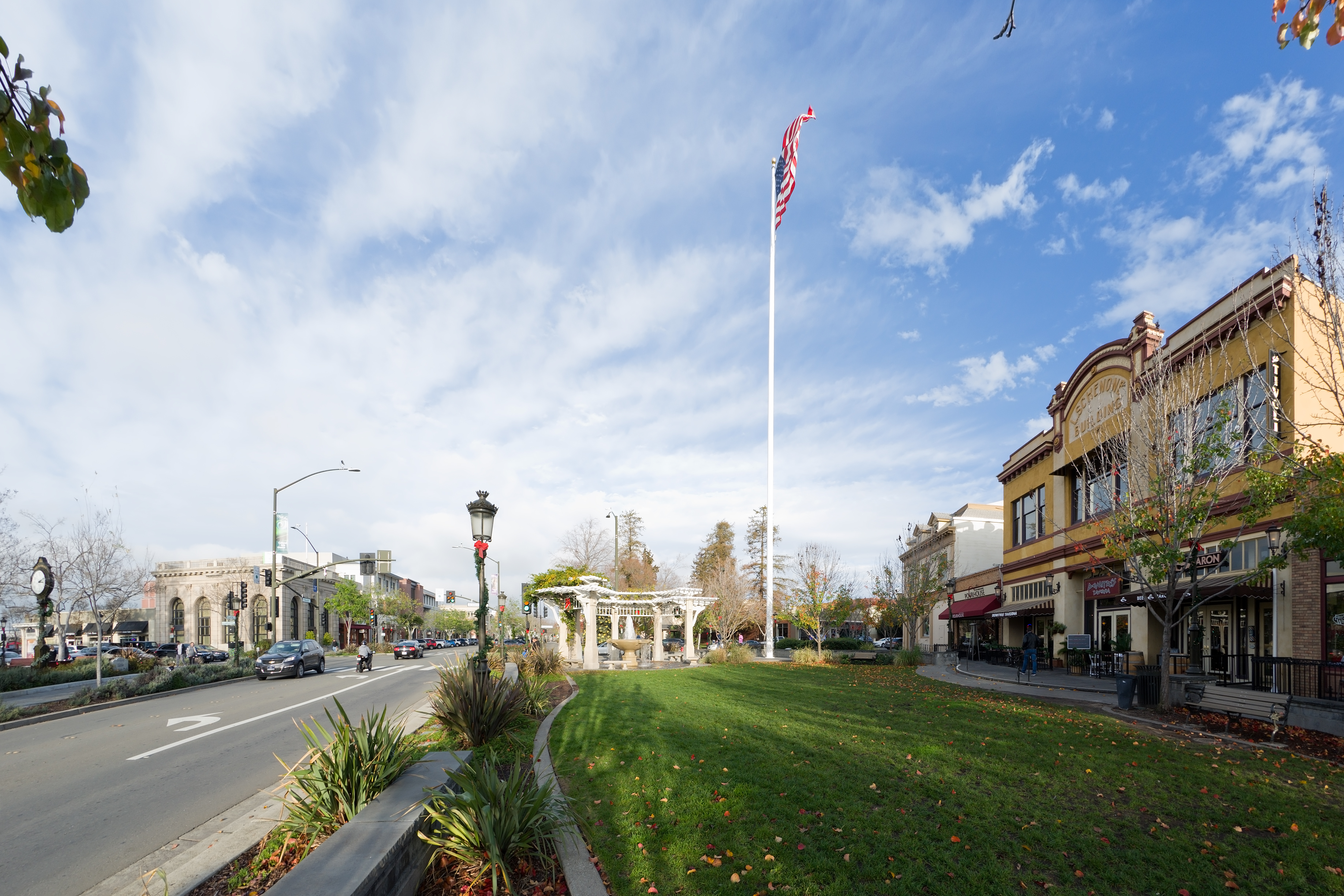
Geographic Coordinates and Regional Context
Geographically, Livermore is situated approximately 45 miles east of San Francisco, 30 miles east of Oakland, and about 20 miles northeast of Fremont. Its coordinates place it roughly at 37.68° N latitude and 121.76° W longitude. This positioning puts it squarely in the easternmost stretch of the Bay Area, where the urban sprawl begins to gently fade into rolling hills and agricultural lands.
The city is a significant part of the tri-valley region, encompassing Livermore, Pleasanton, and Dublin. This regional identity is crucial, as it influences the local culture, economy, and available amenities. Unlike the dense, coastal cities, Livermore enjoys a slightly inland climate, characterized by warmer summers and cooler winters, providing a distinct experience from other parts of the Bay Area. This climate is particularly beneficial for the thriving agricultural sector, especially its renowned vineyards.
Proximity to Major Urban Hubs
While Livermore offers a serene escape, its strategic location means it remains well-connected to some of California’s most prominent urban centers. This makes it an ideal base for exploring a wider range of attractions or for business travelers needing easy access to various parts of the region.
- San Francisco: Just an hour’s drive to the west, the iconic city by the bay is within easy reach, offering world-class dining, cultural institutions, and famous landmarks.
- Oakland: Closer still, Oakland provides a vibrant arts scene, diverse culinary options, and major transportation hubs.
- San Jose: To the southwest, the heart of Silicon Valley is accessible, making Livermore a viable option for those doing business or visiting attractions in that tech-centric region.
- Sacramento: California’s state capital lies approximately 70 miles to the northeast, connecting Livermore to the broader Central Valley and its agricultural bounty.
This connectivity ensures that visitors to Livermore can enjoy its local charm while having the option to venture out into the bustling metropolises whenever they desire.
Gateway to the Livermore Valley Wine Country
Perhaps one of the most defining aspects of Livermore’s location is its role as the heart of the Livermore Valley Wine Country. This region holds the distinction of being California’s oldest continuously operating wine region, with a history dating back to the 1840s. Its unique microclimate, characterized by warm days and cool, fog-influenced evenings, creates ideal conditions for growing a variety of grapes, particularly Cabernet Sauvignon, Chardonnay, and Zinfandel.
The city itself is dotted with dozens of wineries, ranging from historic estates like Wente Vineyards and Concannon Vineyard, which played pivotal roles in California’s winemaking history, to modern boutique producers. The proximity of these vineyards to the city center makes wine tasting and tours incredibly convenient, allowing visitors to easily explore multiple establishments in a single day. The Livermore Valley is not just about wine; it’s a landscape of scenic beauty, open spaces, and a relaxed pace that perfectly complements the wine-tasting experience.
Discovering Livermore: More Than Just a Point on the Map
Understanding where Livermore is located geographically is only the beginning. To truly appreciate this destination, one must delve into what makes it a compelling place to visit. It offers a unique blend of heritage, innovation, and natural beauty that caters to a diverse range of interests.
A Blend of Rural Charm and Modern Innovation
Livermore presents an intriguing contrast between its agricultural roots and its embrace of cutting-edge technology. While vast vineyards and open spaces evoke a rural, pastoral feel, the city is also home to the renowned Lawrence Livermore National Laboratory, a leading research and development institution. This dual identity fosters a unique environment where scientific discovery coexists with traditional farming, creating a community that values both progress and preservation.
The downtown area, revitalized in recent years, exemplifies this blend. Historic buildings house modern eateries, craft breweries, and boutique shops, all while maintaining a welcoming, small-town atmosphere. Public art installations and community events further enhance this vibrant urban core, making it a pleasant place for leisurely strolls and social gatherings.
The Allure of the Livermore Wine Region
As mentioned, the Livermore Wine Region is a cornerstone of the city’s identity and a primary draw for many visitors. Unlike the more crowded and commercialized wine regions like Napa Valley or Sonoma Valley, Livermore offers a more relaxed, intimate, and often more affordable wine-tasting experience.
Visitors can engage directly with winemakers, learn about the region’s rich history—including its pioneering role in introducing varietal labeling—and sample award-winning wines in picturesque settings. Many wineries feature beautiful picnic areas, live music events, and special tastings, providing a full sensory experience. Beyond the wine itself, the rolling hillsides covered in vines offer stunning photographic opportunities and a tranquil backdrop for relaxation.
Natural Landscapes and Outdoor Adventures
Beyond the vineyards, Livermore is surrounded by magnificent natural landscapes that invite outdoor enthusiasts. The city’s eastern Bay Area location means it’s adjacent to numerous regional parks and open spaces, providing ample opportunities for hiking, biking, and wildlife viewing.
- Sycamore Grove Park: Offering miles of trails for hiking and equestrian use along the Arroyo del Valle, this park is a local favorite for its scenic beauty and diverse ecosystems.
- Del Valle Regional Park: Home to Lake Del Valle, this expansive park is a haven for water sports enthusiasts, campers, and hikers. Boating, swimming, fishing, and kayaking are popular activities, with panoramic views of the surrounding hills.
- Vasco Caves Regional Preserve: While access is restricted to guided tours due to its sensitive ecological and archaeological significance, this preserve offers a glimpse into ancient California and its diverse wildlife, including nesting raptors.
These natural amenities ensure that a visit to Livermore can be as adventurous or as serene as one desires, providing a refreshing contrast to the urban environments of the wider Bay Area.
Navigating Your Way to Livermore: Comprehensive Travel Logistics
Getting to Livermore is relatively straightforward, thanks to its well-connected location within the Bay Area’s transportation network. Travelers have several convenient options, whether arriving by air, road, or public transit.
Arriving by Air: Major Airports Serving the Region
For those flying into California, Livermore is easily accessible from several major international airports, each offering a range of domestic and international flights.
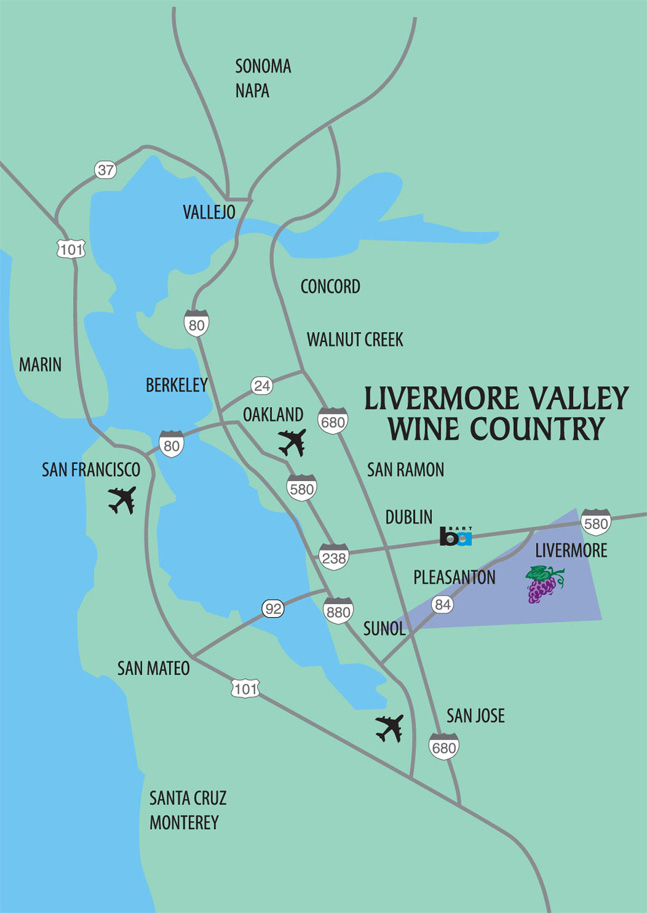
- Oakland International Airport (OAK): Approximately 30 miles west of Livermore, OAK is often the most convenient option, especially for domestic travelers. It’s a smaller, less congested airport than SFO, offering quicker transit times to Livermore via Interstate 580.
- San Francisco International Airport (SFO): Located about 45 miles west, SFO is a major international hub with extensive flight options. While slightly further, it’s a popular choice for international visitors, with direct highway access to Livermore.
- Mineta San Jose International Airport (SJC): Roughly 35 miles southwest, SJC serves Silicon Valley and offers a good alternative, particularly for those coming from other parts of the US.
Upon arrival at any of these airports, travelers can rent a car, use ride-sharing services, or connect with public transportation to reach Livermore.
Road Networks: Driving to Livermore
Driving is arguably the most common and convenient way to reach and explore Livermore, given its location and the nature of its attractions (especially the wineries). The city is well-served by major California highways.
- Interstate 580 (I-580): This major east-west freeway runs directly through Livermore, connecting it to Oakland and San Francisco to the west, and the Central Valley and Interstate 5 to the east.
- Interstate 680 (I-680): Running north-south, I-680 intersects with I-580 just west of Livermore, providing easy access from San Jose and other southern Bay Area communities.
- State Route 84 (SR-84): This scenic route runs through the Livermore Valley, offering a picturesque alternative for exploring the local wineries and rural landscapes.
Having a car allows for maximum flexibility to explore the wineries, regional parks, and surrounding towns at one’s own pace.
Public Transportation Options for Seamless Access
While driving offers the most flexibility, public transportation options are available for those who prefer not to drive or are looking for eco-friendly alternatives.
- BART (Bay Area Rapid Transit): The Dublin/Pleasanton station, the easternmost terminus of the BART system, is just a short drive or bus ride from Livermore. From here, travelers can connect to various parts of the Bay Area, including Oakland, San Francisco, and both OAK and SFO airports (with transfers).
- ACE Train (Altamont Corridor Express): The ACE Train provides commuter rail service from Stockton and the Central Valley to San Jose, with a convenient stop in Livermore. This can be an excellent option for visitors coming from the east or south.
- Wheels (Livermore-Amador Valley Transit Authority): Local bus services connect different parts of Livermore and neighboring towns like Dublin and Pleasanton, making it possible to get around without a car once in the area.
For wine tasting, many local tour companies offer shuttle services, allowing visitors to enjoy the wineries responsibly.
Why Livermore Beckons: Attractions and Experiences Await
Beyond its convenient location and accessibility, Livermore stands out as a destination because of the rich array of attractions and experiences it offers. It’s a place where every traveler can find something to love, from culinary delights to cultural immersion and family-friendly fun.
A Connoisseur’s Delight: Wine, Food, and Farmers’ Markets
Livermore’s reputation as a wine destination is well-deserved, but its culinary scene extends far beyond the glass. The city boasts a growing number of farm-to-table restaurants that highlight local produce and ingredients.
- Wine Tasting Tours: The most prominent activity, with dozens of wineries offering tastings, cellar tours, and special events. Many provide beautiful outdoor spaces for picnicking and enjoying the scenery.
- Culinary Experiences: From upscale dining to casual cafes and vibrant craft breweries, Livermore’s food scene is diverse. Many restaurants pair their dishes with local wines, creating a truly regional gastronomic experience.
- Farmers’ Markets: The downtown Livermore Farmers’ Market (seasonal) is a bustling hub where visitors can sample fresh produce, artisanal foods, and local crafts, connecting directly with the region’s agricultural bounty.
Embracing Culture and Community Events
Livermore has a vibrant cultural calendar, offering events and attractions that reflect its community spirit and artistic leanings.
- Livermore Valley Performing Arts Center: This center, comprising the Bankhead Theater and the Bothwell Arts Center, hosts a variety of performances, including concerts, theater productions, and art exhibitions, enriching the cultural landscape of the city.
- Local Festivals: Throughout the year, Livermore hosts several popular festivals, such as the Livermore Valley Wine Country Festival and the Downtown Livermore ArtWalk, which draw visitors and locals alike to celebrate the community’s offerings.
- Museums and History: The Livermore Heritage Guild Museum provides insights into the city’s past, from its early ranching days to its development as a modern scientific and agricultural hub.
Family Fun and Educational Excursions
Livermore is also a fantastic destination for families, offering a range of activities that combine fun with learning.
- Boomers Livermore: A family entertainment center featuring mini-golf, go-karts, and arcade games, providing hours of fun for all ages.
- Livermore Public Library: Offers programs and resources for children, making it a great stop for educational entertainment.
- Exploration of Natural Parks: As mentioned earlier, Sycamore Grove Park and Del Valle Regional Park offer opportunities for family hikes, picnics, and engaging with nature. These parks provide safe and beautiful environments for children to explore the outdoors.
Planning Your Journey to This California Gem
With its inviting location and diverse attractions, Livermore promises a memorable travel experience. Thoughtful planning can help maximize your enjoyment of this California gem.
Optimal Seasons for a Visit
Livermore’s climate varies throughout the year, with distinct seasons offering different advantages for visitors:
- Spring (March to May): Mild temperatures, blooming wildflowers in the hills, and fewer crowds make spring an ideal time for outdoor activities and winery visits. The vineyards are beginning to bud, offering a fresh, vibrant landscape.
- Summer (June to August): Warm to hot days are perfect for enjoying lake activities at Del Valle Regional Park and attending outdoor concerts or festivals. Evenings are generally pleasant for dining al fresco.
- Fall (September to November): This is harvest season in the Livermore Valley, making it a particularly exciting time for wine enthusiasts. The changing colors of the vineyards create a picturesque setting, and the weather remains comfortably warm.
- Winter (December to February): Cooler temperatures and occasional rain make winter a quieter season. It’s a great time for cozy winery visits, enjoying indoor attractions, and finding better deals on accommodations.
Essential Tips for a Memorable Stay
To ensure a smooth and enjoyable trip to Livermore, consider these practical tips:
- Book Accommodations in Advance: Especially during peak season (spring and fall harvest), booking hotels or guesthouses ahead of time is advisable to secure your preferred options.
- Transportation: While public transport is available, renting a car offers the most flexibility for exploring the region’s scattered wineries and parks. For wine tasting, consider a designated driver or a local tour service.
- Hydration: Livermore summers can be hot, so remember to stay hydrated, especially when spending time outdoors or wine tasting.
- Dress in Layers: Bay Area weather can be unpredictable, even in Livermore. Dressing in layers allows you to adapt comfortably to temperature fluctuations throughout the day.
- Check Event Calendars: Before your visit, check the local event calendars for the Livermore Valley and downtown Livermore to catch any festivals, concerts, or special winery events that align with your interests.
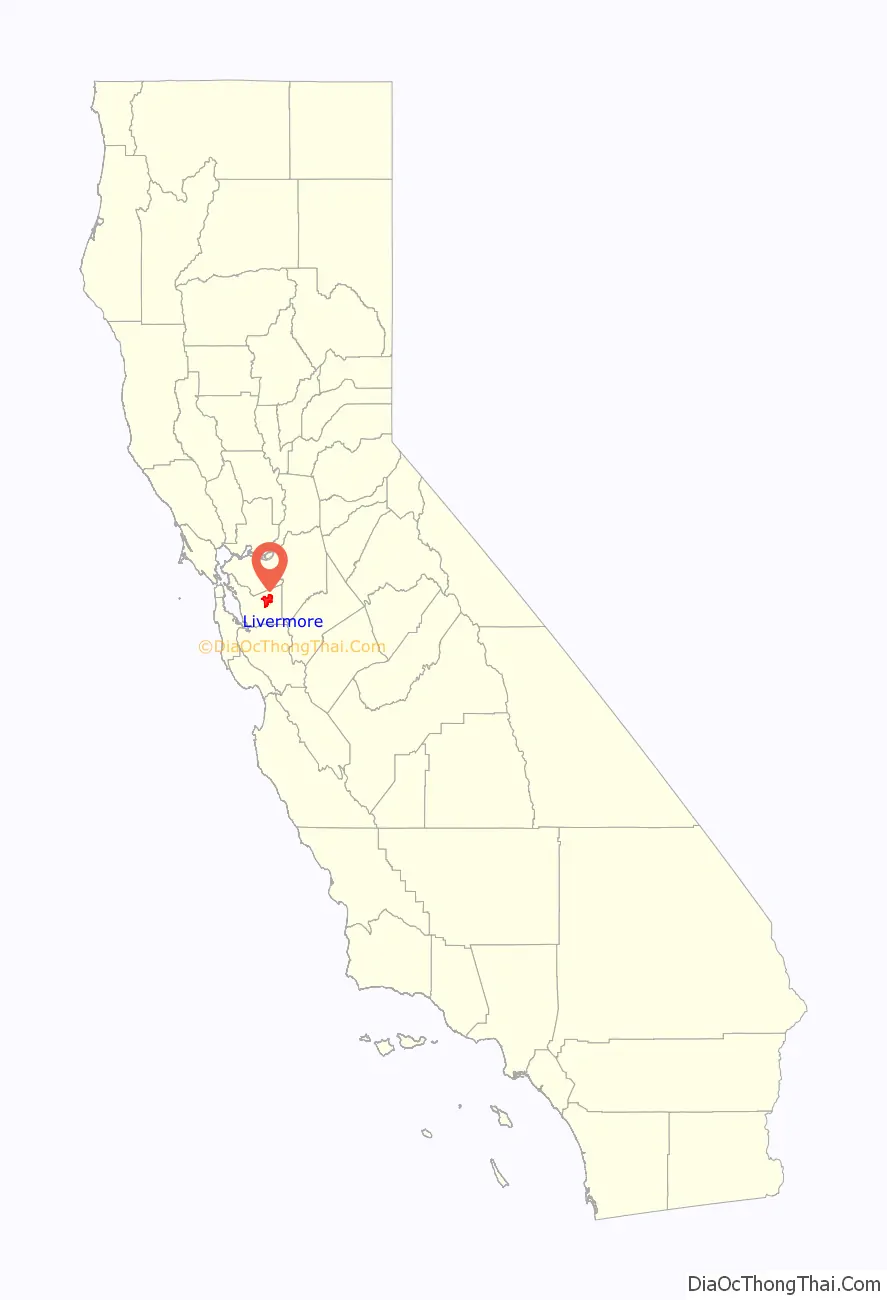
Beyond the Map: Engaging with the Local Spirit
Ultimately, Livermore is more than just its coordinates on a map; it’s a community with a distinct spirit. Engaging with locals, visiting the downtown shops, and participating in community events can offer a deeper appreciation for this hidden gem. From its pioneering past in winemaking to its current role as a hub of innovation, Livermore invites travelers to discover a different side of the Bay Area – one that harmonizes history, nature, and a welcoming atmosphere. Its location is not just geographical; it’s a gateway to rich experiences waiting to be explored.
LifeOutOfTheBox is a participant in the Amazon Services LLC Associates Program, an affiliate advertising program designed to provide a means for sites to earn advertising fees by advertising and linking to Amazon.com. Amazon, the Amazon logo, AmazonSupply, and the AmazonSupply logo are trademarks of Amazon.com, Inc. or its affiliates. As an Amazon Associate we earn affiliate commissions from qualifying purchases.