
Choosing a place to live in California is a decision that extends far beyond merely selecting a house; it’s about embracing a lifestyle, joining a community, and aligning your daily environment with your personal and professional aspirations. The Golden State, renowned for its diverse landscapes, dynamic economy, and cultural richness, offers a spectrum of residential possibilities that cater to every taste and need for long-term accommodation. From bustling urban centers to serene coastal towns and expansive agricultural lands, understanding California’s intricate mosaic of living options is the first step toward finding your ideal home. This comprehensive guide aims to navigate the complexities of settling in California, offering insights into its various regions and practical considerations for establishing a lasting residence.
Understanding California’s Diverse Living Landscapes
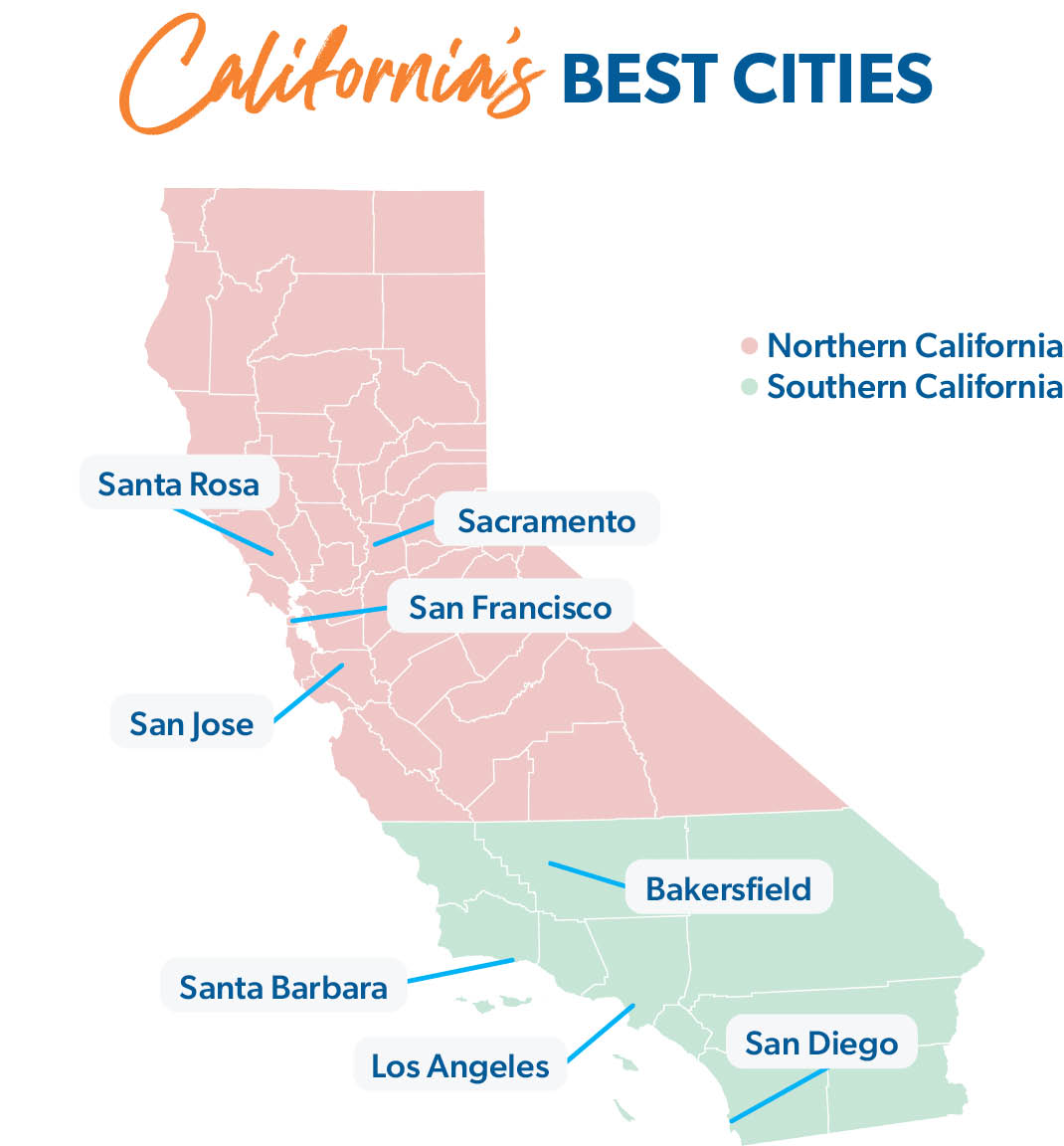
California’s geography is as varied as its population, presenting distinct living experiences across its vast expanse. Deciding where to live often begins with identifying the type of environment that resonates most with your long-term vision.
Coastal vs. Inland Living
The allure of California’s coastline is undeniable, offering stunning ocean views, a temperate climate, and a laid-back lifestyle. Cities like San Diego, Santa Barbara, and Santa Monica embody the quintessential coastal dream, providing access to beaches, water sports, and vibrant boardwalks. Living here often means embracing an outdoor-centric routine, with opportunities for surfing, cycling, and hiking year-round. However, the premium for such proximity to the Pacific generally translates into higher housing costs and a more competitive real estate market.
Moving inland, the landscape shifts dramatically, offering different advantages. Regions further from the coast, particularly in the Central Valley or the eastern parts of Southern California, typically boast more extreme temperatures but also more affordable housing options and a different pace of life. Here, you might find larger properties, closer-knit communities, and easier access to mountain ranges and national parks like Yosemite National Park or Lake Tahoe. The choice between coastal and inland living is fundamentally a trade-off between ocean proximity, climate, cost, and community feel.
Urban vs. Suburban vs. Rural Dynamics
California’s urban centers, such as Los Angeles and San Francisco, are hubs of innovation, culture, and economic activity. Living in these cities means constant access to world-class dining, arts, entertainment, and professional opportunities. The urban lifestyle is fast-paced, often characterized by apartment living, extensive public transportation, and a vibrant, diverse population. While offering unparalleled excitement and convenience, city living comes with the highest cost of living, significant traffic congestion, and smaller living spaces.
Suburban areas, exemplified by communities in Orange County or the extended Bay Area like Irvine or Pasadena, strike a balance. They offer larger homes, good schools, and a family-friendly atmosphere, often with more green spaces and a slower pace than the major metropolises. Commuting to urban job centers is common, but residents enjoy a quieter environment, better access to amenities like parks and shopping centers, and a stronger sense of community. This blend makes suburban living a popular choice for families and those seeking more space without sacrificing access to urban amenities.
Rural areas, predominant in the Central Valley, parts of Northern California, and the desert regions (such as near Death Valley National Park), provide a stark contrast. Here, life is centered around agriculture, natural beauty, and a tight-knit community feel. Housing is significantly more affordable, and properties often come with substantial land. This choice suits those seeking tranquility, self-sufficiency, and a deeper connection to nature, though it may involve longer drives for specialized services and fewer immediate job opportunities outside of specific industries.
Key Factors in Choosing Your California Home
Once you have a general idea of the type of environment you prefer, several practical factors will guide your decision on where to establish long-term accommodation.
Cost of Living and Housing Market
California is notorious for its high cost of living, particularly housing. The median home price far exceeds the national average, especially in coastal and major metropolitan areas. Cities like Los Angeles, San Francisco, and San Diego have some of the most expensive housing markets in the world. For instance, a modest home in Long Beach or Oakland can command a price that would buy a mansion in other states.
However, more affordable options exist. Cities in the Central Valley such as Fresno or Bakersfield, or inland communities like Sacramento, offer significantly lower housing costs and a more manageable cost of living while still providing access to amenities and job markets. Understanding the local housing market, including rental rates and property values, is crucial for financial planning and making an informed long-term accommodation decision.
Job Opportunities and Economic Hubs
California’s economy is one of the largest and most diverse globally, driven by technology, entertainment, agriculture, and tourism. Your professional field will heavily influence which regions offer the best opportunities for long-term employment. Silicon Valley, encompassing cities like San Jose and Berkeley, remains the epicenter for tech innovation. Los Angeles is the global capital for entertainment and media. The Central Valley, with cities like Fresno, thrives on agriculture, while Sacramento serves as the state capital and a hub for government jobs.
Evaluating the local job market in your chosen field is paramount. Proximity to economic hubs can significantly impact career growth and stability, making a city or region more attractive for long-term residency even if it comes with a higher cost of living.
Education and Family Amenities
For families, the quality of local schools and the availability of child-friendly amenities are often top priorities. California boasts some of the nation’s best public and private schools, particularly in well-regarded suburban communities. Researching school district ratings, access to parks, recreational programs, and healthcare facilities is vital. Communities designed with families in mind, often found in the suburbs, typically offer a safer environment, more space, and a network of family-focused activities. Access to higher education institutions, such as the University of California and California State University systems, can also be a significant draw for long-term residents.
Exploring Top Regions for Long-Term Stay
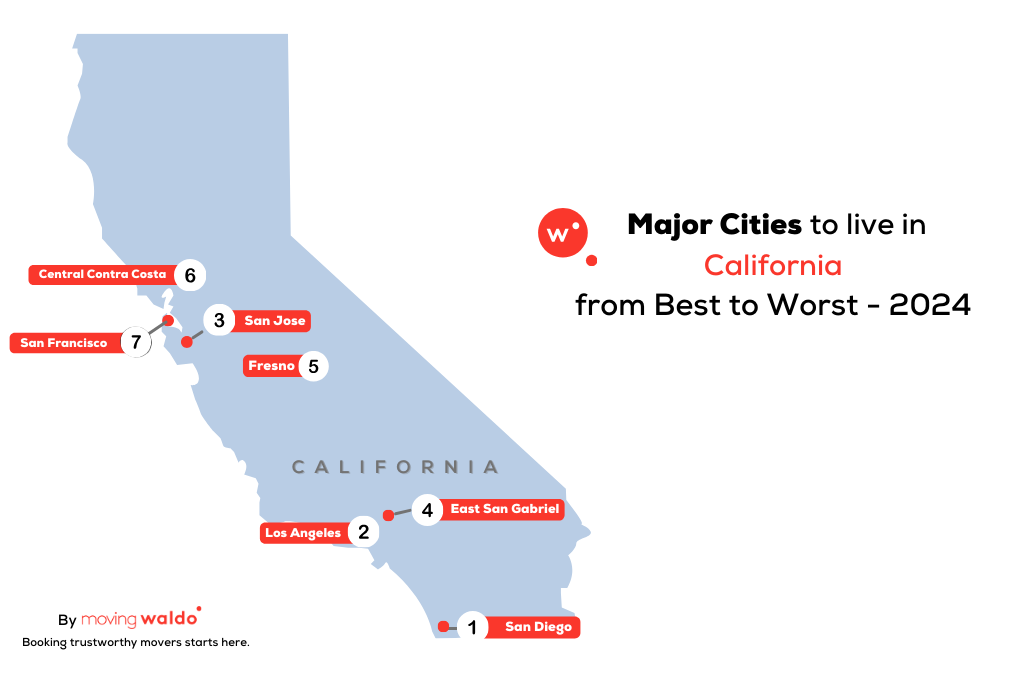
California can be broadly divided into distinct regions, each with its unique character and appeal for long-term residents.
Southern California: Beaches, Cities, and Sunshine
Southern California is synonymous with sunshine, iconic beaches, and sprawling urban centers. Beyond Los Angeles and San Diego, this region includes the affluence of Orange County, the scenic beauty of Santa Barbara, and the vibrant arts scene of Long Beach. It offers an active lifestyle, diverse culinary experiences, and world-class attractions like Disneyland Park and the Griffith Observatory. While highly desirable, the region is characterized by high living costs and significant traffic congestion. However, its economic dynamism, cultural richness, and perpetual pleasant weather make it an attractive option for many.
Northern California: Innovation, Nature, and Culture
Northern California offers a cooler climate and a blend of high-tech innovation and breathtaking natural beauty. The Bay Area, anchored by San Francisco, is a global tech powerhouse and a hub of progressive culture, home to the iconic Golden Gate Bridge. Beyond the urban core, the region is famed for the wine countries of Napa Valley and Sonoma County, majestic redwood forests, and the dramatic Sierra Nevada mountains. Living here means access to unparalleled outdoor recreation, a thriving intellectual scene, and robust job opportunities, particularly in tech and biotech. However, like its southern counterpart, it presents a very high cost of living.
Central Valley: Affordability and Agriculture
Often overlooked, California’s Central Valley is the state’s agricultural heartland, a vast, fertile plain stretching hundreds of miles. Cities like Sacramento, Fresno, and Bakersfield offer a more affordable cost of living compared to the coastal regions, making them attractive for those seeking more spacious homes and a slower pace of life. The economy here is heavily reliant on agriculture, but also includes government and logistics. While lacking the immediate coastal access, the Central Valley provides a gateway to national parks and outdoor recreation, offering a distinct sense of community and a different perspective on California living.
Navigating the California Housing Market
Regardless of your chosen region, understanding the nuances of the California housing market is essential for securing long-term accommodation.
Renting vs. Buying Considerations
The decision to rent or buy is significant in California. Renting offers flexibility, especially for those new to the state or uncertain about their long-term plans. However, rental prices are high and constantly rising in popular areas. Buying a home in California often requires a substantial financial commitment due to high property values. While it offers equity building and potential appreciation, it demands a significant down payment and involves high property taxes. For many, renting is a more accessible entry point into California living, allowing time to save and explore different neighborhoods before committing to a purchase.
Neighborhood Selection and Community Vibe
Beyond the city or region, the specific neighborhood you choose will profoundly impact your daily life. Each neighborhood has its unique character, amenities, and community vibe. Researching local crime rates, school performance, walkability, access to public transport, proximity to parks, and local businesses is crucial. Visiting prospective neighborhoods at different times of day can offer a real sense of what living there would be like. Engaging with local online forums or community groups can also provide invaluable insights into the social fabric and daily rhythms of an area, ensuring it aligns with your long-term lifestyle and accommodation preferences.
Making Your Move: Practical Considerations
The journey to establish a long-term residence in California involves more than just finding a house; it includes a range of practical and administrative steps.
Legal and Administrative Aspects
Moving to California requires attention to various legal and administrative details. This includes registering your vehicle, obtaining a California driver’s license, and understanding state-specific tax laws. If you are moving from out of state, there might be particular requirements for transferring professional licenses or certifications. Familiarizing yourself with tenant rights if renting, or property laws if buying, is also critical. Utilizing state resources and official government websites can simplify these processes and ensure a smooth transition.

Settling In and Building Community
Once you’ve found your long-term accommodation, the next step is to integrate into your new community. California’s diverse population means there’s a community for almost everyone. Participating in local events, joining clubs or organizations that align with your interests, and volunteering are excellent ways to meet new people and build a support network. Embracing the local culture, whether it’s the coffee shop scene in Berkeley or the outdoor adventuring in Fresno, will enhance your living experience and help you truly make California your home.
Ultimately, choosing where to live in California is a deeply personal journey, influenced by a myriad of factors from financial realities to lifestyle aspirations. By carefully considering the state’s diverse landscapes, understanding key decision-making factors, and navigating the practicalities of settling in, you can find the perfect long-term accommodation that allows you to thrive in the Golden State.
LifeOutOfTheBox is a participant in the Amazon Services LLC Associates Program, an affiliate advertising program designed to provide a means for sites to earn advertising fees by advertising and linking to Amazon.com. Amazon, the Amazon logo, AmazonSupply, and the AmazonSupply logo are trademarks of Amazon.com, Inc. or its affiliates. As an Amazon Associate we earn affiliate commissions from qualifying purchases.