
The allure of California is undeniable. From its sun-kissed beaches along the Pacific Ocean to the majestic peaks of the Sierra Nevada mountains, the Golden State offers a lifestyle coveted by many. It’s a land of innovation, entertainment, and natural beauty, drawing dreamers, entrepreneurs, and families alike. However, this dream often comes with a formidable price tag, particularly when it comes to securing long-term accommodation. The question of why homes in California are so expensive is a complex one, weaving together threads of economics, geography, policy, and human desire. Understanding these intricate factors is crucial for anyone considering making this vibrant state their home, whether through purchase or long-term rental. This deep dive will explore the multifaceted reasons behind California’s notorious housing costs, framed within the broader context of long-term accommodation challenges and opportunities.
The Golden State’s Irresistible Allure and Economic Magnetism
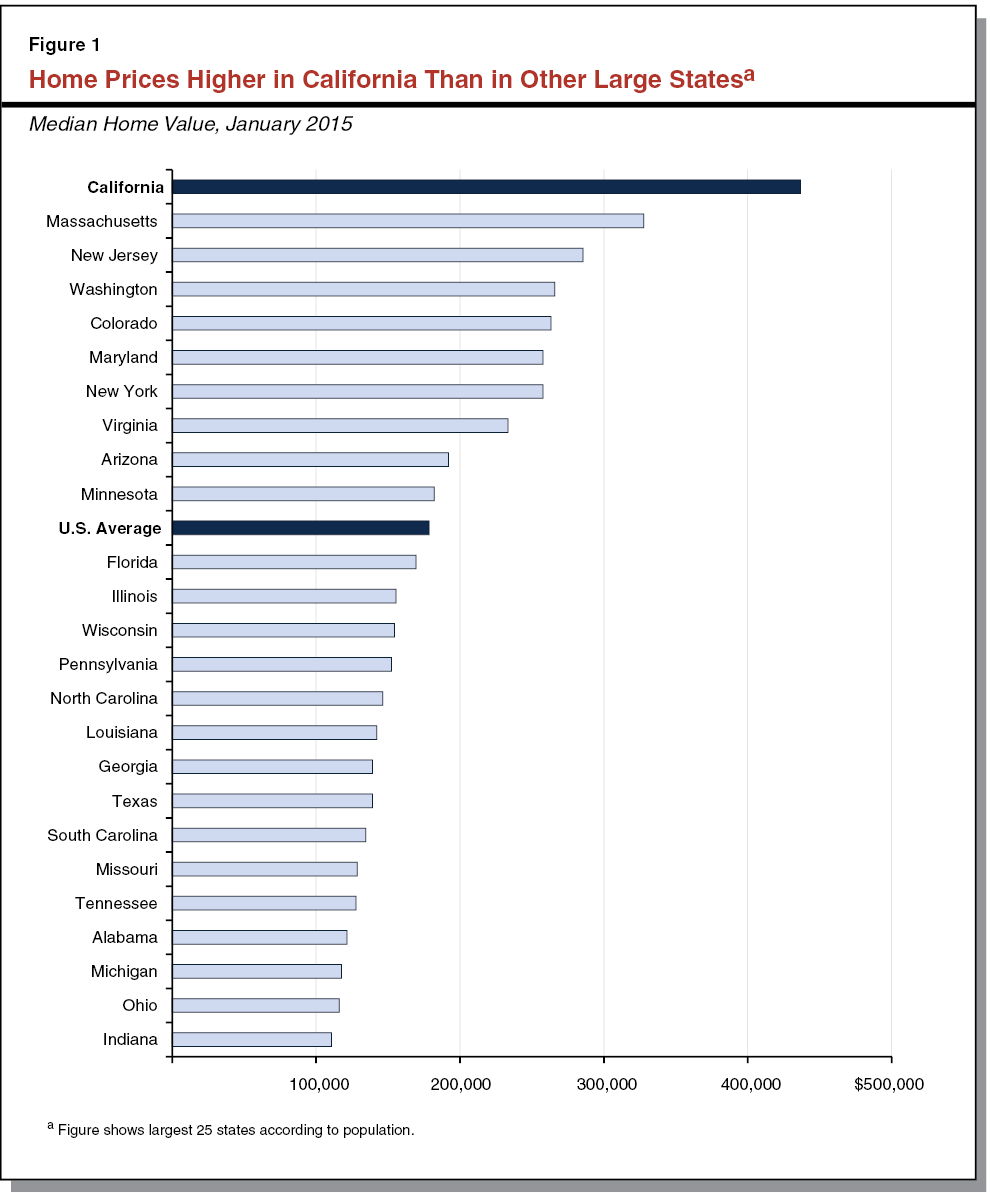
At the heart of California’s expensive housing market lies an insatiable demand driven by its unique appeal and robust economy. The state consistently ranks as one of the most desirable places to live globally, creating a powerful market force.
Desirability and Lifestyle Appeal
California offers an unparalleled quality of life that attracts a diverse population. The state boasts a remarkably diverse climate, allowing residents to enjoy surfing in the morning and skiing in the afternoon. Its cultural landscape is equally rich, with world-renowned institutions, a thriving arts scene, and a forward-thinking progressive ethos. Cities like Los Angeles epitomize the glamour of Hollywood, while regions like Napa Valley offer serene vineyard escapes. This potent combination of natural beauty, cultural vibrancy, and aspirational living creates a magnetic pull, ensuring a constant stream of individuals seeking to establish roots here. This sustained interest transforms available residential properties into highly sought-after assets, naturally driving up their value as long-term accommodation options. The desire to simply be in California is a foundational element of its high housing costs.
Economic Powerhouse and Job Growth
Beyond lifestyle, California is an economic juggernaut. It hosts the fifth-largest economy in the world, fueled by innovation, technology, entertainment, and agriculture. The Silicon Valley region, encompassing cities like San Francisco and San Jose, is the global epicenter of technological advancement, creating high-paying jobs that draw talent from across the globe. Similarly, Los Angeles dominates the entertainment industry, while San Diego is a hub for biotechnology and military operations. This concentrated economic activity translates into robust job growth and a high median income, particularly in tech and professional sectors. The influx of affluent individuals seeking long-term accommodation in proximity to these job centers significantly inflates demand, allowing property owners to command premium prices for homes and rental units. The more people who can afford to live well, the higher the baseline cost of securing a place to live.
Supply-Side Constraints and Regulatory Hurdles
While demand is a major driver, the limited supply of housing in California acts as an equally powerful upward force on prices. This scarcity is a direct consequence of both geographical realities and stringent regulatory environments.
Geographic Limitations
California’s stunning geography, ironically, is a significant contributor to its housing crunch. Much of the state’s most desirable land for residential development is constrained by natural barriers. The extensive coastline leaves limited space for expansion towards the Pacific Ocean. Inland, mountain ranges like the Sierra Nevada and vast deserts further restrict developable acreage, particularly near major urban centers. Even within cities, the sprawling nature of existing infrastructure, coupled with the need to preserve open spaces and agricultural lands, limits the availability of new plots for construction. This geographical scarcity means that land itself is an incredibly valuable commodity, directly impacting the cost of any long-term accommodation built upon it. When land is finite and desirable, its price will naturally skyrocket.
Stringent Zoning and Environmental Regulations
Beyond natural constraints, California’s regulatory landscape presents considerable barriers to new housing development. Local zoning laws, often influenced by existing homeowners keen to preserve neighborhood character and property values, frequently restrict density, favoring single-family homes over multi-unit dwellings. This often means that even if land is available, it cannot be developed in a way that maximizes housing units, such as building apartments or townhouses. Furthermore, the state’s commendable commitment to environmental protection leads to rigorous regulations concerning land use, construction permits, and environmental impact assessments. While essential for sustainability, these regulations add significant time, complexity, and cost to development projects. The cumulative effect is a sluggish rate of new housing construction that consistently lags behind population growth and demand, creating a chronic shortage of long-term accommodation options.
Escalating Construction Costs

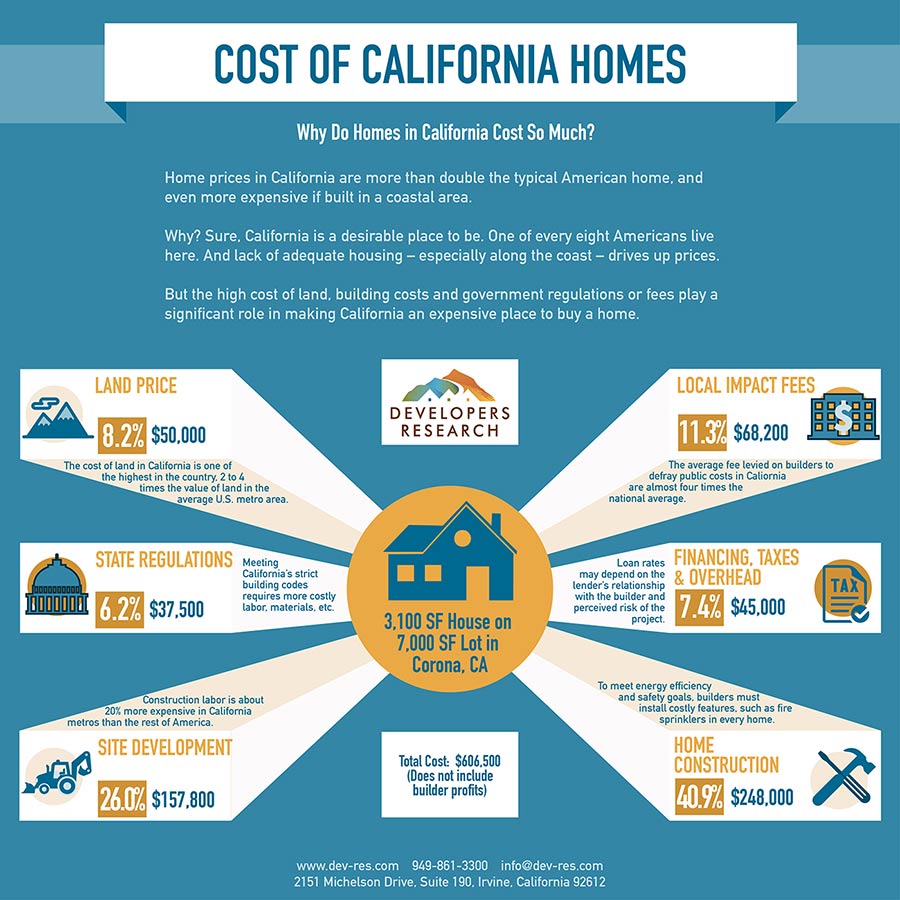
The cost of building new residential properties in California is among the highest in the nation. This is attributed to several factors, including expensive land, high labor costs (driven by prevailing wage requirements and a competitive construction market), and the aforementioned regulatory hurdles that necessitate specialized permits and extensive compliance measures. Materials, transportation, and impact fees further inflate expenses. Developers, needing to recoup these significant investments, must price new homes and long-term rental units accordingly. This high cost of entry for new construction indirectly elevates the value of existing properties, as they represent an alternative to the even more expensive newly built accommodation. Consequently, even older homes maintain high market values due to the prohibitive cost of replacing them.
The Impact of High-Income Industries and Investment
California’s economic success, particularly in the tech sector, has profoundly impacted its housing market, creating a unique dynamic of wealth concentration and investment interest.
Tech Boom and Income Disparity
The phenomenal growth of the technology industry, particularly in the Bay Area, has injected unprecedented wealth into California’s economy. Companies like Apple, Google, and Meta pay exceptionally high salaries, allowing a segment of the population to afford housing prices that are out of reach for many others. This creates a significant income disparity, where the housing market essentially caters to the highest bidders. As tech workers, or those in other high-earning professions, compete for desirable long-term accommodation, prices are pushed upwards across the board, making it increasingly difficult for middle- and lower-income residents to find affordable housing. Even cities like Sacramento, once considered more affordable, have seen significant price increases as remote work allows tech employees to move further afield while retaining their high salaries.
Influx of Wealth and Investment
California’s desirable properties are not just seen as homes but also as lucrative investments. Both domestic and international investors are drawn to the state’s stable economy, appreciating property values, and robust rental market. Purchasing residential units, whether single-family homes or apartment buildings, provides a relatively safe and often profitable avenue for capital growth. This investor interest further reduces the supply of homes available for traditional owner-occupiers and pushes up rental prices. While contributing to the state’s economic vitality, this influx of investment capital often exacerbates the affordability crisis for those seeking permanent long-term accommodation, as they are competing with entities motivated purely by financial returns.
The Ripple Effect on Long-Term Accommodation and Liveability
The confluence of high demand, limited supply, and concentrated wealth has created a housing crisis in California that impacts every facet of long-term accommodation and liveability.
Affordability Crisis for Residents
The most immediate and devastating consequence of expensive housing is the severe affordability crisis it creates for a vast segment of California’s population. Many essential workers, teachers, nurses, and service industry employees, despite earning decent wages, struggle to afford a home or even a stable long-term rental in the communities where they work. This forces them into long commutes, overcrowded living situations, or out of the state entirely. The dream of homeownership, a cornerstone of long-term financial security and accommodation, remains elusive for millions, leading to widespread economic stress and a decline in the overall quality of life for many residents. This problem is particularly acute in major metropolitan areas like Los Angeles and San Francisco.
Challenges for Newcomers and Workforce Retention
The high cost of long-term accommodation also poses a significant challenge for newcomers and for businesses trying to retain their workforce. Companies in California, particularly those outside of the highest-paying tech sector, find it increasingly difficult to attract and retain talent when potential employees cannot afford to live within a reasonable distance of their workplace. The state risks losing its competitive edge if the cost of living becomes prohibitive for all but the wealthiest individuals. For individuals and families hoping to move to California for new opportunities, the sheer expense of securing a place to live often proves to be an insurmountable barrier, preventing them from contributing to the state’s dynamic economy and cultural tapestry.
The Future of California’s Housing
Addressing California’s housing conundrum requires a multi-pronged approach. Policy initiatives aimed at increasing housing density, streamlining development regulations, and investing in affordable housing programs are critical. Changes in zoning laws to allow for more multi-family units, especially near transit hubs, could help alleviate some pressure. Furthermore, state-level mandates that override local resistance to development may be necessary to accelerate construction. Without significant policy changes and a sustained commitment to creating more diverse and accessible long-term accommodation options, the dream of living in the Golden State will remain an increasingly distant and expensive reality for many, impacting its long-term social and economic vitality. The question is not just why homes are expensive, but what California will do to ensure that its iconic lifestyle remains accessible.
LifeOutOfTheBox is a participant in the Amazon Services LLC Associates Program, an affiliate advertising program designed to provide a means for sites to earn advertising fees by advertising and linking to Amazon.com. Amazon, the Amazon logo, AmazonSupply, and the AmazonSupply logo are trademarks of Amazon.com, Inc. or its affiliates. As an Amazon Associate we earn affiliate commissions from qualifying purchases.