
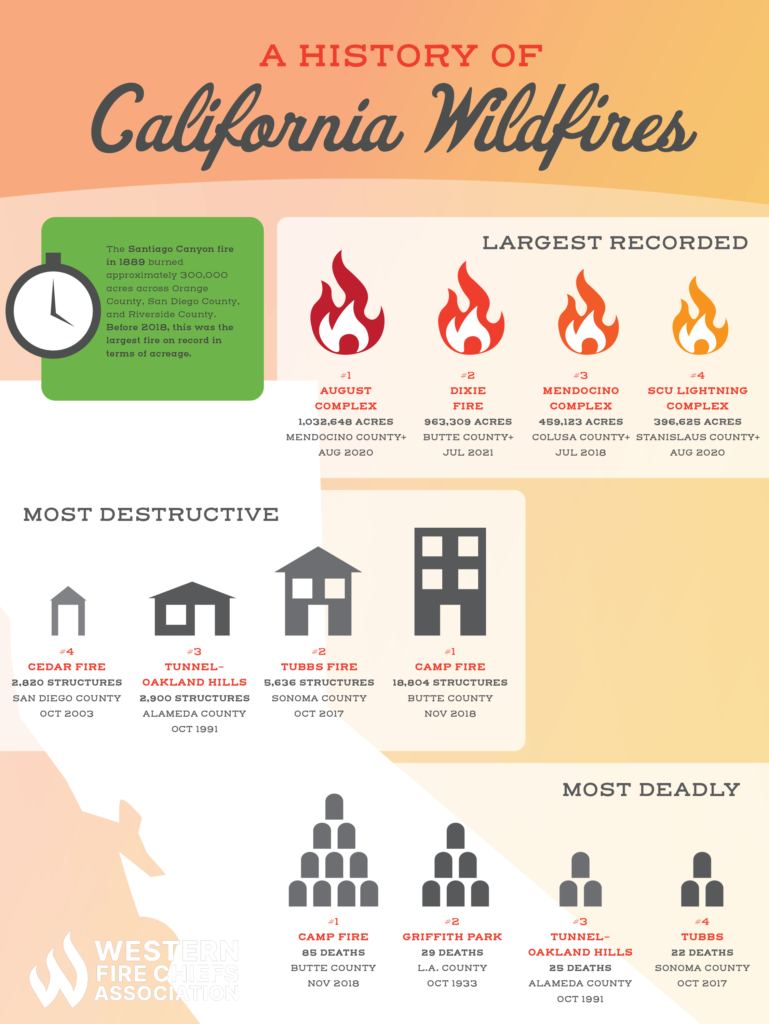
California, a land renowned for its breathtaking natural beauty, iconic landmarks, and vibrant cities, also faces a recurring and devastating challenge: wildfires. Each year, headlines blare with news of sprawling infernos, smoke-choked skies, and communities ravaged by flames. Understanding why these fires ignite and spread with such ferocity is a complex undertaking, requiring an examination of the state’s unique climate, geography, human activity, and the overarching influence of a changing global climate. This exploration delves into the intricate web of factors that transform California‘s pristine natural landscapes into volatile tinderboxes, impacting its diverse ecosystems and the very fabric of its existence.
The Arid Embrace: California’s Predisposing Climate and Geography
The intrinsic characteristics of California‘s environment create a landscape inherently susceptible to fire. It’s a delicate balance of natural elements that, under certain conditions, can turn catastrophic.
A Mediterranean Climate’s Double Edge
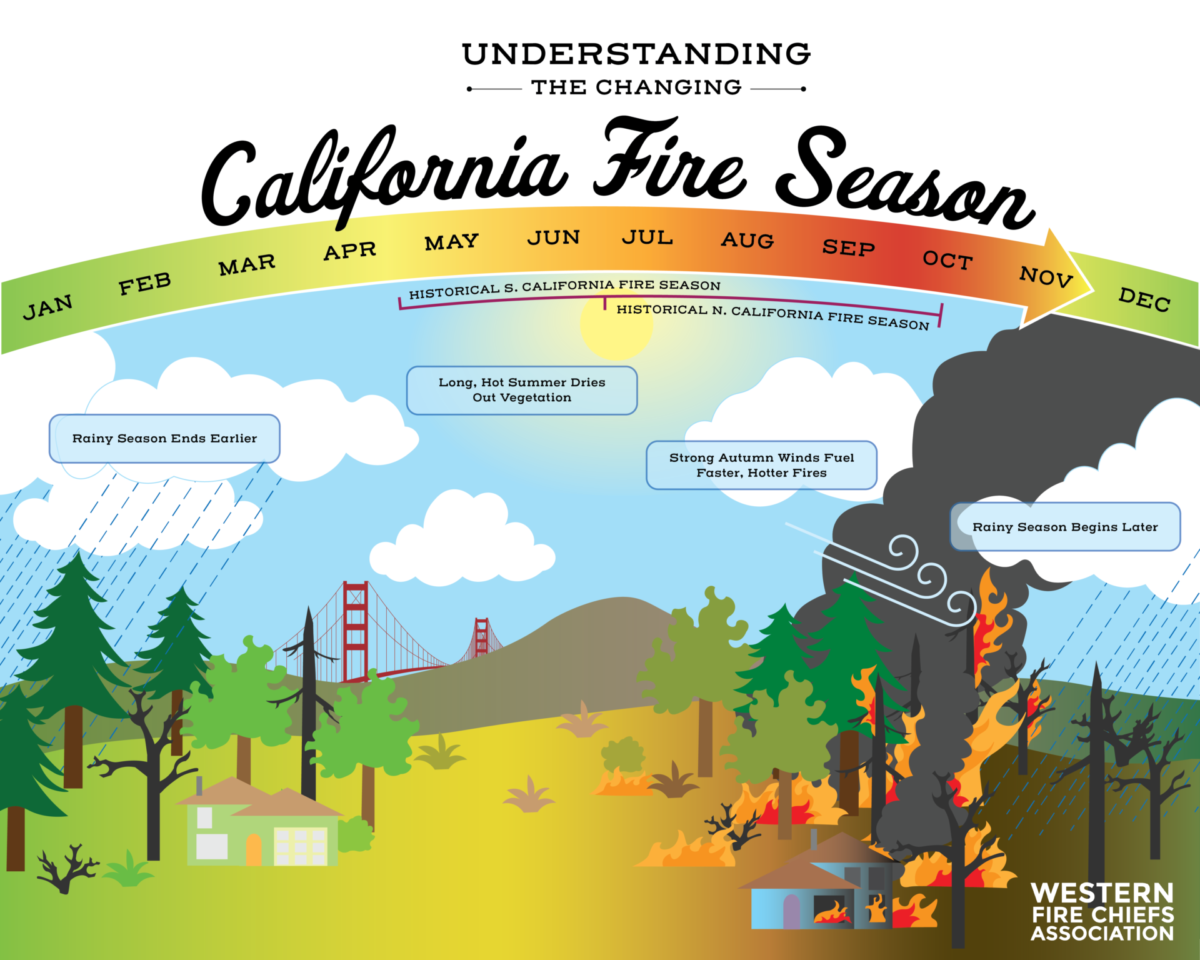
California’s defining feature is its Mediterranean climate, characterized by warm to hot, dry summers and mild, wet winters. This seasonal pattern is a primary driver of fire risk. The winter rains stimulate lush vegetation growth, particularly grasses and underbrush. However, as the long summer months stretch into autumn, this verdant growth rapidly dries out, transforming into highly flammable fuel. Regions like Southern California and the expansive Central Valley experience prolonged periods of aridity, exacerbated by weeks or even months without significant rainfall, setting the stage for widespread combustion. This cyclical drying process is a natural part of the ecosystem, but it is also the fundamental precursor to fire season.
Topography as a Conductor
The varied and dramatic topography of California plays a critical role in both the ignition and spread of wildfires. The state is crisscrossed by numerous mountain ranges, including the majestic Sierra Nevada and the rugged Coast Ranges. These geographical features act as natural chimneys, funneling winds and accelerating fire progression. Steep slopes allow flames to move uphill at alarming speeds, and radiant heat can pre-heat fuels higher up, leading to rapid crown fires that consume the entire tree canopy. Canyons and narrow valleys can also become fire traps, intensifying heat and channeling dangerous gusts. The sheer diversity of elevation and landscape ensures that different regions face distinct, yet equally severe, topographical fire challenges, from the chaparral-covered hillsides of Malibu to the dense forests of the northern counties.
Fueling the Inferno: Vegetation Types
The types of vegetation native to California are perfectly adapted to its climate, but many are also highly flammable. Chaparral, a dense scrubland found predominantly in Southern California, is infamous for its oil-rich leaves and tightly packed growth, creating a formidable fuel source that burns intensely. Conifer forests in the higher elevations, particularly vast tracts within the Sierra Nevada, are laden with deadfall, pine needles, and understory brush, which, when dry, ignite easily and sustain massive fires. Even the grasslands and oak woodlands contribute significantly, providing fast-burning fuels that can quickly carry flames into more substantial vegetation. For millennia, these ecosystems have evolved with fire, some even requiring it for seed germination, but the scale and intensity of modern fires far exceed natural cycles.
The Human Element: Igniting the Landscape
While California‘s natural environment provides the perfect conditions for wildfires, human activity is overwhelmingly responsible for their ignition. The vast majority of fires are started by people, either intentionally or through negligence, leading to devastating consequences for both natural landmarks and communities.
Accidental Ignitions
Human carelessness and faulty infrastructure are leading causes of accidental ignitions. Downed power lines, often caused by high winds or aging equipment, spark fires when they make contact with dry vegetation. Vehicle sparks from catalytic converters or dragging trailer chains can easily ignite roadside grasses. Campfires left unattended, discarded cigarettes, and even sparks from machinery like grinders or welders are frequent culprits. As California‘s population grows and development encroaches further into wildland areas, the chances of such accidental ignitions increase dramatically. The impact of these fires is particularly pronounced in remote areas surrounding natural landmarks, where response times might be longer and infrastructure more vulnerable.
Arson and Negligence
Beyond accidental starts, intentional acts of arson also contribute to the wildfire crisis. While a smaller percentage of fires, arson fires can be among the most destructive, often ignited in multiple locations or during peak fire conditions to maximize damage. Furthermore, general human negligence, even without malicious intent, plays a significant role. Fireworks, debris burning during windy conditions, and even poorly maintained electrical systems in homes bordering wildlands can all act as ignition sources, underscoring the collective responsibility in fire prevention.
Urban-Wildland Interface (WUI)

The expansion of human habitation into areas previously considered wilderness has created what is known as the Urban-Wildland Interface (WUI). This convergence point where homes and communities mingle with wildland vegetation significantly increases fire risk and consequence. Not only does it introduce more potential ignition sources, but it also places homes and lives directly in the path of wildfires, increasing the complexity and danger of firefighting efforts. Communities in the WUI, such as those near Sonoma County and Napa County in the Wine Country, face perpetual threats, often requiring mass evacuations and the destruction of properties as flames sweep through natural areas.
A Warming World: Climate Change’s Amplifying Role
Climate change is not a direct cause of every fire, but it acts as a powerful amplifier, exacerbating almost every factor that contributes to California‘s wildfire crisis. It’s altering the fundamental dynamics of the state’s natural environment.
Prolonged Droughts and Extreme Heat
One of the most profound impacts of climate change on California is the intensification and prolongation of droughts. Warmer temperatures lead to increased evaporation from reservoirs and soils, reducing water availability. This, combined with inconsistent rainfall patterns, means that vegetation dries out earlier in the season and remains critically dry for longer periods. Extreme heat waves, occurring with greater frequency and intensity, further desiccate forests and brush, turning them into highly combustible fuel. This creates a longer and more severe fire season, making natural landmarks like forests and wildlands more vulnerable for extended durations each year.
Shifting Weather Patterns and Wind Events
Climate change is also influencing atmospheric conditions, potentially altering the frequency and intensity of critical wind events. California is notorious for its dry, hot, offshore winds like the Santa Ana winds in the south and the Diablo winds in the north. These winds originate from high-pressure systems inland, picking up speed and heat as they descend towards the coast, effectively blowing embers and fanning flames across vast distances at incredible speeds. A warming climate can create conditions more conducive to these extreme wind events, transforming small ignitions into unstoppable infernos, rapidly consuming any natural or developed landscape in their path.
Insect Infestations and Tree Mortality
The combination of prolonged drought and warmer temperatures severely stresses California’s forests, particularly in the Sierra Nevada. Weakened trees become highly susceptible to insect infestations, most notably bark beetles. These beetles thrive in drought-stressed conditions and can decimate vast stands of trees. The result is millions of dead trees across the state, towering stacks of bone-dry fuel that are highly flammable and capable of generating incredibly intense fires. This cycle of drought, insect infestation, and tree mortality creates a feedback loop that further fuels the wildfire crisis, transforming once-vibrant forest landmarks into massive potential fuel loads.
The Management Paradox: Land Use and Suppression Challenges
Beyond climate and immediate ignition sources, the historical and ongoing management of California‘s natural landscapes also plays a significant, albeit often debated, role in the scale and intensity of contemporary wildfires.
Decades of Fire Suppression
For much of the 20th century, the dominant wildfire management strategy in California and across the United States was aggressive fire suppression. The philosophy was to extinguish every fire as quickly as possible. While this approach protected lives and property in the short term, it inadvertently led to an unnatural accumulation of fuel in forests and wildlands that historically experienced frequent, low-intensity fires. Without natural clearings, the understory became dense, and dead vegetation piled up, setting the stage for fewer but far more catastrophic fires when they eventually ignited. This long-term impact is evident in many of California‘s most cherished natural landmarks, which now face unprecedented fuel loads.
Forest Health and Prescribed Burns
Recognizing the consequences of past policies, current fire management strategies are shifting towards restoring forest health through active management. This includes mechanical thinning to remove excess undergrowth and smaller trees, and the reintroduction of prescribed burns (controlled, intentionally set fires). Prescribed burns mimic natural fire cycles, clearing out accumulated fuels and promoting the health of fire-adapted ecosystems. While highly effective, these efforts face significant logistical, regulatory, and social challenges, including concerns about air quality and public perception, making it difficult to implement on the scale needed across California‘s vast and complex natural landscapes.
Policy and Resource Allocation
Effectively tackling California‘s wildfire crisis also hinges on robust policy and adequate resource allocation. This involves funding for fire prevention programs, investing in resilient infrastructure (e.g., undergrounding power lines), supporting scientific research into fire behavior, and allocating sufficient resources for firefighting agencies. The sheer scale of the challenge, spanning millions of acres of diverse terrain, from urban edges to remote natural landmarks, demands a comprehensive, multi-agency, and well-funded approach. Balancing the needs of prevention, response, and post-fire recovery across such a vast and populous state remains an ongoing policy and logistical hurdle.
California‘s wildfires are not the result of a single cause but a confluence of interconnected factors. The state’s inherent environmental characteristics – its unique climate, rugged topography, and flammable vegetation – create a natural predisposition. This vulnerability is then exploited by human activity, which is the ignition source for the vast majority of fires. Overlaying all of this is the amplifying effect of climate change, which intensifies droughts, raises temperatures, and alters weather patterns, making conditions ripe for larger, more frequent, and more destructive fires. Finally, historical and contemporary land management practices, while evolving, present their own set of challenges. Protecting California‘s invaluable natural landmarks, its communities, and its future requires a holistic understanding of these multifaceted causes and a sustained, multi-pronged effort towards mitigation, prevention, and adaptation.
LifeOutOfTheBox is a participant in the Amazon Services LLC Associates Program, an affiliate advertising program designed to provide a means for sites to earn advertising fees by advertising and linking to Amazon.com. Amazon, the Amazon logo, AmazonSupply, and the AmazonSupply logo are trademarks of Amazon.com, Inc. or its affiliates. As an Amazon Associate we earn affiliate commissions from qualifying purchases.