
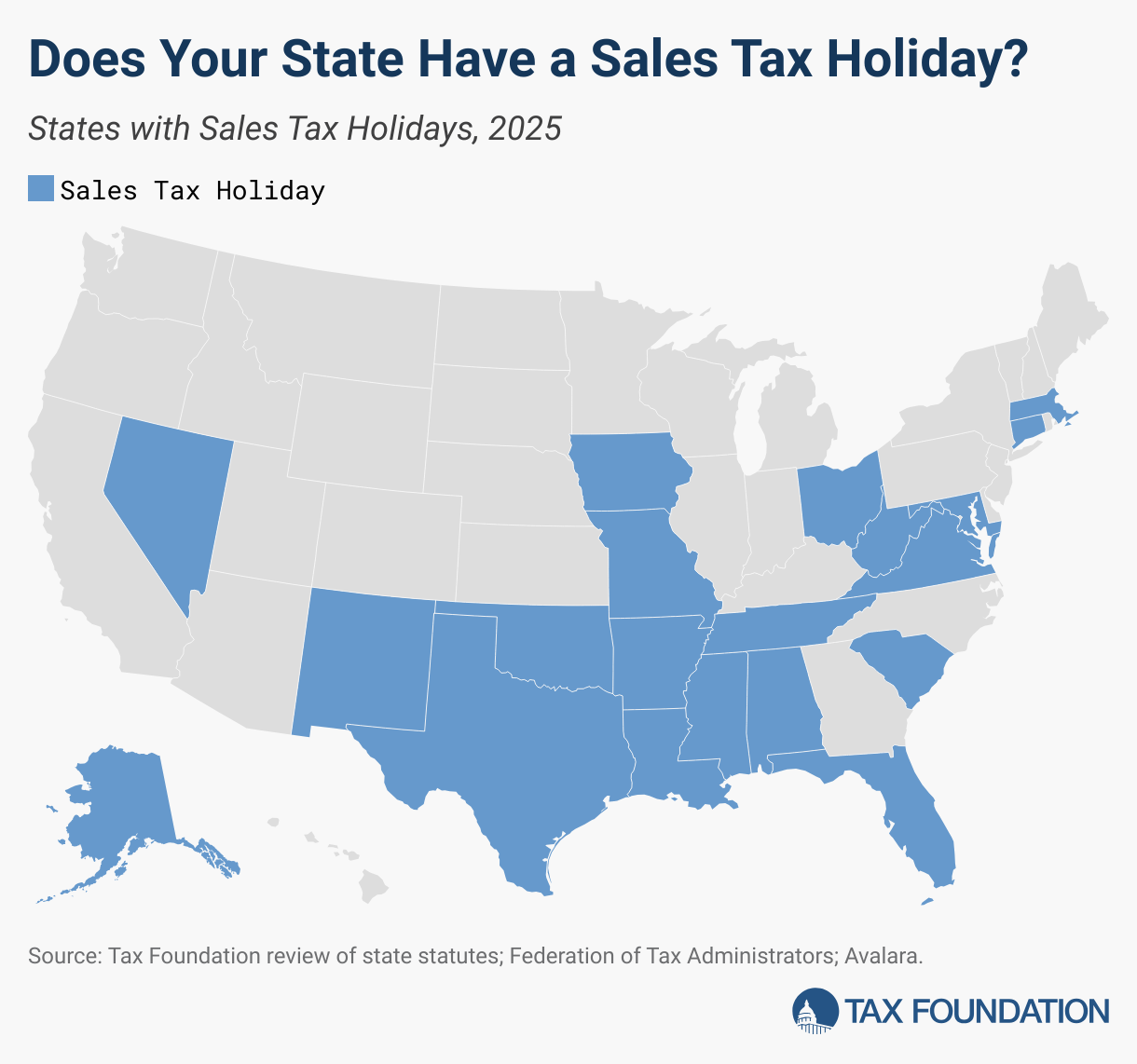
For many budget-conscious travelers and shoppers, the allure of a tax-free weekend is undeniable. These special events, often coordinated by state governments, offer a brief respite from sales taxes on certain categories of goods, making them prime opportunities for significant savings. When planning a trip or a major shopping excursion to a vibrant metropolis like Chicago, it’s natural to wonder if such money-saving opportunities exist. The question, “Does Chicago have tax-free weekend?”, is a common one, reflecting a broader interest in optimizing travel and purchasing power. Unfortunately for eager shoppers, the short answer is generally no; Chicago and the state of Illinois do not regularly host a broad tax-free weekend for general merchandise as seen in some other U.S. states. However, delving into the intricacies of sales tax in the region, understanding past policy shifts, and exploring alternative savings strategies can still provide valuable insights for anyone looking to make their dollars go further in the Windy City. This article will unpack the sales tax structure in Illinois and Chicago, discuss the reality of tax holidays, and offer practical advice for maximizing value and managing expenses during your visit, ensuring a fulfilling experience regardless of tax policies.
Understanding Sales Tax in Chicago and Illinois
Navigating the landscape of sales tax can be complex, especially when local and state levies combine. In Chicago, the sales tax rate is among the highest in the nation, a significant factor for anyone planning major purchases or simply budgeting for everyday expenses. Understanding how these taxes are structured is crucial for both residents and visitors alike.
Illinois State Sales Tax
At the foundational level, the state of Illinois imposes a state sales tax. This tax applies to the retail sale of tangible personal property. While the base rate is set by the state legislature, the final amount consumers pay is often higher due to additional local taxes. The state portion funds various essential services and programs across Illinois. Historically, there have been discussions and occasional temporary adjustments to this rate, but a consistent, annual general sales tax holiday has not been a standard feature of Illinois tax policy. This differs from states that regularly offer tax-free weekends, often timed with back-to-school shopping seasons, providing exemptions for clothing, school supplies, and sometimes even computers. In Illinois, any form of tax relief is typically more targeted and less frequent, requiring specific legislative action for each instance. This means that for the vast majority of purchases made in the state, the state sales tax component will be a consistent addition to the price tag, requiring shoppers to factor it into their budgets without the expectation of periodic waivers.
Chicago’s Additional Sales Tax Components
Beyond the state’s baseline, Chicago adds several layers of local taxes that elevate the overall sales tax rate considerably. These additional components include county sales tax (for Cook County), city sales tax, and various special district taxes, such as those for public transit. As a result, the combined sales tax rate in Chicago typically hovers around 10.25%. This rate applies to most retail purchases, from clothing and electronics to household goods. For perspective, this makes Chicago one of the cities with the highest sales tax rates in the United States. This substantial tax burden can significantly impact the final cost of larger purchases or even add up considerably over a vacation filled with souvenir shopping or daily necessities. For instance, a $100 purchase will incur over $10 in sales tax, making budget planning an even more critical aspect of visiting or living in Chicago. While these taxes fund vital city and county services, from maintaining infrastructure to supporting public education and transportation, their cumulative effect means that consumers pay a premium on nearly every taxable transaction within the city limits. This context underscores why the absence of tax-free weekends is particularly noticeable for shoppers in Chicago.
Different Tax Rates for Different Goods
It’s also important to note that not all goods and services are taxed at the same rate in Illinois and Chicago. While general merchandise faces the combined city, county, and state sales tax, certain categories are treated differently. For example, qualifying food items, drugs, and medical appliances are taxed at a lower state-only rate, significantly reducing the overall cost for essential goods. This distinction is particularly relevant for residents and long-term visitors, who spend a greater portion of their budget on groceries and pharmaceutical needs. However, prepared food, such as meals from restaurants, typically falls under the higher general sales tax rate, along with an additional prepared food tax, which can push the effective tax rate even higher for dining out. Understanding these nuances can help consumers make informed choices, differentiating between purchases that are subject to the full combined rate and those that receive a partial exemption. This layered approach to sales tax means that while there isn’t a blanket tax-free weekend, some categories of goods inherently carry a lower tax burden, offering a small silver lining for certain essential expenditures.
The Reality of Tax-Free Shopping Events
The concept of a tax-free shopping event, or “tax holiday,” has gained popularity in various parts of the United States as a way to stimulate local economies and offer consumers a brief period of savings. However, the reality of such events in Illinois and Chicago paints a different picture from what shoppers might find elsewhere.
Historical Precedents in Illinois
While Illinois does not have a standing annual tax-free weekend for general merchandise, there have been specific, albeit infrequent, instances where the state legislature has enacted temporary sales tax holidays. The most notable recent example occurred in August 2022, when Illinois implemented a temporary sales tax holiday specifically for school supplies, clothing, and footwear. During this period, the state sales tax rate for these items was reduced from 6.25% to 1.25%. This initiative was part of a broader relief package designed to help families manage the rising costs associated with back-to-school preparations. It was a targeted effort, not a comprehensive tax-free weekend covering all retail goods, and it was a one-off event rather than an annually recurring policy. Prior to this, similar, though often smaller in scope, tax relief measures have occasionally been debated or passed, usually tied to specific economic conditions or legislative priorities. These instances highlight that while the concept exists, it is not a regular feature of the Illinois tax calendar. Shoppers cannot reliably plan their visits or major purchases around such events, as their occurrence is unpredictable and subject to legislative approval.
Current Policy Landscape
As of the current policy landscape, there are no regularly scheduled, broad tax-free weekends in Illinois or Chicago that would exempt most goods from sales tax. The default expectation for any purchase made in Chicago is that the full combined sales tax rate will apply. This means visitors and residents should factor the significant tax into their budgets for everything from souvenirs on the Magnificent Mile to electronics on State Street. The absence of these holidays reflects a different fiscal approach compared to states that heavily rely on sales tax holidays to stimulate consumer spending during specific periods. In Illinois, revenue generation from sales tax is a consistent and crucial component of the state and local budgets, making broad exemptions a less common policy choice. Therefore, while keeping an eye on legislative announcements is always wise, planning for a tax-free shopping spree in Chicago based on a tax holiday is not a realistic strategy. Shoppers should instead focus on other avenues for savings.
What Other States Do
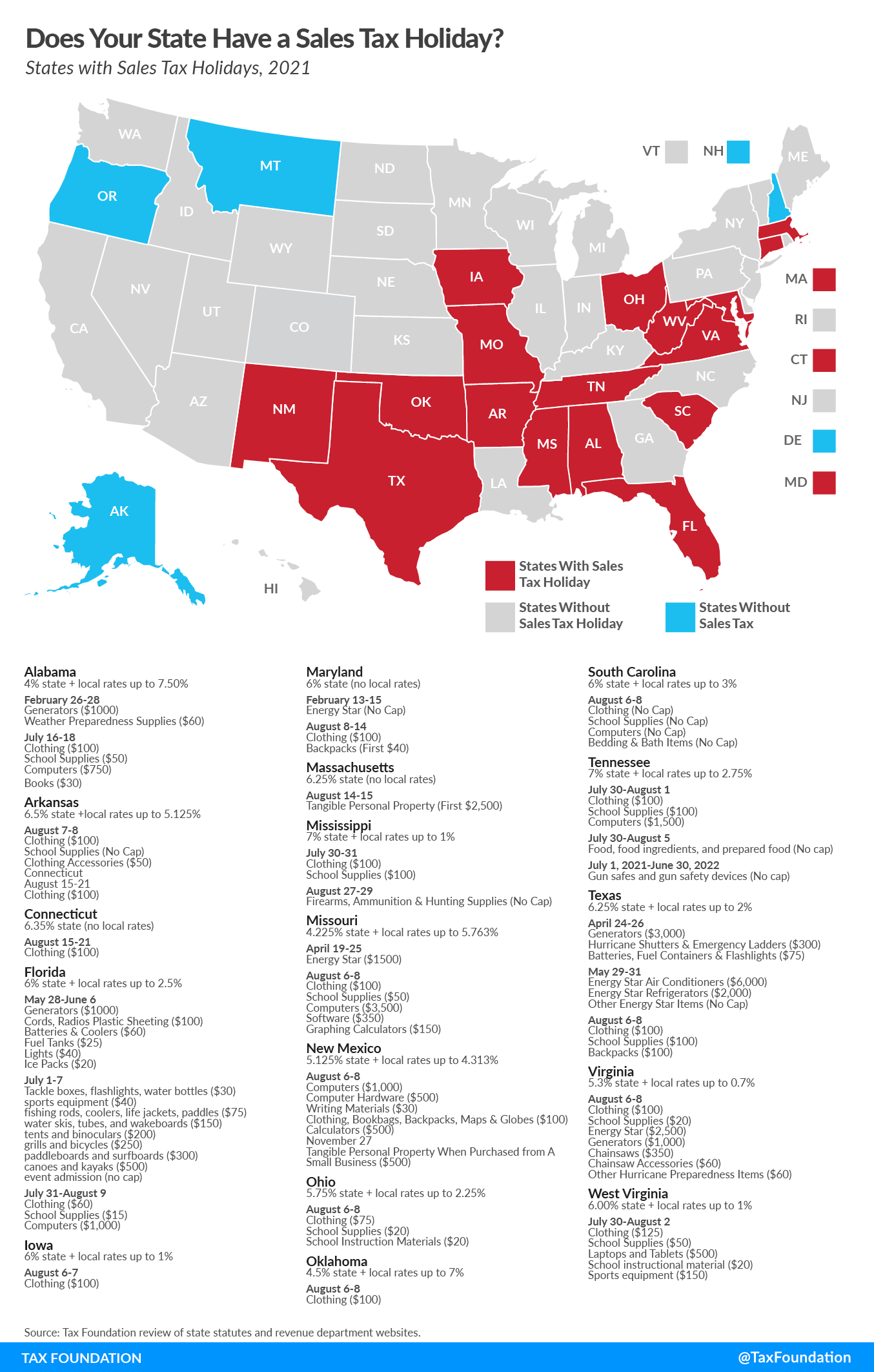
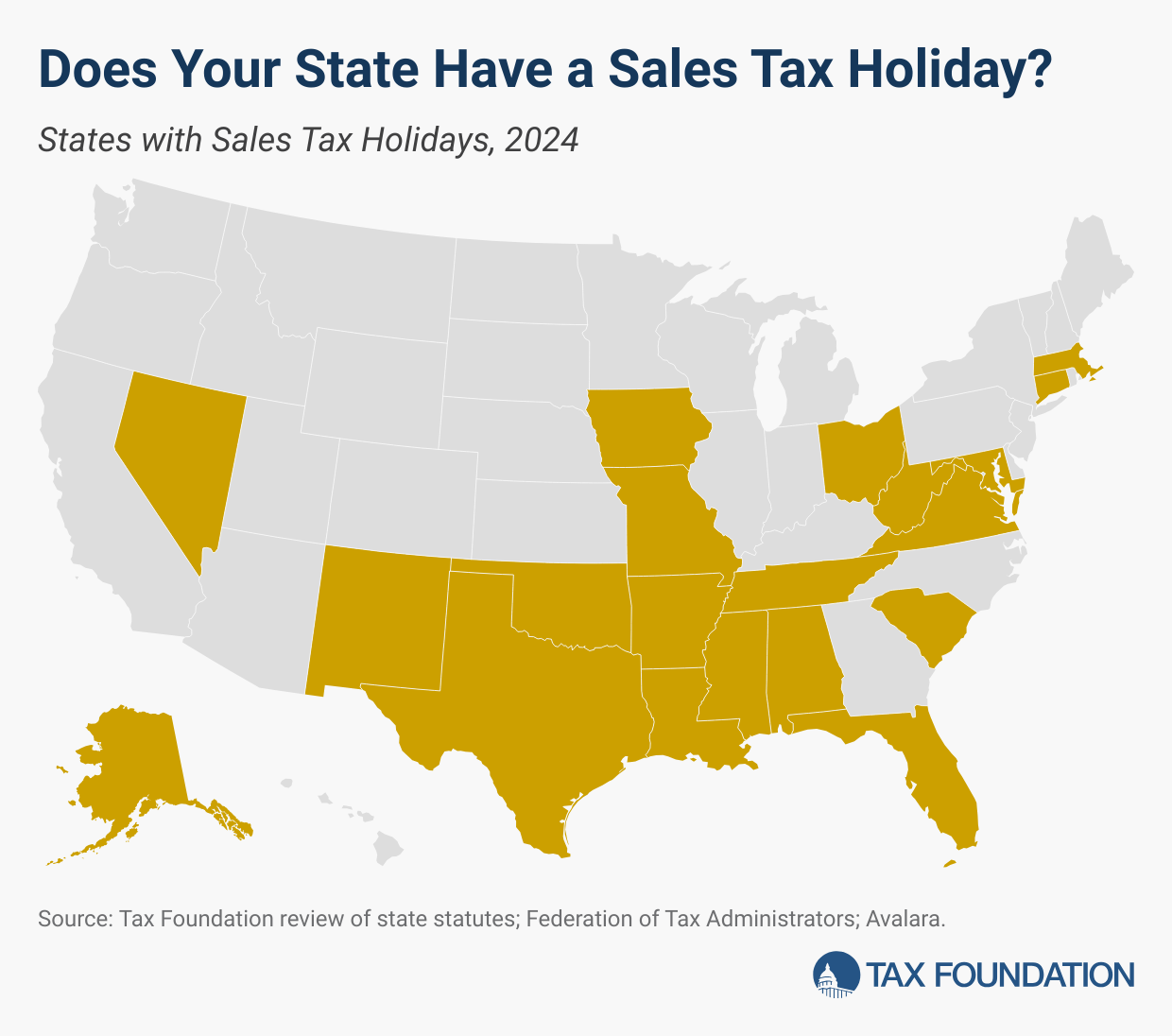
To further contextualize Chicago’s situation, it’s helpful to look at what other states do. Many states across the U.S. regularly implement sales tax holidays. For instance, states like Florida, Texas, and Virginia typically hold annual tax-free weekends, often in August, allowing consumers to purchase school supplies, certain articles of clothing, and sometimes even energy-efficient appliances without paying sales tax. These holidays are often well-advertised, anticipated by shoppers, and seen as a boost to local economies during traditionally slower retail periods. Some states even have multiple tax holidays throughout the year, targeting different types of goods or specific events like hurricane preparedness items. The primary goal behind these initiatives is to provide financial relief to families, particularly before the school year, and to encourage consumer spending, thereby benefiting retailers. The contrast with Illinois is stark: while these other states integrate tax holidays as a routine part of their economic calendar, Illinois adopts a more conservative and less frequent approach. This difference underscores why the expectation of a tax-free weekend in Chicago often leads to disappointment for those accustomed to such events elsewhere.
Strategies for Savvy Shoppers and Travelers in Chicago
Even without tax-free weekends, a trip to Chicago doesn’t have to break the bank. Savvy shoppers and travelers can employ various strategies to maximize their budget and enjoy all that the city has to offer without feeling the pinch of its sales tax. The focus shifts from tax exemptions to smart spending and seeking out value.
Maximizing Savings on Accommodations and Dining
Accommodations and dining are often the largest expenses for travelers. To save on hotels in Chicago, consider visiting during the off-peak seasons, typically winter months (excluding holidays) or late fall/early spring, when demand and prices are lower. Booking in advance can also secure better rates, and exploring options beyond the immediate downtown core, perhaps in neighborhoods with good CTA (Chicago Transit Authority) access like Lincoln Park or River North, can yield more affordable stays. Loyalty programs with hotel chains like Hilton or Marriott can offer exclusive discounts or free nights. For dining, look beyond the high-end restaurants for hidden gems in diverse neighborhoods, where local eateries offer delicious meals at a fraction of the cost. Utilize apps like OpenTable for deals or explore Chicago’s vibrant food truck scene. Packing snacks and drinks, and opting for hotel rooms with kitchenettes, can also significantly reduce daily food expenses, providing budget relief without compromising on the experience of local cuisine.
Leveraging Retailer Promotions and Discounts
Since a sales tax holiday is unlikely, the best strategy for saving on purchases in Chicago is to actively seek out retailer-specific promotions and discounts. Many stores, especially those on the Magnificent Mile and State Street, regularly offer sales, clearance events, and seasonal promotions. Signing up for email newsletters from your favorite brands before your trip can provide access to exclusive coupons and early notifications of sales. Utilizing credit card rewards programs that offer cash back or bonus points on shopping can also effectively reduce the net cost of your purchases. Additionally, many outlets and discount stores located just outside the city center, or even within larger malls like Fashion Outlets of Chicago near O’Hare Airport, provide goods at reduced prices, allowing shoppers to achieve savings that often outweigh the impact of the sales tax. Strategic shopping, including comparing prices online before heading to physical stores, can ensure you’re getting the best possible deal.
The Impact of Online Shopping vs. In-Store Purchases
The rise of e-commerce has blurred the lines between local and distant shopping. For items that are not urgent, considering online purchases can sometimes offer an advantage. While most online retailers are now required to collect sales tax based on the shipping destination, some smaller online vendors might not, or they might offer free shipping that effectively reduces the overall cost. However, the primary benefit of online shopping often lies in price comparison and access to a broader range of discounts and flash sales that might not be available in brick-and-mortar stores. For larger items, particularly electronics or apparel, comparing prices online can save a significant amount, even with the sales tax applied. Conversely, buying certain goods in-store allows for immediate gratification, the ability to inspect items physically, and the opportunity to support local businesses in Chicago. The key is to evaluate each purchase individually: if the convenience and tactile experience of in-store shopping are paramount, factor in the sales tax; if the absolute lowest price is the goal, a thorough online search is warranted.
Exploring Chicago Beyond Shopping: Value and Experience
While the quest for tax-free weekends often centers on shopping, Chicago offers an unparalleled wealth of experiences that transcend retail therapy. Focusing on the city’s vast cultural, historical, and recreational offerings can provide immense value, often at little to no cost, proving that a memorable trip to Chicago isn’t dependent on tax exemptions.
Free and Low-Cost Attractions
Chicago is renowned for its incredible array of free and low-cost attractions that can fill an itinerary with rich experiences. Millennium Park is a must-visit, home to the iconic “Bean” (Cloud Gate sculpture), the Crown Fountain, and free concerts in the summer at the Jay Pritzker Pavilion. Lincoln Park Zoo offers free admission year-round, making it a fantastic outing for families and animal lovers. Strolling along the Chicago Riverwalk provides stunning skyline views, and many of the city’s beautiful beaches along Lake Michigan are free to access. For art enthusiasts, the Art Institute of Chicago offers free admission on certain days or for Illinois residents, and many smaller galleries don’t charge an entrance fee. Exploring neighborhoods like Old Town or Hyde Park on foot can offer a deep dive into Chicago’s history and unique architecture without spending a dime. Leveraging these numerous free options allows visitors to immerse themselves in the city’s culture and beauty, stretching their budget significantly further than if they focused solely on paid attractions.
Public Transportation Savings
Chicago’s public transportation system, operated by the CTA (Chicago Transit Authority), is extensive, efficient, and an excellent way to save money on getting around. Instead of relying on expensive taxis or ride-shares, purchasing a Ventra Card and loading it with a multi-day pass allows for unlimited rides on buses and trains (the ‘L’). This not only provides significant savings compared to driving or taking private transportation but also offers a genuine local experience. The ‘L’ train system, in particular, offers convenient access to most major attractions, shopping districts, and neighborhoods, making it an indispensable tool for budget-conscious travelers. For example, a single train ride from O’Hare International Airport to downtown Chicago is far more economical than a taxi. Planning routes in advance using online maps or the CTA website can streamline travel, ensuring efficient movement around the city while keeping transportation costs low. This strategy reduces overall travel expenses, freeing up budget for experiences or the occasional splurge.
Dining on a Budget
Chicago is a world-class culinary destination, and experiencing its food scene doesn’t require breaking the bank. While upscale dining is available, there are countless ways to eat well on a budget. Explore local markets, such as those in Fulton Market or neighborhood farmers’ markets, for fresh produce and prepared foods. Iconic Chicago staples like deep-dish pizza or hot dogs can be found at affordable, local joints that offer authentic flavors without the premium price tag of tourist traps. Many restaurants offer lunch specials that are significantly cheaper than dinner menus, providing an opportunity to sample high-quality cuisine at a lower cost. Happy hour deals, early bird specials, and BYOB (Bring Your Own Bottle) establishments in neighborhoods like Andersonville or Wicker Park are excellent for saving on food and drink. Picnics in one of Chicago’s beautiful parks, with groceries purchased from a local supermarket, also offer a charming and cost-effective dining experience, allowing travelers to enjoy the city’s scenic beauty while keeping food expenses in check.
In conclusion, while the dream of a tax-free weekend in Chicago remains largely a dream, the city’s vibrant culture and diverse offerings ensure that budget-conscious travelers and shoppers can still enjoy a rich and rewarding experience. By understanding the sales tax structure, acknowledging the rarity of tax holidays, and adopting smart financial strategies, visitors can maximize their value and immerse themselves in everything Chicago has to offer.
LifeOutOfTheBox is a participant in the Amazon Services LLC Associates Program, an affiliate advertising program designed to provide a means for sites to earn advertising fees by advertising and linking to Amazon.com. Amazon, the Amazon logo, AmazonSupply, and the AmazonSupply logo are trademarks of Amazon.com, Inc. or its affiliates. As an Amazon Associate we earn affiliate commissions from qualifying purchases.