
Chicago, the bustling metropolis on the shores of Lake Michigan, is renowned for its stunning architecture, vibrant arts scene, world-class cuisine, and, perhaps most famously, its often-frigid winter weather. For those planning a visit to the Windy City during the colder months, understanding just how cold it gets is not merely a matter of curiosity, but an essential aspect of preparation for an enjoyable and comfortable trip. This guide delves into the realities of Chicago’s winter climate, equipping travelers with the knowledge needed to embrace the season, rather than merely endure it.

Understanding Chicago’s Winter Climate
Nestled in the Midwest of the United States, Chicago’s climate is classified as humid continental, characterized by four distinct seasons. Winter, however, tends to dominate conversations due to its intense cold, significant snowfall, and the persistent presence of wind.
Average Temperatures and Extremes
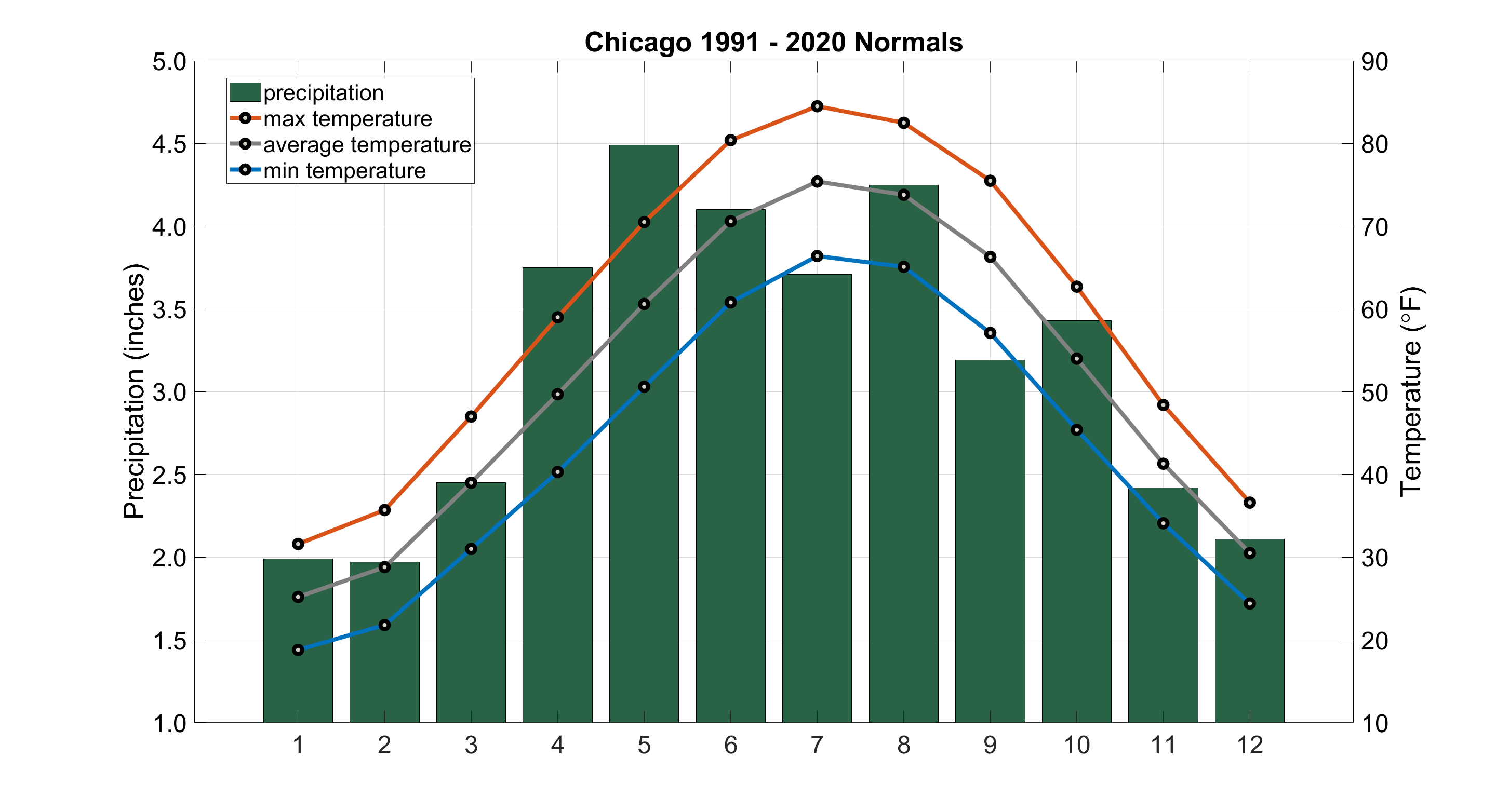
The official winter season in Chicago typically runs from late November through early March. During this period, average daily temperatures hover around the freezing mark or below. In December, the average high is often around 32°F (0°C), dropping to an average low of 20°F (-7°C). January is historically the coldest month, with average highs around 28°F (-2°C) and average lows plunging to 16°F (-9°C). February sees a slight warming trend, but still maintains an average high of 32°F (0°C) and a low of 19°F (-7°C).
However, averages only tell part of the story. Chicago is no stranger to extreme cold. It’s not uncommon for temperatures to dip into the single digits Fahrenheit (-12°C to -17°C) for extended periods, and sub-zero temperatures (below -18°C) are a regular occurrence during the deepest parts of winter. Record lows have seen the mercury plummet to -27°F (-33°C), and even lower during severe polar vortex events. While such extremes are not daily occurrences, travelers should be prepared for the possibility.
The Infamous Wind Chill Factor
The term “Windy City” is not just a catchy moniker; it’s a testament to Chicago’s susceptibility to brisk winds, especially coming off Lake Michigan. These winds dramatically amplify the sensation of cold, a phenomenon known as the wind chill factor. A 20°F (-7°C) day with a 15-20 mph (24-32 km/h) wind can feel like 0°F (-18°C) or even colder. This factor is critical for visitors to understand, as the actual air temperature can be deceptive. It’s the wind chill that often dictates how truly biting the cold feels, making proper windproof outer layers an absolute necessity.
Snowfall Expectations
Snowfall is another defining characteristic of a Chicago winter. The city typically receives an average of 38 inches (96 cm) of snow per season. While major blizzards are less frequent, regular snowfalls, ranging from a light dusting to several inches, are common. January and February are usually the snowiest months. The fresh snow can transform the urban landscape into a picturesque winter wonderland, particularly around landmarks like Millennium Park and the Magnificent Mile. However, it also means slush, icy sidewalks, and potential travel disruptions, which are important considerations for any traveler.
Seasonal Breakdown: The Chill Factor
While winter is generally cold, the intensity and characteristics of the cold can vary from late autumn to early spring.
Late Autumn’s Embrace: November’s Nip
November serves as the transitional month, offering a preview of winter’s severity. Early November can still offer crisp, cool days perfect for exploring. However, by mid-to-late November, temperatures often dip consistently below 40°F (4°C), and the first significant snowfalls are possible. This is when the wind starts to become a more noticeable factor, and visitors will need warm coats, hats, and gloves. The city often begins its holiday decorations during this time, creating a festive, albeit chilly, atmosphere.
The Deep Freeze: December, January, and February
These are the quintessential winter months in Chicago. Travelers visiting during this period should anticipate persistent cold, frequent strong winds, and regular snowfall. Daytime temperatures often struggle to rise above freezing, and nighttime lows can be brutally cold. This is when the risk of extreme cold events, like those associated with a polar vortex, is highest. Layers are paramount, and full winter gear, including insulated, waterproof outerwear, thermal undergarments, and sturdy, waterproof boots, is non-negotiable for anyone planning to spend significant time outdoors.
Spring’s Slow Thaw: March and April’s Lingering Cold
While March officially marks the beginning of spring, Chicago often experiences a prolonged transition. Early March can still feel very much like winter, with average temperatures remaining cold and snow still a possibility. The weather can be highly unpredictable, swinging between mild, sunny days and sudden cold snaps with snow or freezing rain. By April, temperatures generally become more comfortable, but cold, windy days are still common, especially earlier in the month. Travelers in March should still pack for winter, while April visitors might opt for lighter winter gear with layers suitable for cooler spring temperatures.
Preparing for the Windy City’s Winter
A successful winter trip to Chicago hinges on smart packing and a strategic approach to daily activities.
The Art of Layering: Essential Clothing
Layering is the golden rule for dressing in Chicago’s winter. Start with a moisture-wicking base layer (thermal underwear), add an insulating middle layer (fleece or wool sweater), and top it with a waterproof and windproof outer shell (a heavy winter coat). The outer layer should be insulated, preferably with down or a high-performance synthetic material, and extend below the waist for maximum warmth. A hooded coat offers extra protection against the wind and snow.
Footwear and Accessories: Staying Warm from Head to Toe
Your extremities are most vulnerable to the cold. Invest in high-quality, insulated, waterproof boots with good traction to navigate snowy and icy sidewalks. Wool or synthetic blend socks are crucial for keeping feet warm and dry. For your hands, waterproof gloves or mittens (mittens are generally warmer) are essential. Don’t forget a warm hat that covers your ears and a scarf or neck gaiter to protect your face and neck from the biting wind. Sunglasses can also be surprisingly useful, especially on sunny winter days when glare off the snow can be intense.
Indoor Retreats and Cozy Comforts
Even with the best gear, plan to intersperse outdoor activities with warm indoor breaks. Chicago boasts an incredible array of indoor attractions, from world-class museums like the Art Institute of Chicago, the Field Museum, and the Museum of Science and Industry to the aquatic wonders of the Shedd Aquarium. Many hotels in the Loop and along the Magnificent Mile offer cozy lobbies or inviting bars where you can warm up with a hot beverage.
Embracing the Cold: Winter Activities & Experiences
Despite the cold, Chicago doesn’t shut down in winter; it transforms. With the right attitude and preparation, the city offers unique and memorable winter experiences.
Iconic Outdoor Winter Fun
- Ice Skating: The quintessential winter activity, ice skating is popular at the McCormick Tribune Ice Rink in Millennium Park (with the iconic Cloud Gate “The Bean” as a backdrop) and the Maggie Daley Park Ice Ribbon.
- Holiday Markets: If visiting in November or December, the Christkindlmarket in Daley Plaza (and other locations) brings a charming German-style Christmas market experience to the city.
- Winter Lights Displays: Many neighborhoods and attractions, including Lincoln Park Zoo and Morton Arboretum, feature elaborate outdoor light displays, perfect for an evening stroll.
- Winter Sports: For the truly adventurous, cross-country skiing and snowshoeing are possible in city parks and nearby forest preserves after heavy snowfalls.
Cultural Havens and Indoor Attractions
Chicago’s world-class museums and cultural institutions provide perfect escapes from the cold. Spend hours exploring the vast collections of the Art Institute of Chicago, marvel at the dinosaurs at the Field Museum, or discover aquatic life at the Shedd Aquarium. Catch a Broadway in Chicago show, enjoy a live music performance in a cozy club, or ascend the Willis Tower Skydeck for breathtaking (and heated) panoramic views. The city’s diverse neighborhoods like Chinatown, Pilsen, and Logan Square also offer numerous indoor shops, galleries, and eateries to explore.
Culinary Delights and Cozy Dining
Winter in Chicago is an ideal time to indulge in the city’s celebrated culinary scene. Warm up with a comforting bowl of deep-dish pizza, savor hearty stews and robust craft beers, or explore the myriad of international cuisines available. Many restaurants feature fireplaces or offer a cozy ambiance, perfect for escaping the chill. From upscale dining to casual bistros, Chicago’s gastronomic landscape provides endless opportunities for delicious warmth.
Navigating Winter Travel in Chicago
Logistics become slightly more complex in winter, but Chicago’s robust infrastructure is well-equipped to handle the cold and snow.
Public Transportation in the Cold
The Chicago Transit Authority (CTA) ‘L’ train and bus system is generally reliable, even in snowy conditions. The elevated train lines offer unique views of the city, and the trains themselves are heated. Buses can be slower during heavy snowfall but remain a viable option. For commuters and visitors alike, the CTA is often the best way to get around without battling icy roads or struggling to find parking. Be aware that during extreme cold, trains and buses can experience minor delays due to equipment issues, so allow extra travel time.
Driving and Parking Challenges
Driving in Chicago during winter can be challenging, particularly after fresh snowfall. Streets can be slushy, icy, or snow-covered. Parking can also be difficult, with “dibs” (residents claiming shoveled parking spots with furniture) being an informal but widely recognized practice in residential areas. If you’re staying in the city center, relying on public transport, ride-shares, or taxis is highly recommended. If you must drive, ensure your vehicle is winter-ready and exercise extreme caution.
Essential Safety Tips
Beyond dressing warmly, a few safety tips can enhance your winter visit. Always be aware of your surroundings, especially on potentially icy sidewalks. Walk slowly and deliberately. Watch out for falling ice or snow from buildings. If temperatures are extremely low, limit your time outdoors and stay vigilant for signs of frostbite or hypothermia. Carry a fully charged phone and let someone know your plans if you’re venturing out alone. Most importantly, embrace the unique beauty and resilience of Chicago in winter; with adequate preparation, it can be an incredibly rewarding travel experience.
LifeOutOfTheBox is a participant in the Amazon Services LLC Associates Program, an affiliate advertising program designed to provide a means for sites to earn advertising fees by advertising and linking to Amazon.com. Amazon, the Amazon logo, AmazonSupply, and the AmazonSupply logo are trademarks of Amazon.com, Inc. or its affiliates. As an Amazon Associate we earn affiliate commissions from qualifying purchases.