
Embarking on a journey between two major American metropolises like Chicago and Houston is more than just traversing miles; it’s an adventure that offers diverse landscapes, logistical considerations, and a taste of the vast American heartland. Understanding the distance between these vibrant cities is the first crucial step in planning any trip, whether for business, leisure, or relocation. This comprehensive guide will delve into the various aspects of this significant inter-city travel, providing insights into distances, transportation options, planning essentials, and what awaits you at each destination.
The Geographic Reality: Distance and Direction
The journey from the Windy City to the Space City spans a considerable expanse of the United States. Knowing the precise distance and general direction is fundamental to choosing the most suitable mode of transport and estimating travel time.
Straight-Line vs. Driving Distance
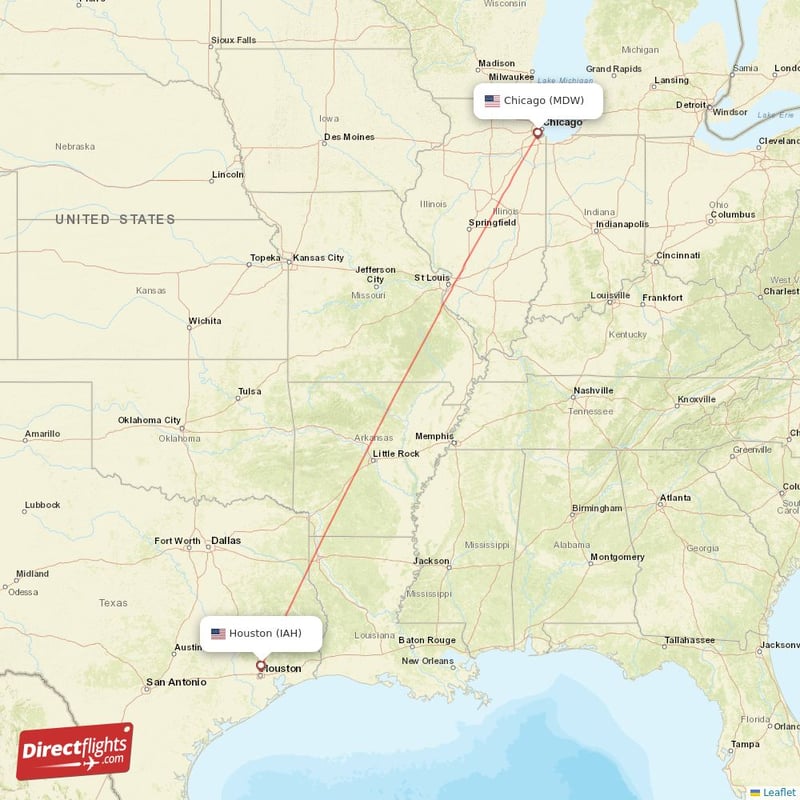
When considering the distance, it’s important to differentiate between the “as the crow flies” (straight-line or aerial) distance and the actual driving distance, which accounts for road networks and geographical features. The straight-line distance between Chicago, Illinois, and Houston, Texas, is approximately 924 miles (1,487 kilometers). This theoretical measurement is what pilots use for direct flights.
However, for travelers planning a road trip, the actual driving distance is significantly longer. Depending on the specific route taken and adherence to major interstates, the typical driving distance ranges from 1,090 to 1,150 miles (1,754 to 1,850 kilometers). This difference arises from the need to navigate around natural barriers and connect through various towns and cities. The general direction of travel is south-southeast, taking you through several states in the Midwest and South.
Why This Distance Matters for Travelers
This substantial distance has profound implications for travel planning. Firstly, it dictates the expected duration of the journey. Flying offers the quickest solution, while driving necessitates a multi-day commitment. Secondly, it directly impacts cost, influencing fuel consumption for road trips, ticket prices for flights, and the potential need for overnight accommodations. For those considering a move, understanding this distance helps in logistics planning for vehicle transport and household goods. Ultimately, a clear grasp of the distance sets realistic expectations, ensuring a smoother and more enjoyable travel experience.
Navigating the Journey: Modes of Transportation
Traveling between Chicago and Houston offers a variety of transportation options, each with its own set of advantages, disadvantages, and unique experiences. The choice largely depends on your priorities: speed, cost, comfort, or scenic appeal.
Air Travel: The Fastest Route
For travelers prioritizing speed and convenience, flying is undoubtedly the best option. Both Chicago and Houston are major aviation hubs, offering numerous daily direct flights between the cities.
- Key Airports: In Chicago, travelers typically depart from O’Hare International Airport (ORD) or Midway International Airport (MDW). Houston is served by George Bush Intercontinental Airport (IAH) and William P. Hobby Airport (HOU).
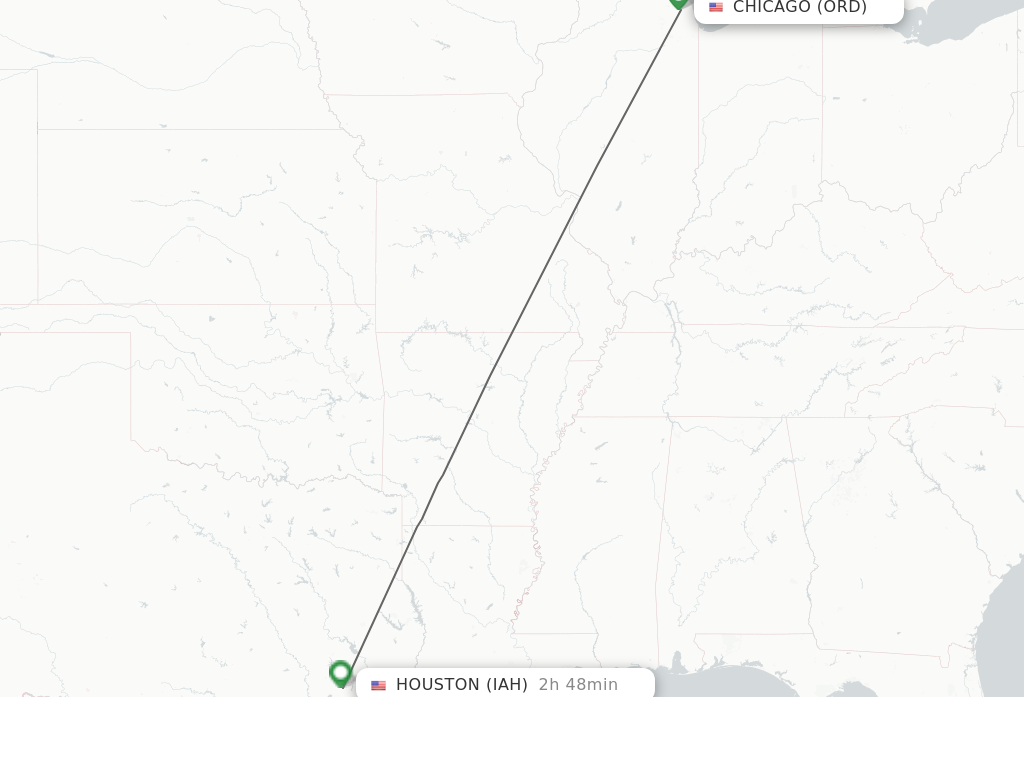
- Flight Duration: Direct flights typically take around 2 hours and 30 minutes to 3 hours. However, factor in additional time for airport security, boarding, taxiing, and potential delays, making the total airport-to-airport experience closer to 5-6 hours.
- Pros: Unmatched speed, ideal for short trips or tight schedules, often comfortable.
- Cons: Can be the most expensive option, especially for last-minute bookings; requires airport transfers; baggage restrictions and fees; environmental impact.
Driving: The Scenic and Flexible Option
A road trip between Chicago and Houston is a quintessential American experience, offering unparalleled flexibility and the chance to explore various states along the way.
- Total Driving Time: Without significant stops, the drive can take anywhere from 17 to 20 hours. This is generally too long for a single day, making an overnight stop a practical necessity for most drivers.
- Key Interstates: Common routes involve heading south on I-57 from Chicago, connecting to I-55, then potentially I-40 or I-44, and eventually I-45 into Houston. There are several variations depending on desired stops.
- Overnight Stops: Popular cities for an overnight break include St. Louis, Missouri, or Memphis, Tennessee, offering cultural attractions and diverse dining. Alternatively, less urban stops in Arkansas, such as Little Rock, can also serve as convenient rest points.
- Pros: Ultimate flexibility, ability to stop at attractions, control over schedule, cost-effective for groups, can transport more luggage.
- Cons: Very long duration, requires significant driving endurance, fuel costs, potential tolls, wear and tear on vehicle, risk of unexpected breakdowns.
Rail Travel: A Unique Perspective
For those seeking a more leisurely and comfortable journey, train travel provides an appealing alternative. Amtrak offers routes connecting Chicago to Houston, providing a unique vantage point of the American landscape.
- Route and Duration: The primary route involves the Texas Eagle service, which typically connects Chicago to Houston via St. Louis, Dallas, and other points in Texas. The total travel time can range from 25 to 30 hours, depending on layovers and specific connections.
- Amenities: Amtrak trains offer various seating options, including coach, business class, and private sleeping accommodations (roomette or bedroom). Dining cars and lounge cars are typically available, providing a comfortable environment for the long journey.
- Pros: Relaxing and scenic, no need to drive, more legroom than flying, often includes dining options, less stressful than navigating airports or highways.
- Cons: Significantly slower than flying, potentially higher cost than driving (especially for private accommodations), less direct routes, can experience delays.
Bus Travel: The Economical Choice
Bus services offer the most budget-friendly way to travel between Chicago and Houston, ideal for cost-conscious travelers who don’t mind a longer journey.
- Providers and Duration: Companies like Greyhound operate multiple daily services. The travel time is substantial, often ranging from 24 to 30+ hours, depending on the number of stops, transfers, and specific route.
- Comfort Levels: Buses typically offer standard seating. While some modern buses feature Wi-Fi and power outlets, amenities are generally basic compared to trains or planes.
- Pros: Most economical option, direct city-center to city-center travel.
- Cons: Longest travel time, can be less comfortable for extended periods, frequent stops, limited amenities.
Planning Your Journey: Essential Considerations
Regardless of your chosen mode of transport, a well-thought-out plan is key to a successful and stress-free journey from Chicago to Houston. Considering factors like timing, budget, and preparation will significantly enhance your travel experience.
Best Time to Travel
The time of year you choose to travel can greatly impact your journey, especially for a long-distance trip like this.
- Weather Impacts: The Midwest (Chicago) experiences harsh winters with snow and ice, which can cause significant flight delays and hazardous driving conditions. Texas (Houston) has hot, humid summers, which can be taxing for drivers and may also bring severe thunderstorms or hurricane season concerns.
- Spring (April-May) and Fall (September-October) are generally considered the best times to travel. The weather is milder in both regions, reducing the likelihood of extreme conditions affecting flights or making driving uncomfortable.
- Peak Travel Seasons: Holidays and school breaks often lead to higher prices for flights and accommodations, as well as increased traffic on roads and busier airports/stations. Traveling during off-peak times can lead to cost savings and a more relaxed experience.
Budgeting for the Trip
A clear budget helps in making informed decisions about your travel choices.
- Comparative Costs:
- Flights: Can range from $100-$400+ for a round trip, varying widely with booking time and airline. Factor in baggage fees.
- Driving: Primarily fuel costs (1100 miles x ~25 MPG = 44 gallons; 44 gallons x ~$3.50/gallon = ~$150-$200 one-way, plus tolls, potential overnight stay, and food).
- Trains: Coach seats can be comparable to budget flights, while private rooms are significantly more expensive ($300-$800+ one-way).
- Buses: Generally the cheapest, often under $100 one-way.
- Hidden Costs: Don’t forget to account for parking at airports, ground transportation at your destination, food and drinks during travel, and any entertainment expenses along the way.
Packing and Preparation
Thoughtful preparation can make a long journey much more comfortable.
- For Air Travel: Pack light to avoid baggage fees. Have essential documents easily accessible. Consider noise-canceling headphones for comfort.
- For Driving: Perform a full vehicle check (tires, oil, fluids). Plan your route in advance and have a backup navigation system. Pack an emergency kit, plenty of snacks and water, and entertainment for passengers. Dress comfortably and plan for regular breaks.
- For Rail/Bus: Bring a good book, headphones, and comfortable clothing. A travel pillow and blanket can significantly improve comfort on extended journeys. Keep valuables secure and accessible.
Exploring the Destinations: What Awaits You
After a long journey, both Chicago and Houston welcome travelers with distinct personalities and an abundance of attractions. While the focus of this article is on the journey, a brief overview of what awaits you can help contextualize your travel planning.
A Taste of Chicago
Arriving in Chicago, you’ll find a city renowned for its stunning architecture, vibrant arts scene, and incredible food. From the iconic “Bean” sculpture in Millennium Park to the world-class collections at the Art Institute of Chicago, there’s no shortage of cultural experiences. And, of course, no trip to Chicago is complete without savoring its famous deep-dish pizza.
The Allure of Houston
Upon reaching Houston, you’ll be greeted by a sprawling metropolis known for its ties to space exploration, diverse culinary landscape, and robust arts and culture. A visit to Space Center Houston is a must for science enthusiasts, while the Museum District offers a concentration of world-class institutions. Houston’s melting pot of cultures also translates into an incredible food scene, from Tex-Mex to Vietnamese.
Making the Most of Your Travel
No matter how you choose to cover the vast distance between Chicago and Houston, mindful travel practices can enhance your experience and ensure your well-being.
Travel Safety Tips
- Share Your Itinerary: Let family or friends know your travel plans, especially for long road trips or solo travel.
- Stay Aware: Be mindful of your surroundings, particularly in busy travel hubs.
- Secure Valuables: Keep important documents and money in a secure place, out of sight.
- Emergency Contacts: Have emergency numbers readily accessible.
- Vehicle Safety: If driving, ensure your vehicle is in good condition, and avoid driving while fatigued.

Minimizing Travel Fatigue
Long-distance travel can be tiring. Incorporate strategies to minimize fatigue:
- Breaks: Take regular breaks if driving – every 2-3 hours for at least 15 minutes.
- Hydration and Nutrition: Drink plenty of water and eat healthy snacks. Avoid excessive caffeine or sugary drinks.
- Stretch and Move: Stand up and stretch frequently on planes, trains, or buses.
- Sleep: Prioritize a good night’s sleep before a long journey, and if driving, plan for an overnight stop.
- Comfort: Wear loose, comfortable clothing and bring items that enhance your comfort, like a neck pillow or blanket.
The journey from Chicago to Houston is a significant undertaking, but with careful planning and an understanding of the available options, it can be a rewarding part of your travel experience. Whether you opt for the speed of air travel, the flexibility of a road trip, the comfort of a train, or the economy of a bus, each mode offers a unique way to bridge the vast American landscape. By considering the distance, planning for contingencies, and preparing adequately, you can ensure a smooth and enjoyable trip to your destination.
LifeOutOfTheBox is a participant in the Amazon Services LLC Associates Program, an affiliate advertising program designed to provide a means for sites to earn advertising fees by advertising and linking to Amazon.com. Amazon, the Amazon logo, AmazonSupply, and the AmazonSupply logo are trademarks of Amazon.com, Inc. or its affiliates. As an Amazon Associate we earn affiliate commissions from qualifying purchases.