
For any traveler heading to the Windy City, one of the first logistical considerations after landing at O’Hare International Airport (ORD) is understanding the journey to Downtown Chicago. It’s a fundamental question that impacts everything from travel time and budget to the overall arrival experience. While the exact distance can vary slightly depending on the specific downtown destination, the general consensus places the heart of Chicago‘s urban core roughly 17 to 20 miles (approximately 27 to 32 kilometers) southeast of ORD. This distance, however, is merely a number; the true measure for travelers is the time it takes to traverse it, which can fluctuate wildly based on your chosen mode of transport, the time of day, and prevailing traffic conditions. This comprehensive guide will illuminate the various options available, offering insights to help you plan your journey seamlessly from one of the world’s busiest airports to the vibrant streets of Downtown Chicago.

The Distance Demystified: Understanding the Journey
Understanding the actual distance between O’Hare International Airport and Downtown Chicago is the first step in demystifying your travel plans. While a straight-line measurement might give one figure, practical travel involves roadways, public transit routes, and the inherent urban landscape, all of which stretch that distance in real-world terms.
Straight-Line vs. Driving Distance
From a purely aerial perspective, the distance between the two points might seem less daunting. However, this “as the crow flies” measurement rarely applies to ground transportation. The more relevant figure for travelers is the driving distance, which typically ranges from 17 to 20 miles. This accounts for the winding highways, arterial roads, and city streets that vehicles must navigate to get from the airport’s terminals to destinations like the Loop, River North, or Magnificent Mile areas within Downtown Chicago. This difference between straight-line and driving distance is crucial because it directly influences travel time and the feasibility of different transport methods.
Key Landmarks and Geographical Context
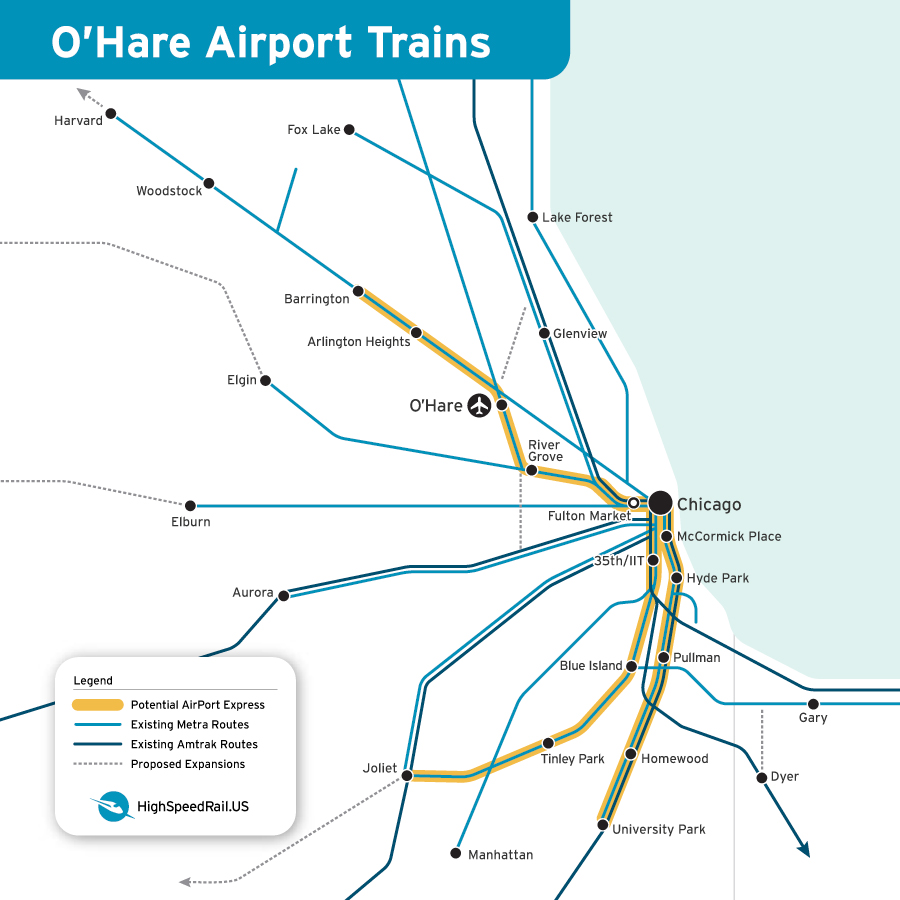
O’Hare International Airport is situated on the far northwest side of Chicago, acting as a major international gateway. Downtown Chicago, on the other hand, encompasses a broad area generally defined by the Chicago River to the north and west, and Lake Michigan to the east. Key districts within downtown often referred to by visitors include the Loop (home to iconic architecture and business centers), River North (known for its dining and nightlife), and the Magnificent Mile (a premier shopping district). The journey typically involves traveling southeast from ORD, often utilizing major arteries such as the Kennedy Expressway (Interstate 90/94) for vehicle traffic or the dedicated tracks for the CTA Blue Line. Understanding this geographical relationship is key to appreciating why certain transportation methods are more efficient or cost-effective than others.
Navigating from O’Hare to Downtown: Your Transportation Options
The journey from O’Hare International Airport to Downtown Chicago offers a variety of transportation choices, each with its own balance of cost, speed, convenience, and comfort. Deciding which option is best for you will largely depend on your budget, how much luggage you have, your travel companions, and your arrival time.
Public Transportation: The CTA Blue Line
For many, the CTA Blue Line is the most economical and often one of the most reliable options. The Blue Line station is conveniently located on the lower level of ORD’s main parking garage, accessible via pedestrian tunnels from all terminals. It operates 24/7, making it an excellent choice regardless of your arrival time.
- Cost: A single fare is relatively inexpensive, typically around $5 from O’Hare to downtown. You can use a Ventra card (purchased at the station or pre-loaded) or a contactless payment method.
- Travel Time: The journey typically takes about 45-60 minutes to reach various stations in the Loop area, such as Clark/Lake, Washington, or Monroe. While subject to occasional delays, it largely bypasses road traffic.
- Convenience: The Blue Line offers direct access to numerous points in Downtown Chicago, often within walking distance of hotels and attractions. It’s particularly appealing for solo travelers or those with light luggage.
Ride-Sharing Services & Taxis
For those prioritizing door-to-door service and convenience, ride-sharing apps like Uber and Lyft, or traditional taxis, are popular choices.
- Cost: This is typically the most expensive option, with fares ranging from $40-$70, excluding tips. Prices can surge significantly during peak hours, special events, or adverse weather.
- Travel Time: Depending on traffic, the ride can take anywhere from 30 minutes (late at night, no traffic) to 90 minutes or more (during rush hour).
- Pick-up Locations: At ORD, ride-share services generally pick up from designated zones on the upper level (departures) of each terminal. Taxis are readily available at designated stands on the lower level (arrivals).
Shuttle Services
Shuttle services offer a middle ground between public transit and private vehicles, particularly beneficial for groups or those with more luggage. Options include shared-ride shuttles or private car services.
- Shared-Ride Shuttles: Companies like Go Airport Express offer shared rides that make multiple stops at various hotels in Downtown Chicago.
- Cost: Typically $30-$40 per person, offering a more budget-friendly alternative to a private taxi for solo travelers or pairs.
- Travel Time: Can be unpredictable, ranging from 45 minutes to 2 hours, as it depends on the number of stops and traffic.
- Private Shuttles/Car Services: These provide direct, personalized service, often pre-booked.
- Cost: Higher than shared rides, comparable to or exceeding taxis/ride-shares, but with guaranteed comfort and space.
- Travel Time: Similar to taxis, varying with traffic conditions.
Rental Cars
Renting a car at O’Hare provides maximum flexibility, especially if you plan to explore beyond Downtown Chicago or have multiple stops. The O’Hare Multi-Modal Facility (MMF) houses all major rental car agencies and is accessible via the Airport Transit System (ATS) or shuttle buses.
- Cost: Rental fees vary widely by company and vehicle type, plus fuel, tolls, and significant parking costs in downtown.
- Travel Time: Subject to the same traffic variables as taxis and ride-shares.
- Considerations: Chicago traffic can be notoriously heavy, and parking in Downtown Chicago is expensive and often challenging to find. For most visitors focusing solely on downtown, a rental car is usually an unnecessary expense and added stress.
Factors Influencing Travel Time and Experience
While the distance between O’Hare International Airport and Downtown Chicago remains constant, the time it takes to cover that distance is anything but. Several dynamic factors can significantly alter your journey, impacting both the duration and your overall travel experience. Being aware of these elements can help you make more informed decisions and set realistic expectations for your arrival.
The Impact of Rush Hour Traffic
Chicago, like any major metropolis, experiences predictable periods of heavy traffic that can dramatically extend travel times. The morning rush typically runs from 6:00 AM to 9:00 AM, with the evening rush from 3:00 PM to 6:30 PM (or even later on Fridays). During these times, the Kennedy Expressway, the main artery connecting ORD to downtown, can become severely congested. A 30-minute ride during off-peak hours can easily stretch to 75-90 minutes, or even longer, for taxis, ride-shares, and shuttle services. The CTA Blue Line, being independent of road traffic, offers a more consistent travel time during these periods, though trains can be more crowded.
Day of the Week and Time of Day
Beyond standard rush hour, the specific day of the week and broader time of day also play a role. Midday travel on weekdays (outside rush hour) usually offers the quickest driving times. Weekends, particularly Sunday evenings, can see increased traffic as travelers return home, but generally, they are less congested than weekdays. Late-night arrivals (after 10:00 PM and before 5:00 AM) often benefit from minimal road traffic, making taxi or ride-share options particularly efficient, assuming surge pricing isn’t in effect. Conversely, public transport might be less frequent during the late night, though the Blue Line operates 24/7.
Weather Conditions
Chicago’s weather can be unpredictable and extreme, and it has a direct impact on travel times from O’Hare. Heavy snowfall, ice storms, or even severe thunderstorms can lead to widespread road closures, traffic accidents, and significantly slower driving speeds. Such conditions can also cause flight delays, impacting connections to ground transportation. During winter months, always check weather forecasts ahead of time and factor in extra travel time if adverse conditions are expected. Public transportation, while still affected by delays due to track conditions or general system slowdowns, often remains a more reliable option than road travel during severe weather events.
Choosing Your Best Route: Considerations for Every Traveler
Selecting the ideal transportation method from O’Hare International Airport to Downtown Chicago is a personal decision, shaped by a blend of priorities. There’s no one-size-fits-all answer, but by considering your individual needs and circumstances, you can make an informed choice that ensures a smooth and stress-free arrival.
Budget-Conscious Travelers
For those looking to minimize expenses without sacrificing too much time, the CTA Blue Line is unequivocally the top recommendation. At a fraction of the cost of other options, it provides direct access to Downtown Chicago and offers a consistent travel time that often beats road-based transport during peak hours. If you’re a solo traveler or a couple with manageable luggage, the Blue Line presents excellent value.
Time-Sensitive Travelers
If every minute counts, your best bet outside of rush hour is usually a taxi or a ride-sharing service like Uber or Lyft. During these less congested periods, direct road travel can be the quickest way to your destination. However, if you’re arriving during typical rush hour times (weekday mornings or late afternoons), the CTA Blue Line often becomes the fastest option, as it bypasses surface street and expressway traffic entirely. Private shuttle services, pre-booked, also offer a reliable, direct route for those who value punctuality.
Comfort and Convenience Seekers
Travelers prioritizing comfort, door-to-door service, and minimal effort will find taxis, ride-sharing services, and private shuttles (or pre-arranged car services) to be the most appealing. These options allow you to relax and avoid navigating public transit systems, especially after a long flight. If you have multiple pieces of luggage, young children, or mobility concerns, the convenience of being dropped off directly at your hotel entrance is invaluable. While these come at a higher cost, the added ease can be well worth the investment for many.
Group Travelers
For families or groups of three or more, the cost dynamics shift significantly. A taxi or ride-share might become comparable in price to multiple individual CTA Blue Line fares or shared shuttle tickets, offering the benefit of staying together and having dedicated space. For larger groups, a pre-booked private shuttle or a larger van from a ride-sharing service could be the most efficient and cost-effective solution, providing ample space for passengers and luggage without the hassle of multiple vehicles or navigating public transport with a large party. Renting a car might also be considered if the group plans extensive travel outside the downtown core, but remember to factor in downtown parking costs and traffic.
Beyond the Airport: Making the Most of Your Chicago Visit
Once you’ve successfully navigated the journey from O’Hare International Airport to Downtown Chicago, a world of experiences awaits. Chicago is a city renowned for its stunning architecture, vibrant arts scene, culinary delights, and diverse neighborhoods, offering something for every type of traveler.
Must-See Attractions in Downtown Chicago
Downtown Chicago itself is a treasure trove of iconic landmarks and cultural institutions. Make sure to visit Millennium Park, home to the famous “Bean” sculpture (Cloud Gate), and enjoy the interactive Crown Fountain. Just steps away, the Art Institute of Chicago houses an unparalleled collection of Impressionist and Post-Impressionist art. For breathtaking panoramic views of the city, an ascent to the Skydeck at Willis Tower (formerly Sears Tower) is a must. The Chicago Riverwalk offers scenic strolls, boat tours focusing on the city’s celebrated architecture, and numerous dining options. Exploring these areas is made easy by the city’s efficient public transportation system (CTA ‘L’ trains and buses) and pedestrian-friendly streets.
Practical Tips for Arrival
To ensure a smooth transition from ORD to your downtown destination, a little preparation goes a long way.
- Check Real-Time Traffic: Before you choose a road-based transport method, consult a navigation app for real-time traffic conditions. This can help you decide between a taxi/ride-share and the CTA Blue Line.
- Download Essential Apps: Having the CTA ‘L’ train app, ride-sharing apps, and a general navigation app on your phone will be incredibly useful.
- Pre-Book if Possible: For private shuttles or car services, pre-booking can save time and ensure a vehicle is waiting for you, especially during busy travel periods.
- Know Your Terminal: O’Hare is vast. Be aware of your arrival terminal and the closest access points for your chosen transport.
- Have a Plan B: Always have a backup plan. If your preferred method falls through (e.g., long taxi lines, Blue Line delays), know your secondary option.
The journey from O’Hare International Airport to Downtown Chicago is a well-trodden path with multiple options tailored to different travel styles and budgets. While the distance averages 17-20 miles, the actual travel time is highly variable, largely influenced by your chosen mode of transport and the time of day. Whether you opt for the cost-effective efficiency of the CTA Blue Line, the convenience of a taxi or ride-share, or the comfort of a shuttle, careful planning will ensure a smooth start to your Chicago adventure. By considering traffic, timing, and your personal preferences, you can easily navigate this transition and immerse yourself in all that the dynamic city center has to offer.
LifeOutOfTheBox is a participant in the Amazon Services LLC Associates Program, an affiliate advertising program designed to provide a means for sites to earn advertising fees by advertising and linking to Amazon.com. Amazon, the Amazon logo, AmazonSupply, and the AmazonSupply logo are trademarks of Amazon.com, Inc. or its affiliates. As an Amazon Associate we earn affiliate commissions from qualifying purchases.