
Traveling between major Midwestern hubs is a common necessity for business professionals, families visiting loved ones, and adventurers exploring the diverse landscapes of the United States. Among the most frequently inquired routes is the journey connecting Minneapolis, the vibrant heart of Minnesota, with Chicago, the bustling metropolis of Illinois. Understanding the distance, available transportation options, and factors influencing travel time is crucial for anyone planning this trip. Whether you’re a seasoned road-tripper, a budget-conscious traveler, or someone prioritizing speed and convenience, this guide will provide comprehensive insights to help you navigate the journey between these two dynamic cities.

This route traverses a significant portion of the American landscape, offering a glimpse into the diverse geography and culture of the region. From the lakes and urban vibrancy of Minneapolis and its twin city St. Paul to the architectural grandeur and cultural richness of Chicago, the journey itself can be as much a part of the experience as the destination. We’ll break down the practicalities, helping you make an informed decision tailored to your specific travel needs and preferences.
The Straightforward Answer: Distance and Time
The fundamental question for any journey begins with distance. Understanding the mileage and estimated travel time is the first step in planning, setting expectations, and budgeting effectively. The span between Minneapolis and Chicago varies slightly depending on the mode of transport and the specific starting and ending points within each metropolitan area.
By Road: Driving Distance and Duration
For those opting to drive, the typical route between Minneapolis and Chicago covers approximately 400 to 410 miles (around 640 to 660 kilometers). This distance is primarily traversed via Interstate 94 and then connecting to Interstate 90 as you approach Chicago. The journey is predominantly highway driving, passing through the picturesque farmlands and smaller cities of Wisconsin.
Under ideal driving conditions—meaning clear weather, no major traffic delays, and minimal stops—the estimated driving time is typically 6 to 7 hours. However, this is a best-case scenario. Realistically, travelers should account for essential stops for fuel, food, and rest, which can easily extend the total travel time to 7.5 to 9 hours. Factors such as construction zones, inclement weather (especially during winter months), and rush-hour traffic approaching either metropolitan area can significantly impact the duration. It’s always advisable to check real-time traffic updates before and during your journey.
By Air: Flight Distance and Duration
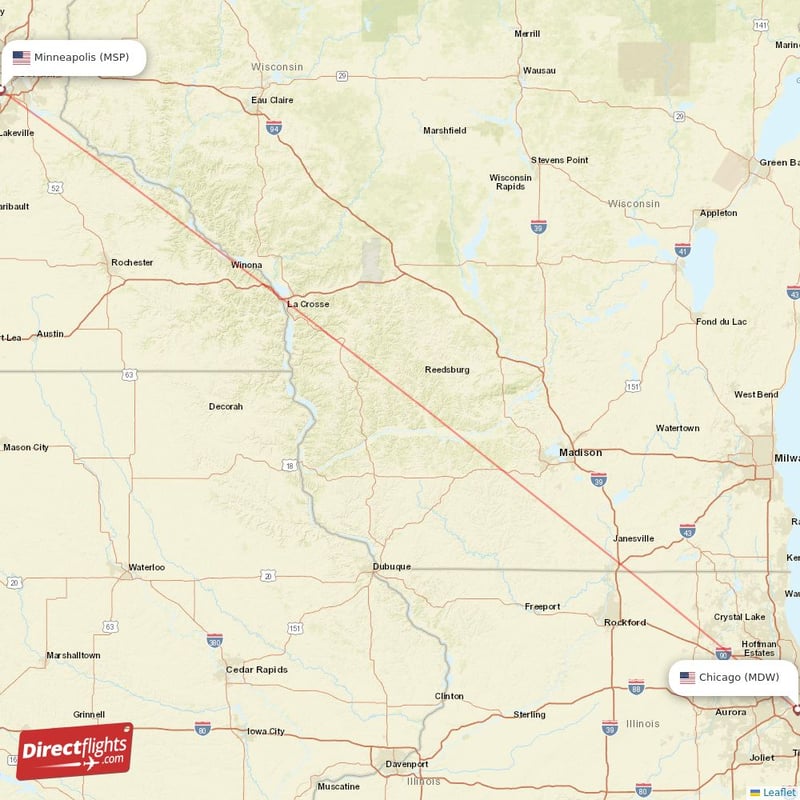
When considering air travel, the “as the crow flies” distance is naturally shorter. The direct flight distance between Minneapolis and Chicago is approximately 335 miles (about 540 kilometers). This makes flying a significantly quicker option for covering the physical distance.
A non-stop flight between Minneapolis-Saint Paul International Airport (MSP) and O’Hare International Airport (ORD) or Midway International Airport (MDW) typically takes around 1 hour to 1 hour and 15 minutes. While the flight itself is brief, the total travel time for air passengers must account for several additional factors: traveling to and from the airports, security checks, boarding procedures, and potential flight delays. When all these are considered, the door-to-door travel time can often add up to 3.5 to 5 hours, sometimes even more, especially during peak travel periods or if there are unexpected disruptions. This total time, however, is generally still less than the time required for driving.
Navigating the Journey: Transportation Options
Beyond simply knowing the distance, choosing the right mode of transportation is paramount for a comfortable and efficient trip. Each option comes with its own set of advantages and disadvantages, catering to different budgets, time constraints, and preferences.
Driving: The Classic American Road Trip
Driving offers unparalleled flexibility and the freedom to travel on your own schedule. It’s an ideal choice for those who enjoy the open road, wish to carry more luggage, or are traveling with family and pets. The primary routes, I-94 E and I-90 E, are well-maintained interstate highways, making the drive generally straightforward.
Benefits:
- Flexibility: Depart and stop whenever you please.
- Cost-effective for groups: Sharing fuel costs can make it cheaper than individual plane tickets.
- Scenic opportunities: Chance to explore towns and attractions along the way.
- Luggage capacity: No baggage restrictions beyond what fits in your vehicle.
Drawbacks:
- Fatigue: A long drive requires focus and can be tiring, especially for a single driver.
- Fuel costs: Can be substantial, particularly with rising gas prices.
- Wear and tear: Adds mileage to your vehicle.
- Traffic: Can encounter significant delays, especially near urban centers.
For drivers, a mid-point stop in Wisconsin can be beneficial. Cities like Madison or Milwaukee offer good opportunities for a break, a meal, or even an overnight stay if you prefer to split the journey.
Flying: Speed and Convenience
For travelers whose priority is minimizing travel time, flying is the clear winner. The short flight duration makes it attractive for business trips, weekend getaways, or urgent travel.
Benefits:
- Speed: Quickest way to cover the distance between cities.
- Comfort: Generally more comfortable than long drives for many people.
- Efficiency: Allows more time at your destination.
Drawbacks:
- Cost: Often the most expensive option, especially for last-minute bookings or multiple travelers.
- Airport hassle: Security lines, baggage claim, and transfers can add stress and time.
- Limited luggage: Baggage fees and restrictions apply.
- Environmental impact: Higher carbon footprint compared to other options.
Multiple airlines operate daily flights between Minneapolis-Saint Paul International Airport (MSP) and Chicago’s two major airports, O’Hare International Airport (ORD) and Midway International Airport (MDW), offering a range of choices for travelers.

Bus Travel: Economical and Accessible
Bus services provide a cost-effective and often direct way to travel between Minneapolis and Chicago. Companies like Greyhound and Megabus operate routes connecting the downtown areas of both cities, making it a convenient option for those without access to a car or looking to save money.
Benefits:
- Affordability: Typically the cheapest mode of transportation.
- Convenience: Drop-off and pick-up usually in city centers, reducing the need for additional transfers.
- No driving stress: Sit back, relax, or work during the journey.
Drawbacks:
- Longer travel time: Bus journeys can take significantly longer than driving or flying, often 8 to 10 hours, due to scheduled stops and traffic.
- Comfort: Can be less comfortable for extended periods, though many modern buses offer amenities like Wi-Fi and power outlets.
- Less flexibility: Adherence to a fixed schedule.
Train Travel: A Scenic Alternative
For those who value comfort, space, and a unique travel experience, train travel offers a distinct option. Amtrak’s Empire Builder route connects St. Paul Union Depot with Chicago Union Station. While not the fastest option, it provides a relaxing journey through the Midwestern landscape.
Benefits:
- Comfort and space: More legroom and freedom to move around compared to planes or buses.
- Scenery: Enjoy views of the countryside without the stress of driving.
- Relaxation: Opportunity to read, work, or simply unwind.
- No baggage fees: Generous baggage allowance.
Drawbacks:
- Duration: The train journey typically takes between 7.5 to 9 hours, comparable to or slightly longer than driving.
- Schedule frequency: Less frequent departures compared to flights or even some bus routes.
- Cost: Can be more expensive than bus travel, though often competitive with flying when booked in advance.
What to Consider When Planning Your Trip
Beyond the raw numbers of distance and time, several practical considerations will influence your travel plans and ultimately, your experience. Thinking through these aspects beforehand can save you time, money, and stress.
Time of Year and Weather
The Midwest experiences significant seasonal variations, which can drastically impact travel.
- Winter (December to March): Snow, ice, and freezing rain are common. Driving conditions can be hazardous, leading to slower travel times and potential road closures. Flights can be delayed or canceled due to blizzards or ice storms. If traveling by car, ensure your vehicle is winter-ready.
- Spring (April to May): While generally milder, spring can bring heavy rains and occasional severe thunderstorms, which might affect driving visibility and potentially delay flights.
- Summer (June to August): Generally the most pleasant time for travel, with warm temperatures and longer daylight hours. However, peak tourist season can mean increased traffic on roads and busier airports.
- Fall (September to November): Often characterized by crisp air and beautiful foliage, making it a scenic time for a drive. Weather is usually stable, though late fall can start to see early winter conditions.
Always check the weather forecast for your travel dates, especially if driving, and plan accordingly.
Budget and Cost Implications
The cost of your trip will vary significantly based on your chosen mode of transport and how far in advance you book.
- Driving: Primarily involves fuel costs, potential toll road fees (though less common on this route), and wear-and-tear on your vehicle. If you’re traveling with multiple people, splitting these costs can make driving very economical.
- Flying: Airfares fluctuate wildly based on demand, booking time, and airline. Factor in baggage fees, airport parking or ride-share costs, and ground transportation at your destination.
- Bus: Generally the most budget-friendly option, with tickets often available for a fraction of the cost of flights or even train tickets.
- Train: Ticket prices can range, offering competitive rates, especially for off-peak travel or if booked well in advance. Consider sleeper car options for longer journeys, though these significantly increase the cost.
Always compare prices across different platforms and consider flexibility with your travel dates to find the best deals.
Travel Preferences and Priorities
Your personal preferences and the purpose of your trip should guide your decision.
- Speed vs. Scenery: If getting there fast is your main goal, flying is superior. If you enjoy the journey and seeing the landscape, driving or taking the train might be more appealing.
- Solo vs. Group Travel: Driving can be economical for groups, while solo travelers might find flying or bus/train travel more convenient.
- Luggage Needs: If you have a lot of luggage, driving or taking the train offers more flexibility than flying.
- Comfort Level: Trains offer more space, while planes offer quick transitions. Buses are a no-frills option.
- Environmental Concerns: For the environmentally conscious, train or bus travel generally has a lower carbon footprint per passenger than flying or driving solo.
Enhancing Your Journey: Stops Along the Way (If Driving)
If you choose the driving route, the journey through Wisconsin offers several opportunities to break up the drive, stretch your legs, and perhaps discover a new place. While the goal is to get from Minneapolis to Chicago, these brief detours can enrich the travel experience without significantly extending your overall travel time if managed efficiently.
Potential Midwestern Delights
- Madison, Wisconsin: Roughly halfway between Minneapolis and Chicago, Madison is the capital of Wisconsin and a vibrant college town. A quick stop can include a stroll around the beautiful State Capitol building or a walk along the shores of Lake Mendota. It’s a great place for a meal or a coffee break.
- Milwaukee, Wisconsin: Closer to Chicago, Milwaukee is a larger city known for its brewing heritage and vibrant arts scene. If you have a bit more time, consider visiting the Harley-Davidson Museum or grabbing a bite at a lakeside restaurant. This stop might be more suitable if you’re planning an overnight stay, as it’s a bit of a detour from the most direct route.
- Wisconsin Dells, Wisconsin: A popular family destination, the Wisconsin Dells offers numerous water parks and attractions. While a full visit would require a significant stop, it could be a fun place for families to stretch their legs and grab a quick meal, depending on the route taken off the main interstate.
- Roadside Attractions: Along both I-94 and I-90, you’ll find various small towns and roadside eateries that offer local flavor. These can provide charming, unexpected breaks from highway driving. Look for local cheese shops in Wisconsin for a genuine taste of the region.
When planning stops, remember that adding detours will increase your overall travel time. It’s best to decide beforehand whether your priority is the fastest possible journey or an enriched travel experience with occasional breaks. For a typical 6-7 hour drive, a single substantial stop or two shorter breaks are usually sufficient to maintain comfort and safety.
In conclusion, the journey from Minneapolis to Chicago offers a variety of travel options, each with its unique blend of time, cost, and experience. By carefully considering the distance, mode of transportation, seasonal factors, budget, and your personal travel preferences, you can tailor your trip to be as efficient, enjoyable, or economical as you desire. Whichever path you choose, the vibrant energy of both Minneapolis and Chicago awaits, promising a memorable Midwestern adventure.
LifeOutOfTheBox is a participant in the Amazon Services LLC Associates Program, an affiliate advertising program designed to provide a means for sites to earn advertising fees by advertising and linking to Amazon.com. Amazon, the Amazon logo, AmazonSupply, and the AmazonSupply logo are trademarks of Amazon.com, Inc. or its affiliates. As an Amazon Associate we earn affiliate commissions from qualifying purchases.