
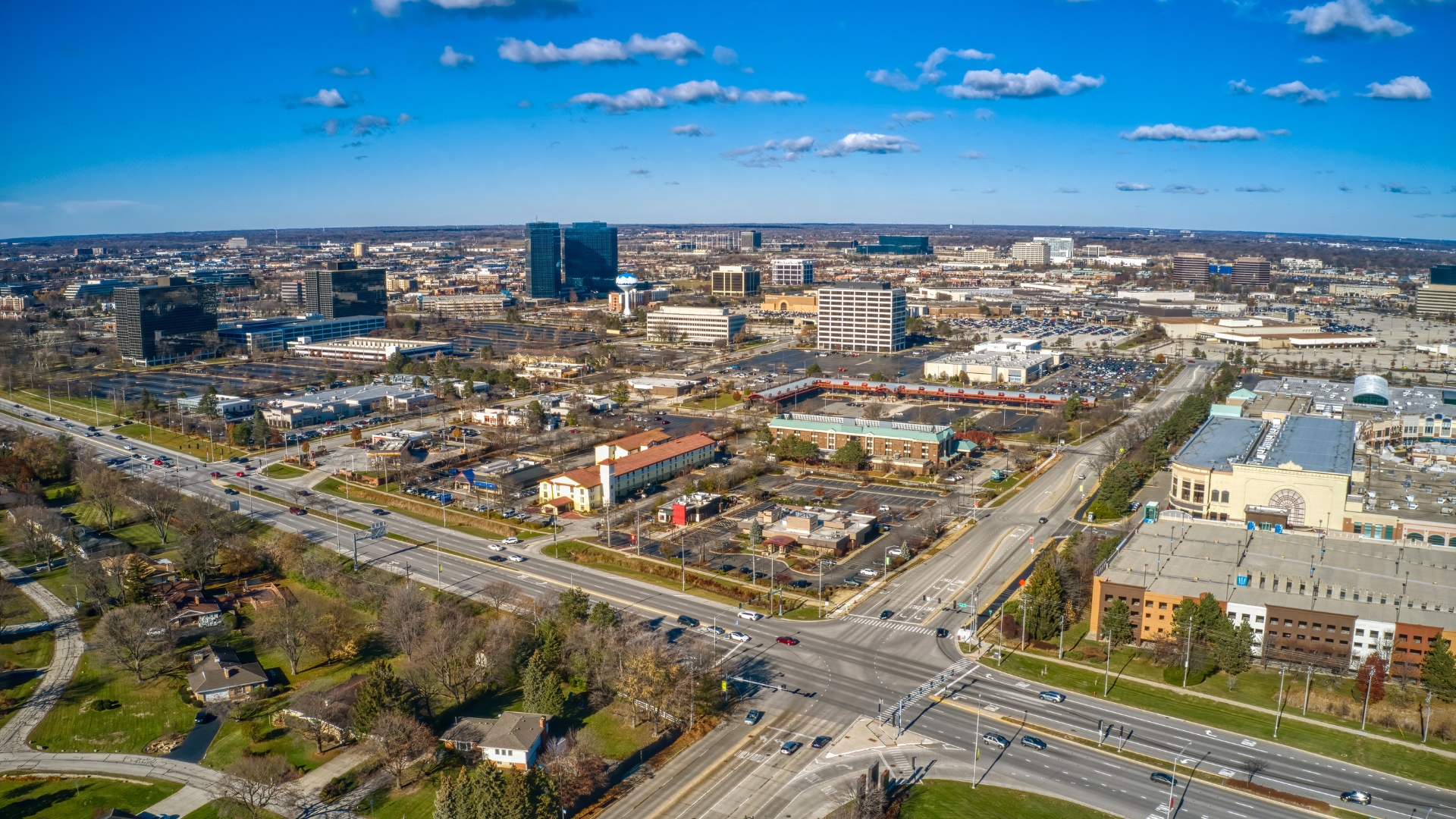
For countless commuters, visitors, and residents across the United States, understanding the spatial relationship between urban centers and their suburban counterparts is a frequent necessity. When considering travel within the dynamic Midwest region, particularly in Illinois, the question “How far is Schaumburg from Chicago?” arises with notable regularity. Schaumburg, a prominent village nestled within Cook County and partially extending into DuPage County, serves as a robust economic hub and a significant residential area, making its proximity and connectivity to the bustling metropolis of Chicago of prime interest. This comprehensive guide delves into the various facets of this journey, offering insights into distance, travel times, transportation options, and considerations for anyone planning to traverse this popular route.
Unveiling the Distance: A Geographical Perspective
The physical distance between two points on a map is often the first piece of information sought by any traveler. However, the true “distance” can be more nuanced, influenced by specific starting and ending points, as well as the chosen route.
The Straightforward Answer: Miles and Direction
At its core, Schaumburg is situated approximately 28 to 30 miles (45 to 48 kilometers) northwest of downtown Chicago. This figure represents a direct line, or the most common driving route from the heart of one location to the other. For instance, from the Schaumburg Municipal Center to Chicago’s Millennium Park, the distance falls squarely within this range. The journey typically involves navigating major interstate highways, which, while direct, are also susceptible to the ebb and flow of metropolitan traffic.
Understanding the Urban Sprawl: Factors Affecting Perceived Distance
While 30 miles might seem a manageable distance, the reality of navigating a major metropolitan area like Chicago means that the perceived distance can vary greatly. The expansive suburban sprawl surrounding Chicago means that while Schaumburg is clearly outside the city limits, it remains intrinsically linked to the broader regional infrastructure. Factors such as the proximity to O’Hare International Airport (which lies roughly halfway between the two) can make Schaumburg feel both connected and distinct from the urban core. Understanding this geographical context is crucial for anticipating travel experiences.
Seamless Connections: Your Transportation Guide
Traveling between Schaumburg and Chicago offers a variety of transportation options, each with its own set of advantages regarding cost, convenience, and travel time. The choice often depends on individual preferences, budget, and the specific purpose of the trip.
Driving: The Most Common Route
For many, driving remains the preferred method of travel due to its flexibility and convenience, especially for those with their own vehicles or rental cars. The primary routes involve a network of interstates:
- Interstate 90 (I-90 / Jane Addams Memorial Tollway): This is arguably the most direct and frequently used route. It’s a toll road, so travelers should be prepared for electronic toll collection (I-Pass or pay-by-plate options are available). I-90 typically runs east from Schaumburg directly into Chicago’s downtown area.
- Interstate 290 (I-290 / Eisenhower Expressway): An alternative route, often accessed via Interstate 355 (Veterans Memorial Tollway) from the southern parts of Schaumburg or surrounding areas. I-290 also leads directly into downtown Chicago, but it’s notorious for heavy traffic during peak hours.
Tolls: Be aware that most major highways connecting Schaumburg and Chicago are part of the Illinois Tollway system. Utilizing an I-Pass transponder offers discounted rates and seamless travel; otherwise, “pay-by-plate” options allow online payment within a specific timeframe after your trip.
Parking Considerations in Chicago: Driving into Chicago means contending with potentially expensive and limited parking. Researching parking garages or lots in advance, especially near your destination, is highly recommended. Many downtown hotels offer valet parking, often at a premium.
Public Transportation: Metra and Pace Services
For those looking to avoid traffic and parking hassles, public transportation offers a reliable alternative. The regional transit authorities provide excellent connectivity.
- Metra (Commuter Rail): Metra is the backbone of commuter travel between Schaumburg and Chicago. The Milwaukee District West Line serves Schaumburg with several stations, including the Schaumburg station itself. This line terminates at Chicago’s Union Station downtown, a central hub offering easy transfers to the Chicago Transit Authority (CTA) system (buses and ‘L’ trains). Travel time by Metra is typically around 45-60 minutes, offering a stress-free journey where passengers can relax or work.
- Pace (Suburban Bus Service): Pace provides extensive bus services throughout Schaumburg and the surrounding suburbs, often connecting to Metra stations. While Pace buses primarily facilitate local travel, they are integral for reaching the Metra stations if you’re not within walking distance. Some express Pace routes also connect directly to CTA lines or even certain areas of Chicago, though this is less common for a direct Schaumburg to downtown Chicago commute.
Ride-Sharing and Taxis: Convenience at a Cost
Services like Uber and Lyft are readily available in both Schaumburg and Chicago. These offer a convenient, door-to-door experience, particularly useful for travelers with luggage or those needing to reach destinations not easily accessible by public transit. However, the cost can be significantly higher than public transportation, especially during peak demand or adverse weather conditions. Taxi services also operate, typically offering similar rates to ride-sharing.
Cycling: An Ambitious Alternative
For the adventurous and fit, cycling between Schaumburg and Chicago is an option, although it is not for the faint of heart. Dedicated bike paths exist for portions of the journey, but significant stretches would involve navigating suburban and urban roads, some without bike lanes. This option is primarily for recreational cyclists seeking a challenge, rather than a practical daily commute or leisure trip. The full ride could take 2-4 hours, depending on speed and route.
Optimizing Your Travel Time: What to Expect
Knowing the distance is one thing, but understanding the time commitment is another. Travel time between Schaumburg and Chicago is highly variable.
Peak Hours vs. Off-Peak Journeys
- Driving: During rush hour (typically 6:30 AM – 9:30 AM and 3:30 PM – 6:30 PM on weekdays), a 30-mile drive can easily stretch to 1 hour 15 minutes to 2 hours or even more, depending on accidents or construction. Outside of these peak times, the drive can be as quick as 35-50 minutes. Weekends generally see lighter traffic, but major events in Chicago can cause significant delays.
- Public Transportation: Metra train times are generally consistent, ranging from 45 minutes to an hour for the train portion. However, factoring in travel to and from the Metra station in Schaumburg and onward travel from Union Station in Chicago (via CTA or walking) adds to the total journey time, often bringing it to 1 hour 15 minutes to 1 hour 45 minutes door-to-door.
The Impact of Weather and Road Conditions
Illinois weather can be a significant factor. Heavy snow, ice, or dense fog can dramatically increase driving times and occasionally disrupt public transport schedules. Always check weather forecasts and traffic alerts before embarking on your journey. Construction, which is a perennial feature of urban roadways, can also introduce unexpected delays.
Calculating Commute vs. Leisure Travel Time
For daily commuters, consistency is key, and Metra often provides the most predictable schedule. Leisure travelers, with more flexibility, might opt for off-peak driving to minimize travel time and stress. When planning a leisure trip, allow ample buffer time, especially if you have tickets for specific events or performances.
Beyond the Miles: Why Traverse Between Schaumburg and Chicago?
The connection between Schaumburg and Chicago is multifaceted, driven by a blend of economic, cultural, and personal motivations.
Business and Economic Ties
Schaumburg is a major economic hub in its own right, home to numerous corporate headquarters, convention centers, and the colossal Woodfield Mall. Many professionals commute between the two areas, with Schaumburg residents working in Chicago and vice versa. Its proximity to O’Hare International Airport further cements its importance for regional and national business travel.
Cultural Exploration and Entertainment
Chicago, as a world-class city, offers an unparalleled array of cultural attractions, dining experiences, and entertainment options. Residents of Schaumburg frequently travel to the city to enjoy:
- Museums: The Art Institute of Chicago, Field Museum, Museum of Science and Industry.
- Theaters: Broadway in Chicago, Steppenwolf Theatre, Goodman Theatre.
- Attractions: Millennium Park (with its iconic “Bean”), Navy Pier, the Magnificent Mile for shopping.
- Sports: Home to numerous professional sports teams (Bulls, Blackhawks, Cubs, White Sox, Bears).
Conversely, Schaumburg itself offers unique attractions that draw visitors from Chicago and beyond:
- Shopping: Woodfield Mall, one of the largest malls in the United States.
- Family Entertainment: LEGOLAND Discovery Center Chicago.
- Nature and Recreation: Busse Woods (Ned Brown Preserve) offers extensive trails for biking, hiking, and wildlife viewing.
Residential Commuting and Educational Pursuits
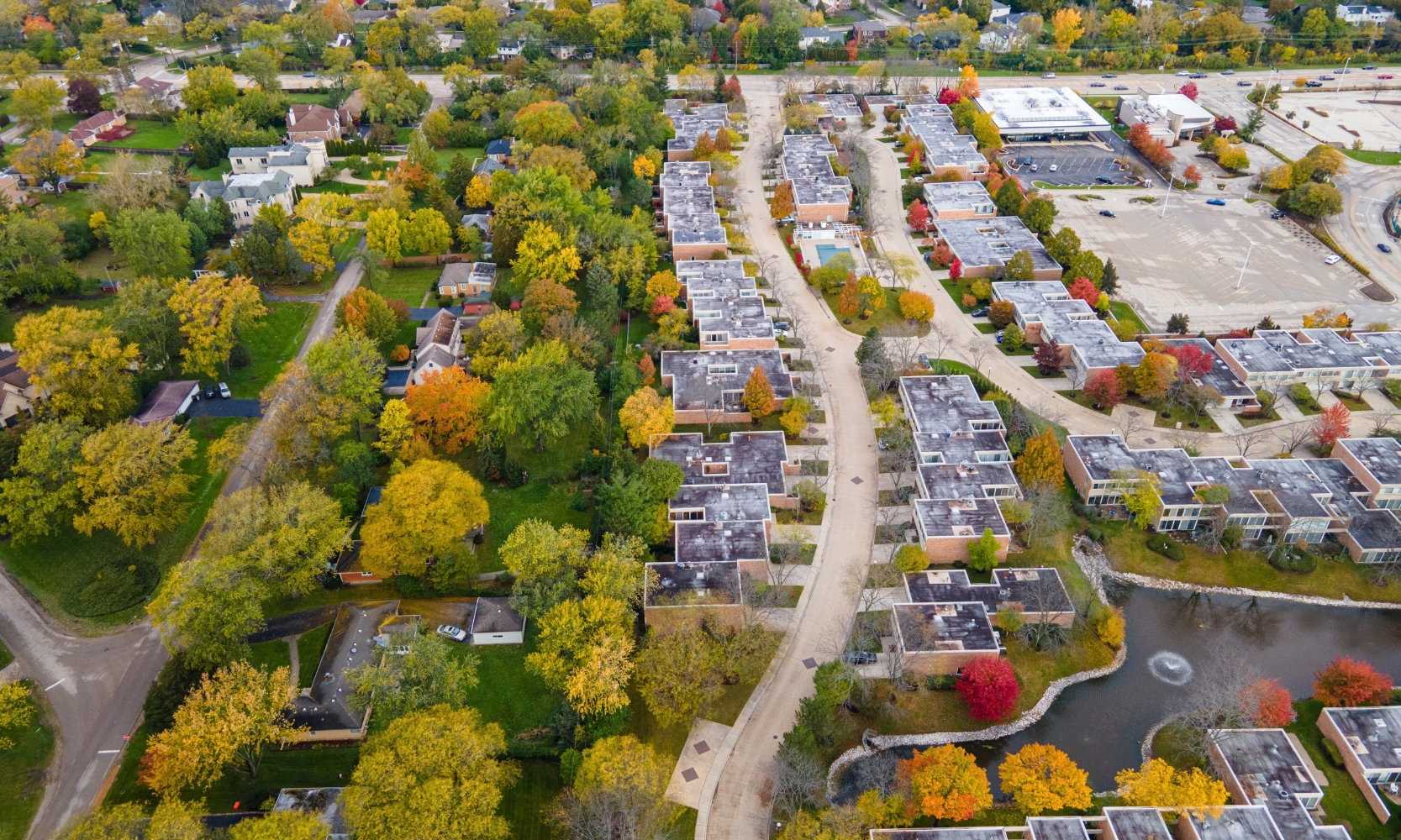
Many individuals choose to live in Schaumburg for its suburban quality of life, excellent schools, and relative affordability compared to Chicago, while still commuting to the city for work or higher education. This dynamic reinforces the strong travel link between the two locations.
Planning Your Excursion: Tips for a Smooth Journey
Regardless of your reason for travel, a well-planned trip ensures a more enjoyable and less stressful experience.
Leveraging Real-time Navigation Apps
Utilize apps like Google Maps, Apple Maps, or Waze for real-time traffic updates, estimated travel times, and alternative route suggestions when driving. For public transport, apps like Transit or the official Metra and CTA apps provide schedules, delays, and trip planning functionalities.
Considering Parking Strategies
If driving into Chicago, pre-booking parking online through services like SpotHero or ParkWhiz can save both time and money. Familiarize yourself with parking restrictions and street cleaning schedules to avoid fines.

Embracing Public Transit for Stress-Free Travel
For leisure trips to downtown Chicago attractions, taking the Metra is often the most relaxing option. It eliminates the stress of traffic, tolls, and navigating unfamiliar streets, allowing you to arrive refreshed and ready to explore. Consider purchasing a multi-day or weekend Metra pass for added value if you plan multiple trips.
In conclusion, the journey from Schaumburg to Chicago is more than just a matter of miles; it’s a testament to the integrated nature of this vibrant Illinois region. With a clear understanding of the distance, a variety of reliable transportation options, and thoughtful planning, traversing between these two dynamic locations can be a seamless and rewarding experience for any traveler.
LifeOutOfTheBox is a participant in the Amazon Services LLC Associates Program, an affiliate advertising program designed to provide a means for sites to earn advertising fees by advertising and linking to Amazon.com. Amazon, the Amazon logo, AmazonSupply, and the AmazonSupply logo are trademarks of Amazon.com, Inc. or its affiliates. As an Amazon Associate we earn affiliate commissions from qualifying purchases.