
Embarking on a journey between two of the Midwest’s most iconic cities, St. Louis and Chicago, is a common venture for business travelers, vacationers, and those simply exploring the heart of America. Understanding the distance and the various ways to traverse it is the first crucial step in planning an efficient and enjoyable trip. This guide delves into the specifics of the journey, offering insights into travel logistics, timeframes, and considerations to help you prepare for your inter-city adventure.
The question of “how far” isn’t merely about miles; it encompasses the time, effort, and resources required to bridge the geographical gap. Whether you prefer the open road, the rhythmic hum of a train, the swiftness of air travel, or the economy of a bus, each mode offers a distinct experience shaped by the distance and the routes available. From the historic banks of the Mississippi River in St. Louis to the bustling shores of Lake Michigan in Chicago, the journey itself is an integral part of the travel experience, connecting two vibrant cultural hubs.
The Core Distance: A Midwestern Connection
At its heart, the distance between St. Louis, Missouri, and Chicago, Illinois, represents a significant yet manageable stretch across the American Midwest. Understanding both the direct “as the crow flies” distance and the practical driving distance is essential for accurate travel planning.
Straight-Line vs. Driving Distance
The straight-line or aerial distance between downtown St. Louis and downtown Chicago is approximately 260 miles (about 418 kilometers). This figure is useful for understanding the general proximity and for calculating flight paths, but it doesn’t reflect the reality of ground travel.
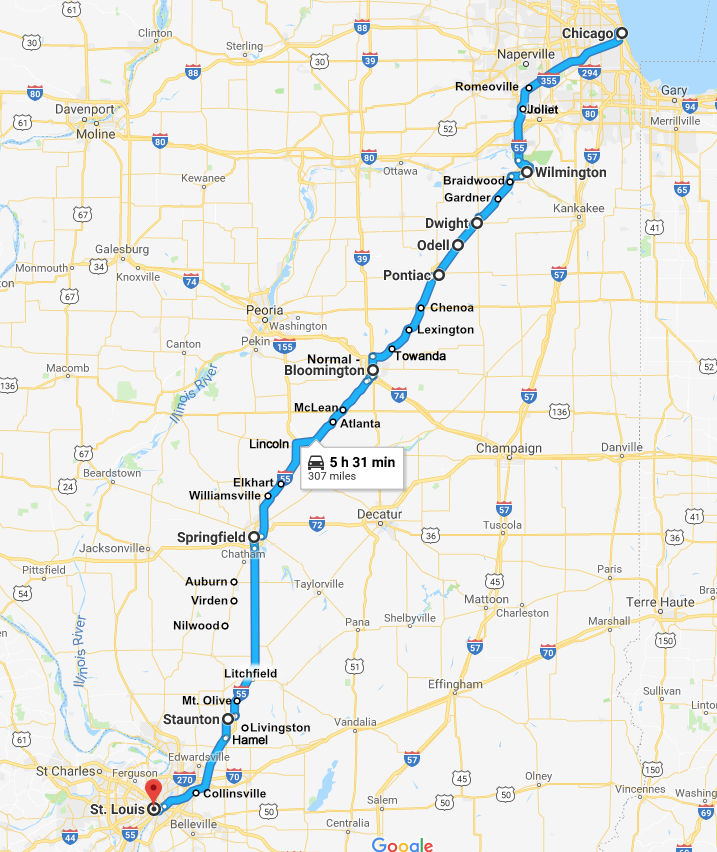
For most travelers, the more relevant measurement is the driving distance. The most direct and commonly used route by car typically involves Interstate 55 (I-55). This route covers approximately 290 to 300 miles (about 467 to 483 kilometers), depending on the exact starting and ending points within each city. This difference between aerial and driving distance is due to the necessity of following established road networks, which inevitably involve curves, detours, and direct paths that might not be perfectly straight. The practical driving time for this distance generally ranges from 4.5 to 5.5 hours under ideal conditions, without factoring in significant traffic, stops, or adverse weather.
Why Proximity Matters for Travelers
The relatively short distance between these two major metropolitan areas makes them prime candidates for various types of travel. For business professionals, it allows for convenient day trips or short overnight stays, fostering economic and professional connections between the cities. For leisure travelers, it opens up opportunities for weekend getaways, sporting event attendance, or cultural excursions without the extensive time commitment or cost associated with longer journeys.
This proximity also makes travel between St. Louis and Chicago highly accessible. A variety of transportation options are available, catering to different budgets, time constraints, and preferences for comfort or efficiency. The well-established infrastructure, particularly Interstate 55, facilitates smooth transit, making the route a cornerstone of Midwestern travel.
Navigating the Journey: Your Transportation Options
The route between St. Louis and Chicago is well-serviced by multiple modes of transportation, each offering unique benefits and drawbacks. Your choice will depend on factors like budget, time sensitivity, comfort preferences, and the purpose of your trip.
By Car: The Classic American Road Trip
Driving is arguably the most popular way to travel between St. Louis and Chicago. The primary route, Interstate 55, is a direct and relatively straightforward highway. The journey typically takes between 4.5 and 5.5 hours, assuming good road conditions and minimal traffic.
Pros:
- Flexibility: You control your schedule, departure time, and stops along the way.
- Cost-effective for groups: For two or more travelers, sharing gas costs can be cheaper than individual train or plane tickets.
- Luggage: No restrictions on baggage size or weight, making it ideal for longer stays or those with extensive gear.
- Accessibility: Direct access to destinations within both cities without needing additional ground transportation.
Cons:
- Driver fatigue: A 5-hour drive can be tiring, requiring breaks.
- Traffic: Heavy congestion, especially around metropolitan areas like Chicago, can significantly extend travel time.
- Parking: Finding and paying for parking in Chicago can be expensive and challenging.
Riding the Rails: Amtrak’s Midwestern Service
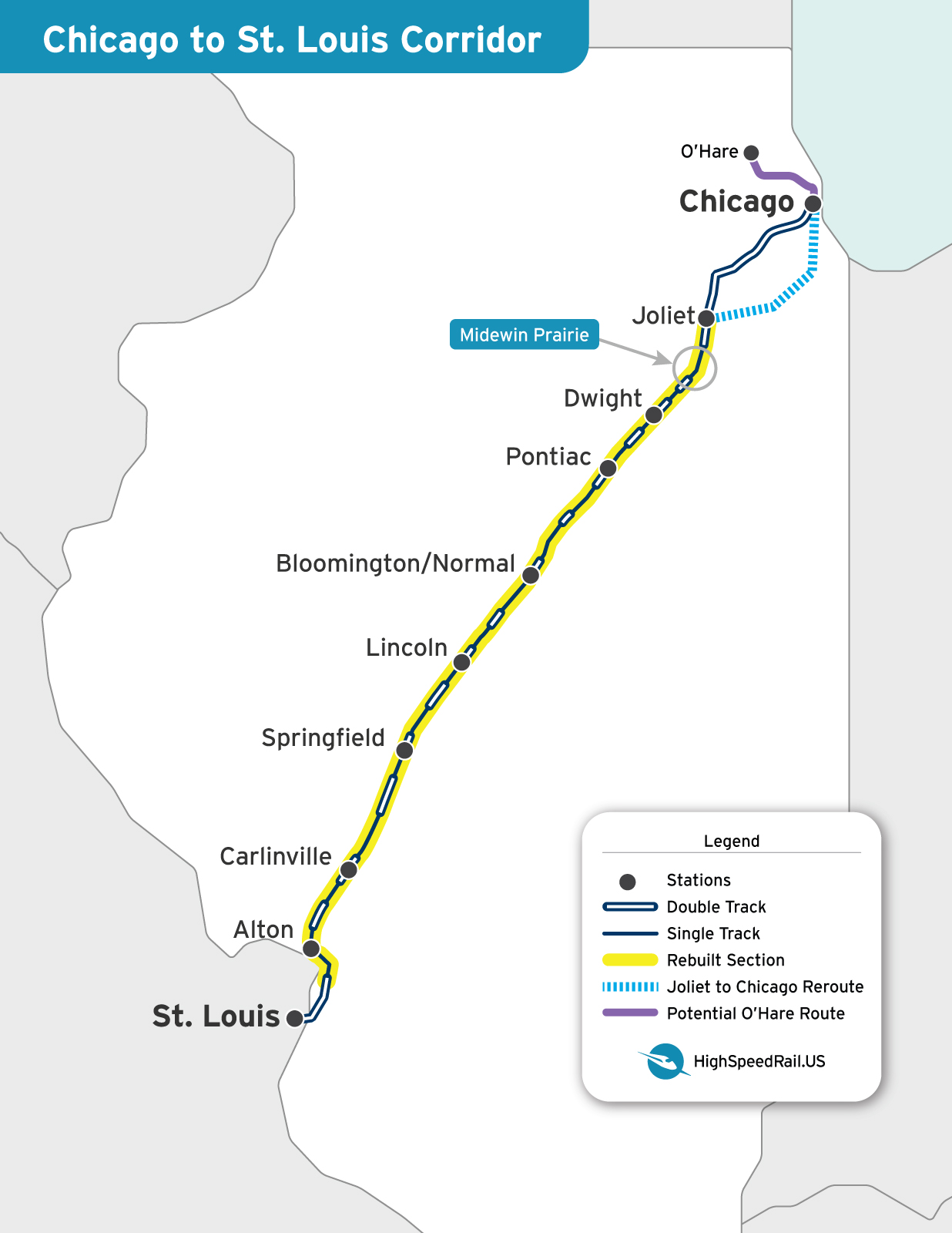
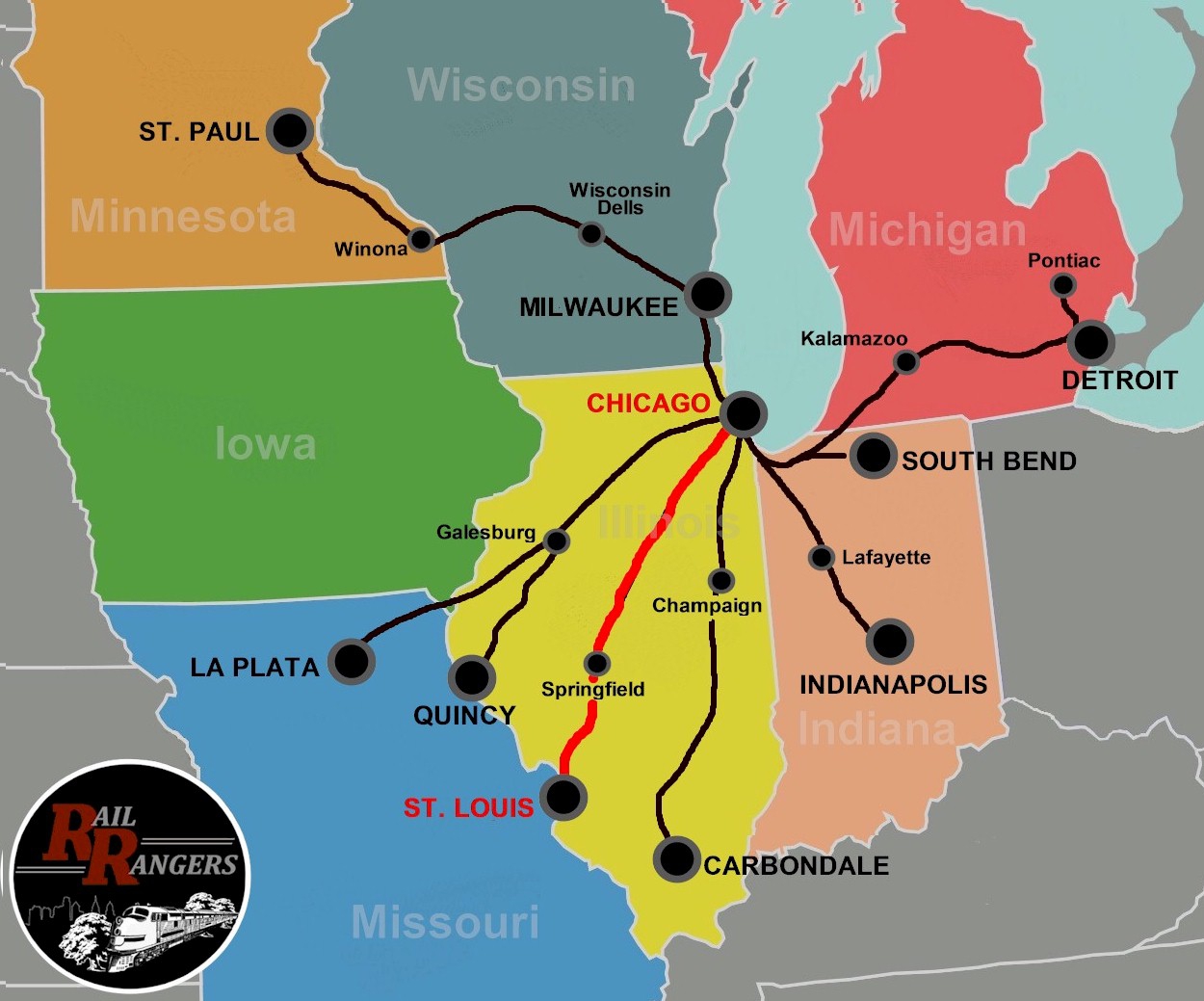
Amtrak offers regular passenger rail service between St. Louis and Chicago via its Lincoln Service route. This comfortable option allows travelers to relax and enjoy the scenery without the stress of driving.
Pros:
- Comfort: Spacious seating, legroom, and the ability to walk around.
- Scenery: Enjoy views of the Illinois countryside.
- Convenience: Stations are typically centrally located in both cities, offering easy access to public transportation. The St. Louis station is managed by the Terminal Railroad Association of St. Louis.
- No traffic worries: Trains run on their own tracks, unaffected by road congestion.
Cons:
- Travel Time: The train journey usually takes around 5 to 5.5 hours, comparable to driving but often with fewer stops.
- Schedule Dependency: You are tied to Amtrak’s fixed schedules.
- Cost: Tickets can sometimes be more expensive than driving (especially for solo travelers) or bus fares, depending on booking time.
Air Travel: Quickest but with Caveats
While the flight time itself is short, air travel between St. Louis and Chicago needs to account for the entire airport experience. Direct flights are available from St. Louis Lambert International Airport (STL) to both O’Hare International Airport (ORD) and Midway International Airport (MDW) in Chicago.
Pros:
- Speed: Flight time is typically just over an hour.
- Efficiency for tight schedules: If time is of the essence and ground travel is heavily congested, flying can be quicker overall.
Cons:
- Total Travel Time: When factoring in check-in, security, boarding, taxiing, and travel to/from airports (which can be far from city centers), the total door-to-door time often rivals or exceeds driving/train travel for this distance.
- Cost: Airfares can fluctuate widely and are often the most expensive option, especially for last-minute bookings.
- Logistics: Dealing with airport security, baggage claim, and ground transportation at both ends adds complexity.
Bus Services: An Economical Choice
Bus companies like Greyhound and FlixBus offer regular services between St. Louis and Chicago, presenting the most budget-friendly option for many travelers.
Pros:
- Affordability: Generally the cheapest mode of transport.
- Convenience: Multiple daily departures and stops at central bus terminals.
Cons:
- Travel Time: Bus journeys are typically the longest, often ranging from 5.5 to 7 hours, due to multiple stops and potential traffic delays.
- Comfort: While modern buses offer amenities like Wi-Fi and power outlets, seating can be less spacious than trains or cars.
Factors Influencing Travel Time and Experience
Beyond the raw distance, several external and personal factors play a significant role in determining the actual time and overall experience of your trip from St. Louis to Chicago.
Traffic and Road Conditions
For drivers and bus passengers, traffic is the primary variable affecting travel time. Peak hours in and around both St. Louis and Chicago can add significant delays. Weekday mornings (6-9 AM) and afternoons (3-6 PM) are typically the worst, as are holiday weekends. Construction on Interstate 55, though usually well-managed, can also cause bottlenecks. Utilizing real-time navigation apps can help in identifying and, if possible, avoiding congestion.
Weather’s Impact on Travel
The Midwest experiences a full range of seasons, and weather conditions can heavily influence travel.
- Winter: Snow, ice, and freezing rain can make driving hazardous, reduce visibility, and lead to road closures or significant delays. Flights can be delayed or canceled due to snowstorms, and even trains can experience minor delays.
- Spring/Summer: While generally pleasant, severe thunderstorms can bring heavy rain, strong winds, and occasional tornadoes, affecting all modes of transport. Fog can also be an issue, particularly for air and road travel.
Always check the weather forecast for your travel day, especially if driving, and plan accordingly with extra time or by considering alternative modes.
Budgetary Considerations for Each Mode
The cost of travel can vary dramatically.
- Driving: Primarily involves fuel costs, potential tolls (minimal on I-55 for this route, but can be encountered if detouring), and parking fees in Chicago. Cost-effective for groups.
- Train/Bus: Ticket prices are per person and vary based on how far in advance you book, time of day, and demand. Buses are generally cheaper than trains.
- Flying: Airfares can be highly variable. Factor in baggage fees, airport transportation (taxis, ride-shares, public transit), and potentially more expensive food/drink at airports.
Comparing total costs, including incidentals, is crucial for budget-conscious travelers.
Comfort and Convenience: What’s Your Priority?
Your personal preference for comfort and convenience should heavily influence your choice.
- Driving offers ultimate flexibility and privacy but can be stressful for the driver.
- Train travel is often lauded for its comfort, allowing passengers to work, read, or simply relax without driving. It’s also a great way to experience a more traditional mode of travel.
- Flying is quick but involves the least comfortable “waiting” experience (security lines, gate delays) and often cramped seating.
- Bus travel is economical but can be the least comfortable option for longer journeys, though modern coaches are improving.
Consider what aspects of the journey matter most to you – the ability to stretch your legs, access to amenities, or simply getting from point A to point B as quickly as possible.
Planning Your Trip Between St. Louis and Chicago
Thoughtful planning can transform a simple journey into a seamless and enjoyable part of your overall travel experience. Considering details like timing, packing, and making the most of your journey are key.
Best Times to Travel
Choosing the right time to travel can significantly impact your experience.
- Avoid Peak Hours: If driving, aim to depart early in the morning (before 6 AM) or late in the morning (after 9 AM) to avoid rush hour traffic in both cities. Similarly, avoid the afternoon commute (3-6 PM).
- Mid-Week Travel: Tuesday, Wednesday, and Thursday typically see lighter traffic and potentially lower fares for trains and buses compared to weekends.
- Seasonal Considerations: Late spring and early autumn generally offer the most pleasant weather for driving, with fewer risks of severe weather. Summer can be hot but is popular for family travel. Winter travel requires careful monitoring of weather conditions.
Essential Packing and Preparation
Regardless of your mode of transport, a few preparations can enhance your journey:
- Snacks and Drinks: Especially for longer drives or train/bus rides, having your preferred snacks and beverages can save money and keep you comfortable.
- Entertainment: Books, podcasts, music, or downloaded movies are great for passing the time. Ensure devices are fully charged and consider a portable charger.
- Comfort Items: A neck pillow, blanket, or comfortable headphones can make a big difference, particularly on trains or buses.
- Documents: Keep your ID, tickets, and any reservation confirmations easily accessible.
- Route Planning (if driving): Have an offline map or GPS backup in case of patchy cell service.
- Comfortable Clothing: Dress in layers to adjust to varying temperatures during travel.
Making the Most of Your Journey
Even a relatively short journey like St. Louis to Chicago can be an opportunity for enjoyment.
- Road Trip Stops: If driving, consider brief stops at interesting towns or roadside attractions along Interstate 55 in Illinois for a stretch or a quick meal.
- Utilize Travel Time: For business travelers, this is an excellent opportunity to catch up on emails, prepare for meetings, or simply decompress. For leisure travelers, it’s a chance to relax and anticipate the destination.
- Engage with Travel Companions: The journey is a perfect time for conversation and connection.
A Tale of Two Cities: Destinations at Each End
While the focus of this article is the journey, it’s worth noting the distinct appeal of the destinations at either end. Both St. Louis and Chicago offer rich cultural experiences and attractions, making the travel between them a connection between two vibrant Midwestern centers.
Discovering St. Louis
St. Louis, known as the “Gateway to the West,” is steeped in history and offers a blend of iconic landmarks and lively neighborhoods. Its most recognizable feature is the magnificent Gateway Arch, an architectural marvel symbolizing the westward expansion of the United States. Visitors can ascend to the top for panoramic views of the city and the Mississippi River or explore the Museum of Westward Expansion at its base. Other notable attractions include Busch Stadium, home of the St. Louis Cardinals, and the historic Anheuser-Busch Brewery. The city’s free attractions, diverse food scene, and vibrant arts community provide plenty to explore before or after your journey.
Experiencing Chicago
Chicago, the “Windy City,” is a global metropolis renowned for its stunning architecture, world-class museums, and dynamic culinary scene. Upon arrival, travelers can immerse themselves in cultural institutions like the Art Institute of Chicago, stroll through Millennium Park to see iconic public art like Cloud Gate (often called “The Bean”), or marvel at the city skyline from the top of the Willis Tower Skydeck. Shopping enthusiasts can explore the famous Magnificent Mile, while foodies can indulge in deep-dish pizza and a myriad of diverse dining options. Chicago’s energetic atmosphere and endless entertainment options make it a compelling destination.
In conclusion, the journey between St. Louis and Chicago is not an arduous one, with a manageable distance and a wealth of transportation choices. By carefully considering your priorities—be it cost, speed, comfort, or flexibility—and planning effectively, you can ensure your travel between these two great American cities is as smooth and enjoyable as the destinations themselves.
LifeOutOfTheBox is a participant in the Amazon Services LLC Associates Program, an affiliate advertising program designed to provide a means for sites to earn advertising fees by advertising and linking to Amazon.com. Amazon, the Amazon logo, AmazonSupply, and the AmazonSupply logo are trademarks of Amazon.com, Inc. or its affiliates. As an Amazon Associate we earn affiliate commissions from qualifying purchases.