
Embarking on a journey from the bustling metropolis of Chicago, Illinois, to the vibrant heart of the New South, Atlanta, Georgia, is a common route for business travelers, tourists, and those visiting friends and family alike. While the precise duration of a flight can fluctuate due to a myriad of factors, understanding the typical travel times and what influences them is crucial for planning an efficient and stress-free trip. This comprehensive guide delves into the specifics of flying between these two major American cities, offering insights into flight durations, airport logistics, and tips for a seamless travel experience.
Understanding Flight Duration: Factors at Play
The advertised flight time is often just one piece of the puzzle. Several elements coalesce to determine the actual duration of your airborne journey from the Midwest to the Southeast. From the type of service you choose to environmental conditions, being aware of these variables can help set realistic expectations for your travel day.
Direct vs. Connecting Flights
The most significant differentiator in flight duration is whether you opt for a direct (non-stop) flight or one with layovers. A direct flight, as the name suggests, takes you from your departure gate in Chicago directly to your arrival gate in Atlanta without any intermediate stops. Connecting flights, on the other hand, involve landing at one or more airports in between, requiring passengers to disembark, often change terminals, and board a new flight. While direct flights offer the quickest travel time, connecting flights can sometimes be more economical or necessary if direct routes are unavailable for specific dates or times.
Aircraft Type and Speed
Different aircraft models possess varying cruising speeds and operational efficiencies. Larger jets typically fly faster and higher, potentially shaving a few minutes off the overall flight time compared to smaller regional jets. However, the difference in air travel between Chicago and Atlanta due to aircraft type is usually marginal, often measured in minutes rather than hours. The primary impact of aircraft type on your total travel duration usually comes down to seating comfort and available amenities rather than speed for this specific route.
Weather Conditions and Air Traffic Control
Nature’s unpredictability plays a substantial role in flight times. Headwinds can slow an aircraft down, increasing flight duration, while tailwinds can provide a boost, shortening the trip. Severe weather systems, such as thunderstorms or blizzards, can necessitate rerouting flights, causing delays and extending airborne time. Furthermore, air traffic control (ATC) plays a critical role in managing the flow of aircraft. Congestion in the airspace around major hubs like Chicago and Atlanta can lead to holding patterns, where planes circle before being cleared to land, adding minutes to the journey. ATC decisions are paramount for safety and efficiency, sometimes prioritizing one over the other.
Pre-Flight and Post-Flight Logistics
While not strictly part of the “flight duration,” it’s vital to consider the time spent before takeoff and after landing. This includes check-in, security screening, boarding, taxiing to the runway, deplaning, retrieving luggage, and ground transportation from the airport. For international flights, customs and immigration procedures would add further time, but for a domestic route like Chicago to Atlanta, these are typically streamlined. Nevertheless, these logistical phases add significant time to the overall travel experience and should always be factored into your schedule.
Typical Flight Times Between Chicago and Atlanta
When flying between Chicago and Atlanta, passengers can generally expect a relatively consistent non-stop flight duration. Understanding these benchmarks can help in selecting the most suitable flight for your itinerary.
Non-Stop Flight Estimates
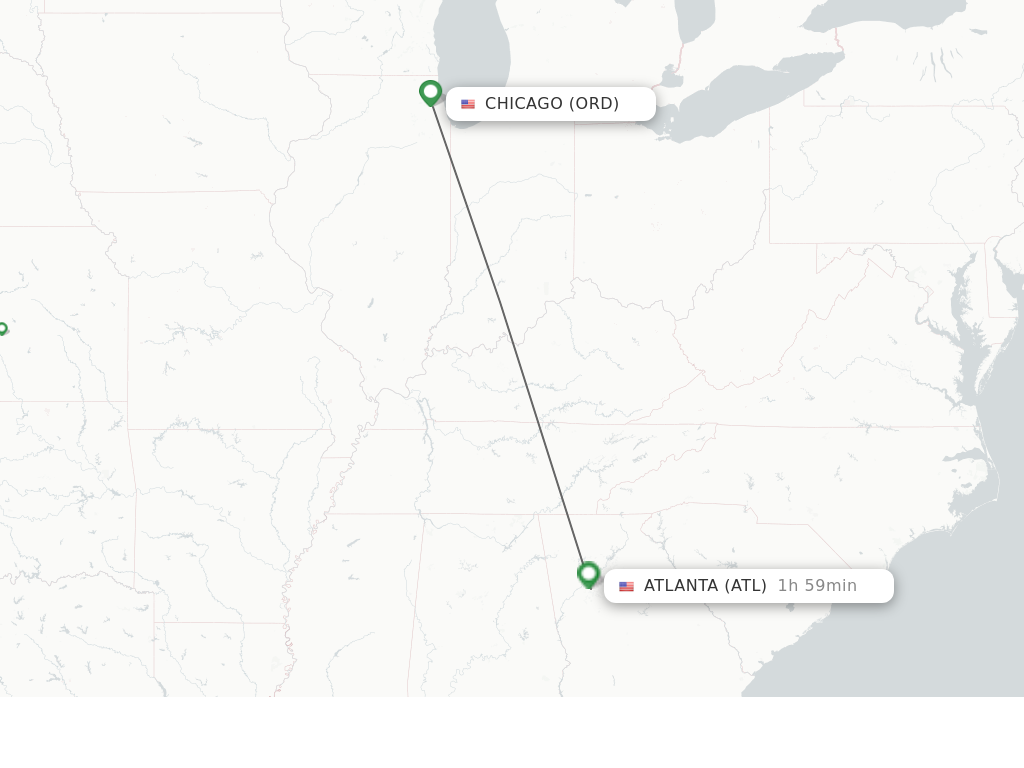
A direct, non-stop flight from Chicago to Atlanta typically ranges from 1 hour and 45 minutes to 2 hours and 15 minutes in the air. This aerial journey covers an approximate distance of 590 to 600 miles (about 950 to 965 kilometers). The variance within this range is primarily due to factors such as specific flight paths, the precise gate-to-gate taxiing time, and the aforementioned weather conditions. For example, a flight leaving Chicago with strong tailwinds heading south might arrive closer to the 1 hour 45 minute mark, while one battling headwinds could extend towards 2 hours 15 minutes.
Major Airlines and Their Schedules
Numerous major airlines operate this popular route, offering a wide array of daily flights. Airlines such as United Airlines, American Airlines, Delta Air Lines, and Southwest Airlines are among the most frequent carriers. Their schedules are often designed to maximize efficiency, with flights departing throughout the day, catering to both early morning business travelers and evening leisure seekers. While slight differences in scheduled flight times may exist between carriers, the actual in-air duration remains largely consistent across the board for non-stop services.
Impact of Layovers on Total Travel Time
Choosing a connecting flight significantly extends your total travel time. A layover can add anywhere from a couple of hours to half a day or more, depending on the chosen connection city and the duration of the stop. For instance, a flight with a layover in a city like Charlotte or Detroit might turn a 2-hour airborne journey into a 5-hour or 6-hour total travel experience. While direct flights are generally preferred for efficiency, connecting flights can sometimes present cost-saving opportunities or offer more flexible scheduling, especially if flying during peak travel times when direct options might be scarce or expensive.
Planning Your Journey: Beyond the Flight
A smooth flight experience begins and ends with careful planning of your airport interactions and ground transportation. Both Chicago and Atlanta boast major international airports that are hubs of activity, requiring some forethought.
Choosing the Right Airport in Chicago
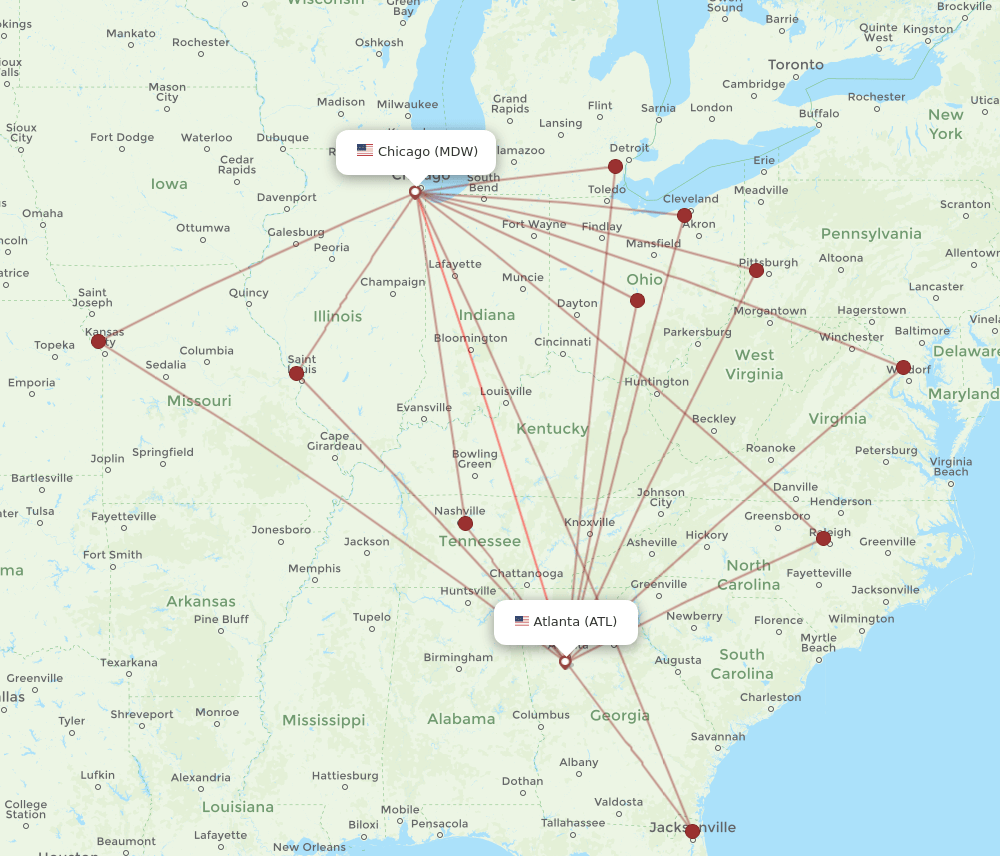
Chicago is served by two primary airports: O’Hare International Airport (ORD) and Midway International Airport (MDW).
- O’Hare International Airport: One of the busiest airports in the world, ORD is a major hub for United Airlines and American Airlines. It offers the widest selection of flights, but its sheer size can mean longer taxi times and walks between gates.
- Midway International Airport: Smaller and typically easier to navigate, MDW is a primary hub for Southwest Airlines. It’s closer to downtown Chicago, which can make ground transportation quicker depending on your starting point.
Your choice of airport in Chicago can impact your pre-flight experience, including commute to the airport, check-in, and security wait times, which indirectly affect your overall travel duration.
Navigating Atlanta’s Hartsfield-Jackson
Upon arrival, you’ll land at Hartsfield-Jackson Atlanta International Airport (ATL), famously the world’s busiest airport. As Delta Air Lines’ main hub, ATL is a marvel of efficiency despite its massive scale.
- Terminal Layout: ATL features domestic and international terminals. Most flights from Chicago will arrive at the domestic terminal. The airport is structured with concourses A-F and T, all connected by the Plane Train, an automated people mover that makes navigating between gates surprisingly easy.
- Deplaning and Baggage Claim: Be prepared for a potentially long walk or a short Plane Train ride to baggage claim, depending on your arrival gate. Despite the airport’s size, baggage claim operations are typically very efficient.
Ground Transportation at Both Ends
Efficient ground transportation is key to minimizing stress and ensuring timely arrival at the airport and smooth onward travel upon landing.
- In Chicago: Both O’Hare International Airport and Midway International Airport are well-connected by Chicago’s ‘L’ train system (Blue Line for ORD, Orange Line for MDW), offering an economical and often faster alternative to taxis or ride-shares during peak traffic. Taxis, ride-sharing services, and airport shuttles are also readily available.
- In Atlanta: Hartsfield-Jackson Atlanta International Airport has its own MARTA (Metropolitan Atlanta Rapid Transit Authority) station, allowing direct train access to downtown Atlanta and other key areas. Taxis, ride-sharing apps, and rental car services are also available just outside baggage claim.
Maximizing Your Travel Experience
Beyond merely getting from point A to point B, enhancing your travel experience involves smart booking strategies and in-flight comfort tips.
Best Times to Fly for Efficiency and Cost
Generally, early morning flights or late-night flights tend to be less prone to delays due to air traffic congestion. Weekday travel (Tuesday, Wednesday, and sometimes Saturday) can often yield lower fares and fewer crowds compared to peak travel days like Monday, Friday, and Sunday. Utilizing flight comparison websites and booking in advance can help secure the best deals. Be aware that travel during major holidays or specific events in either city will likely result in higher prices and fuller flights.
Tips for a Comfortable Flight
Even on a relatively short flight like Chicago to Atlanta, comfort makes a difference:
- Choose Your Seat Wisely: If possible, select an aisle seat for easy access or a window seat for views. Consider paying extra for exit rows or premium economy for more legroom.
- Stay Hydrated: Cabin air can be drying. Drink plenty of water before and during your flight.
- Dress in Layers: Temperatures can vary in the cabin. Layers allow you to adjust comfortably.
- Entertainment: Download movies, shows, or podcasts before you fly, or bring a book.
- Snacks: While in-flight service is available, bringing your own light snacks can be a good idea.
Making the Most of Your Time in Chicago or Atlanta
Whether your trip is for business or leisure, knowing a bit about your destination can enrich your experience.
- Business Travelers: Both cities offer robust convention centers and business districts. Atlanta’s downtown and Buckhead areas are economic hubs, while Chicago’s Loop and River North areas are bustling commercial centers.
- Leisure Travelers: Take advantage of any layover or extra time. Even a short window allows for a taste of local culture.
Exploring the Destinations: What Awaits You
Both Chicago and Atlanta are rich in culture, history, and modern attractions, offering diverse experiences for every traveler.
Chicago: A Glimpse of the Windy City
Before you jet off, or if you’re returning to Chicago, consider exploring some of its iconic features:
- Architectural Wonders: Take an architectural boat tour along the Chicago River.
- World-Class Museums: Visit the Art Institute of Chicago or the Field Museum.
- Parks and Public Art: Stroll through Millennium Park to see “The Bean” (Cloud Gate) and Crown Fountain.
- Culinary Scene: Indulge in deep-dish pizza, or explore the city’s Michelin-starred restaurants.
Atlanta: The Heart of the New South
Upon arriving in Atlanta, you’ll find a city brimming with history, innovation, and Southern charm:
- Historical Significance: Explore sites related to the Civil Rights Movement, such as the Martin Luther King Jr. National Historical Park.
- Family Attractions: Visit the Georgia Aquarium, the World of Coca-Cola, or the Centennial Olympic Park.
- Green Spaces: Relax in Piedmont Park, offering stunning city views and recreational opportunities.
- Diverse Cuisine: From classic Southern comfort food to international fine dining, Atlanta’s food scene is vibrant and varied.
In conclusion, flying from Chicago to Atlanta is a straightforward and efficient journey, with non-stop flights averaging around two hours. By understanding the factors influencing flight duration, planning for airport logistics, and employing smart travel tips, you can ensure your trip is as smooth and enjoyable as possible, allowing you more time to explore the unique charm and vibrant offerings of these two great American cities.
LifeOutOfTheBox is a participant in the Amazon Services LLC Associates Program, an affiliate advertising program designed to provide a means for sites to earn advertising fees by advertising and linking to Amazon.com. Amazon, the Amazon logo, AmazonSupply, and the AmazonSupply logo are trademarks of Amazon.com, Inc. or its affiliates. As an Amazon Associate we earn affiliate commissions from qualifying purchases.