
The journey from the sun-drenched beaches of Los Angeles, California, to the architectural marvels and vibrant culture of Chicago, Illinois, represents a quintessential American cross-country trek. For many travelers, the primary concern when planning such a trip is the duration of the flight. Understanding how long you’ll be airborne, coupled with the myriad factors that can influence total travel time, is crucial for effective itinerary planning and a stress-free experience. This comprehensive guide will delve into the specifics of flying between these two iconic United States cities, offering insights into direct flight times, the impact of layovers, and essential tips for navigating the journey from departure to arrival.
Understanding the Direct Flight Duration
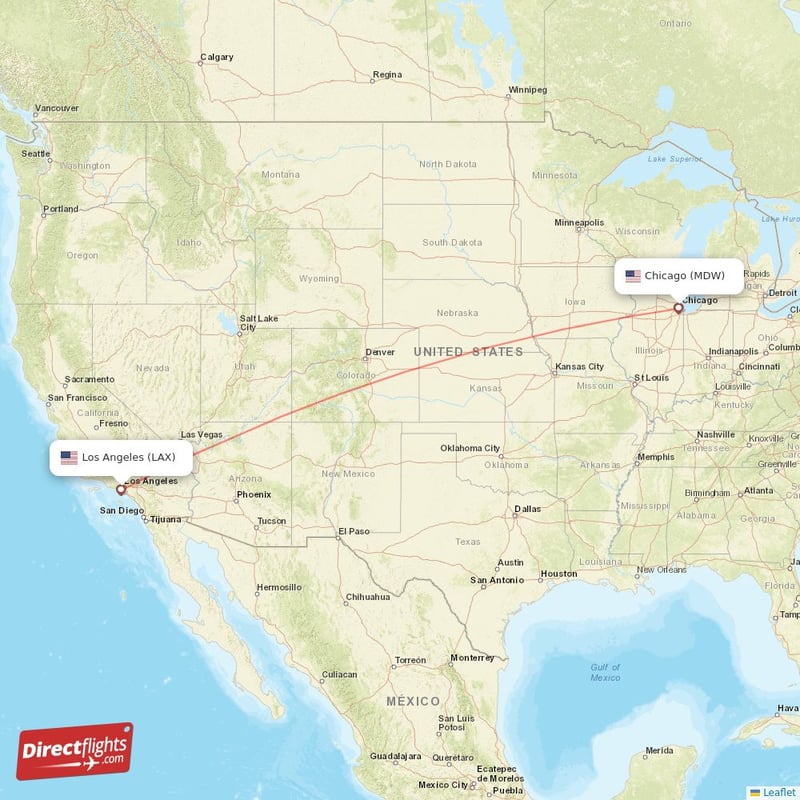
A direct flight from Los Angeles to Chicago is typically a swift and efficient way to traverse the vast expanse of the country. These flights bypass the need for connecting stops, significantly reducing overall travel time and potential disruptions.
Average Flight Time
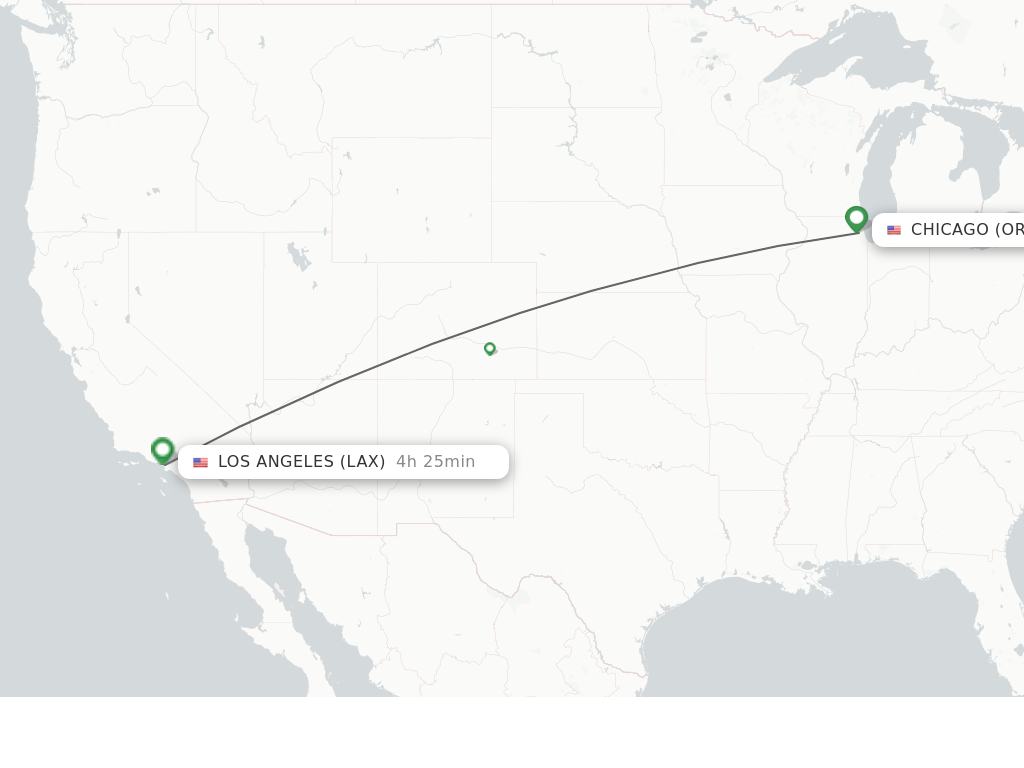
For a non-stop flight, the average duration from Los Angeles International Airport (LAX) to O’Hare International Airport (ORD) or Midway International Airport (MDW) is approximately 3 hours and 45 minutes to 4 hours and 30 minutes. This estimate covers the actual time the aircraft is in the air, from takeoff to landing. While O’Hare is the larger and often busier of Chicago’s two major airports, flights to Midway tend to be marginally shorter in some instances due to slightly different flight paths, though the difference is usually negligible for passengers. The nearly four-hour journey allows for a comfortable travel experience, whether you choose to catch up on work, enjoy in-flight entertainment, or simply relax.
Factors Influencing Flight Duration
While the average provides a good baseline, several factors can cause slight variations in the actual flight time:
- Tailwinds and Headwinds: Atmospheric conditions, particularly the presence of tailwinds (wind blowing in the direction of flight) or headwinds (wind blowing against the direction of flight), can significantly impact ground speed and, consequently, flight duration. Flights heading eastward from Los Angeles to Chicago often benefit from the prevailing westerlies, potentially shortening the journey, while westbound flights face stronger headwinds.
- Air Traffic Control (ATC) and Airspace Congestion: Both LAX and ORD are among the busiest airports in the world. High volumes of air traffic can lead to delays in takeoff and landing, requiring planes to hold in the air or on the ground, thereby extending the total block time (gate-to-gate time).
- Aircraft Type and Speed: Different aircraft models have varying cruising speeds. While most commercial jets operate within a similar speed range, slight differences can accumulate over a transcontinental flight. Larger, newer aircraft might offer slightly faster journey times, though this is usually accounted for in the airline’s scheduled flight duration.
- Flight Path Optimizations: Airlines continuously optimize flight paths to save fuel and time, taking into account weather, restricted airspace, and air traffic. Minor adjustments to the route can influence the total distance covered and, thus, the flight time.
Navigating Layovers and Connections
While direct flights are often preferred for their efficiency, connecting flights offer flexibility in scheduling and can sometimes be more budget-friendly. However, they significantly extend the total travel time.
Common Layover Cities
Should you opt for a connecting flight, several major hubs across the United States serve as common layover points for journeys between Los Angeles and Chicago. These often include:
- Denver (DEN): A popular central hub, offering relatively short connection times.
- Dallas/Fort Worth (DFW): Another major hub with extensive connections.
- Phoenix (PHX): Often used for flights transiting the Southwest.
- Salt Lake City (SLC): A smaller but efficient hub.
- Las Vegas (LAS): Sometimes used for connections, especially by budget airlines.
The choice of layover city often depends on the airline, route availability, and overall flight pricing.
Impact of Layovers on Total Travel Time
A connecting flight will invariably add several hours to your journey. The total travel time will include the duration of each flight segment plus the layover time. A typical layover can range from 1 hour to 4 hours, but some extended layovers can last much longer. For instance, a flight with a 2-hour layover will typically turn a 4-hour direct flight into a 6.5 to 8-hour journey, factoring in additional taxiing and gate times for each segment. It is crucial to check the layover duration carefully when booking, especially if you have tight schedules or prefer a quicker trip. A short layover (under 1 hour) might seem appealing for speed but carries the risk of missing your connecting flight due to delays from the first leg.
Choosing Connecting Flights Wisely
When selecting a connecting flight, consider the following:
- Minimum Connection Time (MCT): Airlines and airports have established minimum connection times required to comfortably transfer between flights. Be wary of itineraries that push these limits, especially if your connecting gate is far from your arrival gate.
- Airline and Terminal: Ideally, stick to flights with the same airline or partner airlines to simplify baggage transfer and often remain within the same terminal or a nearby one. This minimizes stress and time spent navigating the airport.
- Time of Day: Early morning connections tend to be more reliable as they are less susceptible to accumulating delays throughout the day.
- Weather Conditions: If flying during winter months, consider layover cities known for heavy snowfall (e.g., Denver) which could increase the risk of delays or cancellations.
The Pre-Flight and Post-Flight Experience
The actual flight time is just one component of your overall travel experience. Accounting for airport procedures before departure and ground transportation upon arrival is essential for an accurate understanding of your total journey duration.
Airport Arrival Recommendations
To ensure a smooth departure from LAX, it’s generally recommended to arrive at least 2 hours before a domestic flight. This allows ample time for:
- Check-in: If you have checked luggage, you’ll need time to drop it off. Even with online check-in, baggage drop-off queues can be long.
- Security Screening (TSA): LAX can have lengthy security lines, especially during peak travel times. Enrolling in programs like TSA PreCheck or Clear can significantly expedite this process.
- Getting to Your Gate: LAX is a sprawling airport with multiple terminals. Factor in time to navigate to your specific gate, which might involve shuttle buses or long walks.
Ground Transportation in LA
Reaching LAX itself can be a significant time commitment due to Los Angeles’s notorious traffic. Depending on your starting point within the vast Los Angeles area – be it Hollywood, Santa Monica, or downtown – travel time to the airport can range from 30 minutes to over 1.5 hours by car, ride-share, or public transport. Always factor in extra buffer time, particularly during rush hours.
Ground Transportation in Chicago
Upon landing in Chicago, you’ll need to consider how to get from the airport to your final destination.
- From O’Hare (ORD): O’Hare is located approximately 18 miles northwest of downtown Chicago. The most convenient public transport option is the CTA Blue Line ‘L’ train, which takes about 45-60 minutes to reach the Loop. Taxis and ride-shares can take anywhere from 30 minutes to 1.5 hours depending on traffic.
- From Midway (MDW): Midway is closer to downtown, about 10 miles southwest. The CTA Orange Line ‘L’ train offers a direct route to the Loop in about 20-25 minutes. Taxis and ride-shares usually take 20-40 minutes, again, highly dependent on traffic conditions.
Time Zone Differences and Jet Lag
Traveling from Los Angeles (Pacific Standard Time, PST) to Chicago (Central Standard Time, CST) means crossing two time zones. Chicago is two hours ahead of Los Angeles. This means a flight departing at 9:00 AM PST might arrive at 3:00 PM CST, effectively “losing” two hours of your day. While a two-hour difference is usually manageable, some travelers might experience mild jet lag. Staying hydrated, adjusting your sleep schedule before the flight, and exposing yourself to sunlight upon arrival can help mitigate these effects.
Airlines and Aircraft Types on the Route
The popularity of the Los Angeles to Chicago route ensures a competitive market with multiple carriers and various aircraft offering service.
Major Airlines Operating LA-Chicago
Several prominent airlines operate direct and connecting flights between LAX and ORD/MDW, including:
- United Airlines: A major carrier with a significant hub at O’Hare.
- American Airlines: Another dominant player, also with a large hub at O’Hare.
- Southwest Airlines: Primarily operates out of Midway, known for its no-frills approach and two free checked bags.
- Delta Air Lines: Offers frequent service, often via LAX and ORD.
- Alaska Airlines: Provides competitive options, typically through LAX.
- Spirit Airlines and Frontier Airlines: Budget carriers that may offer lower fares but often with additional costs for amenities.
The choice of airline can impact not only the fare but also the in-flight experience, baggage policies, and loyalty program benefits.
Aircraft Comfort and Features
Most direct flights on this route are operated by narrow-body aircraft such as the Boeing 737 or Airbus A320 families. These planes are well-suited for domestic transcontinental travel, offering standard seating, overhead bin space, and basic amenities. Some airlines may occasionally deploy wider-body aircraft on busier routes or specific schedules, which could offer slightly more spacious cabins, premium economy options, or enhanced entertainment systems. The specific aircraft type for your flight is usually listed during the booking process, allowing you to research seat maps and features.
In-Flight Experience and Amenities
While a relatively short flight, most airlines flying this route offer a range of amenities. Expect Wi-Fi (often for a fee), in-flight entertainment accessible via seat-back screens or personal devices, and beverage service. Depending on the airline and class of service, complimentary snacks may be offered, with more substantial meals available for purchase or included in higher fare classes. For a flight of this duration, bringing your own snacks, a fully charged device with entertainment, and comfortable headphones can greatly enhance your comfort.
Maximizing Your Journey: Tips for a Smooth Trip
Planning and preparation are key to a seamless travel experience from Los Angeles to Chicago.
Best Time to Book and Fly
- Booking: For the best fares, generally aim to book your flight 1 to 3 months in advance for domestic travel. Prices tend to increase closer to the departure date. Be flexible with your travel dates if possible, as mid-week flights (Tuesday, Wednesday) are often cheaper than weekend travel.
- Flying: Early morning flights are typically less prone to delays as the airport operations are starting fresh. Late-night flights can also sometimes be cheaper but carry the risk of cascading delays from earlier in the day. Avoiding peak holiday seasons (Thanksgiving, Christmas, Spring Break) will also result in lower fares and less crowded airports.
Essential Packing Tips
Given the variable weather between Los Angeles and Chicago – especially if traveling outside of summer – pack layers. Even during summer, Chicago evenings can be cooler, and the city is famously windy.
- Carry-on Essentials: Always pack medications, essential toiletries, a change of clothes, and any valuables in your carry-on in case checked luggage is delayed.
- Comfort Items: A neck pillow, eye mask, and noise-canceling headphones can make the flight more comfortable.
- Entertainment: Download movies, shows, podcasts, or e-books beforehand to ensure you have offline entertainment.
Staying Comfortable During the Flight
Even on a relatively short flight, comfort is paramount.
- Hydration: Airplane cabins are dry. Drink plenty of water before, during, and after your flight to stay hydrated.
- Movement: Stand up and stretch periodically if possible, or perform simple stretches in your seat to promote circulation.
- Dress Comfortably: Wear loose, comfortable clothing and supportive shoes. Layers are also good for adjusting to temperature fluctuations in the cabin.
- Snacks: While airlines offer snacks, having your preferred healthy options can prevent hunger pangs and save money.
In conclusion, a direct flight from Los Angeles to Chicago offers an efficient way to travel across the United States in under 4.5 hours of airtime. While connecting flights extend this duration significantly, careful planning of pre-flight airport procedures, ground transportation at both ends, and in-flight comfort strategies will ensure your journey is as smooth and enjoyable as possible. By considering these elements, travelers can confidently navigate their passage from the West Coast to the Midwest.
LifeOutOfTheBox is a participant in the Amazon Services LLC Associates Program, an affiliate advertising program designed to provide a means for sites to earn advertising fees by advertising and linking to Amazon.com. Amazon, the Amazon logo, AmazonSupply, and the AmazonSupply logo are trademarks of Amazon.com, Inc. or its affiliates. As an Amazon Associate we earn affiliate commissions from qualifying purchases.