
Embarking on a journey from the heart of the United States, Chicago, to the vibrant, sun-drenched continent of Australia is a quintessential long-haul travel experience. It’s a voyage that spans hemispheres, time zones, and vast expanses of ocean, making the question of flight duration one of the most critical initial considerations for any prospective traveler. While there are no direct flights connecting Chicago and Australia, the journey is entirely feasible with strategically planned connections, typically adding up to a significant time investment in the air and during layovers.
Understanding the intricacies of this marathon flight is key to a smooth and enjoyable travel experience. From the varying flight times to major Australian cities like Sydney and Melbourne to selecting the optimal routes and managing the challenges of such a substantial journey, this guide delves into everything you need to know about flying from Chicago to Australia. Prepare to traverse nearly half the globe, trading the Windy City’s skyline for the Southern Cross, but first, let’s unpack the flight details.
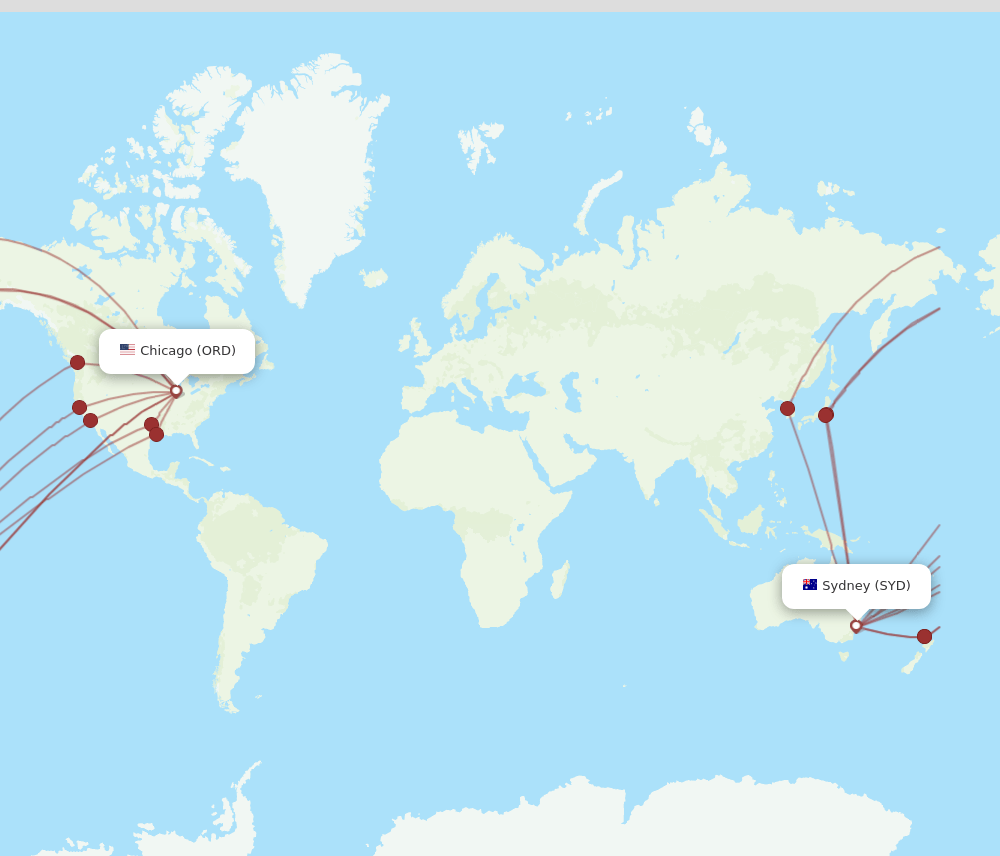
The Grand Journey: Understanding Flight Duration to Australia
The flight from Chicago to Australia is not merely a single flight but a series of segments that combine to create an epic transit. The total travel time is influenced by a multitude of factors, making each itinerary unique.
Key Factors Influencing Flight Time
Several elements contribute to the overall duration of your journey:
- Distance: Australia is approximately 9,000 to 10,000 miles (14,500 to 16,000 kilometers) from Chicago, depending on the specific destination city. This immense distance inherently requires a significant amount of time in the air.
- Number of Layovers: As direct flights are unavailable, at least one layover is mandatory. The more layovers, the longer the overall travel time.
- Layover Duration: The time spent at connecting airports can range from a swift 1.5-hour transfer to an overnight stop, significantly impacting total elapsed time.
- Aircraft Type and Speed: Modern long-range aircraft, such as the Boeing 787 Dreamliner or Airbus A350, are designed for efficiency and speed over long distances, but their cruising speed remains largely consistent across models.
- Wind Conditions and Air Traffic Control: Jet streams can either reduce or increase flight times, particularly on trans-Pacific routes. Air traffic control delays can also add minor increments.
Estimated Total Travel Time
Factoring in all these variables, the total travel time from Chicago to a major Australian city like Sydney or Melbourne typically ranges from 20 to 28 hours, including layovers. This is a rough average for itineraries with one well-timed stop. Journeys with multiple or extended layovers can easily stretch to 30 hours or more.
Direct vs. Connecting Flights: Routes and Airlines from Chicago
While the dream of a non-stop flight from Chicago to Australia remains elusive, numerous excellent connecting routes and airlines are available. The primary strategy involves flying from Chicago to a major hub on the West Coast of the United States or Canada, and then continuing across the Pacific Ocean.
Common North American Hub Connections
Most itineraries will route travelers through major US or Canadian cities before the trans-Pacific leg.
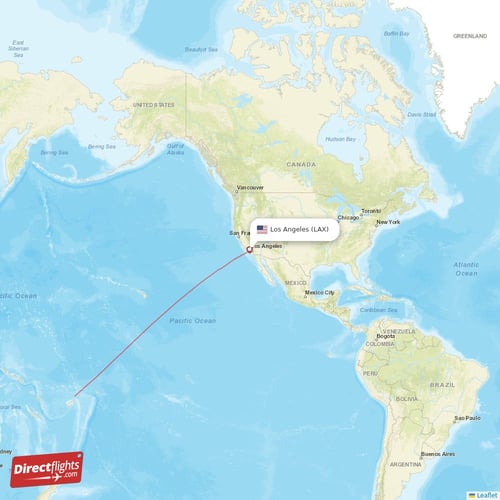
- Los Angeles (LAX): This is by far the most common connecting point. Airlines like United Airlines, American Airlines, and Qantas operate frequent flights from Chicago O’Hare International Airport (ORD) to LAX, followed by long-haul services to Sydney, Melbourne, and Brisbane. The Chicago to LAX leg is approximately 4-5 hours.
- San Francisco (SFO): Another popular West Coast hub, particularly for United Airlines and Qantas flights to Australia. The flight from Chicago to SFO is similar in duration to LAX.
- Dallas/Fort Worth (DFW): American Airlines operates direct flights from DFW to Sydney and Melbourne, making it a viable connection point from Chicago. The Chicago to DFW leg is around 2.5-3 hours.
- Vancouver (YVR): Air Canada offers services from YVR to Sydney and Brisbane, presenting a Canadian option for travelers from Chicago.
Trans-Pacific Airlines and Routes
Once you’ve reached a North American hub, the second, much longer leg of your journey begins.
- Qantas: Australia’s national carrier offers extensive services from LAX, SFO, and DFW to Sydney, Melbourne, and Brisbane.
- United Airlines: A major US airline with strong connections from LAX and SFO to Sydney and Melbourne.
- American Airlines: Offers direct flights from LAX and DFW to Sydney and Melbourne.
- Air New Zealand: Often provides an excellent alternative, connecting via Auckland, New Zealand, from LAX or SFO. While it adds an extra stop, Auckland Airport is a modern and efficient hub.
- Asian Carriers: Less common from Chicago due to the backtracking involved, but airlines like ANA (via Tokyo), Korean Air (via Seoul), EVA Air (via Taipei), or Singapore Airlines (via Singapore) offer excellent service and can sometimes present competitive fares, albeit with longer overall travel times.
Major Australian Gateways: Estimated Flight Times to Sydney, Melbourne, and Beyond
The specific Australian city you’re flying to will also influence the final flight duration. Sydney and Melbourne are typically the shortest flights from North America.
To Sydney (SYD) and Melbourne (MEL)
These are the most popular entry points for travelers from the US.
- From LAX/SFO: The trans-Pacific flight segment itself is usually around 14-15 hours to Sydney and Melbourne.
- Total from Chicago: Adding the initial flight to the West Coast and a reasonable layover (2-4 hours), the total journey time averages 20-23 hours.
To Brisbane (BNE)
Located further north on the East Coast, Brisbane sees slightly different flight durations.
- From LAX/SFO: The trans-Pacific flight is typically 13-14 hours.
- Total from Chicago: Expect a total travel time of 19-22 hours.
To Perth (PER) and Adelaide (ADL)
Reaching Perth on Australia’s West Coast or Adelaide in South Australia will necessitate an additional domestic flight within Australia, increasing the total travel time significantly.
- To Perth: After landing in Sydney or Melbourne, a further 4-5 hour domestic flight is required. Total journey could easily be 26-30+ hours.
- To Adelaide: A 1.5-2 hour domestic flight from Sydney or Melbourne. Total journey often falls in the 22-26 hour range.
Mastering the Long-Haul: Strategies for a Comfortable Trip
A flight of this magnitude demands preparation. Maximizing comfort and minimizing fatigue are crucial for arriving in Australia ready to explore.
Pre-Flight Preparation
- Choose Your Seat Wisely: If possible, select an aisle seat for ease of movement, or a window seat for leaning and privacy. Exit row seats or bulkhead seats offer extra legroom, often for a fee.
- Dress Comfortably: Wear loose, breathable clothing and layer up. The cabin temperature can fluctuate significantly.
- Pack Essentials in Your Carry-On: Include a neck pillow, eye mask, earplugs/noise-cancelling headphones, essential toiletries, medications, and a change of clothes.
- Hydrate Before and During: Start drinking plenty of water days before your flight, and continue throughout the journey to combat dehydration in the dry cabin air. Limit caffeine and alcohol.
- Charge Devices and Download Entertainment: Ensure all your electronic devices are fully charged and stocked with movies, music, podcasts, or e-books.
During the Flight
- Move Around: Counter the effects of prolonged sitting by walking the aisles every few hours, doing simple stretches, and rotating your ankles.
- Stay Hydrated: Continue drinking water regularly.
- Eat Lightly: Opt for lighter meals and snacks to avoid feeling sluggish.
- Attempt to Sleep: Use your eye mask and earplugs to create a conducive environment for sleep, especially during the longest leg of the journey. Try to align your sleep schedule with your destination’s time zone as much as possible.
- Manage Time Zones: Mentally begin adjusting to Australian time as soon as you board the trans-Pacific flight.
Battling Jet Lag Upon Arrival
The time difference between Chicago and Australia is substantial (15-17 hours ahead for Sydney during daylight saving, depending on the time of year).
- Embrace the Daylight: Seek out natural light upon arrival to help reset your circadian rhythm.
- Stay Active: Gentle exercise can help alleviate jet lag symptoms.
- Eat Regular Meals: Stick to the local meal times, even if you’re not particularly hungry.
- Avoid Naps: Resist the urge for long naps on your first day; instead, push through until evening and aim for a full night’s sleep.
Pre-Flight Essentials and Arrival: What to Expect When Traveling Down Under
Beyond the flight itself, a few critical considerations ensure a seamless entry into Australia.
Visa Requirements
All non-Australian and non-New Zealand citizens require a visa to enter Australia. For most tourists from the United States, an Electronic Travel Authority (ETA) is the most common and easiest option. It can be applied for online and is usually granted quickly. Ensure your passport is valid for at least six months beyond your intended stay.
Customs and Biosecurity
Australia has extremely strict biosecurity laws to protect its unique ecosystem. You must declare all food, plant material, and animal products. Failing to declare items, even seemingly innocent ones, can lead to significant fines. Be prepared for your luggage to be screened or even sniffed by detector dogs upon arrival at Sydney Airport, Melbourne Airport, or any other port of entry.
Time Zone Adjustment and Local Currency
The significant time difference means your body will need time to adjust. Upon arrival, setting your watch to local Australian Eastern Standard Time (AEST) or Australian Western Standard Time (AWST) (for Perth) immediately helps. The local currency is the Australian Dollar (AUD). While credit cards are widely accepted, it’s wise to have some local currency for smaller purchases or remote areas.
The journey from Chicago to Australia is undeniably long, demanding patience and preparation. However, with careful planning of your itinerary, selection of airlines, and implementation of long-haul travel strategies, you can transform this extensive flight into a manageable and even comfortable prelude to an unforgettable Australian adventure.
LifeOutOfTheBox is a participant in the Amazon Services LLC Associates Program, an affiliate advertising program designed to provide a means for sites to earn advertising fees by advertising and linking to Amazon.com. Amazon, the Amazon logo, AmazonSupply, and the AmazonSupply logo are trademarks of Amazon.com, Inc. or its affiliates. As an Amazon Associate we earn affiliate commissions from qualifying purchases.