
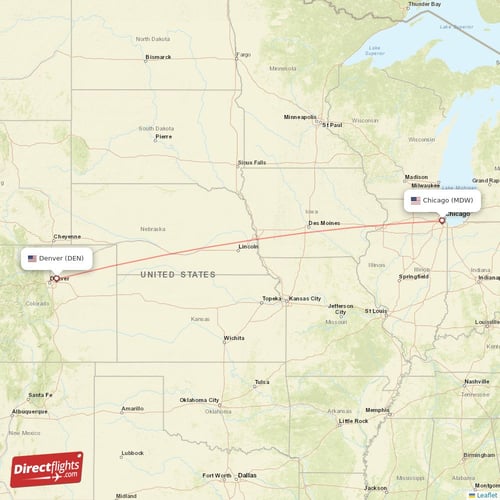
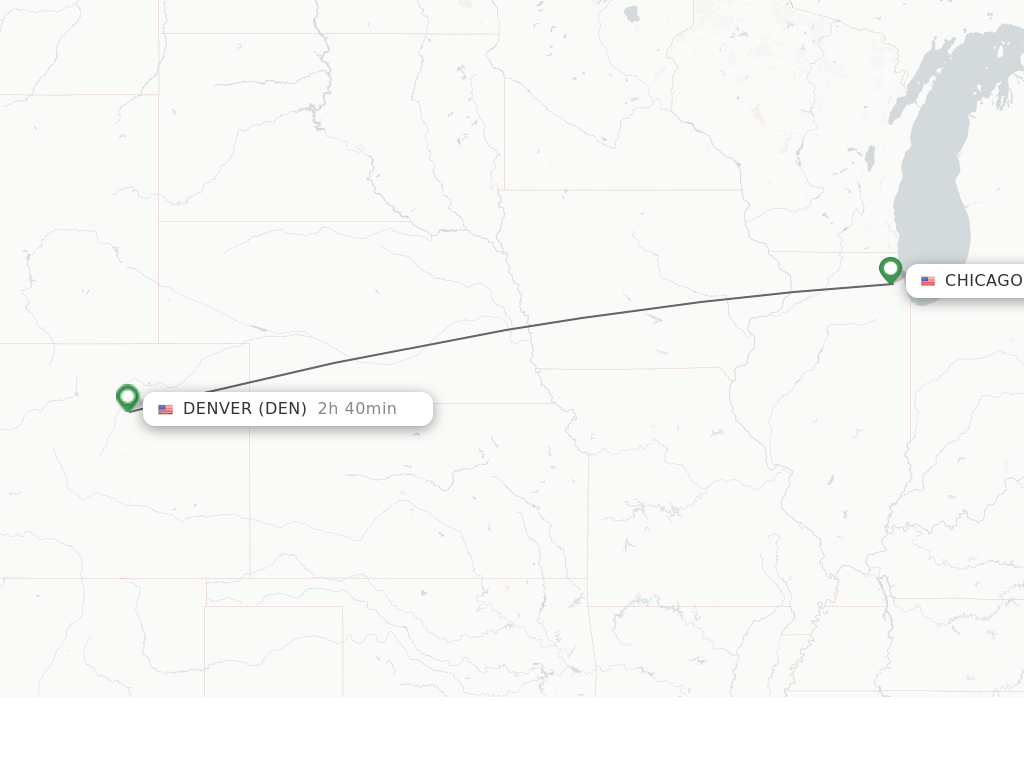
Embarking on a journey from the bustling metropolis of Chicago to the majestic landscapes of Denver, Colorado is a common itinerary for both business travelers and leisure seekers. Understanding the duration of this flight is paramount for effective trip planning, allowing travelers to manage their schedules, make timely connections, and set realistic expectations for their arrival. While a direct answer might seem straightforward, the actual flight time can fluctuate based on several factors, including the chosen airline, specific flight path, prevailing weather conditions, and air traffic control considerations. On average, a direct flight between these two major US cities typically spans approximately 2 hours and 30 minutes to 3 hours. This duration covers the actual airborne time, from takeoff at one of Chicago’s international airports to landing at Denver International Airport. However, a comprehensive understanding requires delving into the nuances that shape this travel experience, ensuring a smooth and predictable journey for every passenger.
Understanding the Core Flight Duration
The perceived length of a flight is often a combination of the actual airborne time and the overall travel experience, including pre-flight preparation and post-arrival logistics. For the route from Chicago to Denver, the geographical distance is approximately 900 miles (around 1,450 kilometers) as the crow flies. This relatively short distance contributes to the manageable flight duration, making it a popular route for quick getaways or essential business trips.
Direct Flights: The Express Route
Direct flights are undoubtedly the quickest way to travel between Chicago and Denver. These flights involve no layovers or intermediate stops, allowing passengers to depart from their origin and arrive at their destination without interruption. For this particular route, major airlines offer numerous direct connections daily, providing flexibility for travelers.
- Average Airborne Time: As previously mentioned, the typical airborne duration for a direct flight ranges from 2 hours and 30 minutes to 3 hours. This window accounts for minor variations in flight speed, altitude, and the specific approach path into Denver International Airport.
- Block Time: Airlines often publish a “block time,” which includes taxiing, takeoff, flight, and landing. For this route, the block time might be slightly longer, perhaps 3 hours to 3 hours and 15 minutes, to accommodate these ground operations. Travelers should always refer to their specific flight itinerary for the most accurate block time.
- Efficiency: The efficiency of direct flights makes them highly desirable, especially for those on tight schedules. They minimize the potential for delays associated with connecting flights and reduce overall travel fatigue.
Indirect Flights: Adding Layers to Your Journey
While direct flights are preferred for their speed, indirect or connecting flights can sometimes be a more economical option or necessary if direct routes are fully booked or unavailable for specific travel dates. These flights, by definition, include at least one stop at an intermediate airport, significantly extending the total travel time.
- Total Travel Time: The duration of an indirect flight can vary widely, typically ranging from 5 hours to 8 hours or more, depending on the layover duration and the efficiency of the connection. A short layover of 1-2 hours might keep the total journey closer to the 5-hour mark, while longer layovers or multiple connections can easily push it beyond 8 hours.
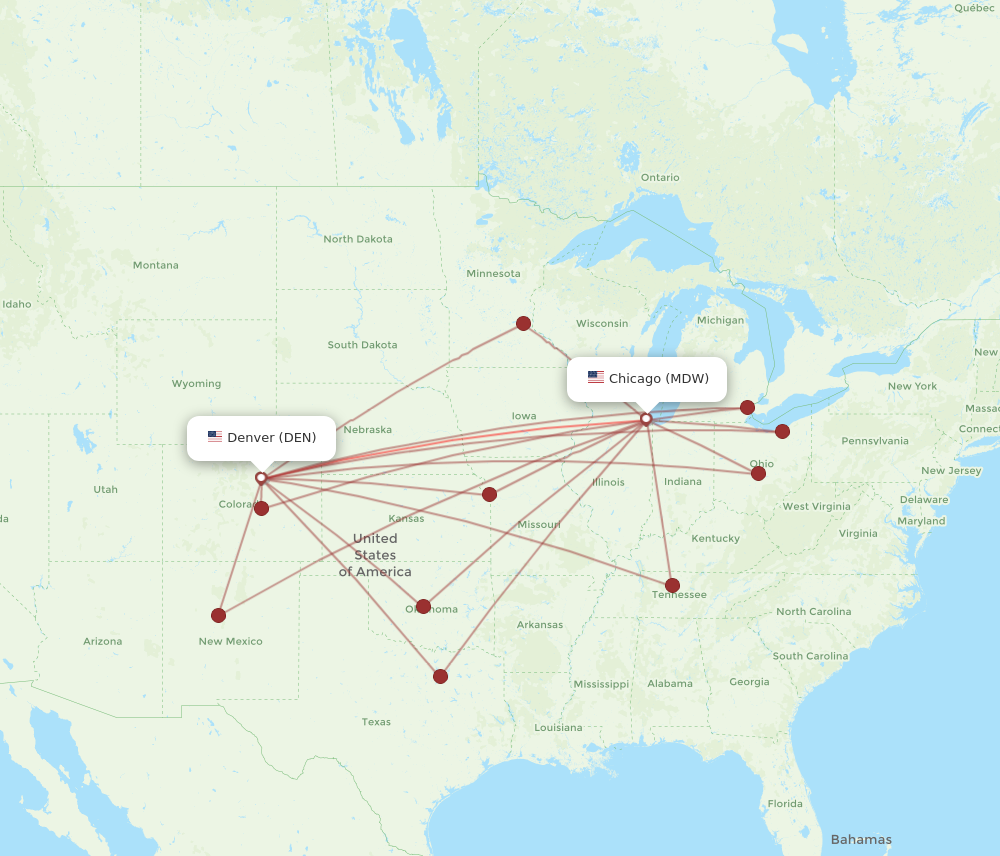
- Common Connection Hubs: Airports like Dallas/Fort Worth International Airport, Minneapolis–Saint Paul International Airport, or St. Louis Lambert International Airport are common connection points for flights traveling between the Midwest and the Mountain West.
- Considerations: When opting for an indirect flight, it’s crucial to factor in the layover time, the potential for missed connections, and the added time spent in airports. While they may offer cost savings, they demand more patience and flexibility from the traveler.
Key Factors Influencing Your Travel Time
Beyond the direct versus indirect distinction, several dynamic elements can influence the precise duration of your flight from Chicago to Denver. Understanding these factors can help in anticipating potential variations and managing expectations.
Airline and Aircraft Specifics
Different airlines operating on the Chicago-Denver route may have slightly varied flight times due to their operational efficiencies and the types of aircraft they deploy.
- Fleet and Speed: Modern jet aircraft generally fly at similar cruising speeds, but minor differences in the specific aircraft model (e.g., Boeing 737, Airbus A320) and the airline’s standard operating procedures can lead to marginal variations in flight duration. Some airlines might favor routes that optimize fuel efficiency over raw speed.
- Airline Schedules: Airlines like United Airlines, American Airlines, Southwest Airlines, Frontier Airlines, and Spirit Airlines all operate flights on this route. While competitive, their published schedules reflect their calculated block times, which account for average conditions. Travelers might notice slight discrepancies in scheduled flight times between different carriers, even for similar direct routes.
- Route Optimization: Airlines continuously optimize their flight paths to minimize fuel consumption and flight time. These routes are influenced by factors like air traffic congestion and prevailing winds, which can be adjusted in real-time by air traffic control.
Weather and Air Traffic Control Dynamics
Environmental conditions and air traffic management play a significant role in determining how long your flight will actually take. These are largely unpredictable variables that airlines and air traffic controllers continuously monitor and adapt to.
- Headwinds and Tailwinds: The jet stream, a band of strong winds high in the atmosphere, can either significantly aid or hinder a flight. When flying west, as is the case from Chicago to Denver, strong headwinds can extend the flight time by 15-30 minutes or even more. Conversely, rare tailwinds could shorten the journey, though less commonly on a westbound trajectory.
- Turbulence: While turbulence primarily affects passenger comfort, severe turbulence can sometimes lead to slight diversions from the most direct route or adjustments in altitude, which might marginally impact flight duration.
- Weather at Origin/Destination: Poor weather conditions at O’Hare International Airport or Midway International Airport in Chicago, or at Denver International Airport, can lead to ground delays (before takeoff) or holding patterns (before landing), adding to the overall travel time. Fog, thunderstorms, or heavy snow can cause significant disruptions.
- Air Traffic Control (ATC) Congestion: Both Chicago and Denver are major airline hubs, meaning their airspace can become congested, especially during peak travel times. ATC may implement flow control measures, leading to longer taxi times, holding patterns, or delayed departures to manage the volume of aircraft. These measures are crucial for safety but can extend the journey.
The Impact of Time Zones
While not directly impacting the duration of the flight, the change in time zones can often create the perception of a longer or shorter journey, influencing how travelers perceive their arrival time.
- Mountain Time Zone: Denver operates in the Mountain Time Zone (MT), which is one hour behind Chicago’s Central Time Zone (CT).
- Perceived vs. Actual: If you depart Chicago at 10:00 AM CT on a 2.5-hour flight, you will arrive in Denver at 12:30 PM CT. However, because Denver is in MT, your clock will effectively “fall back” one hour, meaning your local arrival time will be 11:30 AM MT. This phenomenon often makes the arrival feel remarkably quick, as you land “earlier” than your departure time plus the flight duration would suggest.
- Planning Implications: While pleasant, this time zone shift should be remembered when coordinating ground transportation, meetings, or other activities upon arrival in Denver to avoid confusion.
Navigating Your Journey: Airports and Logistics
The choice of airport in Chicago and understanding the facilities at Denver International Airport are integral parts of the overall travel experience, influencing not just the flight but the entire trip duration.
Departing from Chicago: O’Hare vs. Midway
Chicago is served by two major international airports, each with its unique advantages and disadvantages for travelers heading to Denver.
- O’Hare International Airport (ORD): O’Hare is one of the busiest airports in the world, serving as a major hub for United Airlines and American Airlines. It offers the most frequent and diverse range of flights to Denver, including many direct options. Its vast size means longer distances between gates and terminals, which can add to pre-flight transit time within the airport. Accessing O’Hare from downtown Chicago is typically via the CTA Blue Line or express bus/taxi services, with travel times varying based on traffic.
- Midway International Airport (MDW): Midway is smaller and often preferred by travelers coming from the south side of Chicago or the near suburbs. It’s a primary hub for Southwest Airlines and also serves other carriers like Frontier Airlines and Spirit Airlines. Midway often offers a more streamlined security and boarding experience due to its more compact layout. Access to Midway is primarily via the CTA Orange Line, which provides direct access from downtown.
- Choosing Your Departure Airport: The choice between O’Hare and Midway depends on your location within Chicago, preferred airline, flight availability, and desired airport experience. Both offer efficient connections to Denver, but overall door-to-door travel time will be influenced by your ground journey to the airport.
Arriving in Denver: Denver International Airport
Upon arrival, Denver International Airport (DIA or DEN) welcomes travelers to the Rocky Mountain region. It is one of the largest airports by area in North America and a major hub for United Airlines and Southwest Airlines, as well as Frontier Airlines.
- Layout and Efficiency: DIA features a unique tent-peaked roof resembling the snow-capped Rocky Mountains. Its concourses are connected by an automated underground train system, which efficiently transports passengers to and from the main terminal. This system ensures relatively quick transit times within the airport, even for arrivals at distant gates.
- Ground Transportation: DIA is located about 25 miles (40 km) northeast of downtown Denver. Travel time to the city center or other popular Colorado destinations can vary.
- RTD A Line Commuter Rail: This commuter rail provides a convenient and often fastest option to Denver Union Station in downtown Denver, taking approximately 37 minutes.
- Shuttles, Taxis, and Ride-Shares: These options are readily available but can take anywhere from 30 minutes to over an hour to reach downtown, depending on traffic conditions, especially during peak hours.
- Rental Cars: For those planning to explore Colorado’s wider attractions, rental car facilities are easily accessible from the main terminal.
- Total Journey Time: When calculating your total travel time, remember to add the 30-60 minutes (or more) for ground transportation from DIA to your final destination in Denver or beyond.
In-Flight Experience and Amenities
The actual time spent in the air is often made more comfortable by the in-flight experience offered by airlines. For a relatively short flight like Chicago to Denver, these amenities can make a big difference.
- Wi-Fi and Entertainment: Many airlines offer Wi-Fi connectivity (often for a fee) and in-flight entertainment systems (either seat-back screens or streaming to personal devices). These can help pass the time quickly, whether for work or leisure.
- Snacks and Beverages: Most flights of this duration will offer complimentary non-alcoholic beverages and a snack, with some carriers offering buy-on-board food options for purchase. For a 2.5-3 hour flight, a full meal service is uncommon.
- Comfort: While short, selecting an aisle or window seat based on preference can enhance comfort. The time is generally sufficient for a brief rest, catching up on reading, or enjoying the views, especially over the vast plains and as the Rocky Mountains appear on approach to Denver.
Optimizing Your Flight Experience
Maximizing efficiency and comfort for your flight from Chicago to Denver involves strategic planning, both before booking and on the day of travel.
Booking Strategies for Efficiency
Securing the right flight at the right time can significantly impact your overall travel experience.
- Book in Advance: Generally, booking flights several weeks or months in advance can yield better prices and a wider selection of direct flights at preferred times.
- Flexibility with Dates/Times: If your schedule allows, being flexible with your travel dates and times can help you find flights that are shorter (due to less congestion) and more economical. Mid-week flights (Tuesday-Thursday) are often less busy than weekend or Monday/Friday flights.
- Consider Airline Preferences: If you have airline loyalty or a preference for a particular airport (O’Hare vs. Midway), factor this into your search. Check different carriers like United Airlines, American Airlines, Southwest Airlines, Frontier Airlines, and Spirit Airlines for their direct flight offerings.
- Check On-Time Performance: Before booking, a quick check of an airline’s on-time performance for the Chicago-Denver route can provide insight into its reliability.
Preparing for Departure and Arrival
Streamlining your airport experience can shave off unnecessary stress and time.
- Arrive Early: Especially at large airports like O’Hare or Midway, arriving at least 2 hours before a domestic flight is recommended. This allows ample time for check-in (if needed), security screening, and transit to your gate.
- TSA PreCheck/Clear: If you travel frequently, enrolling in programs like TSA PreCheck or Clear can significantly expedite your security screening process, saving valuable time.
- Monitor Flight Status: Always check your flight status online or through your airline’s app before heading to the airport. This provides real-time updates on delays, gate changes, or cancellations, allowing you to adjust your plans accordingly.
- Pack Smart: For a relatively short flight, consider traveling with just a carry-on to avoid baggage claim delays upon arrival at Denver International Airport. This speeds up your exit from the airport and into ground transportation.
- Pre-Arrange Ground Transportation: Especially if you have a tight schedule in Denver, pre-booking a taxi, ride-share, or knowing the RTD A Line schedule can minimize wait times upon arrival.
In conclusion, the flight from Chicago to Denver, Colorado is a relatively swift journey, typically taking between 2 hours and 30 minutes and 3 hours for a direct flight. While this core airborne duration remains consistent, the overall travel experience is a mosaic of factors including airline choices, potential layovers, and the unpredictable nature of weather and air traffic. By understanding these variables and planning strategically, travelers can ensure a smooth, efficient, and enjoyable passage from the Windy City to the Mile High City.
LifeOutOfTheBox is a participant in the Amazon Services LLC Associates Program, an affiliate advertising program designed to provide a means for sites to earn advertising fees by advertising and linking to Amazon.com. Amazon, the Amazon logo, AmazonSupply, and the AmazonSupply logo are trademarks of Amazon.com, Inc. or its affiliates. As an Amazon Associate we earn affiliate commissions from qualifying purchases.