
Traveling between major U.S. cities like Chicago and Philadelphia is a common occurrence for both business and leisure travelers. While the two cities are distinct in their culture, history, and urban landscape, the journey connecting them is surprisingly straightforward, thanks to robust air travel infrastructure. For anyone planning a trip, one of the most fundamental questions is always, “How long will it take to get there?” When it comes to flying from the Windy City to the City of Brotherly Love, understanding the various factors that influence flight duration is key to a smooth travel experience.
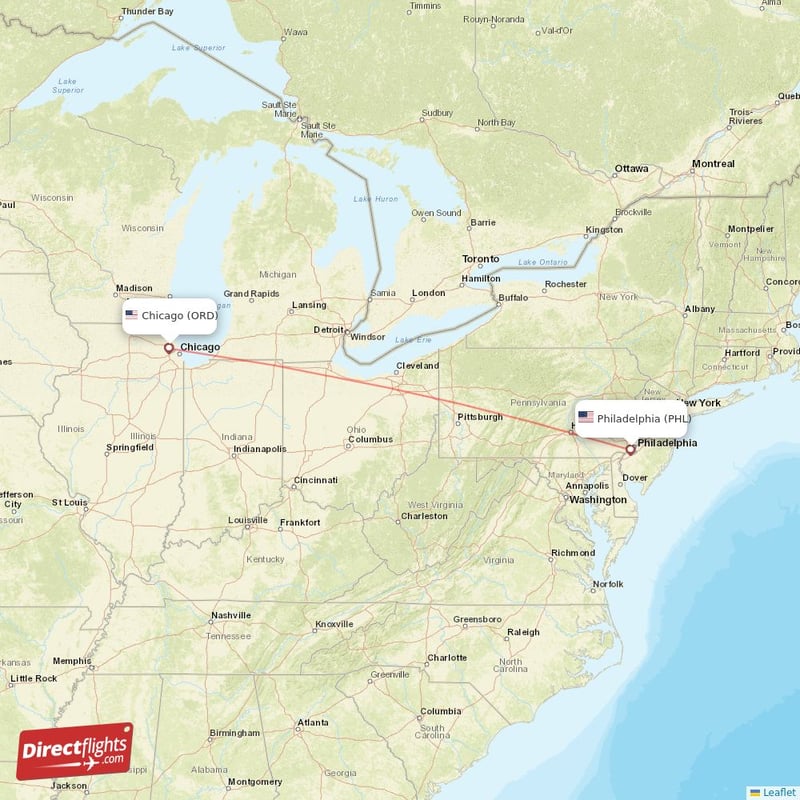
At its core, a direct flight from Chicago to Philadelphia typically clocks in at around 1 hour and 50 minutes to 2 hours and 15 minutes in the air. However, this is just the airborne component. The total travel time, from leaving your door in Chicago to arriving at your final destination in Philadelphia, will encompass a much broader timeline, including airport check-in, security, boarding, and deplaning. This article delves into the specifics of flight times, the variables that affect them, and what travelers can expect when making this popular domestic journey.
Unpacking the Direct Flight Duration
The allure of a direct flight is undeniable: minimize travel time, avoid layovers, and get straight to your destination. When flying from Chicago to Philadelphia, the convenience of a non-stop journey is a significant draw, making it a popular choice for many.
The Core Flight Time
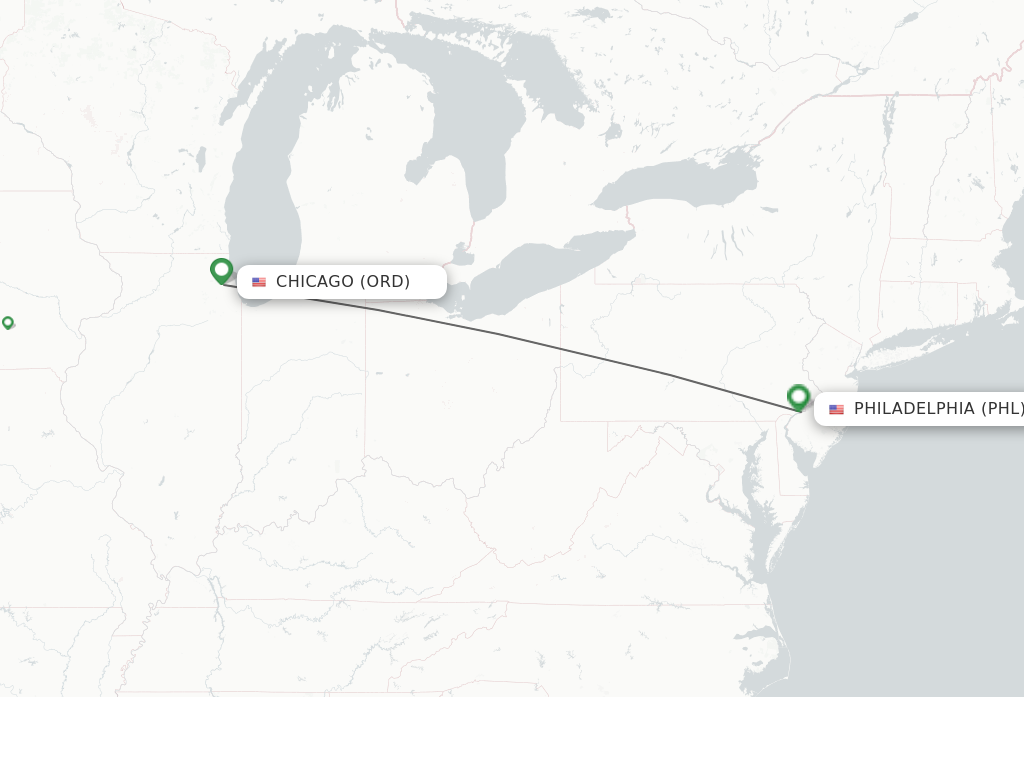
As mentioned, the actual time a plane spends in the air for a direct flight between Chicago and Philadelphia is typically between 1 hour 50 minutes and 2 hours 15 minutes. This relatively short duration makes it an ideal route for day trips, short business excursions, or weekend getaways where maximizing time at the destination is crucial. The distance covered is approximately 678 miles (1,091 kilometers), which modern commercial aircraft can traverse efficiently.
Factors Influencing Flight Time
While the stated flight time provides a good estimate, several elements can cause slight variations:
- Headwinds/Tailwinds: Wind direction and strength are significant determinants. A strong tailwind can shave minutes off the flight, while a powerful headwind can add time, as the aircraft must push against it.
- Air Traffic Control (ATC): Busy air corridors and airport congestion can lead to delays in takeoff, holding patterns during flight, or extended taxi times upon arrival. Both O’Hare International Airport (ORD) and Philadelphia International Airport (PHL) are major hubs, and while efficient, they are subject to ATC demands.
- Aircraft Type: Different aircraft models have varying cruising speeds. While the differences on a short domestic route are usually minor, a faster jet might shave a few minutes off the journey compared to a slightly slower one.
- Route Optimization: Airlines continuously optimize flight paths to save fuel and time, navigating around weather systems or congested airspace.
Major Airports Serving the Route
Travelers from Chicago have two primary airport options:
- O’Hare International Airport (ORD): One of the busiest airports in the world, ORD offers a vast array of domestic and international flights. Many major carriers operate non-stop services to Philadelphia from O’Hare.
- Midway International Airport (MDW): A smaller, but still very active airport, Midway is often preferred by those living on Chicago’s South Side or looking for a potentially less hectic experience. Southwest Airlines is a dominant carrier at MDW and offers frequent flights to Philadelphia.
Upon arrival, all commercial flights from Chicago land at:
- Philadelphia International Airport (PHL): Located just 7 miles southwest of downtown Philadelphia, PHL is a major hub for American Airlines and provides easy access to the city center via regional rail, taxis, and rideshares.
Navigating Connecting Flights and Layover Realities
While direct flights are often the preferred option, there are circumstances where a connecting flight becomes necessary or even desirable. Understanding how layovers impact total travel time is crucial for realistic trip planning.
When Non-Stop Isn’t an Option
Travelers might opt for or be routed through connecting flights for several reasons:
- Cost Savings: Connecting flights are sometimes significantly cheaper than direct options, especially during peak travel seasons.
- Availability: Direct flights might be sold out or have inconvenient schedules, leaving connecting flights as the only viable alternative.
- Specific Airline Preference: Some travelers have loyalty to an airline that doesn’t offer direct service on their desired route, necessitating a connection through that airline’s hub.
- Unique Routing: Occasionally, a connecting flight might offer a more convenient departure time from a smaller regional airport near Chicago, even if it means a layover.
Calculating Total Travel Time
The total travel time for a connecting flight is the sum of the first flight segment, the layover duration, and the second flight segment.
- Flight Segments: Each segment will have its own flight time, similar to the direct flight duration discussed above. For example, a flight from Chicago to Charlotte and then to Philadelphia.
- Layover Duration: This is where the total time can vary wildly. Layovers can range from a quick 45-minute sprint between gates (risky if there are delays) to a leisurely 3-4 hour wait, or even an overnight stay in an intermediary city.
- Short Layover (under 2 hours): Ideal for minimizing total travel time, but leaves little room for error if the first flight is delayed.
- Medium Layover (2-4 hours): Offers a comfortable buffer for connections, allowing time for food, restroom breaks, and gate changes.
- Long Layover (4+ hours): Can make the journey feel arduous but might be unavoidable, or even intentionally chosen for a brief exploration of the layover city.
Factoring in a typical 1.5-hour flight to a connecting city, a 2-hour layover, and then another 1.5-hour flight to Philadelphia would bring the total travel time to approximately 5 hours, excluding pre-flight airport time.
Strategic Layover Planning
When faced with a connecting flight, a bit of strategy can enhance the experience:
- Check Minimum Connection Times: Airlines and airports have recommended minimum connection times. Ensure your layover is at least this long, especially if you need to change terminals or re-clear security.
- Consider Layover Hubs: Major airline hubs like Charlotte Douglas International Airport (CLT), Dallas/Fort Worth International Airport (DFW), or Atlanta Hartsfield-Jackson International Airport (ATL) might offer more flight options but can also be very busy.
- Gate Proximity: Utilize airport apps or information screens to check your arrival and departure gate numbers as soon as possible, especially during tight connections.

Airlines and Routes Servicing the Chicago-Philadelphia Corridor
The popularity of the Chicago to Philadelphia route means a healthy competition among various airlines, offering travelers a range of choices in terms of price, schedule, and service.
Key Carriers
Several major U.S. airlines operate direct and connecting flights on this route:
- American Airlines: As Philadelphia International Airport’s main hub carrier, American Airlines offers frequent direct flights from O’Hare.
- United Airlines: With a significant presence at O’Hare International Airport, United Airlines also provides numerous direct options.
- Southwest Airlines: A popular choice for budget-conscious travelers, Southwest Airlines primarily operates out of Midway International Airport in Chicago and offers direct flights to Philadelphia.
- Spirit Airlines and Frontier Airlines: These ultra-low-cost carriers often provide competitive fares, though travelers should be mindful of their fees for baggage, seat selection, and other amenities. They typically offer direct flights from both ORD and MDW.
Route Popularity and Frequency
The Chicago-Philadelphia route is highly popular due to the economic and cultural significance of both cities. Chicago is a major financial and corporate hub, while Philadelphia boasts a rich history, a growing tech sector, and numerous universities. This means that travelers can expect a high frequency of flights throughout the day, providing flexibility for departure times. Early morning and late afternoon/evening flights are often the busiest, catering to business travelers.
Best Time to Book
For optimal pricing and schedule flexibility, it’s generally advisable to book flights at least 2-4 weeks in advance for domestic routes. For peak travel periods (holidays, major events), booking even further out can yield better results. Using flight comparison websites and setting fare alerts can help travelers snag the best deals. Tuesdays, Wednesdays, and Saturdays are often cited as the cheapest days to fly.
Beyond the Flight: Preparing for Your Journey
The actual time in the air is only one piece of the travel puzzle. A seamless journey depends heavily on your preparation before and after the flight.
Pre-Flight Essentials
- Airport Arrival Times: For domestic flights, arriving at the airport 1.5 to 2 hours before your scheduled departure is typically sufficient. This allows ample time for check-in (if needed), baggage drop-off, and navigating security lines, which can sometimes be unpredictable, especially at a large hub like O’Hare.
- Security Procedures: Have your ID ready, remove electronics and liquids from your carry-on, and wear easily removable shoes to expedite the TSA process.
- Baggage: Be aware of your airline’s baggage policies (size, weight, carry-on vs. checked) to avoid unexpected fees or delays.
In-Flight Experience
For a flight lasting under 2.5 hours, expect a relatively standard domestic flight experience.
- Seating: Most airlines will offer economy, economy plus (or similar premium economy), and first-class options.
- Amenities: On such a short flight, complimentary snacks and non-alcoholic beverages are common. In-flight entertainment might be limited to Wi-Fi for purchase or streaming options via your personal device. Consider downloading movies, shows, or podcasts beforehand.
- Comfort: Bring a book, noise-canceling headphones, and a light layer, as cabin temperatures can vary.
Arrival and Ground Transportation in Philadelphia
Upon landing at Philadelphia International Airport, travelers have several convenient options for reaching downtown Philadelphia or other nearby destinations:
- SEPTA Regional Rail: The Airport Line offers direct service from all PHL terminals to multiple stations in Center City Philadelphia, including 30th Street Station, Suburban Station, and Jefferson Station. This is often the quickest and most cost-effective option.
- Taxis and Rideshares: Taxis are readily available outside each terminal. Uber and Lyft services are also prominent, with designated pickup zones.
- Rental Cars: Major car rental agencies operate at PHL for those planning to explore beyond the city center.
Maximizing Your Travel Experience in Both Cities
While the focus here is on the flight itself, the journey is always a means to an end – exploring new places.
Starting in Chicago
Before you even board your flight, take a moment to appreciate the vibrant city of Chicago. From its architectural marvels to its world-class museums and deep-dish pizza, Chicago offers a rich tapestry of experiences for any traveler. Whether you’re flying out of O’Hare or Midway, the city’s robust public transportation network makes getting to the airport relatively stress-free.
Arriving in Philadelphia
As you touch down in Philadelphia, you’re arriving in a city steeped in American history, renowned for its culinary scene, and boasting a thriving arts and culture landscape. From the Liberty Bell and Independence Hall to the Philadelphia Museum of Art and its famous “Rocky Steps,” Philadelphia offers a diverse range of attractions right from the moment you step off the plane and into its welcoming embrace.
In conclusion, the flight from Chicago to Philadelphia is a relatively quick and efficient journey. With direct flights taking roughly two hours, it’s an accessible route for anyone looking to bridge the distance between these two dynamic U.S. metropolises. By understanding the factors influencing flight duration and planning efficiently, travelers can ensure a smooth and enjoyable transition from the Midwest to the Mid-Atlantic.
LifeOutOfTheBox is a participant in the Amazon Services LLC Associates Program, an affiliate advertising program designed to provide a means for sites to earn advertising fees by advertising and linking to Amazon.com. Amazon, the Amazon logo, AmazonSupply, and the AmazonSupply logo are trademarks of Amazon.com, Inc. or its affiliates. As an Amazon Associate we earn affiliate commissions from qualifying purchases.