
Embarking on a journey from the vibrant heart of Texas to the dynamic metropolis on Lake Michigan is a common itinerary for both business travelers and tourists alike. The flight from Dallas to Chicago bridges a significant geographical distance, offering a relatively quick connection between two of the United States‘ most prominent cities. While the direct flight time itself is quite manageable, understanding the nuances that contribute to the overall travel experience, from pre-flight preparations to post-arrival logistics, is crucial for a seamless journey. This article delves into the specifics of flight durations, the myriad factors that can influence them, and essential tips to make your travel between these two major hubs as efficient and comfortable as possible.
Understanding the Direct Flight Duration
The core question for many travelers is, “How long will I actually be in the air?” For the route from Dallas to Chicago, the good news is that it’s a relatively short hop, making it an ideal choice for quick getaways or expedient business trips.
The Average Non-Stop Travel Time
A direct, non-stop flight from Dallas to Chicago typically spans approximately 2 hours and 30 minutes to 2 hours and 55 minutes. This duration covers the actual airborne time, from wheels up at your departure airport to wheels down at your destination. This efficient travel time is largely due to the relatively straight flight path across the American Midwest and the generally favorable aviation conditions for this domestic route.
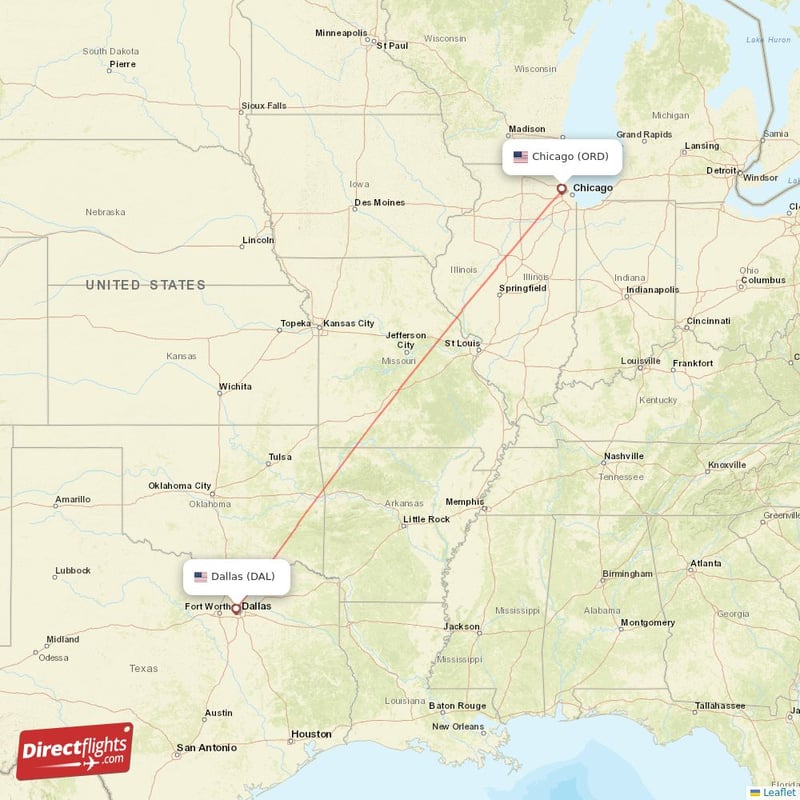
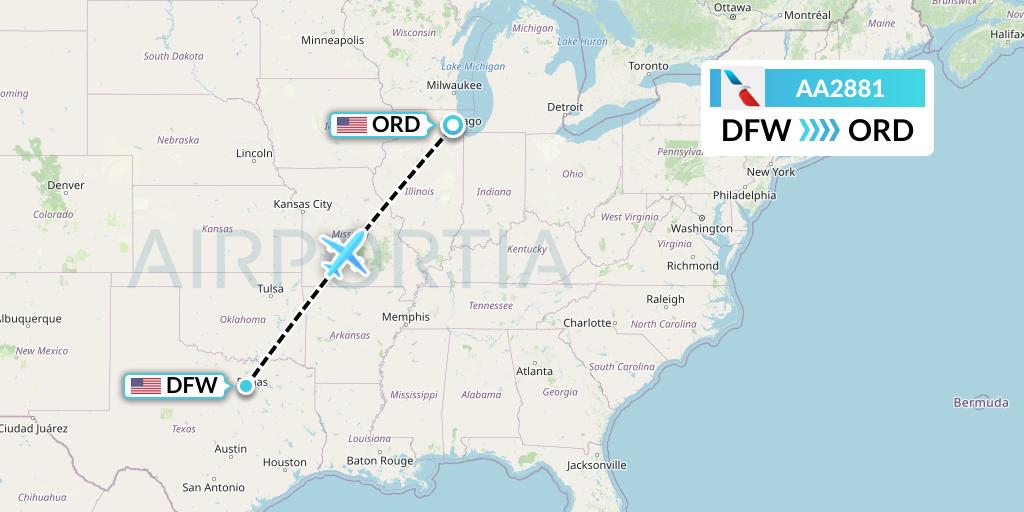
When planning your journey, it’s essential to consider the major airports serving these cities. In Dallas, flights primarily depart from either Dallas/Fort Worth International Airport (DFW), one of the busiest airports in the world, or the more centrally located Dallas Love Field (DAL). Similarly, Chicago is served by two major airports: O’Hare International Airport (ORD), another global aviation hub, and Midway International Airport (MDW), known for its accessibility to Downtown Chicago. The specific combination of departure and arrival airports, while not significantly altering the actual flight time, can influence taxi times and overall airport experience. For instance, flights from DAL to MDW are often associated with Southwest Airlines, while flights from DFW to ORD are largely handled by American Airlines and United Airlines. Both pairs of airports facilitate efficient non-stop travel.
Factors Influencing Flight Times
While the average flight duration provides a good baseline, several variables can subtly alter the actual time spent in the air. Understanding these can help set realistic expectations and even aid in flight selection.
Weather Conditions and Air Traffic
One of the most significant external factors affecting flight duration is the weather. Strong headwinds, particularly common when flying northbound across the North American continent, can increase flight time by 10-20 minutes or more as the aircraft battles against the airflow. Conversely, a strong tailwind can shave valuable minutes off the journey. Severe weather systems, such as thunderstorms or blizzards, can also lead to rerouting, which adds distance and time, or even cause ground delays before takeoff or holding patterns in the air before landing.
Air traffic control (ATC) also plays a critical role. Both DFW and ORD are incredibly busy airports, experiencing thousands of movements daily. During peak travel times, or when unexpected issues arise, ATC may need to space out arrivals and departures, leading to delays on the tarmac before takeoff or in the air, resulting in extended flight times.
Aircraft Type and Route Efficiency
The specific aircraft type used for the flight can also have a minor impact on duration. Larger, more modern jets like the Boeing 737 or Airbus A320 families, which are commonly deployed on this route, have similar cruising speeds. However, slight variations in an aircraft’s optimal altitude and speed can mean a few minutes difference over the course of the flight.
Furthermore, while the general flight path between Dallas and Chicago is direct, subtle adjustments are made in real-time. These adjustments might be to avoid turbulence, navigate around restricted airspace, or follow preferred flight corridors for fuel efficiency. Such minor deviations, while not adding significant time, are part of the complex dance of modern air travel that airline dispatchers and pilots manage.
Departure and Arrival Airports
The choice between Dallas/Fort Worth International Airport (DFW) and Dallas Love Field (DAL) on the departure end, and O’Hare International Airport (ORD) and Midway International Airport (MDW) on the arrival end, can influence the total travel time, though less so the actual airborne duration. Larger airports like DFW and ORD often have longer taxiways and more complex ground operations, which can lead to longer taxi times before takeoff and after landing. It’s not uncommon for taxi times at these major hubs to add 15-30 minutes to the overall gate-to-gate experience. Smaller airports like DAL and MDW, while still busy, generally offer quicker ground movements, potentially saving a few minutes on either end of the flight.
The Full Travel Experience: Beyond Flight Time
Focusing solely on the flight duration overlooks a significant portion of the travel experience. A comprehensive understanding requires accounting for all phases of your journey.

Pre-Flight Essentials: Check-In, Security, and Boarding
The journey effectively begins long before takeoff. For domestic flights, it’s generally recommended to arrive at the airport at least 2 hours prior to your scheduled departure time. This allows ample time for:
- Check-in and Baggage Drop-off: If you have checked luggage, this process can take anywhere from 10 to 30 minutes, depending on airline queues and staffing.
- TSA Security: Security lines are notoriously unpredictable. While programs like TSA PreCheck can expedite the process, standard lines can range from a quick 10 minutes to over an hour during peak travel times.
- Navigating the Airport and Boarding: Once through security, you’ll need time to walk to your gate, which can be considerable at expansive airports like DFW and ORD. Boarding typically begins 30-45 minutes before departure, requiring passengers to be at the gate ready.
Factoring in these pre-flight activities, the “airport experience” before you even step on the plane can easily add 2.5 to 3 hours to your total travel time.
Post-Arrival Logistics: Deplaning, Baggage Claim, and Ground Transport
Upon landing in Chicago, the journey isn’t over.
- Deplaning and Gate to Baggage Claim: Depending on your seat and the size of the aircraft, deplaning can take 5-15 minutes. The walk from the gate to baggage claim can vary significantly; at ORD, it might involve walking through long terminals or taking automated people movers.
- Baggage Claim: If you checked luggage, waiting for your bags can take an additional 15-45 minutes.
- Ground Transportation: Finally, you need to reach your ultimate destination in Chicago. From O’Hare International Airport (ORD), the CTA Blue Line train offers a direct route to Downtown Chicago, typically taking 45-60 minutes. From Midway International Airport (MDW), the Orange Line is quicker, usually 25-35 minutes to Downtown Chicago. Taxis and rideshares can take similar times, but are subject to traffic conditions, especially during rush hour. A taxi or ride-share from ORD to Downtown Chicago can take anywhere from 30 minutes to over an hour, depending heavily on traffic.
When you add up these post-arrival elements, you’re looking at another 1 to 2 hours minimum before you’re truly settled at your Chicago destination. Therefore, while the flight is under 3 hours, the door-to-door travel time between Dallas and Chicago can realistically span 6 to 8 hours.
Choosing Your Flight: Airlines and Scheduling
With multiple airlines and numerous daily flights, travelers have ample choice. Strategic selection can enhance efficiency and comfort.
Major Airlines Operating the Route
Several major carriers offer non-stop service between Dallas and Chicago, catering to different preferences and airport choices:
- American Airlines: As a major hub for American Airlines at DFW and a significant presence at ORD, American offers frequent daily flights between these two flagship airports.
- Southwest Airlines: Southwest operates extensively from Dallas Love Field (DAL) and has a strong presence at Midway International Airport (MDW) in Chicago. This route is a backbone of their network, providing numerous options.
- United Airlines: With ORD as its largest hub and a significant presence at DFW, United Airlines also provides a wealth of non-stop flights, particularly between the two international airports.
Best Times to Fly for Efficiency
The time of day you choose to fly can significantly impact your overall travel experience, especially regarding potential delays.
- Early Morning Flights: These are often the most reliable. Aircraft are typically parked overnight at their departure airport, meaning fewer chances of delays cascading from previous flights. Additionally, air traffic is generally lighter in the early hours.
- Late-Night Flights: Similar to early mornings, late-night flights (those departing after 8 PM) can also experience fewer delays as airport operations wind down and air traffic lessens.
- Mid-Day Flights: Flights departing between 10 AM and 4 PM are often subject to the busiest air traffic and are more likely to encounter delays carried over from earlier in the day. If flexibility allows, avoiding these peak windows can often lead to a smoother journey.
Maximizing Your Travel Comfort and Efficiency
Even a relatively short flight can be optimized for comfort and efficiency. A little planning goes a long way in making your journey from Dallas to Chicago more enjoyable.
In-Flight Experience Tips
Given the roughly 2.5-hour flight time, you’ll want to make the most of your time in the air.
- Stay Hydrated: Air travel can be dehydrating. Drink plenty of water before, during, and after your flight.
- Entertainment: While short, a flight is a good opportunity to catch up on a book, listen to a podcast, or watch a downloaded movie. Many airlines now offer in-flight Wi-Fi, allowing for productivity or continued entertainment.
- Comfort: Dress in layers, wear comfortable shoes, and consider bringing a neck pillow if you plan to nap. A short stretch in the aisle when safe can also help with circulation.
- Connectivity: Charge your devices before you board, or bring a portable power bank, as not all aircraft will have seat-back power outlets.
Travel Planning for a Seamless Journey
Efficient travel extends beyond the flight itself. Thoughtful planning can drastically reduce stress and save time.
- Book in Advance: Not only can this secure better fares, but it also allows you to choose preferred seating.
- Check Flight Status: Always check your flight’s status before heading to the airport. Airline apps and websites provide real-time updates on delays or gate changes.
- Utilize Airline Apps: Many airline apps allow for mobile check-in, digital boarding passes, and even baggage tracking, streamlining your airport experience.
- Consider Carry-On Only: If possible, traveling with only a carry-on bag can save considerable time by bypassing baggage check-in queues and avoiding the wait at baggage claim upon arrival. This is particularly advantageous for a short flight like Dallas to Chicago.
- Pre-Book Ground Transportation: Especially if arriving at O’Hare International Airport (ORD) during peak hours, knowing your ground transportation plan in advance (e.g., CTA tickets, pre-arranged rideshare, or a rental car reservation) can save valuable time and minimize stress.
In conclusion, while the direct flight from Dallas to Chicago is comfortably under three hours, the total journey is a multi-faceted experience. By understanding the average flight duration, acknowledging the factors that can influence it, and diligently planning for both pre- and post-flight logistics, travelers can ensure their trip between these two major cities is as smooth and enjoyable as possible.
LifeOutOfTheBox is a participant in the Amazon Services LLC Associates Program, an affiliate advertising program designed to provide a means for sites to earn advertising fees by advertising and linking to Amazon.com. Amazon, the Amazon logo, AmazonSupply, and the AmazonSupply logo are trademarks of Amazon.com, Inc. or its affiliates. As an Amazon Associate we earn affiliate commissions from qualifying purchases.