
Embarking on a journey from the sun-drenched beaches and sprawling urban landscape of Los Angeles, California, to the architectural marvels and vibrant cultural tapestry of Chicago, Illinois, is a common route for business travelers, tourists, and those visiting family alike. While the allure of both cities is undeniable, a primary concern for any traveler planning this transcontinental trip is the duration of the flight. Understanding not just the in-air time but also the myriad factors that can influence the total travel experience is crucial for efficient planning. This comprehensive guide will delve into the typical flight times, explore the variables that can affect your journey, and offer insights to make your trip as smooth and predictable as possible.
Understanding the Core Flight Duration
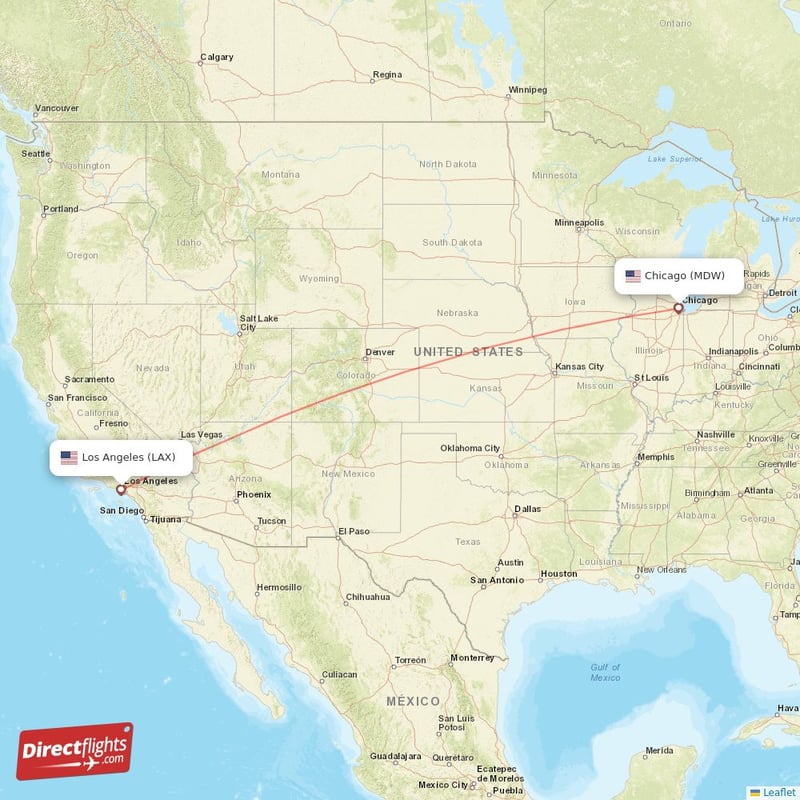
The direct flight between Los Angeles and Chicago covers a significant distance, typically around 1,745 miles (approximately 2,808 kilometers). This cross-country trek over the heartland of the United States is a staple route for several major airlines.
Non-stop Flights: The Gold Standard
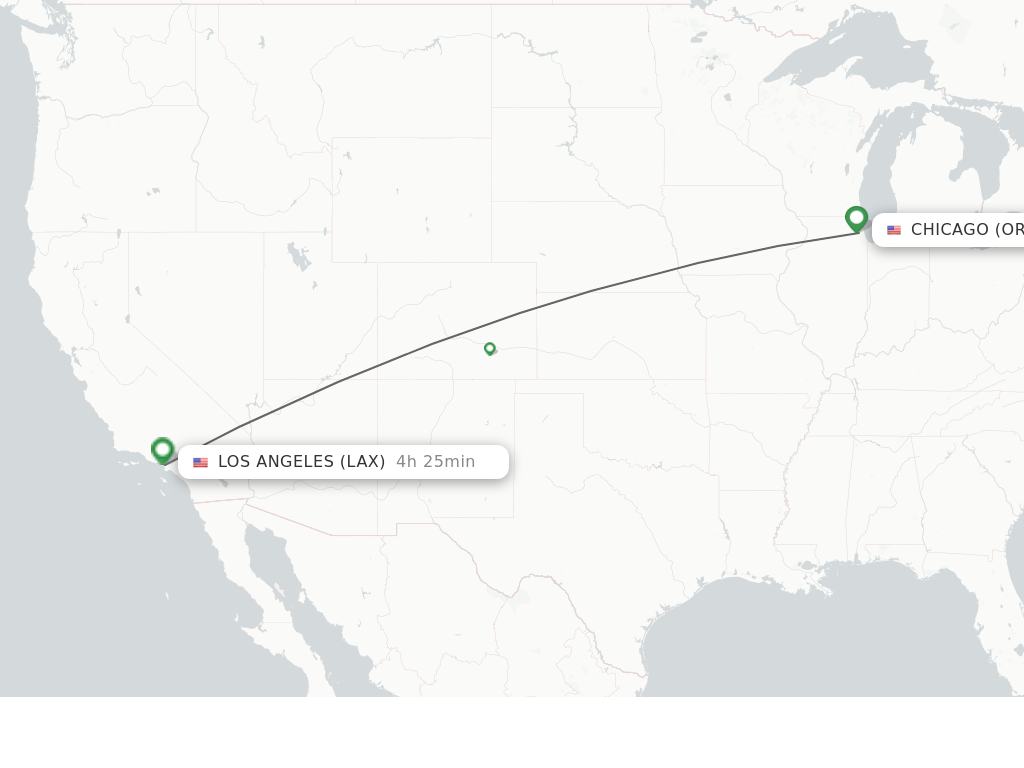
For most travelers, a non-stop flight is the preferred option, offering the quickest way to bridge the distance. The average duration for a direct flight from Los Angeles International Airport (LAX) to either Chicago O’Hare International Airport (ORD) or Chicago Midway International Airport (MDW) typically ranges between 3 hours and 50 minutes to 4 hours and 30 minutes.
This window accounts for slight variations in flight paths, cruising speeds, and descent patterns. Airlines like United Airlines, American Airlines, Southwest Airlines, Spirit Airlines, and Alaska Airlines frequently operate on this route, providing numerous daily options for direct travel.
Factors Influencing Direct Flight Times
While the average provides a good baseline, several dynamic factors can subtly, or sometimes significantly, impact the actual flight duration.
- Air Traffic Control (ATC): Busy airspaces, particularly around major hubs like LAX and ORD, can lead to ground delays, holding patterns in the air, or rerouting instructions. These measures are critical for safety and managing the flow of hundreds of flights simultaneously but can add minutes to your journey.
- Weather Conditions: Adverse weather at either departure or arrival airport, or along the flight path, is a common cause of variations in flight times. Headwinds (winds blowing against the aircraft’s direction of travel) can slow down the plane, extending the flight. Conversely, tailwinds can provide a boost, potentially shortening the journey. Storms or low visibility might also necessitate longer routing to avoid turbulent areas, adding to the flight time.
- Aircraft Type and Speed: Different aircraft models have varying cruising speeds and operational efficiencies. A newer, more aerodynamic jet might complete the journey slightly faster than an older model. While these differences are usually minor on a single route, they contribute to the range of typical flight durations observed.
- Time Zone Change: It’s important to remember the time zone difference. Los Angeles operates in Pacific Time (PT), while Chicago is in Central Time (CT). This means Chicago is two hours ahead of Los Angeles. So, a flight departing at 9:00 AM PT and landing 4 hours later would arrive at 3:00 PM CT (9:00 AM + 4 hours flight + 2 hours time difference). Always account for this when planning your arrival schedule.
Exploring Flights with Layovers
While non-stop flights are generally preferred, connecting flights are a common reality in air travel, sometimes chosen for lower fares or better scheduling options. However, they significantly extend the total travel time.
The Impact of Connecting Flights
A flight with one or more layovers will invariably take longer than a direct flight. The total travel time for a connecting journey from Los Angeles to Chicago can range dramatically, typically from 6 hours to 10+ hours, depending on the length and number of layovers. This includes the initial flight segment, the waiting time at the connecting airport, and the subsequent flight to your final destination.
Common Layover Hubs and Their Influence
Several major airports serve as popular hubs for flights connecting the West Coast to the Midwest. The choice of layover airport directly impacts your total travel time.
- Denver International Airport (DEN): A geographically central hub, DEN is a frequent stop for flights traversing the country. Layovers here can be efficient, often ranging from 1 to 3 hours.
- Dallas/Fort Worth International Airport (DFW): Another massive hub, DFW offers extensive connections. Layover times can vary widely, from tight 45-minute connections to several hours.
- Phoenix Sky Harbor International Airport (PHX): A convenient hub for many western routes, PHX provides another common option for connecting flights, with layovers typically lasting 1.5 to 4 hours.
Other airports like Salt Lake City International Airport (SLC) or Las Vegas Harry Reid International Airport (LAS) might also serve as connecting points, each adding their own duration to the layover period.
Calculating Total Travel Time with Layovers
When booking a flight with a layover, meticulously check the scheduled duration of each flight segment and, critically, the time allocated for the layover itself. Factor in:
- First flight segment duration.
- Layover time: Allow sufficient time, especially if your connecting gate is far or if there’s a chance of delays on the first flight. A minimum of 60-90 minutes is advisable for large airports like DFW or DEN.
- Second flight segment duration.
All these components add up to your total door-to-door travel time. For instance, a 2.5-hour flight to Denver, a 2-hour layover, and a 2-hour flight to Chicago would result in a total travel time of 6.5 hours, not including the time spent getting to LAX and from the Chicago airport to your final destination.
Navigating Departure and Arrival: The Airport Experience
Beyond the flight itself, the airport experience significantly contributes to your overall travel time and stress levels. Understanding the dynamics of both Los Angeles International Airport and Chicago’s primary airports is key.
Los Angeles International Airport (LAX)
LAX is one of the busiest airports in the world, known for its extensive size and frequent traffic congestion, both on the roads leading to it and within its terminals.
- Getting There and Through Security: Allow ample time to reach LAX. Traffic in Los Angeles can be unpredictable, especially during peak hours. Once at the airport, navigating through check-in and security can be time-consuming. Aim to arrive at least 2-3 hours before your scheduled domestic flight departure. Utilizing TSA PreCheck or CLEAR can significantly reduce security wait times.
Chicago O’Hare International Airport (ORD) and Chicago Midway International Airport (MDW)
Chicago is served by two major airports: O’Hare International Airport (ORD), a colossal international hub, and Midway International Airport (MDW), which is smaller, more centrally located, and predominantly serves domestic flights, particularly those operated by Southwest Airlines.
- Arrival and Ground Transportation:
- ORD: Located about 18 miles northwest of downtown Chicago, travel time to the city center can range from 45 minutes to 1.5 hours, depending on traffic and your chosen mode of transport (CTA Blue Line train, taxi, rideshare, or shuttle).
- MDW: Situated approximately 11 miles southwest of downtown, MDW generally offers quicker access to the city. The CTA Orange Line train can get you downtown in about 25-30 minutes, while taxi or rideshare services might take 30-60 minutes, again, depending on traffic.
When booking your flight, consider which Chicago airport best suits your final destination within the city or surrounding areas, as this can significantly impact your post-flight travel time.
Maximizing Your Travel Efficiency and Comfort
While you can’t control the weather or air traffic, you can make choices that enhance your travel efficiency and comfort on a flight of this duration.
Best Times to Fly
- Early Morning or Late Evening: These times often experience less air traffic and potentially shorter security lines, though they might not always align with your preferred schedule. Red-eye flights from LAX to Chicago can be appealing for some, allowing you to arrive early in the morning, ready to start your day.
- Mid-week Travel: Tuesdays, Wednesdays, and sometimes Saturdays often see fewer travelers and potentially lower fares, which can indirectly contribute to a smoother airport experience.
Choosing the Right Airline and Seat
- Reputation and On-time Performance: Research airlines known for good on-time performance on the LAX to Chicago route. While individual flights can always be delayed, consistent performance indicates reliability.
- Seat Comfort and Amenities: For a 4-hour flight, comfort is key. Consider factors like legroom, seat width, and whether the airline offers in-flight entertainment or Wi-Fi. Many airlines allow you to select your seat during booking, with some offering economy plus or similar options for a modest fee, providing a bit more space.
Tips for a Smoother Journey
- Packing Smart: Keep essentials like medications, chargers, and a good book or tablet in your carry-on. Consider noise-canceling headphones for a more peaceful flight.
- Staying Hydrated and Moving: The dry cabin air can be dehydrating. Drink plenty of water before and during your flight. Get up and walk around the cabin when it’s safe to do so, and perform simple stretches in your seat to prevent stiffness.
- Entertainment and Connectivity: Download movies, podcasts, or music before you leave, as in-flight Wi-Fi can be expensive or unreliable. A portable power bank is also a smart investment to keep your devices charged.
- Dress in Layers: Cabin temperatures can fluctuate, so dressing in layers allows you to adjust for maximum comfort.
The Journey’s End: What Awaits in Chicago
Upon landing in Chicago, whether at O’Hare or Midway, you’ll step into a city renowned for its bold architecture, world-class museums, and unforgettable culinary scene.

Beyond the Flight: Experiencing the City
The excitement of arriving in Chicago quickly overshadows the journey itself. From iconic landmarks to local delights, the city offers a wealth of experiences.
- Millennium Park: Home to the famous “Cloud Gate” sculpture (commonly known as “The Bean”), Millennium Park is a must-visit for its public art, gardens, and free concerts in the summer.
- Art Institute of Chicago: One of the oldest and largest art museums in the United States, it boasts an impressive collection spanning centuries and cultures.
- Deep-Dish Pizza: No visit to Chicago is complete without indulging in its signature deep-dish pizza. Local favorites like Lou Malnati’s, Giordano’s, or Pequod’s offer authentic experiences.
- Architectural Boat Tour: For a truly insightful view of Chicago’s skyline and history, an architectural boat tour on the Chicago River is highly recommended.
In conclusion, the flight from Los Angeles to Chicago is a relatively straightforward journey, typically spanning just under 4 to 4.5 hours for non-stop options. However, the total travel time can vary significantly based on layovers, airport congestion, and weather conditions. By understanding these variables and planning accordingly, travelers can ensure a smooth, efficient, and enjoyable transition from the Pacific Coast to the heart of the Midwest.
LifeOutOfTheBox is a participant in the Amazon Services LLC Associates Program, an affiliate advertising program designed to provide a means for sites to earn advertising fees by advertising and linking to Amazon.com. Amazon, the Amazon logo, AmazonSupply, and the AmazonSupply logo are trademarks of Amazon.com, Inc. or its affiliates. As an Amazon Associate we earn affiliate commissions from qualifying purchases.