
When planning a visit to a vibrant metropolis like Chicago, travelers often focus on iconic landmarks, world-class museums, and an unparalleled culinary scene. However, a truly enriching travel experience extends beyond the superficial, inviting visitors to delve into the heart of a city’s local culture, including its complexities and challenges. Understanding the social landscape of a destination, such as the issue of homelessness, offers a more complete and empathetic perspective, enabling tourists to engage with the city more thoughtfully and responsibly. The question of “How many homeless in Chicago?” is not just a statistical inquiry but a gateway to comprehending a significant aspect of urban life that impacts its communities and, by extension, the overall visitor experience. This exploration aims to provide insights into homelessness in Chicago, framing it within the context of responsible tourism and fostering a deeper appreciation for the city’s multifaceted identity.
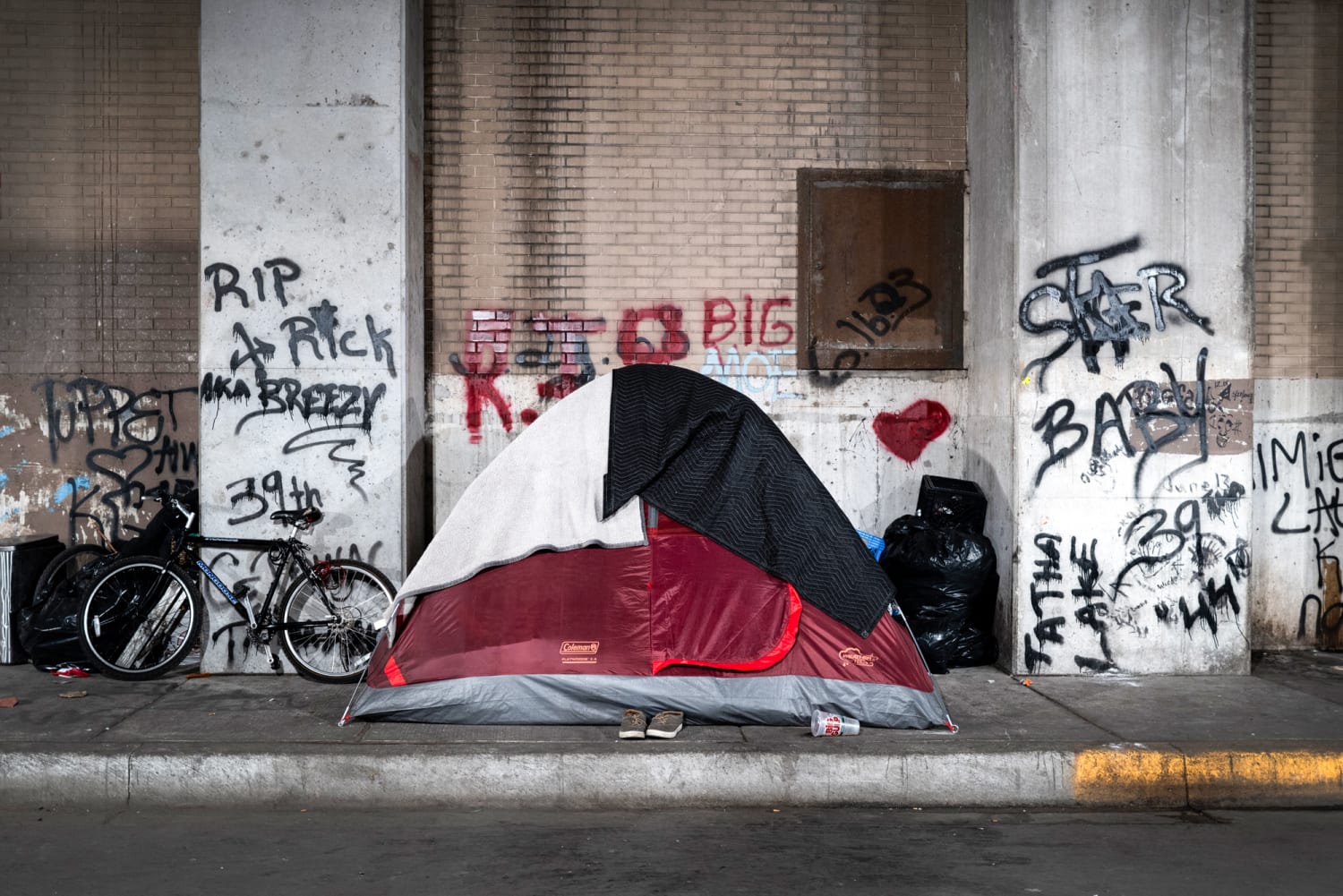
Understanding Homelessness in the Windy City: A Deeper Look for Tourists
Chicago, often celebrated for its architectural marvels and dynamic cultural scene, is also a city grappling with persistent social issues, including homelessness. For many tourists, the sight of individuals experiencing homelessness can be jarring, prompting questions about the prevalence and causes of this complex challenge. Engaging with this reality, rather than ignoring it, can deepen a visitor’s understanding of Chicago’s local culture and the daily lives of its residents. It’s crucial to approach this topic not with pity, but with informed empathy, recognizing the systemic factors at play and the dignity of every individual.
The Scope of the Challenge: Official Counts and Realities
Quantifying the exact number of people experiencing homelessness in any major city is notoriously difficult, and Chicago is no exception. Official counts, often conducted annually through a “Point-in-Time” (PIT) survey, provide a snapshot of homelessness on a single night. These surveys typically count individuals in emergency shelters, transitional housing, and unsheltered locations. While indispensable for policy-making and resource allocation, these numbers are widely acknowledged to be underestimates. They often miss individuals who are temporarily staying with friends or family (known as “doubled-up”), those in precarious living situations not recognized as homelessness by strict definitions, or those who simply cannot be located during the survey period.
For instance, recent official counts for Chicago have typically hovered in the range of 5,000 to 6,000 individuals experiencing homelessness on a given night. However, advocacy groups and service providers often suggest that the actual number of people experiencing homelessness over the course of a year, including those who cycle in and out of temporary housing, is significantly higher, potentially tens of thousands. The Chicago Public Schools, for example, report thousands of students experiencing homelessness annually, highlighting the hidden nature of this crisis, particularly among families. This discrepancy between official counts and the broader reality underscores the pervasive and multifaceted nature of the challenge.
Beyond the Numbers: Faces of Homelessness
While statistics provide a quantitative measure, the true impact of homelessness is best understood through the individual stories and diverse demographics it affects. Homelessness in Chicago is not a monolithic issue; it touches a wide array of people from different backgrounds, ages, and circumstances. Veterans, young people (especially LGBTQ+ youth), families with children, individuals struggling with mental health conditions, and those battling substance use disorders are all disproportionately represented among the homeless population. Economic hardship, job loss, domestic violence, and a lack of affordable housing are common threads that can lead people to homelessness, often exacerbated by a lack of robust social safety nets.
As tourists traverse Chicago’s bustling streets, from the glittering storefronts of the Magnificent Mile to the vibrant communities in neighborhoods like Pilsen or Wicker Park, they may encounter individuals seeking shelter in public spaces. These interactions, while sometimes uncomfortable, offer a direct glimpse into the human aspect of homelessness. Understanding that each person has a unique story and a complex set of circumstances that led them to their current situation is paramount for fostering an empathetic and informed perspective on Chicago’s local culture.
Contributing Factors: Why Chicago’s Homeless Population Fluctuates
Homelessness is a complex social issue with roots in a myriad of interconnected factors. In a city as large and diverse as Chicago, these factors are particularly pronounced, causing the homeless population to fluctuate and presenting unique challenges for both residents and visitors seeking to understand the local dynamics. A truly insightful tourist experience involves understanding the underlying causes that shape a city’s social fabric.
Economic Pressures and Housing Affordability
One of the most significant drivers of homelessness in Chicago is the escalating cost of living coupled with a stagnant or inadequate supply of affordable housing. While Chicago is generally considered more affordable than coastal megacities, rising rents, property taxes, and gentrification in many neighborhoods push low-income residents out of their homes. A minimum wage often falls far short of what’s needed to afford market-rate housing, especially for families. When unexpected expenses arise—a medical emergency, a job loss, or a reduction in work hours—individuals and families can quickly spiral into housing instability. The tight rental market and stringent requirements for tenancy can make it nearly impossible for those with past evictions or poor credit to secure housing, creating a cycle of homelessness that is hard to break. This economic pressure is a fundamental aspect of Chicago‘s contemporary local culture, influencing everything from neighborhood demographics to social services.
The Role of Mental Health and Substance Use
Mental health conditions and substance use disorders are frequently intertwined with homelessness, acting as both causes and consequences. Individuals experiencing severe mental illness often struggle to maintain employment, manage finances, or navigate the complexities of daily life, making them vulnerable to housing loss. Similarly, substance use disorders can lead to job loss, family estrangement, and financial ruin, ultimately resulting in homelessness. While these issues do not affect everyone experiencing homelessness, they are significant co-occurring factors for a substantial portion of the population. Access to adequate and integrated healthcare, mental health services, and addiction treatment is crucial for addressing these challenges, yet such resources are often fragmented or difficult for vulnerable populations to access. For a tourist, understanding these underlying health crises helps to humanize the issue and move beyond simplistic judgments.
Seasonal Impacts and Shelter Capacity
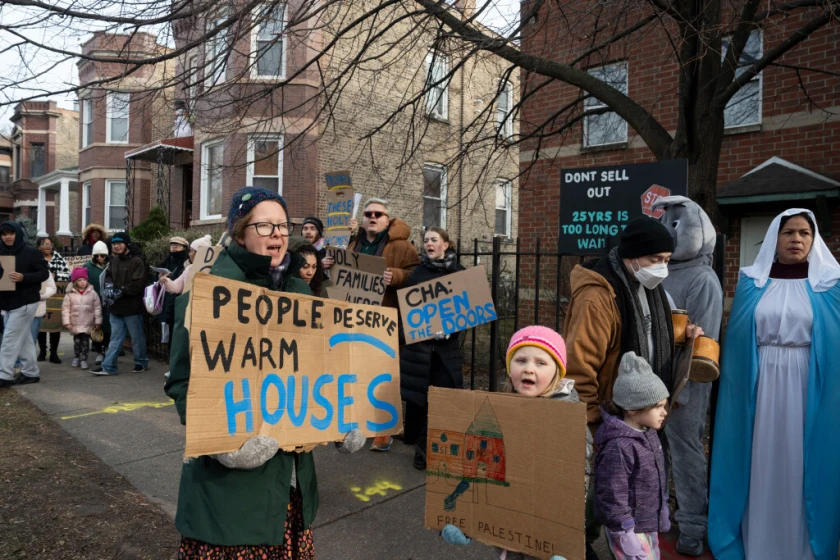
Chicago’s extreme weather plays a critical role in the visibility and immediate challenges faced by the homeless population. The brutal winters, characterized by sub-zero temperatures and heavy snowfall, pose life-threatening risks for those living unsheltered. During these months, the demand for emergency shelters and warming centers skyrockets, often exceeding available capacity. Conversely, the intense summer heat and humidity can also create dangerous conditions. These seasonal fluctuations place immense strain on the city’s social services and underscore the urgent need for robust year-round support systems. Tourists visiting during different seasons may observe varying levels of visible homelessness, reflecting the ongoing struggle for survival against the elements and the fluctuating availability of temporary shelter. This seasonal dynamic is a harsh reality of Chicago’s unique local environment.
Chicago’s Response: Local Efforts and Tourist Awareness
In the face of these formidable challenges, Chicago is home to a dedicated network of government agencies, non-profit organizations, and community groups working tirelessly to address homelessness. For tourists seeking to understand Chicago’s local culture more deeply, being aware of these efforts and considering how to engage responsibly can transform a simple visit into a more meaningful experience. Responsible tourism encourages visitors to acknowledge and, where appropriate, support the communities they visit, moving beyond passive observation to active, empathetic engagement.
Government Initiatives and Non-Profit Partnerships
The City of Chicago Department of Family and Support Services (DFSS) is a key player, overseeing emergency shelters, outreach programs, and initiatives aimed at moving individuals into permanent housing. Programs like “Housing First,” which prioritizes providing stable housing without preconditions, are gaining traction as an effective long-term solution. Beyond city agencies, a vast ecosystem of non-profit organizations provides critical services, including food, shelter, healthcare, job training, and legal aid. Organizations like the Chicago Coalition for the Homeless, Cornerstone Community Outreach, and Thresholds offer a lifeline to thousands of individuals and families. These organizations often rely on volunteers and donations to sustain their operations, embodying the spirit of community and resilience that is a hallmark of Chicago’s local culture. Recognizing these efforts can provide tourists with a more nuanced understanding of the city’s commitment to social welfare.
How Tourists Can Engage Responsibly
For tourists, engaging responsibly with the issue of homelessness means moving beyond simple judgment or discomfort. It involves acknowledging the humanity of individuals experiencing homelessness and understanding the systemic nature of the problem. If you encounter someone experiencing homelessness and wish to help, consider these tips:
- Support Local Organizations: A highly impactful way to contribute is by donating to reputable Chicago-based non-profits that specialize in homelessness prevention and aid. Many organizations accept online donations, making it easy for visitors to contribute. This ensures that help is directed efficiently and professionally.
- Carry Small Care Kits: Instead of cash, some tourists opt to carry small care kits containing essential items like toiletries, socks, non-perishable snacks, and water bottles. These can be offered directly to individuals in need.
- Engage with Respect: If you choose to interact, do so with respect and kindness. A simple “hello” or eye contact can acknowledge someone’s presence and humanity. Avoid judgment or making assumptions about their situation.
- Support Social Enterprises: Look for local businesses that employ individuals transitioning out of homelessness or that dedicate a portion of their profits to social causes. Patronizing these establishments allows your tourist dollars to directly contribute to positive social change within Chicago’s economy and local culture.
A Tourist’s Perspective: Navigating Chicago with Empathy
Experiencing Chicago with an empathetic lens allows for a richer and more authentic understanding of its local culture. While sightseeing and enjoying the city’s renowned attractions are vital parts of any trip, weaving in an awareness of Chicago’s social challenges enriches the overall travel narrative, transforming a visit into an opportunity for personal growth and responsible engagement. It’s about recognizing that a city’s greatness lies not just in its towering skyscrapers or Michelin-starred restaurants, but also in how it addresses the needs of its most vulnerable citizens.
Supporting Local Businesses with Social Missions
As a tourist, your spending power can be a force for good. Chicago has a growing number of social enterprises and businesses with explicit social missions. These might include coffee shops that train and employ individuals experiencing homelessness, restaurants that source locally and support community initiatives, or retail stores that sell products made by marginalized populations. Seeking out and supporting these businesses offers a tangible way to contribute to the city’s well-being. For example, some bakeries in Chicago provide culinary training and job placement for at-risk youth or formerly incarcerated individuals, offering them a pathway to stability. By choosing to spend your money at such establishments, you’re not just buying a product or service; you’re investing in the social fabric and local culture of Chicago. Many visitor guides and local blogs highlight these types of businesses, making it easier for responsible tourists to find them.
Experiencing Chicago Beyond the Mainstream
While popular attractions like the Art Institute of Chicago, Millennium Park, and the Navy Pier are undoubtedly iconic, venturing beyond these tourist hotspots can provide a more holistic view of the city. Exploring diverse neighborhoods, engaging with community art projects, or attending local festivals outside the central business district offers insights into Chicago’s varied communities and the social dynamics within them. This deeper immersion helps to contextualize social issues like homelessness, revealing the systemic challenges faced by residents in different parts of the city. Such explorations can also lead to discoveries of vibrant local businesses, unique cultural experiences, and opportunities to connect with the city’s authentic pulse, which includes both its triumphs and its struggles. This approach embodies the essence of cultural tourism, where understanding and respect for the local environment are paramount.

Conclusion: Towards a More Inclusive Chicago
The question “How many homeless in Chicago?” opens a dialogue far broader than a mere numerical answer. It invites tourists to consider the underlying social, economic, and health factors that contribute to this complex issue and to recognize the resilience of those affected and the tireless efforts of service providers. By engaging with Chicago’s social landscape with empathy and an informed perspective, visitors can contribute to a more nuanced understanding of its local culture. Responsible tourism is about acknowledging the full picture of a destination – celebrating its attractions while also recognizing its challenges. Ultimately, a trip to Chicago can be more than just a memorable vacation; it can be an opportunity to connect with humanity, support local initiatives, and leave with a deeper appreciation for the vibrant, complex, and ever-evolving spirit of the Windy City.
LifeOutOfTheBox is a participant in the Amazon Services LLC Associates Program, an affiliate advertising program designed to provide a means for sites to earn advertising fees by advertising and linking to Amazon.com. Amazon, the Amazon logo, AmazonSupply, and the AmazonSupply logo are trademarks of Amazon.com, Inc. or its affiliates. As an Amazon Associate we earn affiliate commissions from qualifying purchases.