
The question of how many undocumented immigrants reside in Chicago is complex, often sparking fervent debate and drawing attention to the intricate social, economic, and cultural dimensions of urban life. While precise figures are notoriously difficult to ascertain due to the very nature of undocumented status, various estimates and reports offer a glimpse into the size and impact of this population. Understanding the presence and contributions of undocumented individuals is crucial for comprehending the multifaceted lifestyle of Chicago, a city historically built on the strength and diversity of its immigrant communities. This article aims to explore the available data, the challenges in estimation, and the profound ways in which undocumented populations contribute to and shape the vibrant lifestyle and future trajectory of the Windy City.
Understanding Chicago’s Evolving Demographic Landscape
Chicago’s identity has always been intertwined with immigration. From the waves of European immigrants in the 19th and early 20th centuries to more recent arrivals from Latin America, Asia, and Africa, each group has left an indelible mark on the city’s character. The concept of “illegal immigrants,” or more accurately, undocumented immigrants, refers to individuals residing in the United States without legal authorization. Their presence in cities like Chicago is a significant aspect of the broader demographic narrative, influencing everything from neighborhood composition to the local economy.
A Historical Context of Immigration in the Windy City
Chicago has long been a beacon for those seeking new opportunities, a melting pot where diverse cultures have blended and flourished. Its industrial might and central location attracted millions of newcomers, establishing vibrant ethnic enclaves that persist to this day. While early immigrants largely arrived through legal channels, shifts in immigration policies and global socio-economic conditions have led to a growing undocumented population in recent decades. These newer waves of immigrants often arrive seeking economic stability, refuge from political unrest, or to reunite with family already established in the United States. Their presence continues to fuel the city’s dynamic cultural evolution, enriching its lifestyle through diverse traditions, languages, and perspectives that become woven into the urban fabric.
Estimating Undocumented Populations: The Data Challenge
Gauging the exact number of undocumented immigrants in any given city is inherently challenging due to the clandestine nature of their status. Official government censuses typically do not distinguish between legal and undocumented residents, making direct enumeration impossible. Instead, researchers and policy analysts rely on indirect methods, statistical modeling, and data from various surveys and administrative records to develop estimates. Organizations such as the Pew Research Center and the Center for Migration Studies are key players in this effort, often using a “residual method” that compares census data with estimates of the legally authorized population.
These estimates typically place the undocumented population in the Chicago metropolitan area in the hundreds of thousands. For instance, some reports suggest figures ranging from 400,000 to 500,000 across the broader metropolitan region, with a substantial portion residing within the city limits of Chicago itself. It’s important to remember that these are estimates, subject to margins of error and varying methodologies. Nevertheless, they provide a critical framework for understanding the scale of this community and its potential impact on the city’s lifestyle and resource allocation.
The Tangible Impact on Chicago’s Lifestyle and Economy
The presence of undocumented immigrants is not merely a demographic statistic; it profoundly shapes the lifestyle and economic landscape of Chicago. Their contributions are evident in various sectors, from the vibrant culinary scene to essential labor markets, and their integration into communities adds unique dimensions to the city’s overall character.
Cultural Enrichment and Culinary Diversity
Perhaps one of the most visible impacts of undocumented immigrants on Chicago’s lifestyle is the immense cultural enrichment they bring. Neighborhoods like Pilsen, Little Village, and Albany Park are vivid examples, teeming with authentic ethnic restaurants, grocery stores, vibrant murals, and cultural festivals. These communities often serve as hubs for new arrivals, preserving traditions while simultaneously adapting to American life. The influx of diverse culinary traditions, music, art, and languages enriches the city’s social fabric, offering residents and visitors alike a broader palette of experiences that define the Chicago lifestyle. From bustling Mexican taquerias to Honduran pupuserias and Salvadoran bakeries, the food scene alone testifies to the powerful influence of these communities.
Economic Contributions and Labor Force Dynamics

Economically, undocumented immigrants play a significant role in Chicago’s prosperity. Many fill labor gaps in sectors that often struggle to find local workers, such as construction, hospitality, food service, agriculture, and manufacturing. They contribute to the economy not only through their labor but also as consumers, paying sales taxes and property taxes (indirectly through rent). Studies often highlight that undocumented immigrants contribute billions annually to the local and state economies through spending and indirect taxes.
Furthermore, a notable segment of the undocumented population comprises entrepreneurs who start small businesses, creating jobs and revitalizing commercial corridors in various neighborhoods. These businesses often cater to specific ethnic markets but also contribute to the broader tax base and add to the dynamism of local economies, proving integral to the city’s bustling urban lifestyle. Their resilience and entrepreneurial spirit underscore a vital, though often unacknowledged, component of Chicago’s economic engine.
Social Integration and Community Resilience
Beyond economics and culture, undocumented immigrants are deeply embedded in the social structure of Chicago. They are parents, neighbors, friends, and community members, contributing to the fabric of daily life in countless ways.
Neighborhood Dynamics and Support Networks
Undocumented populations often form strong, tight-knit communities, particularly in specific neighborhoods where cultural affinity and shared experiences foster mutual support. These communities develop robust informal networks for housing, employment, and social assistance, filling gaps where official support might be inaccessible. Churches, community centers, and non-profit organizations play pivotal roles in providing essential services, legal aid, and advocacy for these residents. This strong sense of community, while sometimes born out of necessity, also contributes significantly to the unique character and resilience of many Chicago neighborhoods, creating vibrant social ecosystems that are integral to the city’s lifestyle.
Navigating Public Services and Social Infrastructure
The presence of undocumented immigrants also places demands on Chicago’s public services and social infrastructure. While generally ineligible for federal welfare benefits, many interact with local services such as public schools (their U.S.-citizen children are entitled to education), emergency healthcare, and certain community-based programs. Balancing the needs of this population with existing resources is a continuous challenge for city planners and service providers. This includes ensuring access to appropriate language services and culturally competent care. The city’s ability to integrate these populations, even under challenging circumstances, speaks to its enduring commitment to humanitarian values and contributes to a more inclusive, albeit complex, urban lifestyle.
Policy Debates and the Future of Chicago’s Urban Fabric
The discussion around undocumented immigrants in Chicago is inextricably linked to broader policy debates at local, state, and federal levels. As a self-declared “sanctuary city,” Chicago has taken deliberate steps to protect its undocumented residents.
Local Ordinances and Sanctuary City Status
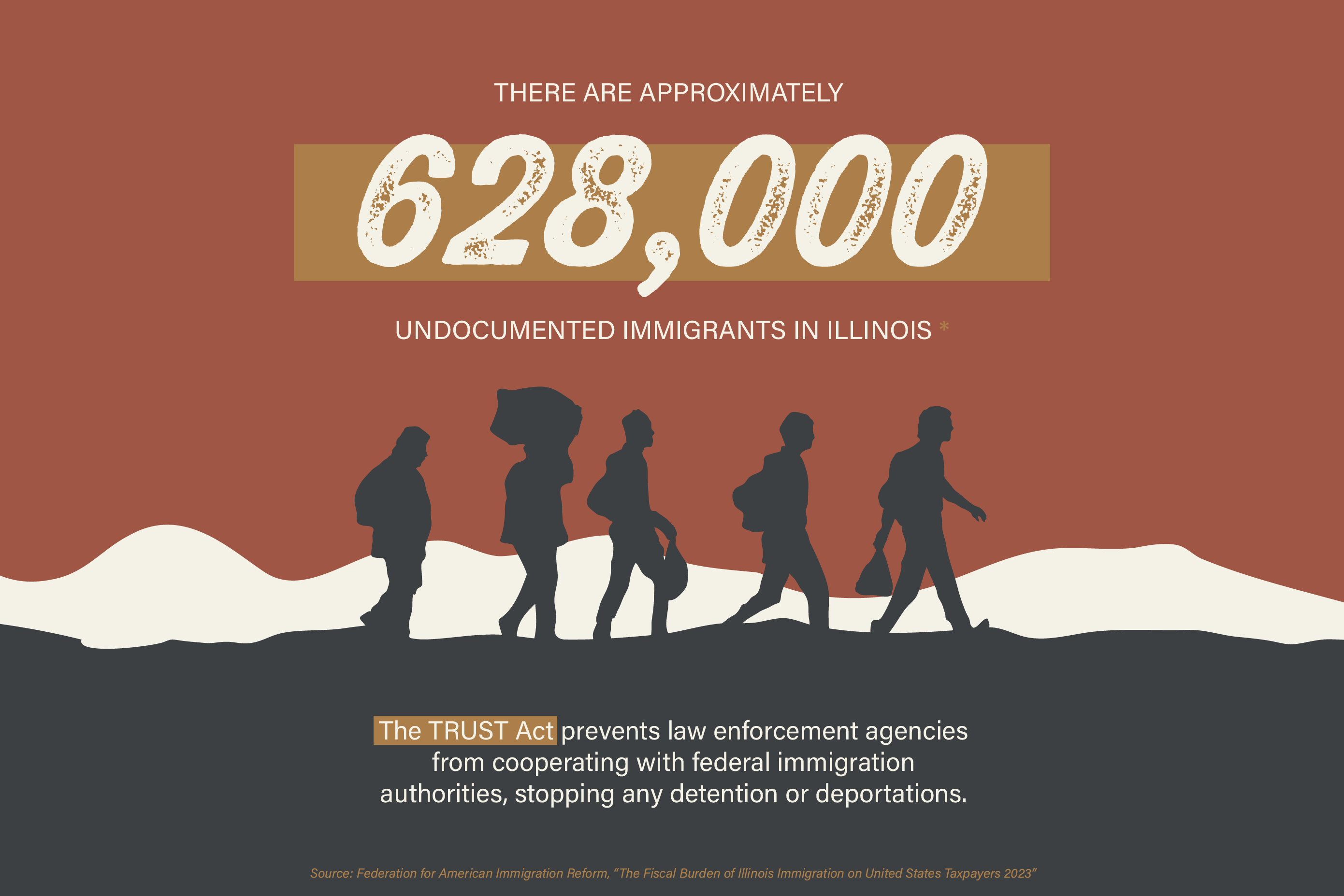
Chicago’s status as a “sanctuary city” is a defining aspect of its approach to immigration. This designation means that local law enforcement agencies are generally prohibited from cooperating with federal immigration authorities (like Immigration and Customs Enforcement) on civil immigration matters. The aim is to foster trust between immigrant communities and local police, encouraging residents to report crimes without fear of deportation. This policy is a conscious decision by the city to prioritize community safety and integration, reflecting a specific stance on human rights and social welfare that deeply influences the lifestyle and security perceptions within immigrant communities. While this status has been lauded by immigrant advocates, it also faces criticism from those who argue it undermines federal immigration laws.

Addressing Challenges and Fostering Inclusive Growth
Looking forward, addressing the presence of undocumented immigrants in Chicago requires a nuanced approach that acknowledges both their contributions and the challenges associated with their status. These challenges include access to legal counsel, fair labor practices, and pathways to legal residency. Advocacy groups continually work to champion comprehensive immigration reform, better integration policies, and support services.
The ongoing arrival of asylum seekers and migrants to Chicago further underscores the need for adaptable and compassionate strategies. These new populations, often fleeing dire circumstances, add another layer of complexity to the city’s demographic landscape and resource allocation. How Chicago continues to respond to these evolving dynamics will undoubtedly shape its future lifestyle, its economic vitality, and its identity as a diverse, welcoming, yet challenged global city. Ultimately, the story of undocumented immigrants in Chicago is a microcosm of the larger national narrative, showcasing both the immense potential and the profound complexities of human migration in the 21st century.
LifeOutOfTheBox is a participant in the Amazon Services LLC Associates Program, an affiliate advertising program designed to provide a means for sites to earn advertising fees by advertising and linking to Amazon.com. Amazon, the Amazon logo, AmazonSupply, and the AmazonSupply logo are trademarks of Amazon.com, Inc. or its affiliates. As an Amazon Associate we earn affiliate commissions from qualifying purchases.