
Chicago in winter is a city transformed. The crisp air, the glistening architecture, and the festive spirit all contribute to a unique atmosphere, but perhaps no element defines this transformation more than snow. For visitors planning a trip to the Windy City during the colder months, understanding Chicago’s relationship with snow isn’t just about packing the right gear; it’s about preparing for an immersive, picturesque, and occasionally challenging experience. The question of “how many inches of snow” goes beyond mere statistics; it delves into the rhythm of the city, its resilience, and the myriad ways tourists can embrace its snowy charm.
Understanding Chicago’s Winter Wonderland: Averages and Extremes
Chicago’s reputation for harsh winters is well-earned, but it’s also a city that knows how to handle the cold and the white stuff. Preparing for a winter visit means having a realistic expectation of snowfall.
The Annual Snowfall Snapshot
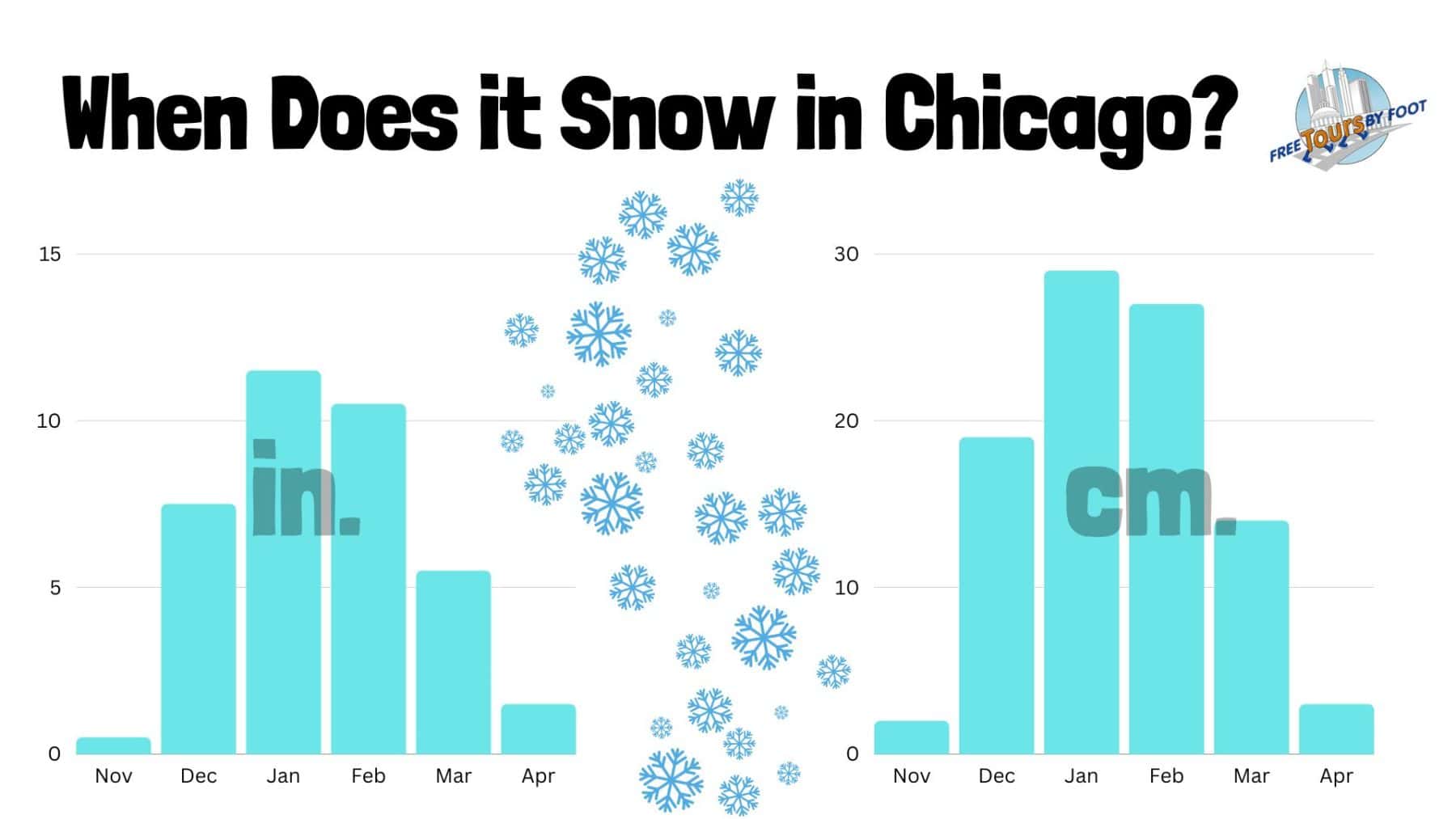
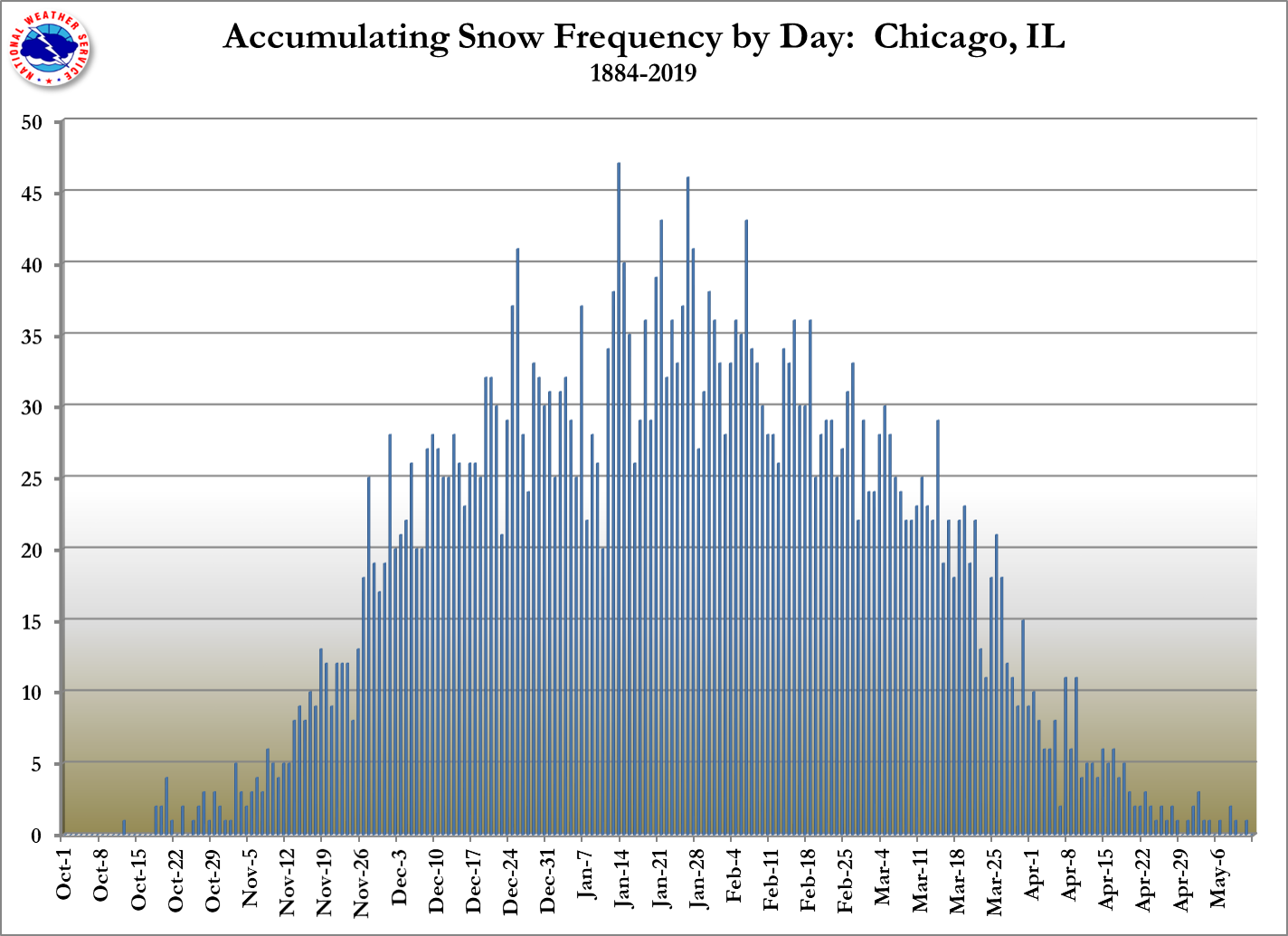
Historically, Chicago receives an average of about 38 inches (96.5 cm) of snow annually. However, this is an average, and actual snowfall can vary significantly from year to year. The snow season typically kicks off in late November, gains momentum in December, and often sees its heaviest accumulation in January and February. By March, snowfall usually tapers off, though late-season dustings are not unheard of, occasionally extending into April.
Compared to other major North American cities, Chicago’s snowfall is substantial but not necessarily the highest. Cities like Buffalo, New York, and some in the upper Midwest often receive more due to lake effect snow or proximity to mountain ranges. However, Chicago’s flat topography and intense cold snaps ensure that the snow that does fall often sticks around, creating a prolonged winter landscape that can be both beautiful and impactful for tourism. The city’s proximity to Lake Michigan can also occasionally lead to localized lake-effect snow bands, intensifying accumulation in certain areas near the lakefront.
Record-Breaking Winters and Notable Events
While averages provide a baseline, Chicago has a history of truly epic snowfalls that have tested its infrastructure and delighted—or inconvenienced—its residents and visitors. These extreme events highlight the importance of being prepared.
One of the most legendary snowstorms occurred in January 1967, dumping over 23 inches (58 cm) of snow in just two days, virtually paralyzing the city. Similarly, the blizzard of 1979 brought 18.8 inches (47.8 cm) and led to significant civic challenges, impacting mayoral elections. More recently, the February 2011 blizzard dumped over 21 inches (53 cm) in less than 24 hours, creating massive snowdrifts and famously trapping cars on Lake Shore Drive.
These historical precedents demonstrate that while average snowfall is manageable, Chicago is certainly capable of experiencing intense, single-event snowstorms. For tourists, this means being aware of weather forecasts and understanding that travel plans might need flexibility during severe winter conditions. However, these events also showcase the city’s remarkable resilience and efficiency in snow removal, ensuring that life, and tourism, quickly resume normalcy.
Navigating the Snow: Practical Tips for Tourists in Chicago
Experiencing Chicago in winter requires a bit more planning than a summer visit, but with the right preparation, the city’s snowy embrace can be incredibly rewarding.
Essential Packing for a Snowy Chicago Trip
The golden rule for Chicago winters is layering. Temperatures can fluctuate, and moving between heated indoors and the chilly outdoors means you’ll want to adjust your clothing frequently.
- Outerwear: A heavy, waterproof, and windproof winter coat is non-negotiable. Look for coats with good insulation.
- Mid-Layers: Fleece jackets, sweaters, or down vests add crucial warmth.
- Base Layers: Thermal underwear (tops and bottoms) made from wool or synthetic materials will wick away moisture and keep you warm.
- Bottoms: Jeans are common, but consider ski pants or waterproof trousers if you plan on extended outdoor activities, or at least opt for lined pants.
- Footwear: Waterproof, insulated boots with good traction are essential. You’ll be walking on snow, slush, and potentially ice. Avoid fashion boots that aren’t designed for winter conditions.
- Accessories: Don’t forget a warm hat that covers your ears, waterproof gloves or mittens, and a thick scarf. These seemingly small items make a huge difference in overall comfort.
- Socks: Wool or synthetic socks are better than cotton for warmth and moisture-wicking.
Getting Around: Transportation in Winter
Chicago’s robust public transportation system is generally reliable even during snowfall, but visitors should be prepared for potential delays and altered schedules during severe weather.
- Public Transit (CTA and Metra): The Chicago Transit Authority (CTA) operates elevated trains (“L” trains) and bus services. While trains are less affected by snow than buses, heavy snowfall can still cause slowdowns or minor disruptions. Buses, though efficient, can be delayed by traffic or impassable streets during blizzards. The Metra commuter rail system, serving the suburbs, also generally operates well but can experience delays. Always check the CTA and Metra websites or apps for real-time updates.
- Driving Challenges: Unless you are experienced with driving in heavy snow and are familiar with Chicago’s streets, it’s generally advisable for tourists to avoid renting a car during significant snowfall. Parking can become a nightmare, and road conditions can be treacherous. If you must drive, ensure your vehicle has winter tires and be prepared for slow travel.
- Ride-Sharing and Taxis: Services like Uber and Lyft are available, but surge pricing can be extreme during snowstorms, and wait times will be significantly longer. Taxis can also be harder to flag down. It’s often best to rely on public transit or simply plan to stay put during peak blizzard conditions.
Staying Warm and Safe
Beyond clothing, knowing how to manage your time and surroundings will enhance your winter trip.
- Indoor Activities: Plan your itinerary to include plenty of indoor attractions. Chicago boasts world-class museums like the Art Institute of Chicago, the Field Museum, and the Shedd Aquarium, as well as countless theaters, shops, and restaurants that offer warm refuge.
- Frostbite and Hypothermia Awareness: Understand the signs of frostbite and hypothermia, especially if spending extended time outdoors. Take frequent breaks indoors to warm up.
- Slippery Surfaces: Be extremely cautious when walking. Snow can hide ice, making sidewalks and stairs treacherous. Walk slowly, watch your step, and use handrails when available.
Embracing Chicago’s Snowy Charm: Activities and Experiences
Snow transforms Chicago into a picturesque setting, opening up unique opportunities for memorable experiences that are distinctly winter in the city.
Iconic Winter Attractions and Activities
Many of Chicago’s famous landmarks take on a magical quality under a blanket of snow.
- Ice Skating: The city comes alive with outdoor ice rinks. The most famous are the McCormick Tribune Ice Rink in Millennium Park and the Skating Ribbon in Maggie Daley Park, offering stunning views of the skyline while you glide.
- Winter Festivals: Depending on the timing of your visit, you might catch a winter festival. The German-inspired Christkindlmarket is a beloved holiday tradition, featuring food, drinks, and crafts.
- Museums and Galleries: As mentioned, Chicago’s cultural institutions are perfect for cold days. Spend hours exploring art, history, and science in heated comfort.
- Winter Walks and Photography: A fresh snowfall against the backdrop of iconic architecture like the Chicago Theatre or the Magnificent Mile creates breathtaking photo opportunities. The Lincoln Park Zoo also hosts beautiful holiday lights, perfect for an evening stroll.
Culinary Delights and Cozy Retreats
Winter is the perfect time to indulge in Chicago’s renowned food scene, seeking warmth and comfort.
- Warm Beverages: Sip on rich hot chocolate from local cafes like Katherine Anne Confections or explore Chicago’s vibrant coffee culture.
- Comfort Food: This is the season for hearty meals. Indulge in Chicago’s famous deep-dish pizza, savor a warming bowl of ramen in Logan Square, or enjoy classic American fare in a cozy pub.
- Cozy Bars and Restaurants: Seek out establishments with fireplaces or intimate settings where you can enjoy craft cocktails, local beers, or a gourmet meal away from the chill. Neighborhoods like Wicker Park and Andersonville offer an abundance of charming spots.
Off-the-Beaten-Path Winter Experiences
Beyond the usual tourist routes, Chicago offers unique local experiences.
- Neighborhood Exploration: While the Loop and Magnificent Mile are central, venture into residential neighborhoods to see how locals embrace winter. Enjoy the festive decorations and quieter streets.
- Cross-Country Skiing: For the more adventurous, some of Cook County’s forest preserves offer groomed trails for cross-country skiing and snowshoeing after a significant snowfall, providing a serene escape from the urban hustle.
The City’s Preparedness: How Chicago Manages Snow
Part of Chicago’s ability to handle its average 38 inches of snow, and often much more, lies in its highly organized and efficient snow removal operations.
The Snow Command Center
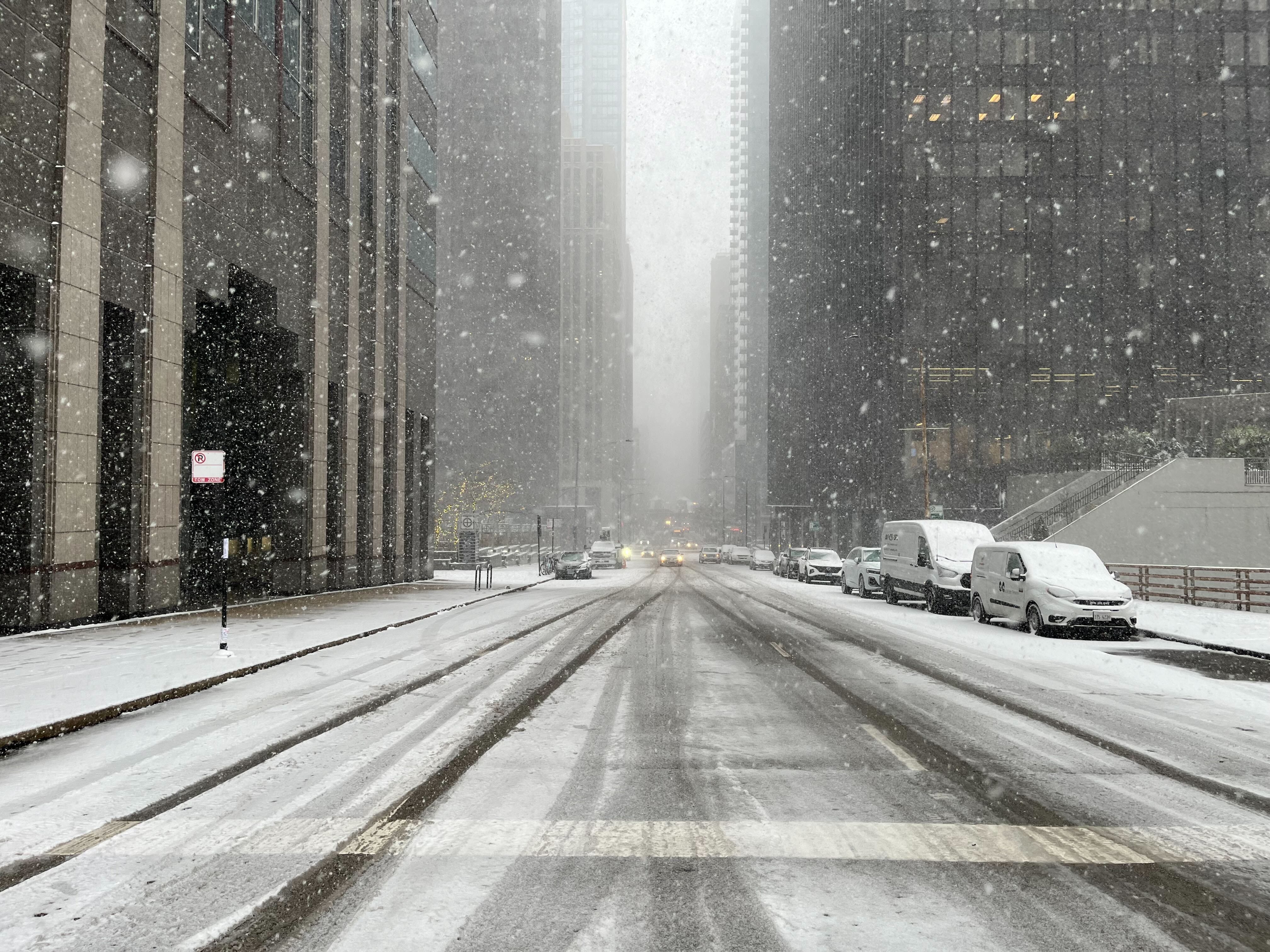
The Chicago Department of Streets and Sanitation operates a sophisticated Snow Command Center. This hub monitors weather patterns, deploys hundreds of snow plows and salt trucks, and coordinates cleanup efforts across the city. Major arterial roads and expressways are prioritized, followed by residential streets. The city uses a combination of rock salt and liquid de-icers to keep roads clear and safe. This preparedness ensures that even after a heavy snowfall, the city quickly gets back on its feet, minimizing disruption for both residents and visitors.
Community Resilience and Local Etiquette
Beyond municipal efforts, Chicago’s communities often come together to manage snow. One unique aspect of Chicago winter culture is “dibs,” where residents use chairs, cones, or other objects to mark a parking spot they’ve shoveled out, claiming it for their own. While not officially sanctioned, it’s a widely understood, albeit sometimes contentious, local custom. Tourists might observe this phenomenon in residential areas, a quirky testament to the collective effort required to navigate heavy snowfalls.
In conclusion, while the question “How many inches of snow in Chicago?” yields an average of about 38 inches annually, the true answer lies in the city’s remarkable adaptation, its array of winter activities, and the warmth of its hospitality. A winter visit to Chicago is not just about braving the cold; it’s about discovering a vibrant city that doesn’t just endure winter but truly shines in its snowy splendor, offering a rich and memorable tourism experience for those prepared to embrace it.
LifeOutOfTheBox is a participant in the Amazon Services LLC Associates Program, an affiliate advertising program designed to provide a means for sites to earn advertising fees by advertising and linking to Amazon.com. Amazon, the Amazon logo, AmazonSupply, and the AmazonSupply logo are trademarks of Amazon.com, Inc. or its affiliates. As an Amazon Associate we earn affiliate commissions from qualifying purchases.